
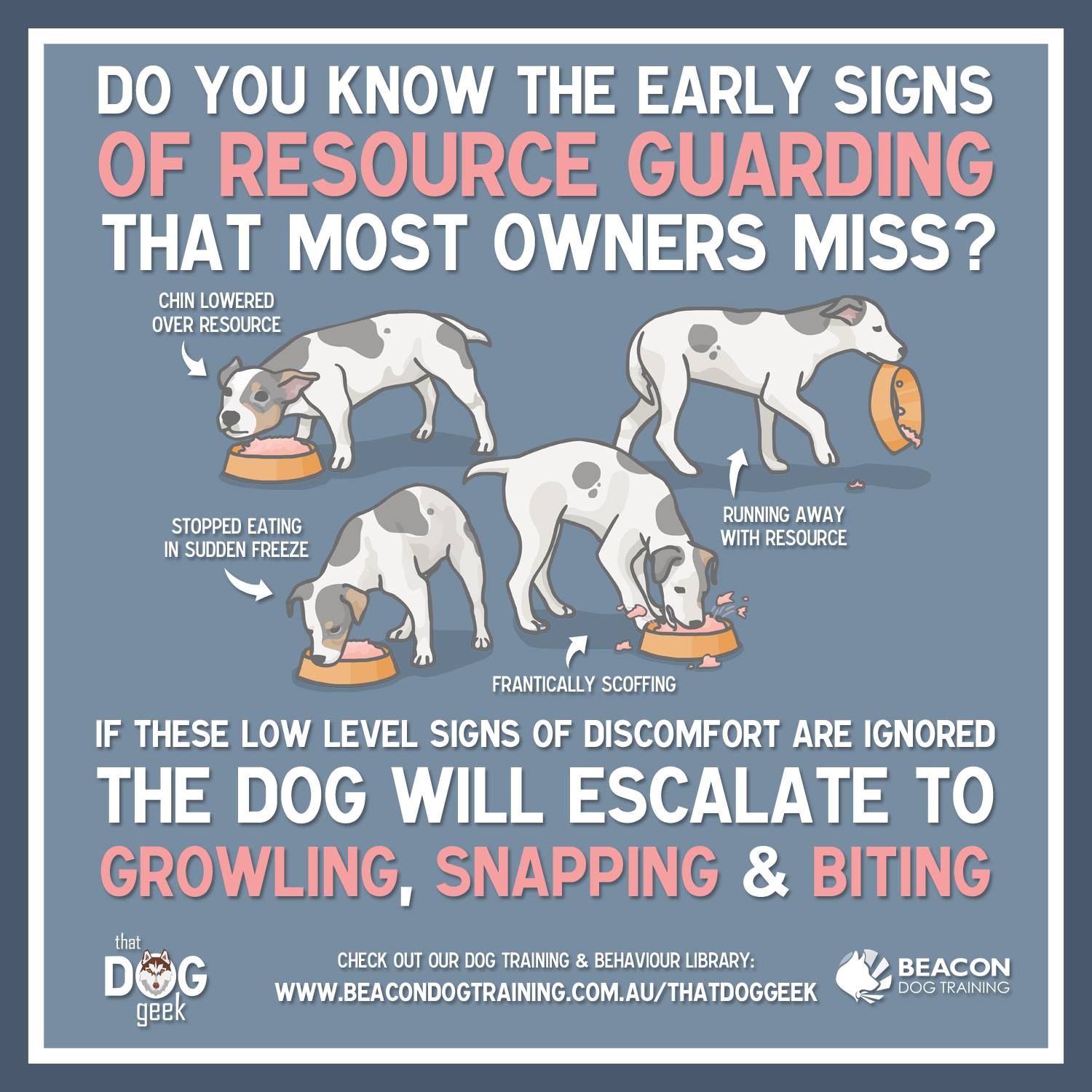
Understanding Canine Resource Possession Challenges
According to the American Society for the Prevention of Cruelty to Animals (ASPCA), behavioral issues remain one of the primary reasons domestic canines are relinquished to shelters, with resource-related conflicts ranking high among those concerns. Every day in behavioral practice, professionals witness the sudden shift in a companion animal’s demeanor when an approaching footstep nears a prized chew toy or food bowl. This intense emotional reaction, often rooted in evolutionary survival instincts, can catch families entirely off guard. Recognizing the subtle warning signs before a situation escalates is essential for maintaining household harmony and ensuring the safety of everyone sharing the home.
💡 Pet Care Key Takeaways:
- Core Focus: Practical health, nutrition, and wellness guidelines for Sample Guarding Behavior.
- Target Scope: Pet owners, animal caregivers, and veterinary support staff.
- Best Recommendation: Maintain consistent daily routines and consult an accredited veterinarian before introducing major diet or medical changes.
What Resource Guarding Actually Means in Domestic Dogs
Resource guarding is the display of defensive behaviors by an animal attempting to prevent a perceived threat from taking possession of an item of high value. Technical terms like resource guarding or possessive aggression describe an ancient canine survival strategy designed to protect essential assets such as food, toys, resting spots, or human attention. During consultations, it is common to observe a dog freezing in place, stiffening their body, accelerating their eating pace, or giving a hard stare when someone walks past their meal. These warning signals communicate deep anxiety and a perceived need to protect what is rightfully theirs, rather than a deliberate attempt to assert dominance.
The Psychological and Environmental Impact on the Household
Unaddressed possessive tendencies can significantly elevate household stress levels, transforming ordinary daily routines into high-anxiety events for both human and animal family members. When families resort to punitive methods—such as yelling, physical corrections, or forcefully removing items—the underlying anxiety often intensifies, frequently leading to escalated defensive reactions like snapping or biting. Conversely, implementing positive reinforcement protocols helps shift the animal’s emotional response from fear and defensiveness to trust and relaxation. Through professional Dog Behavior guidance, households can dismantle these tension cycles and foster a secure environment.
Positive reinforcement and desensitization protocols are proven to reduce defensive reactivity in companion animals by addressing the root emotional state of anxiety — American Kennel Club (AKC)
Effective Strategies for Managing and Modifying Possessive Tendencies
Managing possessive reactivity successfully relies on systematic desensitization and counter-conditioning, which teach the animal that approach equals abundance rather than loss. By trading up—offering a higher-value item in exchange for the guarded object—caregivers build positive associations without triggering the animal’s instinct to defend. Furthermore, establishing clear management protocols, such as feeding in a quiet, low-traffic area, prevents rehearsal of unwanted behaviors while training is underway. Through consistent practice rooted in foundational Dog Training principles, animals learn to welcome human proximity around valuable items.
Essential Guidelines and Common Pitfalls to Avoid During Modification
Punishing a growl removes a crucial warning system, leaving the animal with fewer communication options before resorting to a bite. Consistency, patience, and impeccable timing form the bedrock of successful behavioral modification plans. It is equally important to never sneak up on a resting animal or snatch items away abruptly, as these actions validate the animal’s fear that possessions are inherently unsafe around people. For comprehensive guidance on daily upkeep and routines that support emotional stability, exploring resources on proper Dog Care can provide additional clarity.
Ignoring early warning signs such as lip-licking or freezing often precipitates more severe reactive episodes in domestic canines — American Veterinary Medical Association (AVMA)
Pet Care & Wellness Overview Table
| Life Stage | Daily Activity Level | Key Nutrition / Care Focus |
|---|---|---|
| Puppy / Kitten | High (frequent short bursts) | High-protein growth diet & early socialization |
| Adult Companion | Moderate (30–60 mins daily) | Balanced maintenance nutrition & dental hygiene |
| Senior Pets | Low to Gentle (mindful walks) | Joint support (Glucosamine) & routine vet checks |
Images References

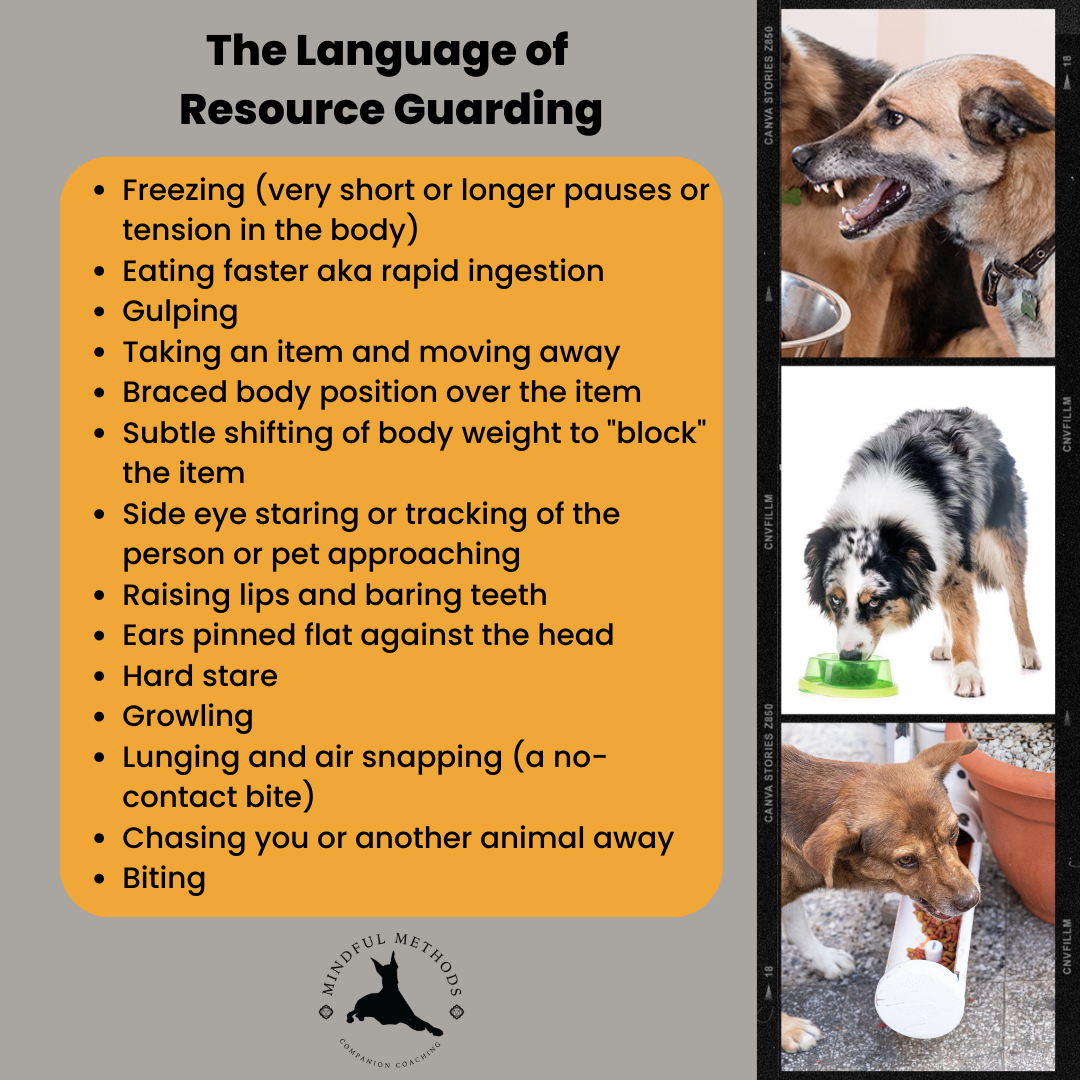


Breed, Age, and Temperament Considerations in Canine Behavior
Certain working and guarding breeds may display a heightened predisposition toward territoriality and object protection due to centuries of selective breeding. Young puppies often explore their world by grabbing and holding onto various household objects, a normal developmental phase that requires careful management rather than harsh correction. Understanding the unique heritage and temperament traits highlighted within resources on Dog Breeds helps owners anticipate potential behavioral hurdles before they become entrenched habits. Tailoring management strategies to match the specific developmental stage and genetic background of the individual animal ensures a much higher rate of long-term success.
When to Consult a Certified Professional or Veterinary Behaviorist
Professional intervention becomes mandatory whenever defensive reactions escalate to snapping, biting, or guarding essential items like medication, human food, or foundational spaces. Certified applied animal behaviorists and board-certified veterinary behaviorists possess the specialized expertise required to diagnose complex underlying anxieties and design safe, customized treatment plans. Additionally, ruling out underlying medical discomfort through routine examinations ensures that physical pain is not compounding the behavioral challenge. Prioritizing expert guidance protects all household members while offering the animal the most compassionate and effective support available.
Building a Lasting Foundation of Trust and Safety
Navigating possessive behaviors requires immense patience, empathy, and a commitment to understanding the emotional world of our canine companions. By replacing confrontation with calm, structured management and science-based training techniques, families can cultivate an environment built on mutual trust and security. For more expert insights into keeping companion animals happy and healthy, explore the wealth of information available on PetsAnimalsWorld.com, including dedicated sections on Dog Health and optimal Dog Nutrition.




