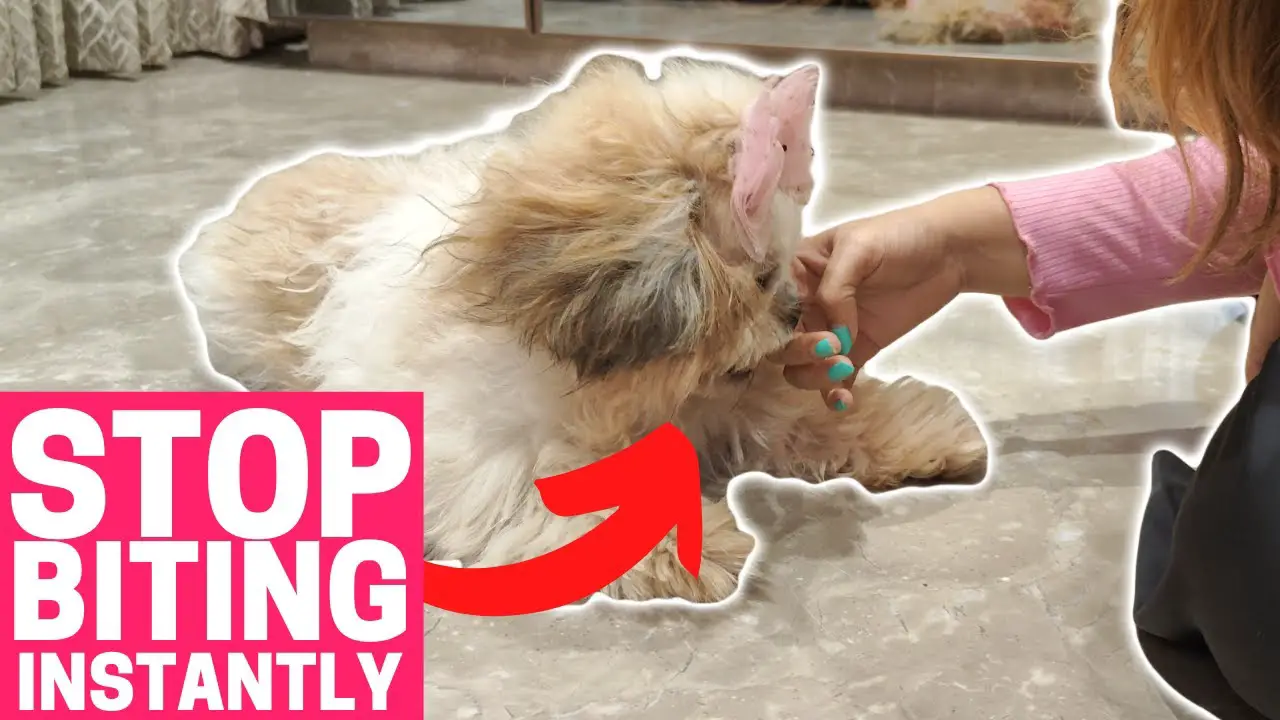
Understanding Shih Tzu aggression and biting requires looking beyond the tiny stature of this ancient companion breed.
According to the American Kennel Club, Shih Tzus were originally bred as palace companions for Chinese royalty, valued for their affectionate nature and luxurious coats rather than working or guarding instincts. Despite this gentle history, small companion dogs occasionally display defensive or reactive behaviors, including nipping and snapping. In veterinary behavior consultations, tiny dogs are frequently misunderstood because their warning signs are easily overlooked or dismissed as harmless playfulness until a bite actually occurs.
💡 Pet Care Key Takeaways:
- Core Focus: Practical health, nutrition, and wellness guidelines for Shih Tzu Aggression And Biting.
- Target Scope: Pet owners, animal caregivers, and veterinary support staff.
- Best Recommendation: Maintain consistent daily routines and consult an accredited veterinarian before introducing major diet or medical changes.
Observing canine body language reveals that biting rarely happens without prior communication. A stiff posture, whale eye, or curled lip serves as a clear message long before teeth make contact. During handling and grooming sessions in clinical settings, many small dogs freeze momentarily before escalating to a defensive snap, highlighting the importance of reading subtle tension rather than reacting solely to the final outburst.
Shih Tzu aggression and biting refers to defensive or reactive behaviors displayed by these small companion dogs when they feel threatened, overwhelmed, or in pain.
Understanding this behavior involves recognizing that biting is a normal form of canine communication, even if it is socially unacceptable in a domestic household. When a dog bites, it is usually attempting to increase distance from an uncomfortable stimulus, whether that stimulus is an approaching hand, a loud noise, or an intrusive grooming tool. Canine behaviorists classify these reactions primarily as fear-based, resource-guarding, or pain-induced, meaning the animal is rarely acting out of genuine dominance or malice.
Furthermore, the brachycephalic facial structure, which refers to a shortened skull and flat face, along with prominent eyes typical of this breed, can make daily handling uniquely stressful. Veterinary professionals often note that dogs with restricted vision due to long facial hair or chronic eye discomfort may startle easily, leading to defensive nipping when approached unexpectedly from the side or behind.
Unmanaged behavioral issues can severely damage the human-animal bond and lead to escalating fear responses in companion dogs.
Ignoring early warning signs like growling or stiffening can cause a dog to learn that warning signals are ineffective, leading them to bypass warnings and proceed straight to biting. Beyond the physical safety risks for household members, living in a constant state of reactivity takes a heavy psychological toll on the animal. Chronic stress elevates cortisol levels, making the dog increasingly sensitive to everyday environmental triggers.
Chronic stress and unaddressed fear in companion animals significantly increase the frequency of defensive behavioral outbursts over time. — American Veterinary Medical Association
Addressing these challenges proactively through proper Dog Behavior modification helps restore a peaceful environment for everyone in the household. Consistency, patience, and empathy form the foundation of any successful behavioral intervention plan, ensuring the animal feels secure rather than restricted or punished.
Managing and resolving biting behaviors relies on positive reinforcement, desensitization, and addressing any underlying medical discomfort.
Effective behavior modification begins with identifying and eliminating the specific triggers that provoke a defensive reaction. If handling the paws or face causes a snap, desensitization involves pairing those touch points with high-value treats at a distance and pace the dog finds comfortable. Punitive or dominance-based techniques must be strictly avoided, as physical reprimands or aversive tools only heighten fear and escalate the likelihood of future bites.
Implementing best practices for safe handling and preventing behavioral regression requires patience and careful environmental management.
Creating predictable daily routines helps anxious dogs feel safe and reduces reactive outbursts in multi-pet or busy households. Essential care routines, such as coat brushing, should be broken down into very short, stress-free sessions rewarded liberally with delicious treats. Mastering proper Dog Care techniques also ensures that grooming instruments never inflict accidental pain or discomfort on sensitive skin.
Force-free training methods grounded in positive reinforcement yield significantly better behavioral outcomes and strengthen trust between dogs and their caregivers. — Certification Council for Professional Dog Trainers
Preventing accidental triggers is just as important as active training. Giving the animal a designated quiet space where they are never disturbed allows them to retreat and self-soothe whenever household activity becomes overwhelming.
Breed-specific temperament and physical traits heavily influence how these companion dogs interact with their environment.
The affectionate and loyal nature of this ancient lineage means they form exceptionally strong attachments to their primary human companions. However, this close bonding can sometimes translate into resource guarding or intolerance of unfamiliar people or animals entering their personal space. Recognizing that Dog Breeds with companion backgrounds possess unique sensitivities helps tailor socialization plans appropriately.
Age-related sensory decline also plays a major role in adult or senior dogs developing sudden reactivity. Vision loss from cataracts or hearing impairment can cause a once-calm dog to startle easily when touched, turning a normal interaction into a defensive bite reflex.
Consulting a qualified veterinarian or certified behaviorist is essential when dealing with sudden or severe aggression.
Any abrupt change in temperament warrants an immediate physical examination to rule out underlying health issues, as pain is one of the most common catalysts for canine aggression. Conditions such as dental disease, patellar luxation, or ear infections can make a dog intensely defensive during normal handling. For serious behavioral concerns, consult a certified veterinary behaviorist who can develop a medically sound, force-free modification strategy tailored to the individual animal.
Establishing a collaborative relationship with healthcare professionals ensures that both the physical and emotional well-being of the animal are thoroughly evaluated and supported.
Building a harmonious relationship with a companion animal requires ongoing education, empathy, and professional guidance when challenges arise.
Navigating behavioral hurdles with patience and understanding transforms potential conflict into an opportunity for deeper trust. Exploring comprehensive resources available through PetsAnimalsWorld.com, including expert guidance on Dog Training and general Dog Health, empowers caregivers to provide the highest standard of life for their beloved animal companions.
Pet Care & Wellness Overview Table
| Life Stage | Daily Activity Level | Key Nutrition / Care Focus |
|---|---|---|
| Puppy / Kitten | High (frequent short bursts) | High-protein growth diet & early socialization |
| Adult Companion | Moderate (30–60 mins daily) | Balanced maintenance nutrition & dental hygiene |
| Senior Pets | Low to Gentle (mindful walks) | Joint support (Glucosamine) & routine vet checks |
Images References