

Understanding the delicate transition when introducing a newcomer to a senior resident
According to the American Society for Prevention of Cruelty to Animals (ASPCA), behavioral issues are among the leading reasons adult dogs experience stress following household changes. Bringing a bouncy newcomer into a mature canine’s domain frequently disrupts long-established routines. Senior dogs naturally value their predictability, quiet spaces, and treasured items. When an exuberant juvenile dashes over to inspect a chew bone or a favorite resting spot, tension often bubbles to the surface. Observing this dynamic firsthand reveals that senior dogs rarely act out of pure malice; rather, they communicate deep-seated boundaries. Recognizing these early warning signs allows households to foster a peaceful coexistence before minor grumbles escalate into genuine conflict.
💡 Pet Care Key Takeaways:
- Core Focus: Practical health, nutrition, and wellness guidelines for Old Dog Resource Guarding From New Puppy.
- Target Scope: Pet owners, animal caregivers, and veterinary support staff.
- Best Recommendation: Maintain consistent daily routines and consult an accredited veterinarian before introducing major diet or medical changes.
Resource guarding represents a natural evolutionary survival instinct in canines
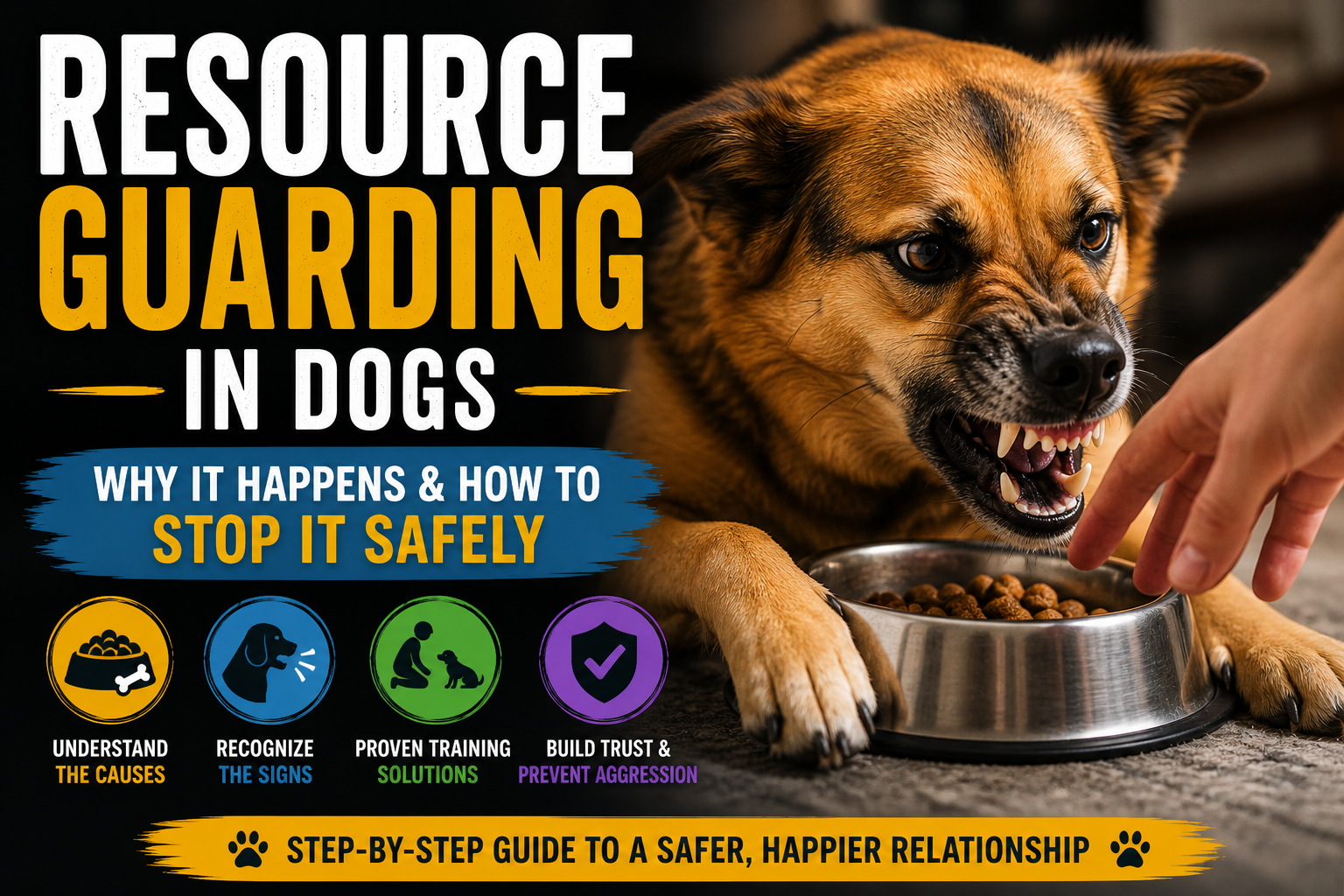
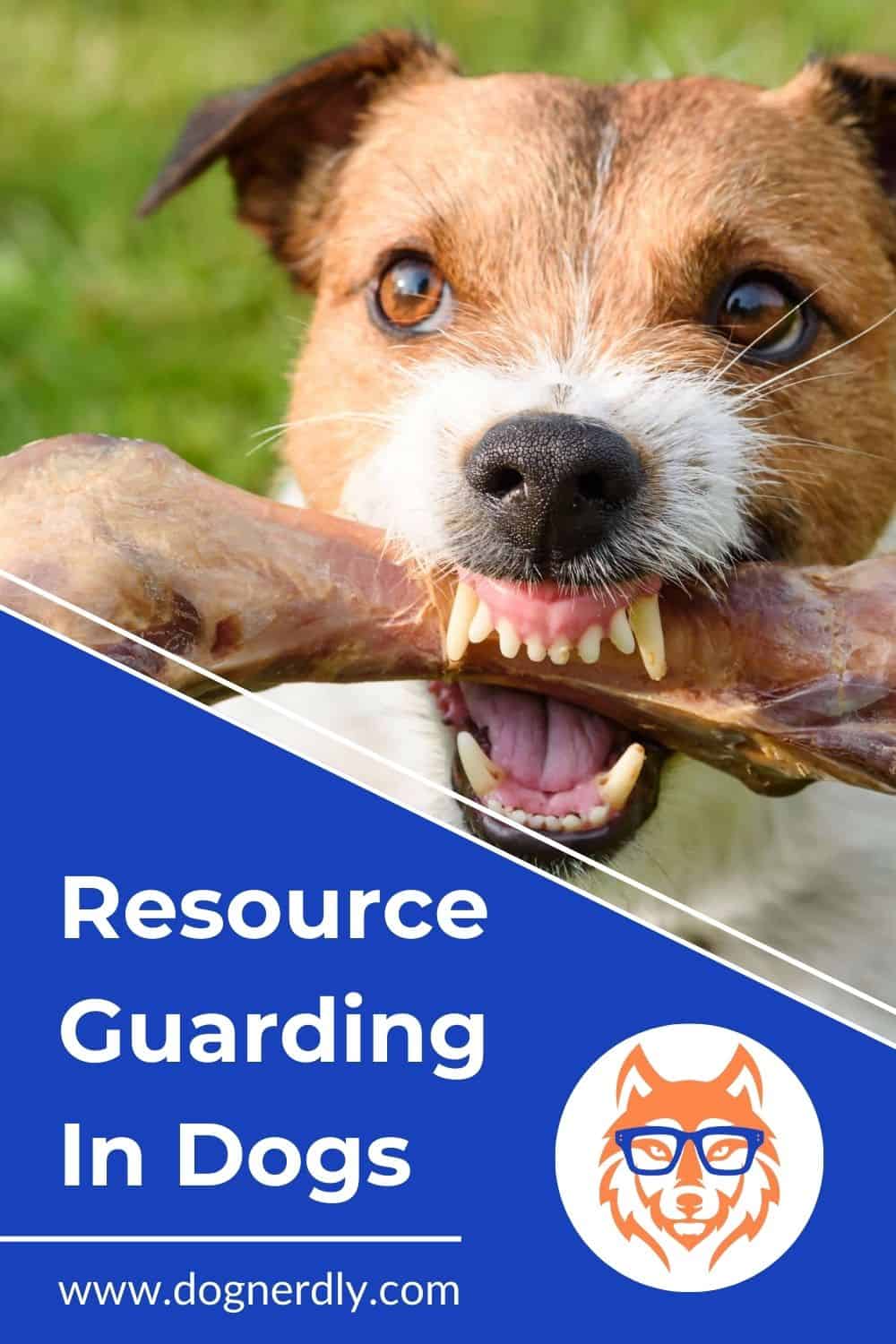
Old dog resource guarding from new puppy dynamics involves a senior canine displaying defensive behaviors—such as freezing, staring, lip-licking, growling, or snapping—to protect high-value items from an encroaching youngster. In the study of Dog Behavior, resource guarding is defined as any attempt by an animal to maintain control over possessions like food bowls, toys, sleeping spots, or even human attention. While this behavior seems alarming to human observers, it serves as a normal canine communication strategy. The older animal essentially attempts to establish distance and signal comfort limits without resorting to outright violence. Unfortunately, relentless curiosity from an energetic juvenile often pushes a patient senior past their tolerance threshold.
Unchecked behavioral friction takes a heavy toll on senior well-being
Chronic stress from persistent guarding behavior accelerates physical fatigue and mental exhaustion in aging animals. As joints stiffen and energy levels wane, senior canines require uninterrupted periods of rest to maintain proper physical health. When an intrusive youngster repeatedly disrupts these resting periods, the resulting anxiety can compromise immune function and exacerbate underlying joint discomfort. Furthermore, unmanaged tension frequently spills over into broader household reactivity, complicating daily management routines. Providing proactive structure is therefore essential for preserving the mental and physical wellness of older pets.
Behavioral consultations and environmental management successfully resolve the majority of household guarding cases when implemented early — American Kennel Club (AKC)
Strategic management and desensitization techniques restore household harmony
Managing old dog resource guarding from new puppy conflicts requires a foundation of absolute physical safety and predictable structure. Establishing distinct physical barriers, such as baby gates and separate feeding stations, prevents rehearsal of the unwanted guarding behavior. Counter-conditioning—the process of changing an animal’s emotional response to a trigger—works exceptionally well when pairing the presence of the junior dog with high-value rewards tossed safely away from the senior. Positive reinforcement protocols ensure that neither animal feels threatened by the other’s proximity. Certified professional trainers strongly advise against punishment-based techniques, as reprimanding a growl simply teaches the animal to suppress warning signals, increasing the risk of an unannounced bite.
Practical steps and common pitfalls to avoid during daily supervision
Consistency remains the cornerstone of successful multi-dog household management. A frequent mistake involves leaving high-value chews, puzzle toys, or favorite bedding lying unattended in shared spaces where the juvenile can easily trigger a defensive reaction. Practitioners in Dog Training routinely emphasize that supervision must be active rather than passive; scrolling through a smartphone while two dogs navigate a bone is an invitation for trouble. Pick up all loose toys when direct oversight is impossible. Feed meals behind closed doors or in separate crates to eliminate food-bowl anxiety entirely. By removing the opportunities for conflict, both animals learn that shared spaces are safe, predictable, and entirely stress-free.
Positive reinforcement methods effectively reduce anxiety-driven aggression by building optimistic associations between conflicting animals — American Veterinary Medical Association (AVMA)
Pet Care & Wellness Overview Table
| Life Stage | Daily Activity Level | Key Nutrition / Care Focus |
|---|---|---|
| Puppy / Kitten | High (frequent short bursts) | High-protein growth diet & early socialization |
| Adult Companion | Moderate (30–60 mins daily) | Balanced maintenance nutrition & dental hygiene |
| Senior Pets | Low to Gentle (mindful walks) | Joint support (Glucosamine) & routine vet checks |
Images References





Breed traits, life stages, and individual temperaments shape the severity of defensive displays
Specific personality traits and physical limitations heavily influence how intensely a mature canine guards prized possessions. For instance, breeds historically developed for independent guarding or hunting tasks may display sharper defensive boundaries than companion-group counterparts. Additionally, age-related sensory declines, such as fading vision or hearing loss, frequently make senior dogs more easily startled by sudden approaches from an unpredictable youngster. When a senior can no longer anticipate a newcomer’s movements, defensive posturing often intensifies as a compensatory safety measure. Understanding these individual vulnerabilities allows caregivers to tailor their management strategies accordingly.
When to consult a veterinary behaviorist for persistent household friction
Professional guidance becomes necessary whenever defensive displays escalate in frequency, intensity, or fail to respond to thoughtful environmental management. A certified applied animal behaviorist or a veterinarian specializing in behavioral medicine can accurately assess whether underlying pain, cognitive dysfunction, or severe anxiety drives the conduct. Guidance on proper veterinary oversight for Dog Health ensures that physical ailments contributing to irritability are diagnosed and treated promptly. Professional intervention prevents minor domestic disputes from hardening into permanent aggressive patterns, safeguarding everyone in the home.
Fostering a peaceful multi-dog environment through patience and expertise
Navigating the complexities of canine cohabitation rewards attentive caregivers who prioritize safety, empathy, and structure. Exploring comprehensive guides available across Dog Care helps owners maintain a balanced home where both maturity and youth thrive. By honoring the senior resident’s need for space while gently guiding the newcomer, households achieve a harmonious equilibrium. Visit PetsAnimalsWorld.com today to discover more expert resources dedicated to keeping multi-pet families happy and healthy.




