Introduction
The “skin coat for dogs” refers to the intricate system comprising a dog’s skin and fur, which collectively acts as a vital protective barrier and a significant indicator of overall health. Far more than just an aesthetic feature, a dog’s integumentary system shields the body from environmental hazards, regulates temperature, and serves as the first line of defense against pathogens. Understanding the nuances of a dog’s skin and coat condition is paramount for responsible dog ownership. Changes in its appearance or texture can often signal underlying health issues, nutritional deficiencies, or environmental stressors. By recognizing the importance of this complex system and learning to identify signs of distress or poor health, dog owners can proactively support their companion’s well-being, contribute to their comfort, and enhance their quality of life. Explore more in our Dog Health collection.
💡 Pet Care Key Takeaways:
- Core Focus: Practical health, nutrition, and wellness guidelines for Skin Coat For Dogs.
- Target Scope: Pet owners, animal caregivers, and veterinary support staff.
- Best Recommendation: Maintain consistent daily routines and consult an accredited veterinarian before introducing major diet or medical changes.
Common Causes and Key Factors
Numerous elements can influence the condition of a dog’s skin and coat, ranging from internal biological processes to external environmental exposures. Nutritional deficiencies are a frequent culprit, with inadequate intake of essential fatty acids (such as Omega-3 and Omega-6), quality proteins, and vitamins (like A and E) often leading to dry, dull fur, or flaky skin. For more related activities, check out our Home Remedy For Dog With Struvite Crystals.
Environmental factors play a significant role. Allergens, including pollen, dust mites, and certain cleaning products, can trigger allergic reactions manifesting as itchy, irritated skin. Parasites, such as fleas, ticks, and various types of mites, are common causes of skin inflammation, excessive scratching, and hair loss. Furthermore, changes in climate, such as very dry air or high humidity, can either strip the skin of its natural moisture or create an environment conducive to fungal growth. Discover more free resources across our collection library.
Underlying health conditions also frequently impact the skin coat. Hormonal imbalances, often associated with thyroid disorders or Cushing’s disease, can result in thinning fur, excessive shedding, or skin darkening. Bacterial or fungal infections can arise from open sores, excessive moisture, or a compromised immune system, leading to redness, pustules, and discomfort. Genetic predispositions vary widely among breeds, with some breeds being more prone to specific skin conditions like allergies, seborrhea, or follicular dysplasia. Age also plays a factor, as puppies may experience temporary skin sensitivities, while senior dogs might develop drier skin and a coarser coat due to decreased oil production and circulation.
Signs and Symptoms to Observe
Observing a dog’s skin and coat regularly is crucial for early detection of potential problems. Several key signs can indicate that the skin coat for dogs is not in optimal health. One of the most apparent indicators is persistent scratching, licking, or chewing, which suggests discomfort and irritation. This behavior can be focused on specific areas or generalized across the body.
Visual changes in the fur itself include dullness, brittleness, or a greasy texture. Excessive shedding beyond what is typical for the breed and season, or the presence of bald patches and thinning fur, are clear signs of concern. Matting, especially in long-haired breeds, can also lead to skin irritation and infections if not addressed.
The skin beneath the fur offers its own set of clues. Redness, inflammation, and visible flakiness or dandruff often point to dryness or irritation. Bumps, pustules, scabs, or lesions can indicate infections, allergies, or parasitic infestations. Patches of darkened or thickened skin, sometimes referred to as hyperpigmentation or lichenification, typically result from chronic irritation. An unusual or strong odor emanating from the skin can also be a sign of bacterial or yeast overgrowth. These signs can vary in intensity and manifestation depending on the dog’s age, breed, and the specific underlying cause. For example, a dog with a dense undercoat might hide skin issues more effectively than a short-haired dog.
Practical Solutions and Management Strategies
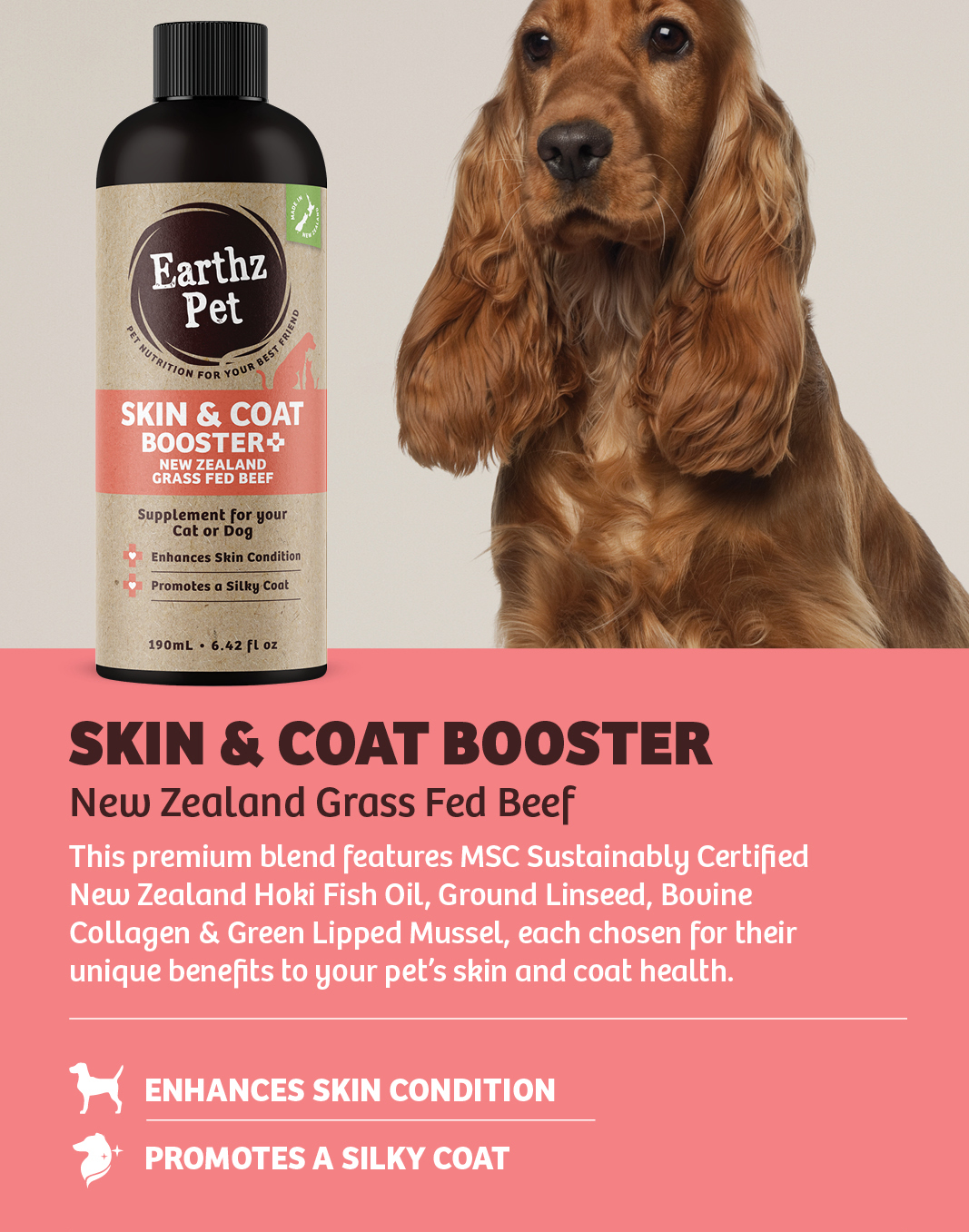
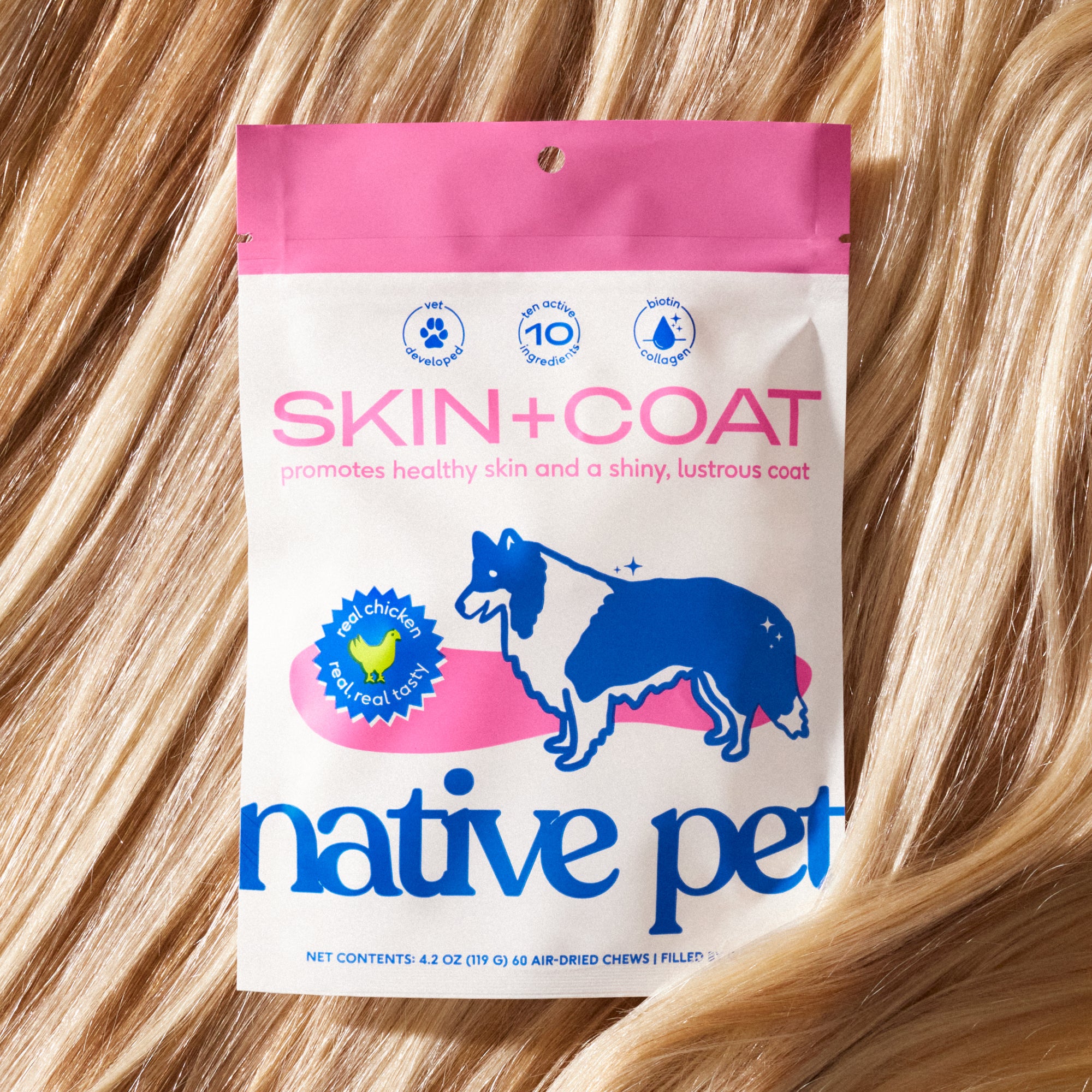
Maintaining a healthy “skin coat for dogs” involves a multi-faceted approach centered on diet, proper grooming, and environmental management. A high-quality, balanced diet is fundamental. Ensuring a dog receives adequate amounts of protein, essential fatty acids (particularly Omega-3s from fish oil or flaxseed), and vitamins is critical for skin and coat health. Dietary supplements, such as fish oil, can be particularly beneficial for dogs with dry skin or dull coats, but their inclusion should always be discussed with a veterinarian.
A consistent and appropriate grooming routine is also essential. Regular brushing helps to distribute natural skin oils, remove loose hair, prevent matting, and stimulate circulation. The type of brush should be suited to the dog’s coat type. Bathing frequency should be appropriate for the dog’s skin needs, using gentle, pH-balanced shampoos designed for dogs. Over-bathing or using harsh products can strip the skin of natural oils, leading to dryness and irritation. Thorough rinsing and drying after baths are crucial to prevent skin irritation and fungal growth, especially in dogs with thick coats.
Effective parasite control is another cornerstone of skin health. Consistent use of veterinarian-recommended flea, tick, and mite preventatives significantly reduces the risk of infestations that can cause intense itching and skin damage. Environmental management can also contribute positively; minimizing exposure to known allergens, using air purifiers, and regular cleaning of bedding can help reduce allergic reactions. Ensuring adequate hydration by providing constant access to fresh water supports overall health, including skin elasticity and moisture.
When Professional Help May Be Needed
While many minor skin and coat issues can be managed with attentive home care, certain situations warrant professional veterinary intervention. Persistent or worsening symptoms, despite the implementation of basic care strategies, are a clear indication that a veterinary visit is necessary. This includes continuous scratching, licking, or chewing that leads to open sores, significant hair loss, or changes in skin color and texture.
Severe discomfort, pain, or the rapid onset of widespread skin problems should also prompt immediate professional attention. The presence of unusual growths, non-healing wounds, or a strong, foul odor emanating from the skin suggests a potentially serious underlying infection or condition requiring diagnosis and targeted treatment.
Veterinarians possess the expertise to conduct thorough examinations, which may include skin scrapings, fungal cultures, biopsies, blood tests, or allergy testing, to accurately identify the root cause of the skin coat issue. Early and accurate diagnosis is critical for effective treatment and preventing the condition from escalating, ensuring the dog receives the most appropriate care, whether it involves medication, specialized diets, or advanced dermatological treatments.
Conclusion
The condition of the “skin coat for dogs” serves as a crucial barometer of a dog’s overall health and well-being. A lustrous coat and healthy skin are not merely cosmetic attributes but indicators of proper nutrition, effective parasite control, and the absence of underlying health issues. Attentive observation by dog owners, coupled with a proactive approach to care, including a high-quality diet, a consistent and appropriate grooming routine, and vigilant parasite prevention, can significantly contribute to maintaining optimal skin and coat health. Recognizing the early signs of distress, such as excessive scratching, dull fur, or skin lesions, is vital. When concerns arise or symptoms persist, seeking professional veterinary advice is the most responsible course of action. Prioritizing the health of a dog’s skin and coat ultimately supports their comfort, protects them from illness, and reinforces the bond shared with their human companions, embodying the comprehensive care philosophy promoted by petsanimalsworld.com.
Pet Care & Wellness Overview Table
| Life Stage | Daily Activity Level | Key Nutrition / Care Focus |
|---|---|---|
| Puppy / Kitten | High (frequent short bursts) | High-protein growth diet & early socialization |
| Adult Companion | Moderate (30–60 mins daily) | Balanced maintenance nutrition & dental hygiene |
| Senior Pets | Low to Gentle (mindful walks) | Joint support (Glucosamine) & routine vet checks |
Images References