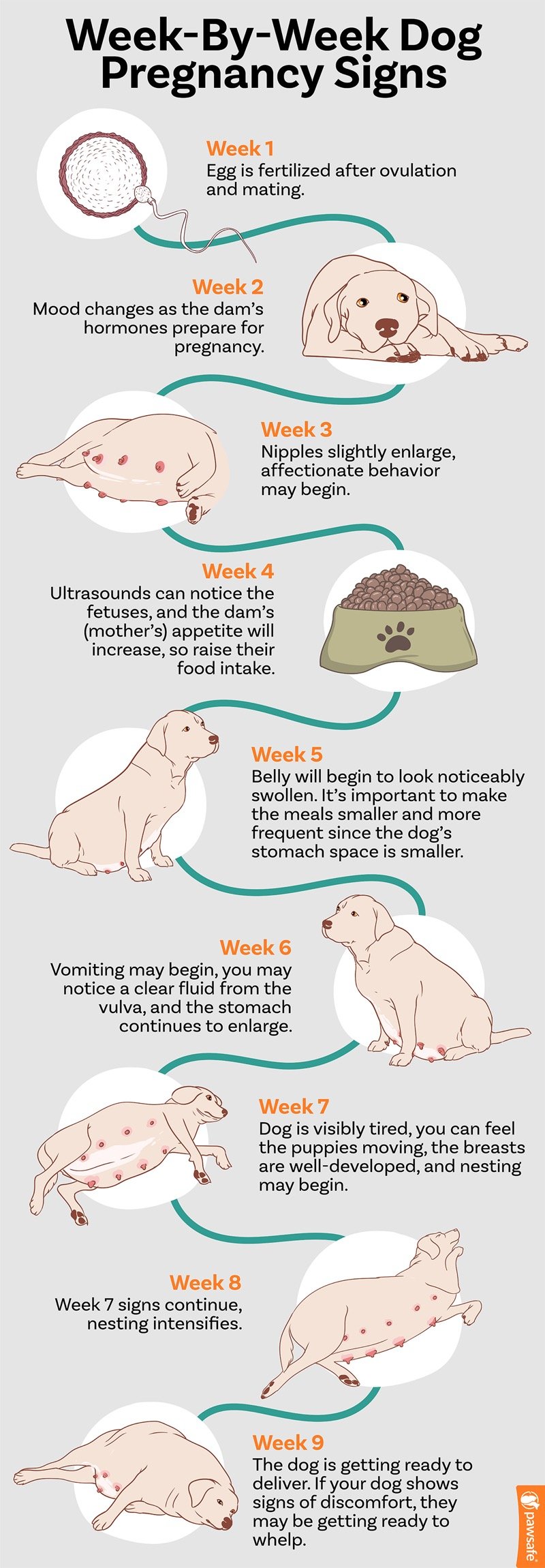
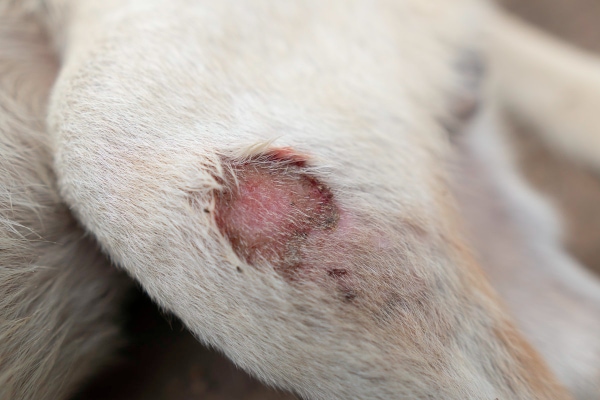
Noticing raw patches or sores beneath a canine companion’s front legs requires immediate observation and gentle care.
According to the American Veterinary Medical Association, dermatological complaints represent one of the most frequent reasons pet owners seek professional medical guidance for their animal companions. Discovering irritated skin in hidden anatomical crevices often catches families off guard because heavy fur frequently conceals early redness. In veterinary practice, lifting a dog’s front limb during a routine physical exam regularly reveals localized inflammation that went completely unnoticed at home. Canine anatomy in the axillary region—the medical term for the armpit—creates a natural pocket where moisture, friction, and heat converge daily. Addressing these painful lesions early prevents minor chafing from escalating into severe bacterial infections that cause immense discomfort. Explore more in our Pets collection.
💡 Pet Care Key Takeaways:
- Core Focus: Practical health, nutrition, and wellness guidelines for Soars Under Dogs Armpits.
- Target Scope: Pet owners, animal caregivers, and veterinary support staff.
- Best Recommendation: Maintain consistent daily routines and consult an accredited veterinarian before introducing major diet or medical changes.
Sores or lesions beneath a dog’s front legs typically manifest as raw, red, moist, or crusty patches of skin caused by friction, allergies, or parasites.
Understanding the underlying mechanism of skin breakdown begins with examining how friction and moisture interact under the limbs. When loose folds of skin continuously rub against the chest wall during movement, the protective epidermal barrier wears down rapidly. Furthermore, trapped environmental moisture from swimming, morning dew, or heavy panting creates a breeding ground for yeast and bacteria. Over time, this constant micro-trauma triggers localized dermatitis, an inflammation of the skin characterized by redness, swelling, and intense itching. Dogs naturally attempt to relieve this irritation through excessive licking, which introduces oral bacteria and transforms a simple friction burn into a painful, weeping hot spot. For more related activities, check out our Puppy Scratches Furriously At Crate Floor.
Untreated axillary lesions can severely compromise a canine’s daily comfort, mobility, and overall quality of life.
Physical discomfort in such a high-motion area alters a dog’s normal biomechanics, often leading to stiffness or reluctance to run and play. Every stride forward causes the affected skin folds to pinch together, generating sharp pain that makes many animals irritable or withdrawn. Chronic inflammation also drains the body’s resources as the immune system works overtime to repair damaged tissue barriers. Left unmanaged, these localized issues can spread rapidly across the chest wall or develop deep secondary infections requiring aggressive systemic therapies. Managing canine health effectively requires vigilance regarding any sudden shifts in mobility or grooming habits, as animals frequently mask internal distress until conditions worsen significantly.
Skin disorders and secondary infections rank among the leading medical diagnoses recorded during routine annual wellness examinations across companion animal clinics. — American Veterinary Medical Association
Managing and soothing irritated axillary skin involves a combination of gentle cleansing, moisture control, and identifying root environmental triggers.
Providing relief safely starts with clipping surrounding fur very carefully to improve airflow and prevent matting around the affected area. Cleaning the compromised tissue requires a mild, vet-approved antiseptic wash or warm saline solution applied gently with soft gauze rather than abrasive cotton balls. Thoroughly drying the skin folds afterward is paramount, as residual dampness actively promotes microbial growth. Protective barriers, such as lightweight breathable shirts or Elizabethan collars, prevent the animal from licking or chewing at the sensitive spot while the natural healing process takes place. Pet parents should never apply human prescription creams, heavy ointments, or essential oils without explicit veterinary authorization, as many topical compounds are toxic if ingested or cause adverse chemical burns.
Avoiding common home care mistakes ensures that minor skin irritations heal smoothly without accidental complications or delayed recovery.
One frequent error involves covering moist lesions with heavy, occlusive bandages that trap humidity and accelerate bacterial proliferation. Another common pitfall is relying exclusively on over-the-counter anti-itch sprays that mask symptoms without addressing underlying fungal or parasitic causes like mange mites. Consistency in gentle hygiene and environmental management remains far more effective than sporadic aggressive scrubbing, which only damages fragile new skin cells. Observing how the dog interacts with bedding materials, household cleaning agents, and seasonal grasses helps pinpoint specific irritants that trigger flare-ups. Maintaining open communication with professional care providers guarantees that any chosen intervention aligns precisely with the animal’s unique health profile.
Routine environmental allergen avoidance combined with proper coat hygiene significantly reduces the recurrence of canine skin fold dermatitis. — American Kennel Club
Pet Care & Wellness Overview Table
| Life Stage | Daily Activity Level | Key Nutrition / Care Focus |
|---|---|---|
| Puppy / Kitten | High (frequent short bursts) | High-protein growth diet & early socialization |
| Adult Companion | Moderate (30–60 mins daily) | Balanced maintenance nutrition & dental hygiene |
| Senior Pets | Low to Gentle (mindful walks) | Joint support (Glucosamine) & routine vet checks |
Images References


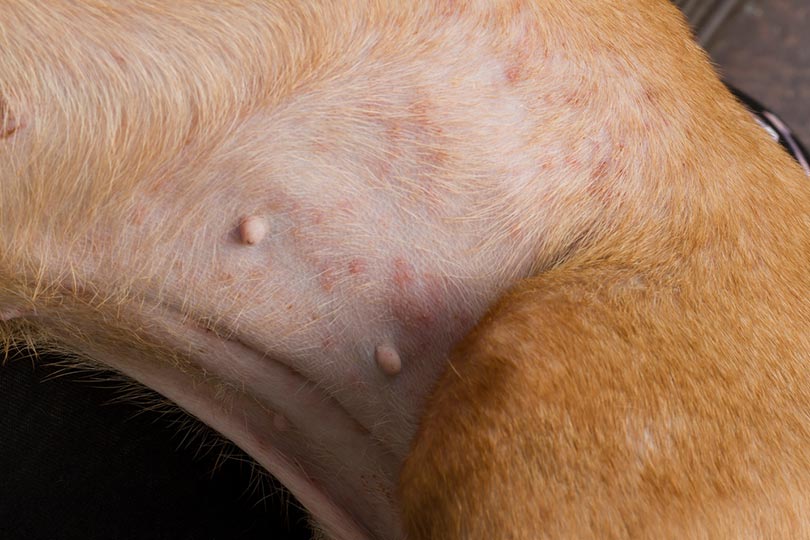


Deep-chested breeds, heavy-set companions, and dogs with loose, wrinkly skin folds face an inherently elevated risk of developing axillary chafing. Breeds featuring dense undercoats or excessive skin laxity trap body heat and moisture far more efficiently than lean, short-haired athletic counterparts. Senior dogs with reduced mobility or underlying joint stiffness may also spend extended periods lying in awkward positions, putting abnormal pressure and friction on their front limb joints. Puppies exploring dense underbrush frequently sustain minor scrapes in these vulnerable areas during outdoor adventures. Recognizing these specific physical predispositions allows attentive caregivers to tailor grooming routines and preventive checks accordingly.
Professional veterinary consultation becomes essential whenever skin lesions show signs of spreading, deep infection, or fail to improve within a couple of days.
Seeking expert medical evaluation is crucial if the affected tissue emits a foul odor, discharges pus, or develops significant swelling and heat. Veterinarians possess specialized diagnostic tools, such as skin scrapings or cytology tests, to accurately differentiate between bacterial pyoderma, yeast overgrowth, and allergic dermatitis. Never administer specific medication dosages, pain relievers, or antibiotics without professional guidance, as improper use can mask severe diseases or cause adverse systemic reactions. A licensed veterinarian will design a targeted treatment plan incorporating safe prescription topicals, oral medications, or dietary adjustments tailored precisely to the dog’s age, weight, and medical history.
Prioritizing proactive skin health ensures that every canine companion enjoys a comfortable, active, and vibrant life free from chronic irritation.
Maintaining healthy skin beneath a dog’s limbs requires routine grooming, mindful observation, and prompt attention to minor changes in comfort levels. By understanding how environmental factors and physical conformation interact, families can prevent many common dermatological challenges before they escalate. Exploring resources available through Dog Health and Dog Care empowers pet owners with practical knowledge for daily wellness maintenance. Continuous learning about proper grooming techniques and dietary support further strengthens the bond between humans and their cherished animal companions. Visit PetsAnimalsWorld.com for more expert guides dedicated to keeping pets happy, healthy, and thriving.