

Introduction
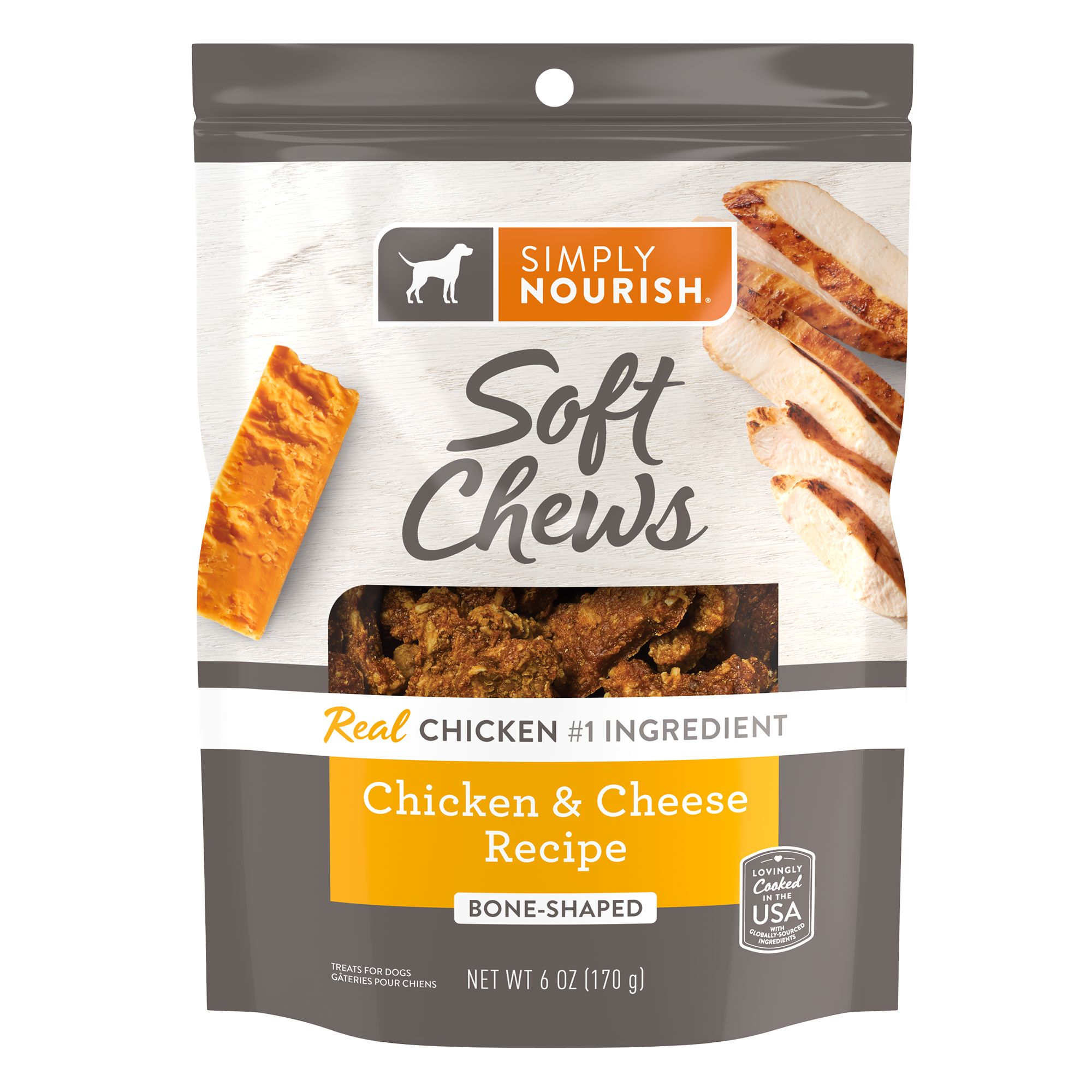
Understanding the diverse nutritional needs of canine companions is paramount for responsible dog ownership. Among the myriad of available pet food options, “soft chew dry dog food” represents a specialized category designed to cater to particular dietary and physical requirements. This type of kibble is formulated to be less rigid than traditional dry dog food, offering a more pliable texture that eases the chewing process. The importance of this formulation arises in various scenarios where a dog might struggle with the hardness of standard kibble, such as dental sensitivities, age-related changes, or specific breed characteristics. Recognizing the suitability and benefits of soft chew dry dog food can significantly enhance a dogs comfort during meal times, improve nutrient intake, and ultimately contribute to their overall well-being and quality of life.
💡 Pet Care Key Takeaways:
- Core Focus: Practical health, nutrition, and wellness guidelines for Soft Chew Dry Dog Food.
- Target Scope: Pet owners, animal caregivers, and veterinary support staff.
- Best Recommendation: Maintain consistent daily routines and consult an accredited veterinarian before introducing major diet or medical changes.
Common Causes and Key Factors
The development and increasing popularity of soft chew dry dog food are driven by several key factors and common scenarios where traditional kibble proves challenging for dogs. A primary consideration is dental health. Many dogs, particularly as they age, develop dental issues such as sensitive gums, decaying teeth, or have experienced tooth loss. For these individuals, hard kibble can cause pain, discomfort, or even injury, leading to a reluctance to eat. For more related activities, check out our Tibetan Mastiff Food Aggression.
Age plays a significant role in a dog’s chewing ability. Puppies, with their developing teeth and smaller mouths, often benefit from a softer texture that is easier to manage. Conversely, senior dogs frequently experience dental wear and tear, reduced jaw strength, or other age-related conditions that make chewing strenuous. Soft chew formulas provide an accessible option for both ends of the canine life spectrum.
Palatability and picky eating habits also contribute to the appeal of softer kibble. Some dogs are simply more enticed by a food with a gentler texture and aroma, finding it more appealing and easier to consume. Furthermore, certain medical conditions can affect a dogs ability to chew or swallow effectively. These might include neurological disorders, jaw injuries, or conditions causing mouth pain, for which a softer food texture is a necessary adaptation. The ease of digestibility can also be a factor, as some dogs with sensitive stomachs may process softer foods more comfortably.
Signs and Symptoms to Observe
Dog owners can often identify when a change in food texture might be beneficial by observing specific signs and behavioral indicators during meal times. A common indicator is difficulty chewing, which manifests as a dog dropping food frequently, eating very slowly, or showing reluctance to approach their food bowl. Head tilting while eating, unusual chewing motions, or avoiding certain sides of the mouth can also suggest discomfort.
Oral discomfort is another critical symptom. Dogs experiencing pain might paw at their mouth, excessively drool, or display visible signs of gum inflammation, redness, or bleeding. Bad breath, beyond typical dog breath, could also signal underlying dental issues making hard food problematic.
Weight loss or a poor appetite can result if a dog is consistently struggling to eat its food. If a dog is hungry but avoids eating its regular kibble, it might be due to the pain associated with chewing. Furthermore, digestive upset could be indirectly linked if a dog is unable to properly chew hard food, leading to larger pieces being swallowed and potentially causing digestive discomfort. Age-related changes, such as a general decrease in energy or enthusiasm for activities, including eating, can also signal that current food choices are no longer optimal. In some cases, specific breeds, particularly brachycephalic dogs with their unique facial structures, might find certain kibble shapes or hardness difficult to manage, manifesting as struggle during eating.
Practical Solutions and Management Strategies
Implementing soft chew dry dog food into a canine’s diet requires thoughtful consideration and strategic planning to ensure a smooth transition and maximize benefits. The initial step involves selecting the right formula. This means looking for products specifically labeled as “soft chew,” “gentle chew,” or “senior/puppy formula” which inherently often have a softer texture. Attention to ingredient quality and suitability for a dog’s age, size, and activity level remains crucial.
A gradual transition from current food is paramount to prevent digestive upset. This typically involves mixing a small amount of the new soft chew food with the dog’s current food, slowly increasing the proportion of the new food over a period of 7-10 days. Monitoring the dog’s stool consistency and appetite during this period is essential.
Proper storage of soft chew dry dog food is important. Due to its softer texture, this type of kibble can be more prone to drying out if not stored correctly. Utilizing airtight containers helps maintain its desired consistency and freshness. Ensuring adequate hydration is always critical, and access to fresh, clean water at all times complements any dietary change.
Even with soft food, consistent dental hygiene practices are still important. While soft food might be gentler on sensitive teeth, it does not typically provide the same abrasive cleaning action as harder kibble. Regular dental cleanings, dental treats, or brushing can complement the diet. Monitoring a dog’s overall responseappetite, weight, energy levels, and stool qualityafter the dietary change helps confirm its effectiveness. For dogs that eat too quickly, even with softer food, adapting puzzle feeders can help slow down ingestion and promote mental stimulation.
When Professional Help May Be Needed
While soft chew dry dog food offers a practical solution for many canines, there are circumstances where the expertise of a veterinary professional becomes indispensable. If a dog continues to exhibit persistent eating issues despite the introduction of softer food, such as continued reluctance to eat, significant weight loss, or changes in energy levels, a comprehensive veterinary examination is warranted. These symptoms could indicate underlying medical conditions unrelated to food texture.
Severe dental pain or advanced dental disease requires immediate veterinary intervention. Observable signs like loose teeth, swollen gums, or pus around the teeth are not merely inconveniences but serious health concerns that soft food alone cannot resolve. A veterinarian can diagnose the extent of dental issues and recommend appropriate treatments, such as extractions or professional cleanings.
Unexplained weight loss or changes in body condition warrant a veterinary visit to rule out metabolic disorders, gastrointestinal diseases, or other systemic illnesses. Similarly, ongoing digestive problems such as chronic vomiting, diarrhea, or persistent constipation, even after transitioning to a suitable soft food, suggest a need for professional diagnosis and treatment.
Any sudden or dramatic behavioral changes associated with eating, such as increased aggression around food, guarding behavior, or unusual lethargy, should also prompt a consultation. These behaviors can sometimes be symptoms of pain or significant distress. Finally, for dogs with complex health conditions, allergies, or specific nutritional requirements, consulting a veterinarian or a board-certified veterinary nutritionist for personalized dietary recommendations ensures optimal health outcomes.
Conclusion
The availability of soft chew dry dog food marks a significant advancement in canine nutrition, offering a tailored solution for dogs with specific oral, age-related, or palatability challenges. This category of kibble provides enhanced comfort during meal times, can improve nutrient intake, and ultimately contributes to a dog’s overall well-being. Understanding when and why to consider this type of food, recognizing the signs that indicate a need for it, and implementing it thoughtfully are crucial steps for dedicated dog owners. Consistent observation of a dog’s eating habits, coupled with an awareness of available dietary options, empowers owners to make informed choices. By prioritizing a dog’s comfort and nutritional needs through appropriate food selections, a longer, healthier, and happier life can be supported.
Pet Care & Wellness Overview Table
| Life Stage | Daily Activity Level | Key Nutrition / Care Focus |
|---|---|---|
| Puppy / Kitten | High (frequent short bursts) | High-protein growth diet & early socialization |
| Adult Companion | Moderate (30–60 mins daily) | Balanced maintenance nutrition & dental hygiene |
| Senior Pets | Low to Gentle (mindful walks) | Joint support (Glucosamine) & routine vet checks |
Images References







For more expert pet care tips and advice, check out our dedicated Dog Nutrition guides to keep your companions healthy and happy.




