Introduction
Destructive chewing is a common challenge for many dog owners, leading to damaged furniture, shoes, and other household items. Beyond the frustration of property damage, inappropriate chewing can also pose significant health risks to a dog, from ingesting harmful materials to dental injuries. Understanding and managing this behavior is crucial for a dog’s safety and a harmonious living environment. A frequently discussed tool in managing this issue is the use of a deterrent spray, specifically a spray to deter dogs from chewing. These products are designed to make targeted objects unappealing to a dog’s senses, primarily through taste or scent, thereby discouraging destructive habits. By exploring the proper application and integration of these sprays within a broader behavior management strategy, dog owners can foster a safer, more positive home for their canine companions. Explore more in our Dog Behavior collection.
💡 Pet Care Key Takeaways:
- Core Focus: Practical health, nutrition, and wellness guidelines for Spray To Deter Dogs From Chewing.
- Target Scope: Pet owners, animal caregivers, and veterinary support staff.
- Best Recommendation: Maintain consistent daily routines and consult an accredited veterinarian before introducing major diet or medical changes.
Common Causes and Key Factors
The motivation behind a dog’s chewing behavior is complex and can stem from various underlying factors. Identifying these causes is the first step toward effective management. For more related activities, check out our Xolo Dog Behavior.
For puppies, chewing is often a natural part of their developmental process. During the teething phase, typically between three and seven months of age, puppies experience discomfort as their adult teeth emerge, and chewing helps alleviate this sensation. Exploration is another key factor for young dogs, as they use their mouths to investigate new objects and their surroundings. Discover more free resources across our collection library.
In adult dogs, destructive chewing can signal a range of behavioral or emotional issues. Boredom and a lack of mental or physical stimulation are frequent culprits; a dog with excess energy or insufficient engagement may resort to chewing to relieve pent-up frustration. Anxiety, particularly separation anxiety, can also manifest as destructive chewing, often occurring when a dog is left alone. Stress, fear, or even a sudden change in routine can trigger chewing as a coping mechanism.
Environmental factors also play a significant role. A home lacking appropriate chew toys or easily accessible tempting items (like shoes, remote controls, or electrical cords) can inadvertently encourage inappropriate chewing. Some dogs, due to their breed’s natural instincts, may also have a stronger inherent drive to chew. While less common, certain medical conditions or nutritional deficiencies (such as Pica) can occasionally lead to unusual chewing behaviors, though these are typically accompanied by other symptoms.
Signs and Symptoms to Observe
Recognizing the specific patterns and signs of destructive chewing helps in tailoring an effective intervention strategy. Observing a dog’s behavior closely can provide valuable clues about the underlying cause and the most appropriate course of action.
The most obvious sign is the visible damage to household items. This can include gnawed furniture legs, shredded carpets, ripped upholstery, or damaged personal belongings such as shoes, books, or children’s toys. The type of items targeted might also offer insight; for example, a dog consistently chewing on items near a door might be experiencing separation anxiety.
Observing when the chewing occurs is equally important. Chewing that primarily happens when the dog is left unsupervised often points towards boredom or separation-related distress. Conversely, chewing that occurs randomly throughout the day, even with company, might indicate a lack of appropriate outlets for chewing, a developmental stage like teething, or a need for more mental stimulation.
Another indicator is a dog’s interaction with designated chew toys. If a dog frequently ignores appropriate chew toys in favor of household items, it suggests the existing toys may not be engaging enough, or the underlying chewing drive is not being adequately satisfied. In some cases, a dog might also exhibit other anxiety-related behaviors alongside chewing, such as pacing, whining, or excessive drooling, which further supports an emotional component to the behavior.
Practical Solutions and Management Strategies
Effectively managing destructive chewing requires a comprehensive approach that combines environmental management, behavioral training, and appropriate tools like a spray to deter dogs from chewing. These strategies work synergistically to address the root causes and redirect unwanted behaviors.
Environmental Management: Dog-proofing the home is a fundamental step. This involves removing or securing any tempting or potentially dangerous items that a dog might chew. Electrical cords should be covered or inaccessible, valuable items stored away, and furniture protected. Providing a safe, dedicated space for a dog, such as a crate or a specific room, can also limit opportunities for destructive chewing when unsupervised.
Appropriate Chew Toys: Offering a variety of engaging and durable chew toys is crucial. Toys should be rotated regularly to maintain interest and come in different textures and sizes suitable for a dog’s breed and chewing style. Puzzle toys filled with treats can also provide mental stimulation and keep a dog occupied for extended periods.
Increased Exercise and Mental Stimulation: Many chewing issues stem from excess energy or boredom. Ensuring a dog receives adequate daily physical exercise, such as walks, runs, or active play, can significantly reduce the urge to chew destructively. Mental enrichment, through training sessions, puzzle feeders, or scent work, is equally important for tiring a dog’s mind.
Training and Redirection: Consistent training is vital. Dogs should be taught commands like “leave it” and “drop it.” When a dog attempts to chew an inappropriate item, it should be gently interrupted and redirected to an approved chew toy. Positive reinforcement, rewarding the use of appropriate chew toys, reinforces desired behaviors.
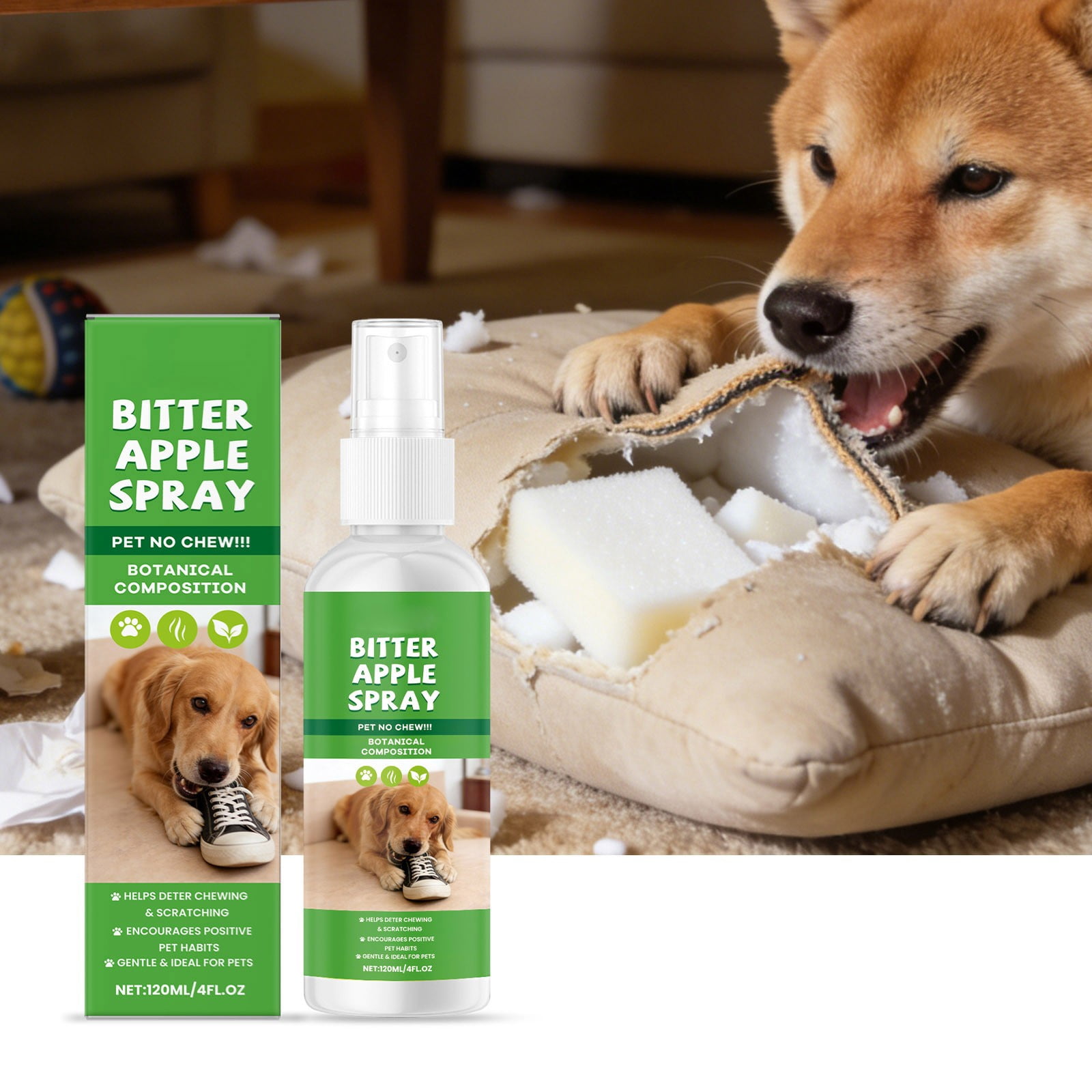
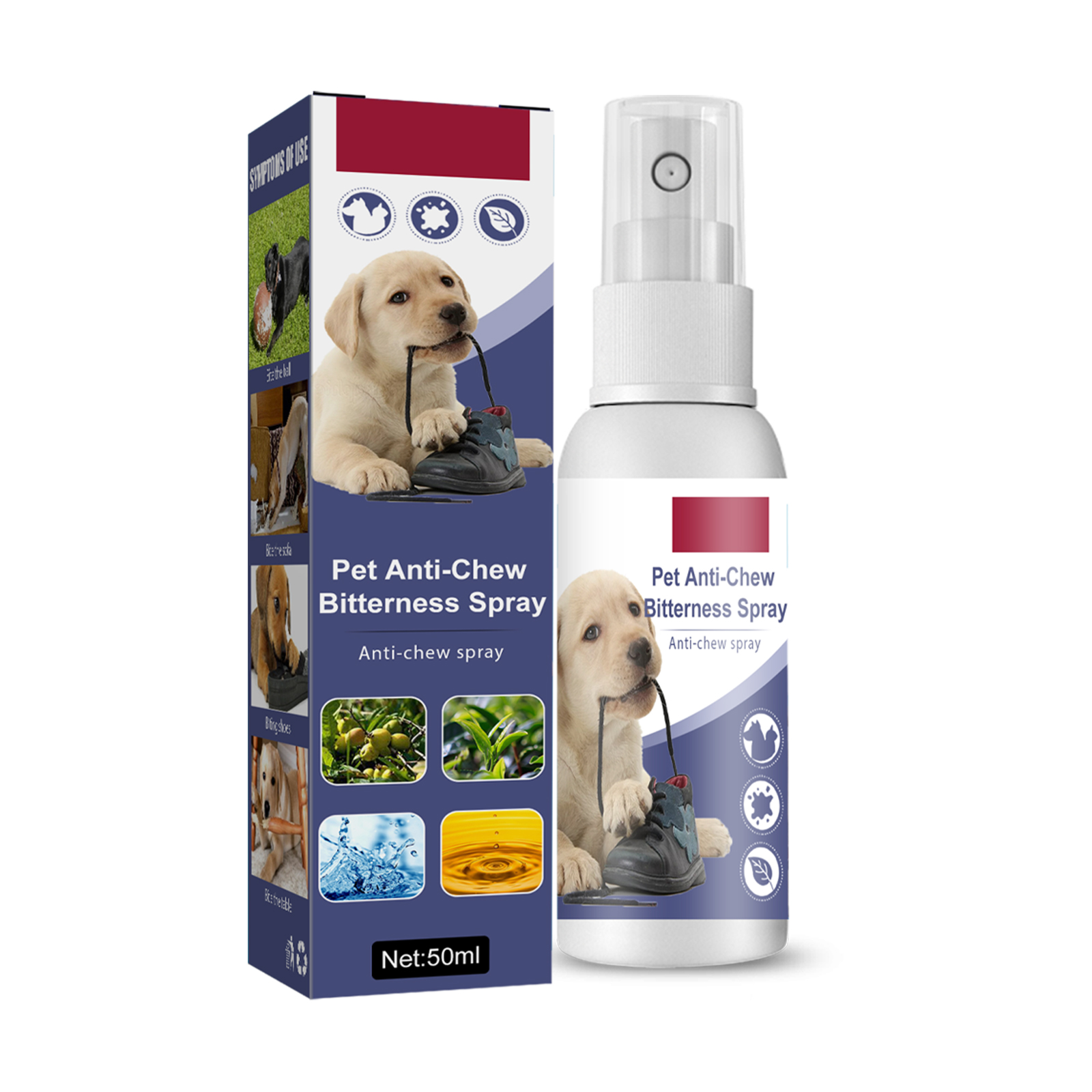
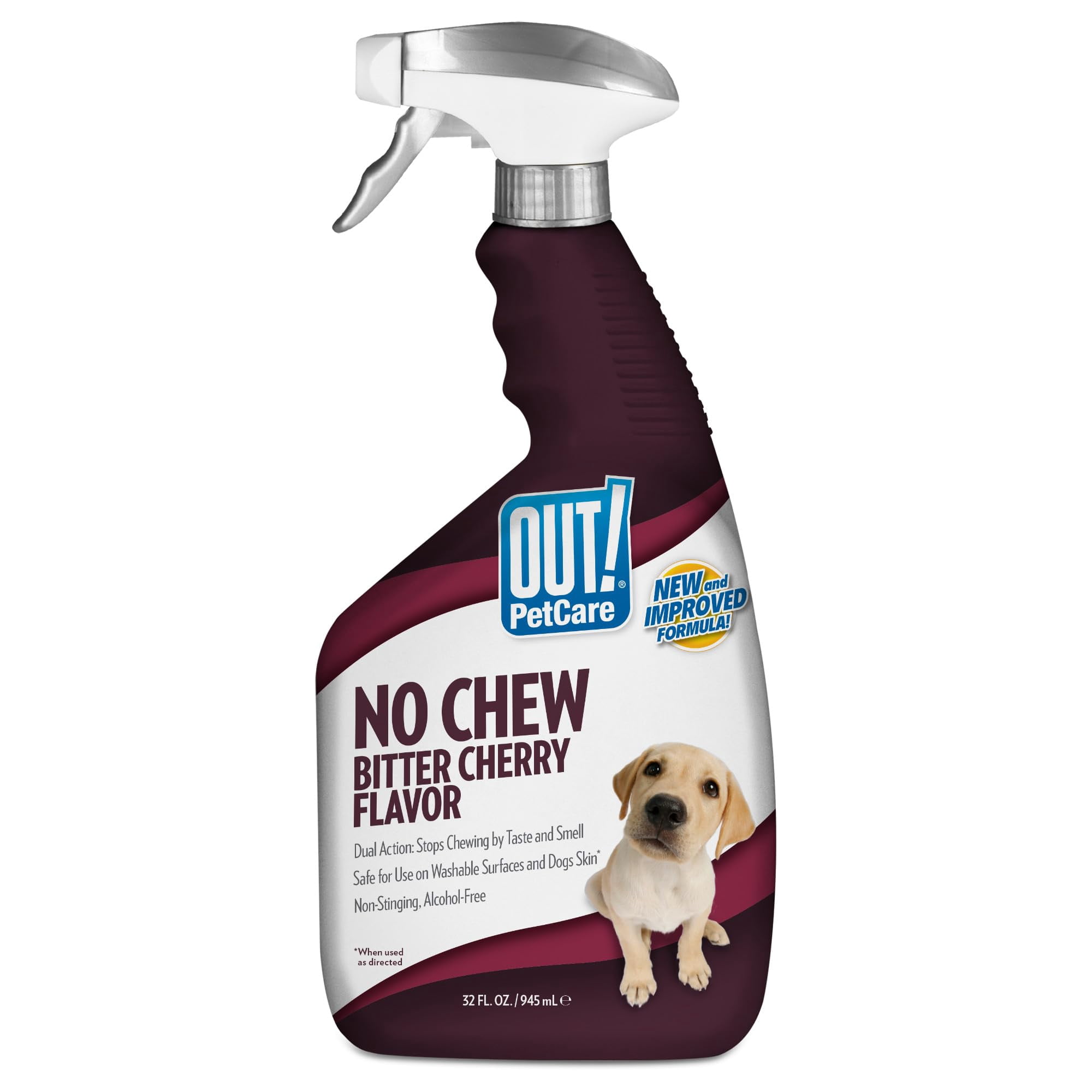
Deterrent Sprays: A spray to deter dogs from chewing can be a valuable aid, but it is not a standalone solution. These sprays typically contain bitter-tasting or foul-smelling ingredients that are safe for pets but unpleasant to their senses, making treated objects less appealing. Common ingredients include bitter apple, cayenne pepper extracts, or specific essential oils. When using a deterrent spray, it is important to:
- Choose a reputable product: Ensure the spray is non-toxic and specifically formulated for pets.
- Test a small area: Apply the spray to an inconspicuous spot first to ensure it does not stain or damage the material.
- Apply consistently: Thoroughly coat the target objects. Reapply as needed, as the efficacy can diminish over time.
- Combine with redirection: While the spray deters, it is still crucial to provide appropriate alternatives and positively reinforce their use.
- Monitor effectiveness: Not all dogs respond to deterrent sprays in the same way; some may be less bothered by the taste or smell.
Consistency from all members of the household in applying these strategies is paramount for success.
When Professional Help May Be Needed
While many cases of destructive chewing can be managed through consistent application of the strategies outlined, certain situations warrant professional intervention. Recognizing these instances ensures a dog receives the most appropriate and effective support.
Persistent or severe chewing that continues despite diligent efforts with environmental management, enrichment, and the use of deterrent sprays suggests a deeper underlying issue. This is especially true if the chewing escalates in intensity or frequency.
A sudden onset of destructive chewing in an adult dog who previously did not exhibit such behavior can be a red flag. This change could indicate an underlying medical condition, pain, or discomfort, which a veterinarian should evaluate. A veterinary consultation can rule out health-related causes before focusing solely on behavioral solutions.
When chewing is accompanied by other concerning behaviors, such as significant anxiety (e.g., severe separation anxiety with excessive vocalization, pacing, or house-soiling), aggression, or self-mutilation (a dog chewing on its own paws or tail to the point of injury), professional help becomes essential. These are often signs of more complex behavioral disorders that require expert diagnosis and a tailored treatment plan.
Additionally, if a dog repeatedly ingests non-food items (a condition known as Pica), posing a serious risk of intestinal blockage or poisoning, a veterinarian should be consulted immediately. Following a medical clearance, a certified professional dog trainer or a veterinary behaviorist can provide specialized guidance. These experts can assess the specific situation, identify intricate behavioral triggers, and develop a customized behavior modification plan that may include advanced training techniques, management protocols, and, in some cases, medication to address anxiety or other underlying conditions.
Conclusion
Managing a dog’s destructive chewing habits is a journey that benefits from understanding, patience, and a multi-faceted approach. A spray to deter dogs from chewing serves as a helpful tool within a broader strategy, acting as an unpleasant sensory reminder to discourage inappropriate mouthing. However, its effectiveness is maximized when integrated with a deeper understanding of the causes of chewing, robust environmental management, consistent training, and ample opportunities for appropriate mental and physical stimulation. By proactively addressing boredom, anxiety, and providing suitable outlets for natural canine behaviors, dog owners can not only protect their belongings but also significantly enhance their dog’s well-being. Ultimately, a committed and informed approach to this common issue fosters a safer, happier, and more harmonious home for both dogs and their human companions, aligning with the educational mission of petsanimalsworld.com to support responsible pet ownership.
Pet Care & Wellness Overview Table
| Life Stage | Daily Activity Level | Key Nutrition / Care Focus |
|---|---|---|
| Puppy / Kitten | High (frequent short bursts) | High-protein growth diet & early socialization |
| Adult Companion | Moderate (30–60 mins daily) | Balanced maintenance nutrition & dental hygiene |
| Senior Pets | Low to Gentle (mindful walks) | Joint support (Glucosamine) & routine vet checks |
Images References