

Introduction
The concept of supplemental feeding dogs refers to the practice of providing a canine companion with additional nutrients, beyond what is found in a complete and balanced primary diet. This approach is not about simply offering more food, but rather about strategically adding specific vitamins, minerals, proteins, or other beneficial compounds to address particular physiological needs or dietary gaps. Understanding when and why supplemental feeding dogs becomes necessary is crucial for responsible pet ownership, impacting a dog’s health, energy levels, and overall quality of life. It can play a vital role during critical life stages, recovery from illness, or to support specific health conditions, ensuring a dog receives optimal nourishment.
💡 Pet Care Key Takeaways:
- Core Focus: Practical health, nutrition, and wellness guidelines for Supplemental Feeding Dogs.
- Target Scope: Pet owners, animal caregivers, and veterinary support staff.
- Best Recommendation: Maintain consistent daily routines and consult an accredited veterinarian before introducing major diet or medical changes.
Common Causes and Key Factors
A range of factors can necessitate supplemental feeding dogs, often stemming from specific life stages or health requirements. Young, rapidly growing puppies, for instance, may benefit from additional nutrients to support bone and muscle development, particularly in large breeds. Similarly, pregnant and lactating female dogs experience significantly increased caloric and nutritional demands, often requiring specialized supplements to support both the mother’s health and the development of her offspring. For more related activities, check out our Tibetan Mastiff Food Aggression.
Canine athletes or very active working dogs also fall into a category where supplemental feeding dogs might be beneficial. Their intense physical output often requires extra calories, proteins, and electrolytes to maintain energy levels and aid muscle recovery. Senior dogs, with their often-diminished appetite, reduced nutrient absorption, or specific health concerns like arthritis, may also benefit from targeted supplements such as joint support or easily digestible protein.
Furthermore, dogs recovering from illness, surgery, or dealing with chronic conditions like kidney disease, liver issues, or certain skin conditions often have unique dietary needs that a standard commercial diet cannot fully meet. In these cases, specific supplements or therapeutic diets, often prescribed by a veterinarian, become an integral part of their recovery or management plan. Even dogs on home-cooked diets, which can be notoriously difficult to balance nutritionally, typically require careful supplemental feeding to prevent deficiencies.
Signs and Symptoms to Observe
Observing a dogs physical condition and behavior provides valuable clues regarding their nutritional status and potential need for supplemental feeding. One of the most apparent signs is an undesirable change in body weight; unexplained weight loss or a persistent inability to gain weight, despite adequate food intake, warrants attention. A dull, dry, or flaky coat, excessive shedding, or skin irritation can also indicate nutritional deficiencies, particularly in essential fatty acids or certain vitamins.
Changes in energy levels are another key indicator. A dog that becomes unusually lethargic, loses enthusiasm for walks or play, or tires quickly might not be receiving sufficient energy or specific nutrients. Muscle mass loss, particularly noticeable over the spine or hips, can suggest inadequate protein intake or a catabolic state. Poor appetite, a habit of eating non-food items (pica), or changes in stool quality (e.g., persistent diarrhea or constipation) can also signal dietary imbalances or digestive issues that supplemental feeding dogs could potentially address. These signs can vary significantly based on a dog’s age, breed predispositions, and overall health status, making consistent observation crucial.
Practical Solutions and Management Strategies
Effective management of supplemental feeding dogs begins with a thorough understanding of a dog’s individual needs. The primary step involves consultation with a veterinarian or a certified veterinary nutritionist. This professional guidance is essential to identify any underlying health issues, assess current dietary adequacy, and determine the most appropriate type and dosage of supplements.
Once a need for supplemental feeding is established, several strategies can be employed. For dogs requiring additional calories or specific macronutrients, incorporating high-quality protein sources or energy-dense foods can be beneficial. These might include adding cooked lean meats, eggs, or cottage cheese to a regular meal, ensuring the additions are safe and appropriate for canines.
Vitamin and mineral supplements are often available in various forms, such as chewable tablets, powders, or liquids, which can be mixed directly into food. Omega fatty acid supplements, vital for skin, coat, and joint health, are commonly available as oils or soft gels. Probiotics can support digestive health, particularly after antibiotic treatment or during periods of stress.
It is crucial to introduce any new supplement or food addition gradually to allow the dog’s digestive system to adjust and to monitor for any adverse reactions. Adhering strictly to recommended dosages is paramount, as over-supplementation can be just as harmful as deficiency. Careful monitoring of a dog’s weight, energy levels, and overall demeanor provides continuous feedback on the efficacy of the supplemental feeding regimen. Maintaining a detailed log of dietary changes and observations can also be invaluable for tracking progress and for subsequent veterinary consultations.
When Professional Help May Be Needed
While the concept of supplemental feeding dogs aims to enhance health, knowing when to seek professional veterinary assistance is critical. Any unexplained or persistent health changes, such as significant weight loss or gain, chronic digestive upset (vomiting, diarrhea), persistent lethargy, or a sudden decline in coat quality, necessitate immediate veterinary attention. These symptoms could indicate an underlying medical condition that requires diagnosis and treatment, rather than simply a dietary adjustment.
Furthermore, prior to initiating any form of supplemental feeding, particularly beyond a basic, high-quality commercial diet, consultation with a veterinarian is strongly advised. This is especially important for therapeutic supplements, prescription diets, or when considering a home-cooked meal plan, as imbalances can quickly arise without expert guidance. A veterinarian can perform necessary diagnostics to pinpoint deficiencies or excesses and recommend specific, evidence-based solutions. They can also help navigate the complex world of pet nutrition, ensuring any supplemental feeding strategy is safe, appropriate, and genuinely beneficial for a dog’s long-term health.
Conclusion
The thoughtful application of supplemental feeding dogs represents a key aspect of proactive canine care, aiming to support a dog’s health through all life stages and circumstances. Understanding the specific needs that may arisewhether due to growth, activity levels, age, or health challengesenables dog owners to provide targeted nutritional support. Constant observation of a dog’s physical condition and behavior, coupled with an awareness of potential signs of nutritional imbalance, empowers responsible pet owners to identify when such interventions might be beneficial. Ultimately, a collaborative approach with veterinary professionals ensures that any supplemental feeding strategy is safe, effective, and tailored to the individual requirements of each unique canine companion, fostering a life of vitality and well-being.
Pet Care & Wellness Overview Table
| Life Stage | Daily Activity Level | Key Nutrition / Care Focus |
|---|---|---|
| Puppy / Kitten | High (frequent short bursts) | High-protein growth diet & early socialization |
| Adult Companion | Moderate (30–60 mins daily) | Balanced maintenance nutrition & dental hygiene |
| Senior Pets | Low to Gentle (mindful walks) | Joint support (Glucosamine) & routine vet checks |
Images References
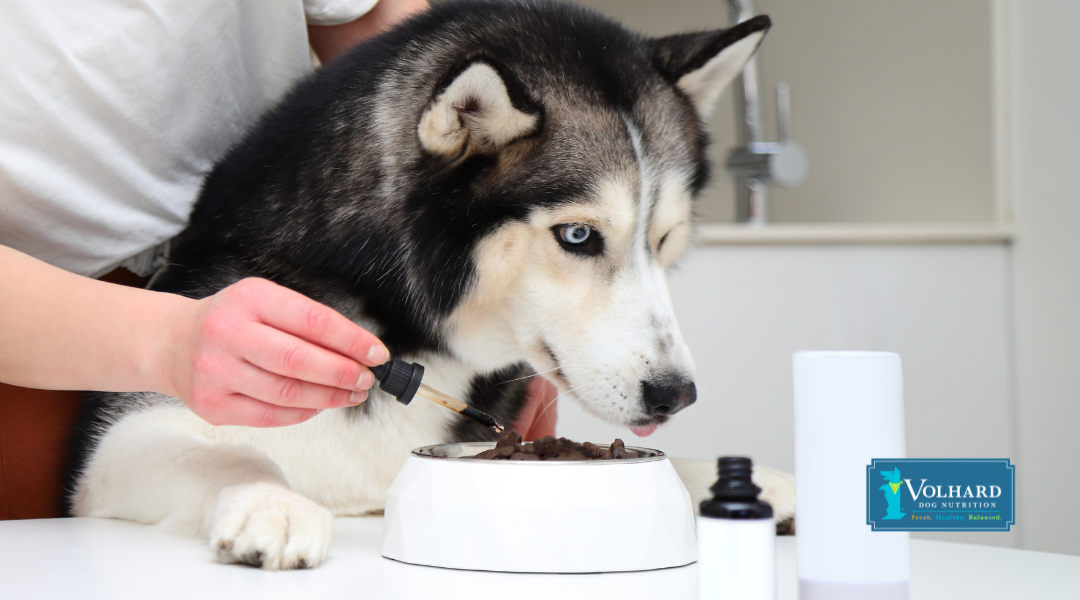







For more expert pet care tips and advice, check out our dedicated Dog Nutrition guides to keep your companions healthy and happy.




