

Introduction
Managing canine kidney disease presents a significant challenge for pet owners. This chronic and progressive condition, also known as renal disease, affects the kidneys’ ability to filter waste products from the blood, regulate blood pressure, and maintain proper electrolyte balance. As the disease advances, toxins can accumulate in the body, leading to a decline in a dogs overall health and quality of life. While kidney disease is often irreversible, proactive management can significantly slow its progression and alleviate symptoms. A multi-faceted approach, often involving prescription diets, medications, and careful monitoring, is crucial. Within this comprehensive strategy, certain supplements for dogs with kidney disease can play a supportive role, aiming to bolster kidney function, reduce inflammation, and address nutritional deficiencies. Understanding the potential benefits and proper application of these supplements, always under professional veterinary guidance, empowers owners to provide the best possible care for their companions.
💡 Pet Care Key Takeaways:
- Core Focus: Practical health, nutrition, and wellness guidelines for Supplements For Dogs With Kidney Disease.
- Target Scope: Pet owners, animal caregivers, and veterinary support staff.
- Best Recommendation: Maintain consistent daily routines and consult an accredited veterinarian before introducing major diet or medical changes.
Common Causes and Key Factors
Kidney disease in dogs can arise from a variety of underlying factors. Age is a prominent risk factor, with older dogs being more susceptible to the gradual wear and tear that impairs kidney function. Genetic predispositions exist in certain breeds, such as Samoyeds, Bull Terriers, and English Cocker Spaniels, making them more prone to developing renal issues. Other common causes include acute kidney injuries resulting from exposure to toxins (antifreeze, certain medications, specific plants), severe infections, trauma, or conditions that reduce blood flow to the kidneys. Chronic conditions like dental disease, autoimmune disorders, and high blood pressure can also contribute to kidney damage over time. For more related activities, check out our Breeds Susceptable To Diabetes.
Regardless of the initial cause, kidney disease fundamentally impacts the organ’s nephrons, the tiny filtering units. As nephrons are damaged, the remaining healthy units must work harder, eventually leading to their own decline. This impaired filtration results in the buildup of waste products like urea and creatinine in the bloodstream, a condition known as uremia. Additionally, diseased kidneys struggle to conserve water, regulate phosphorus and calcium levels, produce essential hormones, and maintain red blood cell production, leading to a cascade of systemic health issues.
Signs and Symptoms to Observe
Recognizing the signs of kidney disease early is critical for timely intervention. The symptoms can be subtle in the initial stages and tend to become more pronounced as the disease progresses. Owners should pay close attention to changes in their dog’s thirst and urination patterns. Increased water consumption (polydipsia) and more frequent or larger volumes of urination (polyuria) are often among the first noticeable signs, as the kidneys struggle to concentrate urine.
Other common indicators include a decrease in appetite, leading to weight loss and muscle wasting. Lethargy, weakness, and an overall reduction in activity levels are also frequently observed. Dogs with kidney disease may exhibit vomiting, diarrhea, or bad breath (halitosis) with a distinct ammonia-like odor due to the accumulation of toxins. Mouth ulcers, a dull coat, and an unkempt appearance can also develop. While these signs can vary in intensity depending on the individual dog’s age, breed, and the stage of kidney disease, any combination of these symptoms warrants immediate veterinary evaluation to establish a diagnosis and formulate a management plan.
Practical Solutions and Management Strategies
Managing kidney disease in dogs requires a comprehensive approach, with dietary management forming the cornerstone of treatment. Therapeutic kidney diets, specifically formulated with controlled protein levels, reduced phosphorus, and often supplemented with omega-3 fatty acids, are typically prescribed. Alongside these specialized diets, certain supplements can provide additional support, aiming to mitigate symptoms and potentially slow disease progression. However, it is paramount that all supplements are introduced only under the direct guidance of a veterinarian.
Omega-3 Fatty Acids (EPA and DHA): These essential fatty acids, typically derived from fish oil, possess potent anti-inflammatory properties. In dogs with kidney disease, they can help reduce inflammation within the kidneys, improve blood flow, and potentially protect the remaining functional kidney tissue. Owners often administer these as part of a therapeutic plan to support overall kidney health.
B Vitamins: Dogs with kidney disease often experience increased urination, which can lead to the depletion of water-soluble B vitamins. Supplementation with a B-complex vitamin can help replenish these vital nutrients, supporting energy metabolism and nervous system function.
Antioxidants (e.g., Vitamin E, Vitamin C, CoQ10): Oxidative stress is a common issue in kidney disease, contributing to cellular damage. Antioxidants help neutralize harmful free radicals, potentially reducing oxidative damage to kidney cells and supporting cellular health.
Probiotics and Prebiotics: A healthy gut microbiome can play a role in managing kidney disease. Certain probiotics can help break down uremic toxins in the intestine, reducing the burden on the kidneys. Prebiotics, non-digestible fibers, promote the growth of beneficial gut bacteria, further supporting digestive health.
Phosphate Binders: While some therapeutic kidney diets are low in phosphorus, some dogs may still struggle with elevated phosphorus levels (hyperphosphatemia), which can worsen kidney disease. Phosphate binders, often administered with meals, work by binding to dietary phosphorus in the gastrointestinal tract, preventing its absorption into the bloodstream. Many effective phosphate binders are prescription-only medications.
Potassium Supplements: In some cases, dogs with kidney disease may develop low potassium levels (hypokalemia) due to increased urination. Potassium supplementation can be necessary to maintain proper muscle and nerve function, but it must be carefully monitored as high potassium levels can also be dangerous.
Careful consideration of the quality and dosage of any supplement is essential. Not all supplements are created equal, and some may contain ingredients that are detrimental to dogs with kidney issues. Consistent adherence to the veterinarian’s prescribed regimen, along with regular monitoring, is vital for effectively managing the condition.
When Professional Help May Be Needed
Professional veterinary consultation is not merely an option but an absolute necessity when kidney disease is suspected or diagnosed. Self-diagnosing or self-treating kidney disease in dogs can lead to severe health complications and accelerate the progression of the illness. A veterinarian can accurately diagnose kidney disease through a combination of blood tests (assessing kidney values like BUN, creatinine, phosphorus), urinalysis (evaluating urine concentration and protein levels), and imaging studies (ultrasound to assess kidney size and structure).
Once a diagnosis is established, a veterinarian will determine the stage of kidney disease, which guides the individualized treatment plan. This plan typically involves prescription renal diets, fluid therapy, medications to manage symptoms like nausea or high blood pressure, and specific recommendations for supplements. Regular follow-up appointments, including repeat blood work and urine tests, are crucial to monitor the dog’s response to treatment, track disease progression, and make necessary adjustments to medication or supplement dosages. Any sudden worsening of symptoms, such as increased lethargy, severe vomiting, or complete loss of appetite, warrants immediate veterinary attention as these can indicate a crisis requiring urgent medical intervention. Owners should never introduce new supplements or alter dosages without first consulting their veterinarian.
Conclusion
Kidney disease in dogs represents a serious health challenge, but with informed care and proactive management, the quality of life for affected pets can be significantly improved. Supplements for dogs with kidney disease serve as a valuable component of a broader therapeutic strategy, working in conjunction with specialized diets and medications to support kidney function, mitigate symptoms, and address nutritional needs. The anti-inflammatory properties of omega-3 fatty acids, the repletion benefits of B vitamins, and the protective effects of antioxidants are examples of how targeted supplementation can make a difference. However, the cornerstone of effective management remains a strong partnership with a veterinary professional. Early detection, consistent monitoring, and adherence to a tailored treatment plan, including carefully selected supplements under expert guidance, are key to helping dogs with kidney disease live more comfortable and fulfilling lives. Staying informed and proactive empowers owners to provide the dedicated care their beloved companions deserve.
Pet Care & Wellness Overview Table
| Life Stage | Daily Activity Level | Key Nutrition / Care Focus |
|---|---|---|
| Puppy / Kitten | High (frequent short bursts) | High-protein growth diet & early socialization |
| Adult Companion | Moderate (30–60 mins daily) | Balanced maintenance nutrition & dental hygiene |
| Senior Pets | Low to Gentle (mindful walks) | Joint support (Glucosamine) & routine vet checks |
Images References



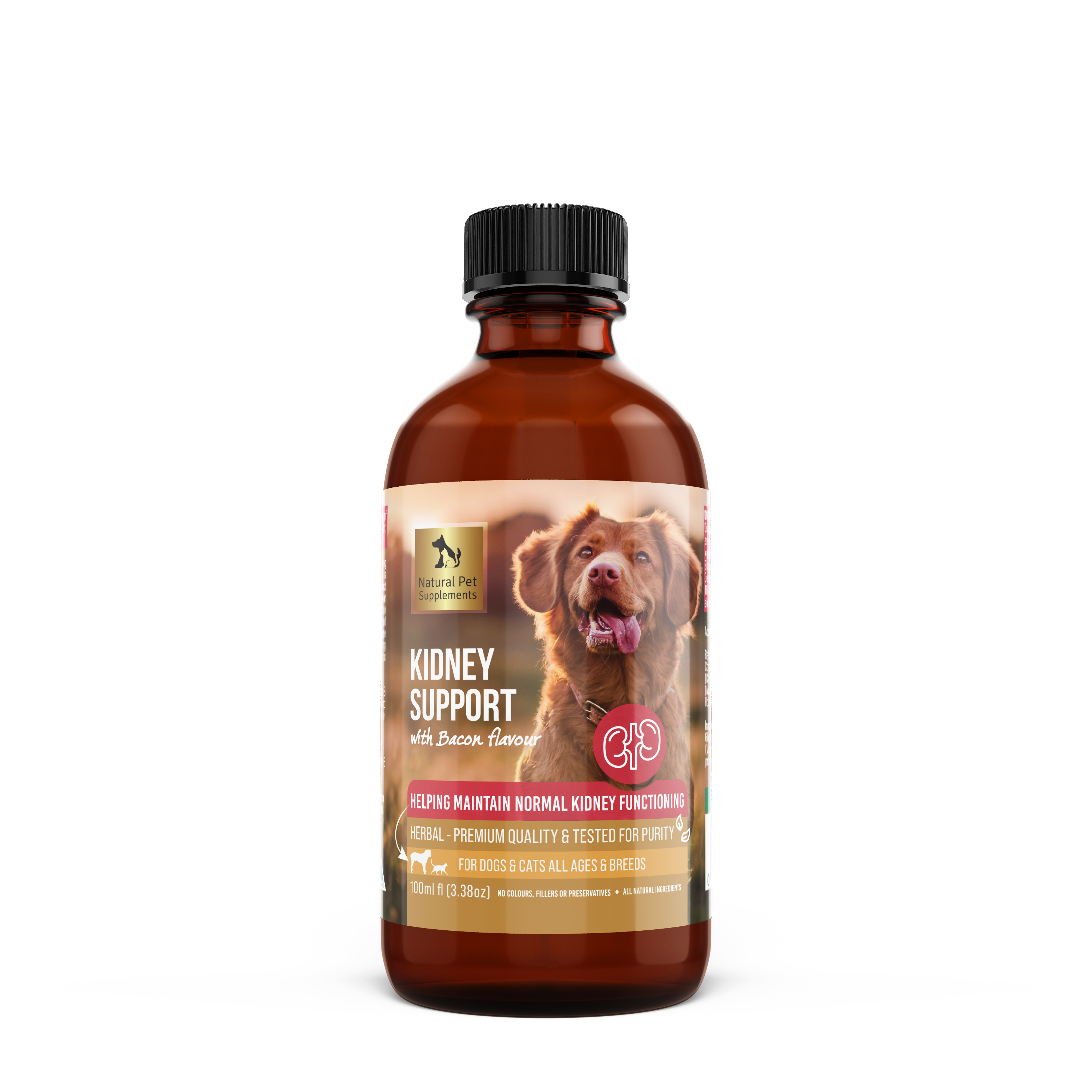



For more expert pet care tips and advice, check out our dedicated Dog Health guides to keep your companions healthy and happy.




