

Introduction
The practice of preparing homemade meals for canine companions has gained considerable popularity among dog owners seeking greater control over their pet’s diet. While born from a desire to provide optimal nutrition, homemade dog food often requires careful consideration to ensure it is nutritionally complete and balanced. Simply combining raw or cooked ingredients, even high-quality ones, may not inherently provide all the essential vitamins, minerals, and other vital nutrients a dog needs to thrive. This is where understanding the role of supplements to add to homemade dog food becomes paramount. Addressing potential nutritional gaps through targeted supplementation is a critical step in preventing deficiencies that can impact a dog’s health, energy levels, and overall quality of life, transforming a well-intentioned diet into a truly beneficial one.
💡 Pet Care Key Takeaways:
- Core Focus: Practical health, nutrition, and wellness guidelines for Supplements To Add To Homemade Dog Food.
- Target Scope: Pet owners, animal caregivers, and veterinary support staff.
- Best Recommendation: Maintain consistent daily routines and consult an accredited veterinarian before introducing major diet or medical changes.
Common Causes and Key Factors
The primary reason for incorporating supplements into homemade dog food stems from the inherent complexity of canine nutritional requirements. Unlike commercially formulated kibble, which undergoes rigorous testing and formulation to meet established nutritional standards, homemade diets are often crafted without the specialized knowledge of a veterinary nutritionist. A significant factor contributing to nutritional deficiencies is the assumption that a varied diet of whole foods automatically provides all necessary nutrients. While whole ingredients are beneficial, specific micronutrients like certain vitamins, trace minerals, and fatty acids may be present in insufficient quantities or in unbalanced ratios within typical homemade recipes. For more related activities, check out our Tibetan Mastiff Food Aggression.
Another key factor is the individual nature of canine metabolism and needs. A recipe suitable for one dog might be inadequate for another, depending on age, breed, activity level, and existing health conditions. For instance, a growing puppy has vastly different calcium and phosphorus requirements compared to a sedentary senior dog. Furthermore, cooking processes can degrade the potency of certain heat-sensitive vitamins, further reducing the nutritional value of even carefully chosen ingredients. Without targeted supplementation, a homemade diet risks becoming incomplete, potentially leading to long-term health implications for the dog.
Signs and Symptoms to Observe
Recognizing the signs of nutritional imbalance or deficiency is crucial for dog owners providing homemade meals. While some symptoms may be subtle initially, they can progress over time if the dietary gaps are not addressed. Observable indicators often manifest in a dog’s physical appearance and energy levels. A dull, dry, or excessively shedding coat, along with flaky or irritated skin, can signal a lack of essential fatty acids or certain vitamins. Low energy, lethargy, or a general decrease in enthusiasm for walks and play can suggest inadequate caloric intake or insufficient B vitamins.
Other signs include poor muscle development, especially in young or active dogs, and a lack of proper growth in puppies. Recurring infections or a weakened immune response might point to deficiencies in essential minerals like zinc or vitamins crucial for immune function. Gastrointestinal issues such as chronic diarrhea, constipation, or inconsistent stool quality could indicate an imbalance in fiber or beneficial gut bacteria. In more severe or prolonged cases, skeletal problems like limping, joint stiffness, or weakened bones may emerge, particularly if calcium, phosphorus, or vitamin D levels are insufficient or improperly balanced. These signs can vary in intensity and manifestation depending on the specific nutrient deficiency, the dog’s age, and its overall health status.
Practical Solutions and Management Strategies
Effectively supplementing homemade dog food requires a thoughtful and informed approach, with the primary objective being to create a nutritionally complete and balanced diet. The most critical step before implementing any supplementation strategy is to consult with a veterinarian or, ideally, a board-certified veterinary nutritionist. These professionals can help assess a dog’s specific needs, evaluate existing homemade recipes, and recommend appropriate supplements and dosages.
General categories of supplements often considered for homemade diets include:
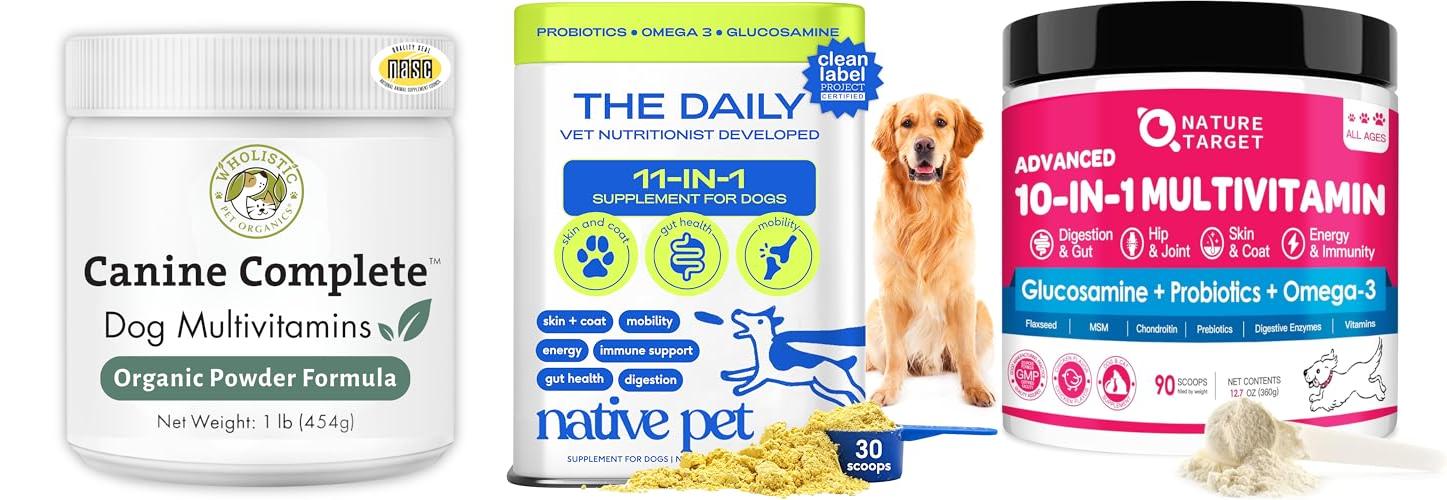
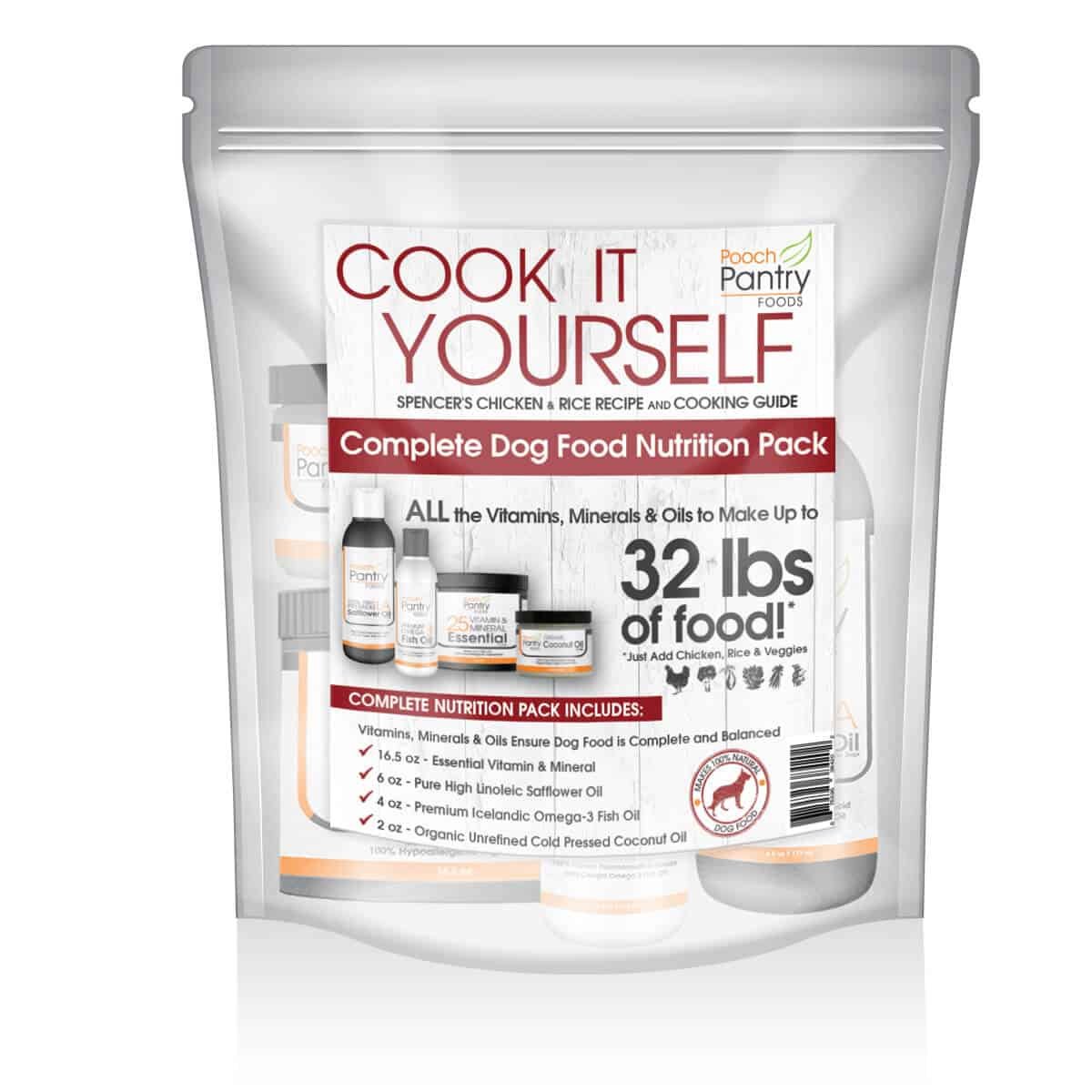
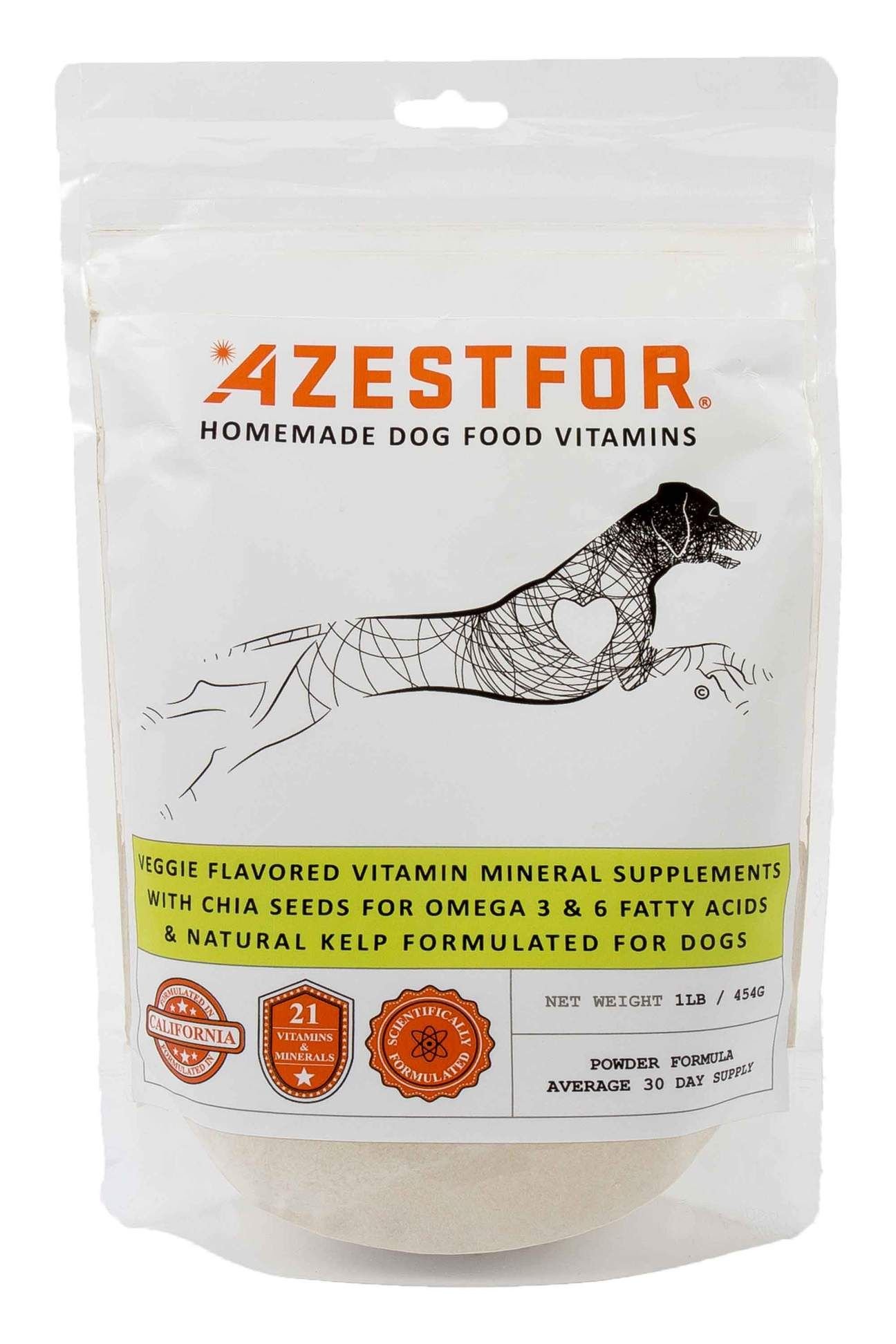
- Comprehensive Multivitamin/Mineral Blends: These are specifically formulated for dogs and are designed to cover a broad spectrum of essential micronutrients that might be missing or insufficient in homemade meals. They act as a foundational safeguard against common deficiencies.
- Calcium and Phosphorus: These minerals are vital for bone health, nerve function, and blood clotting. Achieving the correct ratio (typically between 1:1 and 2:1 calcium to phosphorus) is crucial, as imbalances can lead to severe skeletal problems. Bone meal, calcium carbonate, or eggshell powder are common sources, but precise dosing is essential.
- Omega-3 Fatty Acids: Derived from sources like fish oil (salmon, sardine, anchovy) or algae oil, these essential fatty acids (EPA and DHA) support skin and coat health, reduce inflammation, promote joint mobility, and contribute to cognitive function.
- Probiotics and Prebiotics: These aid in maintaining a healthy gut microbiome, which is essential for digestion, nutrient absorption, and immune system function. Probiotic supplements introduce beneficial bacteria, while prebiotics feed them.
- Digestive Enzymes: Some dogs may benefit from enzyme supplements to help break down and absorb nutrients more efficiently, particularly if they have sensitive digestion.
- Specific Vitamins: Depending on the diet and the dog’s needs, targeted supplementation of individual vitamins such as Vitamin D (crucial for calcium absorption) or B vitamins (important for metabolism and energy) might be recommended.
- Trace Minerals: Minerals like zinc, copper, selenium, and iodine are needed in small amounts but are critical for numerous bodily functions, including immune health and thyroid function. These are often included in quality multivitamin formulations.
When selecting supplements, attention to product quality, reputable brands, and the source of ingredients is important. Dosage must always be based on veterinary advice, considering the dog’s weight, age, activity level, and any pre-existing health conditions. Consistent integration into the diet and careful monitoring of the dog’s response are key components of a successful homemade feeding strategy.
When Professional Help May Be Needed
While the intention behind preparing homemade dog food is commendable, the complexities of canine nutrition often necessitate professional guidance. Veterinary consultation is not merely an option but a crucial prerequisite when transitioning to or maintaining a homemade diet. A veterinarian can offer invaluable insights into a dog’s specific health profile, identify potential predispositions, and recommend baseline diagnostic tests to establish a clear picture of the dog’s nutritional status.
Situations where professional help becomes particularly vital include any instance where a dog exhibits the signs and symptoms of nutritional deficiency described earlier. If skin and coat issues persist, if lethargy is noted, or if there are concerns about growth or bone health, immediate veterinary assessment is warranted. Furthermore, dogs with pre-existing health conditions such as kidney disease, pancreatitis, allergies, or gastrointestinal sensitivities require highly customized diets and precise supplementation plans that only a veterinary nutritionist can safely formulate. Pregnant or lactating dogs, as well as rapidly growing puppies, also have elevated and very specific nutritional demands that are best met under expert supervision to prevent developmental issues. Attempting to manage complex nutritional needs without professional input can inadvertently cause more harm than good, making a qualified expert an indispensable partner in providing optimal care.
Conclusion
The endeavor to provide homemade dog food is a testament to the dedication of pet owners, yet it carries the responsibility of ensuring complete and balanced nutrition. Understanding the essential role of supplements to add to homemade dog food is fundamental to this commitment. These vital additions bridge the potential nutritional gaps that even the most meticulously prepared homemade meals might possess, preventing deficiencies and supporting a dog’s overall health and vitality. From promoting a lustrous coat and strong bones to bolstering immune function and maintaining optimal energy levels, appropriate supplementation is a cornerstone of well-being. By prioritizing informed decisions and, most importantly, seeking the expert guidance of a veterinarian or a board-certified veterinary nutritionist, dog owners can confidently provide a homemade diet that not only delights their pets but truly nourishes them, ensuring a long, healthy, and happy life.
Pet Care & Wellness Overview Table
| Life Stage | Daily Activity Level | Key Nutrition / Care Focus |
|---|---|---|
| Puppy / Kitten | High (frequent short bursts) | High-protein growth diet & early socialization |
| Adult Companion | Moderate (30–60 mins daily) | Balanced maintenance nutrition & dental hygiene |
| Senior Pets | Low to Gentle (mindful walks) | Joint support (Glucosamine) & routine vet checks |
Images References






For more expert pet care tips and advice, check out our dedicated Dog Nutrition guides to keep your companions healthy and happy.




