

According to the American Kennel Club, adolescence in large dog breeds typically begins around six months and can extend past eighteen months, making the ten-month milestone a particularly intense period of growth. During this phase, canine companions frequently test boundaries while experiencing significant hormonal and neurological shifts. Certified behaviorists often observe that households experience a sudden resurgence of mischievous actions right around this age. Navigating these changes successfully relies heavily on consistency, patience, and structured daily routines that burn off excess energy.
💡 Pet Care Key Takeaways:
- Core Focus: Practical health, nutrition, and wellness guidelines for Ten Month Old Lab Behavior.
- Target Scope: Pet owners, animal caregivers, and veterinary support staff.
- Best Recommendation: Maintain consistent daily routines and consult an accredited veterinarian before introducing major diet or medical changes.
Ten month old lab behavior refers to the distinct combination of adult physical strength and youthful, impulsive decision-making seen in adolescent Retrievers.
At this stage of development, a Labrador Retriever resembles a full-grown dog physically yet maintains the emotional maturity of a puppy. Canine psychology experts define this window as a period of heightened exploratory drive, meaning curiosity often overrides obedience. Handlers frequently report sudden episodes of selective listening, where a previously reliable recall command gets completely ignored in favor of chasing a leaf or greeting a distant stranger. Furthermore, chewing tendencies often peak again during this window as adolescent teeth settle firmly into the jawbone, prompting a renewed need for appropriate outlets.
Managing adolescent canine actions effectively prevents long-term habit formation and protects household harmony.
Left unguided, teenage antics can quickly escalate into destructive chewing, chronic jumping, and leash pulling that becomes dangerous as the dog reaches seventy pounds or more. Environmental management plays a crucial role here, requiring guardians to secure household items and provide heavy-duty chew toys designed for powerful jaws. Additionally, incorporating regular mental stimulation alongside physical exercise helps stabilize mood swings and reduces frustration-induced vocalizations. Exploring dedicated resources on Dog Training can provide valuable framework strategies for channeling this boundless energy productively.
Adolescent dogs require consistent boundary enforcement and structured socialization to prevent the development of long-term fear or reactivity issues. — American Kennel Club
Addressing adolescent exuberance involves a balanced approach combining positive reinforcement, clear boundaries, and structured daily outlets.
Establishing predictable routines helps anxious adolescent minds feel secure while discouraging attention-seeking mischief. When undesirable actions occur, redirecting the dog toward an appropriate toy or alternative behavior proves far more effective than punitive measures, which often damage trust. Professional guidance emphasizes that punishment-free training builds a stronger bond and encourages problem-solving skills in young canines. Integrating short, engaging obedience sessions throughout the day transforms everyday interactions into valuable learning opportunities without exhausting the dog’s attention span.
Avoiding common pitfalls during canine adolescence ensures a smoother transition into adulthood and prevents accidental habit reinforcement.
A frequent mistake among owners involves granting too much freedom too soon, which inadvertently rewards unwanted explorations like counter-surfing or digging. Inconsistent rule enforcement also confuses the animal, leading to stubbornness and heightened anxiety when boundaries shift unexpectedly. Another hazard is relying solely on physical exercise while neglecting mental enrichment, which leaves intelligent breeds mentally restless and prone to indoor mischief. Prioritizing structured scent games, puzzle feeders, and calm-settle exercises creates a well-rounded foundation for lifelong canine stability. For further insights into supporting overall well-being, reviewing guides on Dog Health and Dog Nutrition ensures the growing body receives proper support.
Mental enrichment through interactive puzzle toys can reduce unwanted adolescent behaviors by tiring the brain just as effectively as physical exercise. — Association of Professional Dog Trainers
Pet Care & Wellness Overview Table
| Life Stage | Daily Activity Level | Key Nutrition / Care Focus |
|---|---|---|
| Puppy / Kitten | High (frequent short bursts) | High-protein growth diet & early socialization |
| Adult Companion | Moderate (30–60 mins daily) | Balanced maintenance nutrition & dental hygiene |
| Senior Pets | Low to Gentle (mindful walks) | Joint support (Glucosamine) & routine vet checks |
Images References



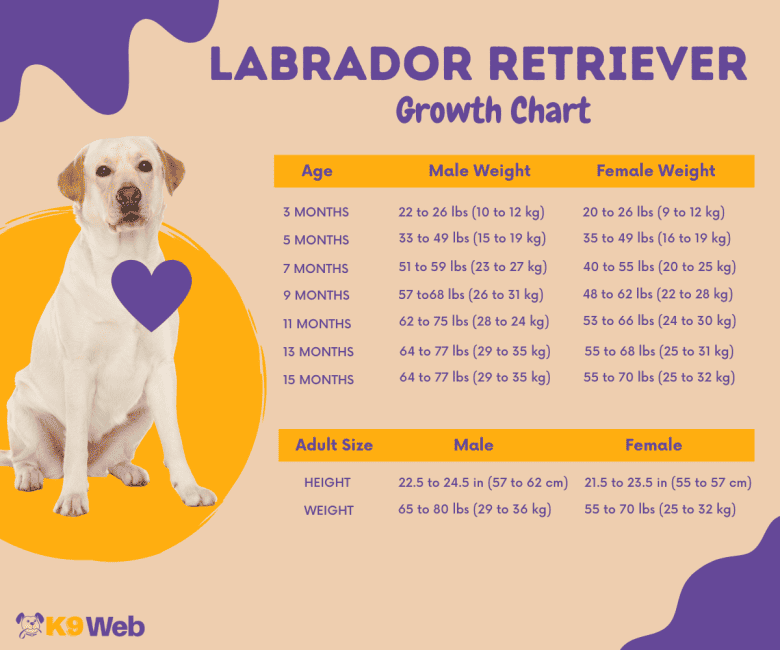
Labradors are famously high-energy working dogs bred for endurance and retrieval, meaning their drive to interact with the environment remains exceptionally high at ten months. Their exuberant greeting style, often combined with an accidental lack of spatial awareness, requires active management to prevent knocked-over furniture or startled guests. Understanding that this high-octane enthusiasm stems directly from breed heritage helps reframe frustrating moments into manageable training milestones. Enthusiasts looking to dive deeper into specific traits will find helpful overviews within dedicated Dog Breeds directories.
Consulting a qualified professional becomes essential when adolescent challenges cross the line into severe fear, anxiety, or unmanageable reactivity.
While normal teenage testing resolves with consistent guidance, sudden shifts involving aggression, extreme trembling, or compulsive habits demand expert evaluation. A veterinarian should always rule out underlying medical conditions, such as adolescent panosteitis or hidden dental pain, before attributing a sudden change in demeanor purely to behavioral phases. If specialized behavior modification is necessary, guardians must avoid dominance-based techniques and instead seek out certified veterinary behaviorists who utilize humane, science-based methodologies. Addressing root emotional triggers early ensures the safety and long-term psychological health of the animal.
Supporting a growing companion through the teenage months deepens the human-animal bond and sets the stage for a well-adjusted adult life.
PetsAnimalsWorld.com remains dedicated to providing comprehensive insights for every stage of your companion’s life journey. By combining patience, structured guidance, and appropriate daily outlets, households can successfully navigate the complexities of adolescent canine growth. Exploring broader topics available in Dog Behavior and general Dog Care ensures that every owner feels fully equipped to handle whatever milestones lie ahead.




