
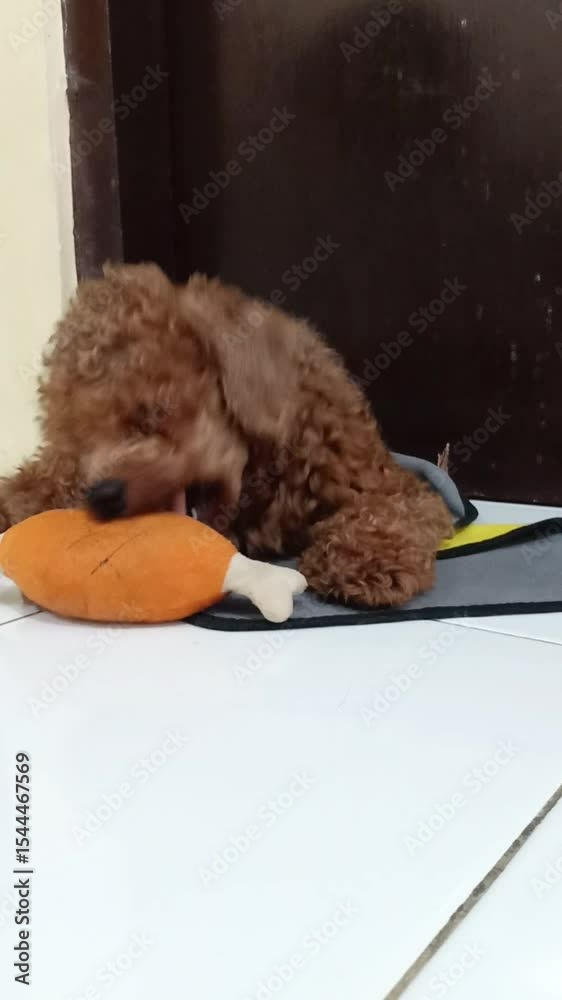
According to the American Kennel Club, miniature and toy companion breeds often require specialized socialization protocols during puppyhood to prevent defensive nipping behaviors. Bringing home a miniature companion brings immense joy, yet unexpected puppy teeth can quickly sour daily routines. When those sharp little needle teeth latch onto fingers or ankles, households experience sudden frustration. Understanding the root causes behind tiny toy poodle biting allows caregivers to transform these frustrating moments into teaching opportunities. Behavioral specialists frequently notice that small-breed puppies utilize their mouths extensively to explore textures, seek attention, or signal stress. Addressing this behavior requires consistency, patience, and a deep appreciation for canine communication signals.
💡 Pet Care Key Takeaways:
- Core Focus: Practical health, nutrition, and wellness guidelines for Tiny Toy Poodle Biting.
- Target Scope: Pet owners, animal caregivers, and veterinary support staff.
- Best Recommendation: Maintain consistent daily routines and consult an accredited veterinarian before introducing major diet or medical changes.
Puppies explore their entire environment using their mouths much like human infants use their hands. When dealing specifically with a tiny toy poodle, individuals often mistake playful nipping for outright aggression. These miniature dogs possess delicate frames and high metabolic rates, making their sensory experiences quite intense compared to larger breeds. During the teething window—typically spanning from four to six months of age—infant teeth fall out to make way for permanent adult dentition. This biological transition causes tender gums, prompting the young dog to seek relief by gnawing on various objects, including human skin. Furthermore, if a puppy learns that nipping immediately triggers loud verbal reactions or sudden movement, the behavior inadvertently turns into a high-value game. For more related activities, check out our How Long Does It Take To Change A Dog’S Behavior.
Unchecked nipping behavior can severely disrupt household harmony and inadvertently strain the human-animal bond if left uncorrected.
Ignoring miniature puppy mouthing habits rarely leads to spontaneous resolution; instead, it frequently solidifies into a lasting adult habit. In professional behavior consultations, tiny dogs are frequently observed leaping up to nip ankles because their diminutive stature makes human hands and feet easily accessible targets. While a bite from a tiny toy poodle rarely inflicts severe physical damage, it still creates a stressful environment for families with young children or elderly residents. Moreover, chronic mouthing can mask deeper emotional states, such as fear-based reactivity or overarousal. Left unmanaged, these patterns may escalate into defensive snapping whenever the animal feels cornered or overwhelmed by sudden environmental stimuli.
Puppy socialization windows close rapidly, making early intervention essential for preventing adult reactivity and biting habits. — American Kennel Club
Positive reinforcement redirection and structured time-outs represent the most effective methods for stopping tiny toy poodle biting.
Effective management relies on teaching the puppy that teeth contacting human skin results in the immediate disappearance of attention and interaction. When a miniature puppy starts to nip during play, caregivers should remain completely still, cross their arms, and look away to signal that the fun has stopped. Once the puppy calms down, redirection toward an appropriate chew toy provides a healthy outlet for their natural chewing urges. Additionally, teaching a reliable “leave it” cue through reward-based exercises builds impulse control over time. Punitive or dominance-based techniques must be strictly avoided, as physical reprimands or startling a sensitive dog often trigger fear, potentially worsening defensive aggression.
Consistency in setting boundaries and avoiding accidental reinforcement remain crucial pillars of successful behavior modification.
Mixed signals cause profound confusion during the learning process, making strict consistency among all household members vital. If one person allows the puppy to mouth fingers while playing on the floor, the animal will not understand why another person reacts negatively to the exact same action. Furthermore, waving hands or pulling feet away rapidly mimics the erratic movement of prey, which inadvertently stimulates the puppy’s natural chase instinct. Practicing calm, deliberate movements helps maintain a predictable environment where the young dog can learn appropriate social boundaries without feeling threatened or overly aroused.
Behavioral issues in companion dogs are frequently rooted in unmet social, mental, or physical stimulation needs. — American Society for the Prevention of Cruelty to Animals
Pet Care & Wellness Overview Table
| Life Stage | Daily Activity Level | Key Nutrition / Care Focus |
|---|---|---|
| Puppy / Kitten | High (frequent short bursts) | High-protein growth diet & early socialization |
| Adult Companion | Moderate (30–60 mins daily) | Balanced maintenance nutrition & dental hygiene |
| Senior Pets | Low to Gentle (mindful walks) | Joint support (Glucosamine) & routine vet checks |
Images References
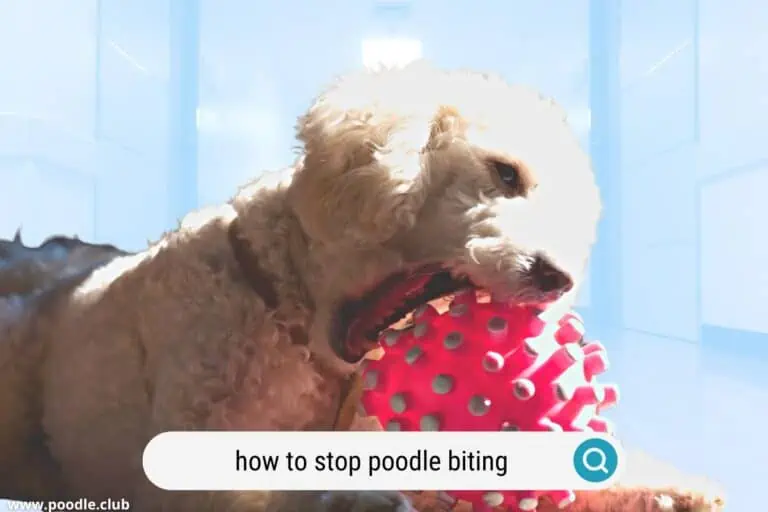


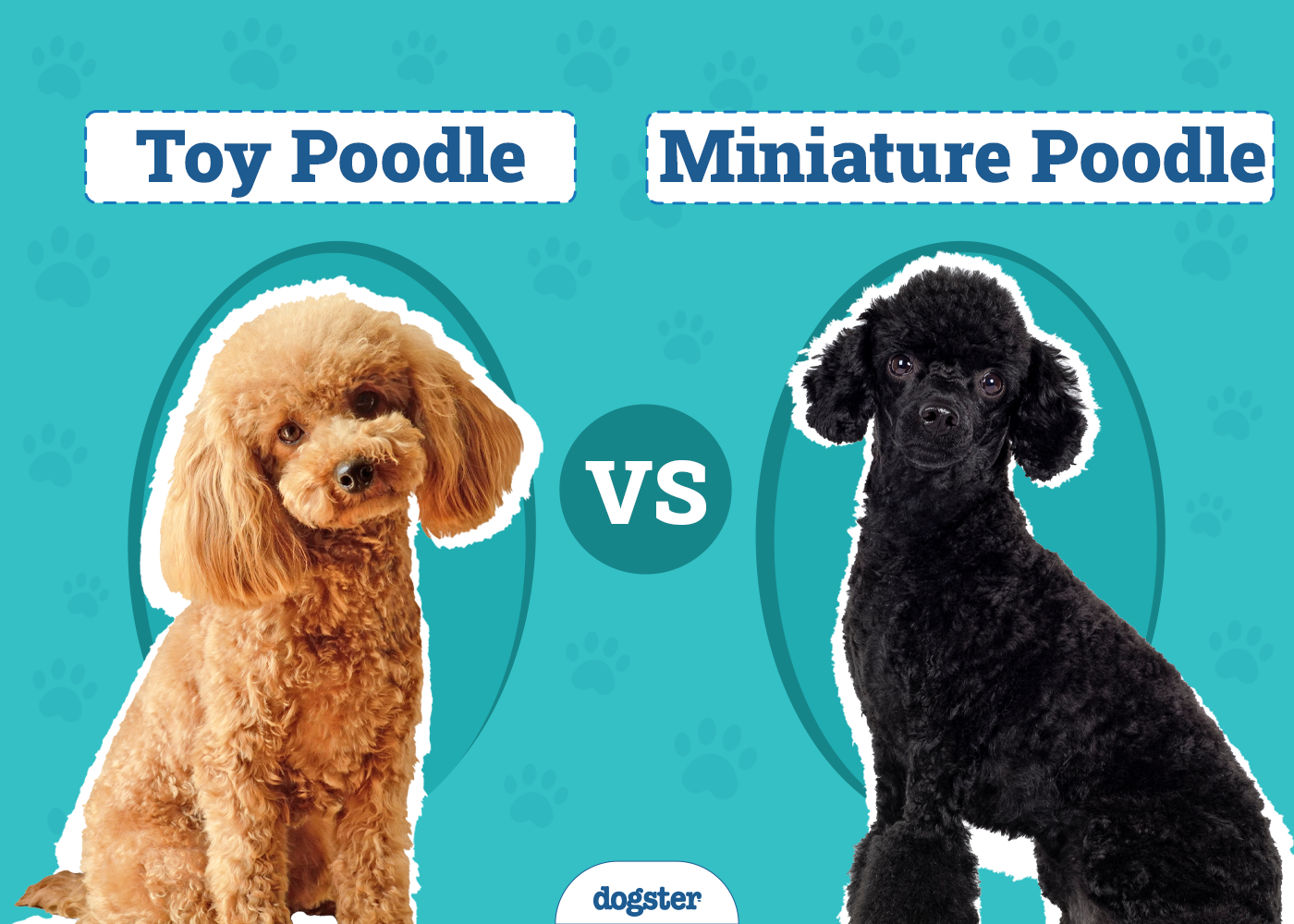

Breed temperament, tiny physical stature, and sensitive nervous systems heavily influence how miniature dogs respond to stress.
Toy breeds possess distinct anatomical traits and high-strung temperaments that require tailored handling approaches compared to robust working dogs. Because of their miniature size, the everyday world can appear magnified and intimidating, causing these dogs to react quickly out of self-preservation. Socialization must introduce the puppy to novel sounds, gentle handling of paws and ears, and positive human interactions in a controlled manner. Recognizing subtle body language indicators—such as lip licking, yawning, or turning the head away—allows caregivers to intervene before the puppy feels driven to use its teeth to communicate discomfort.
Consulting a certified professional or veterinarian becomes necessary when biting stems from underlying fear, anxiety, or pain.
Persistent biting accompanied by growling, stiffening, or snapping during routine handling warrants a thorough medical evaluation by a licensed veterinarian. Underlying health issues, such as dental pain, hidden injuries, or neurological discomfort, can suddenly lower a dog’s tolerance threshold and trigger defensive biting. If medical causes are ruled out, partnering with a certified professional dog trainer or veterinary behaviorist ensures the implementation of safe, science-based behavior modification plans. Professional guidance is especially valuable when addressing fear-based reactivity, ensuring the emotional well-being of both the animal and the household.
Building a harmonious relationship with a tiny companion relies on empathy, education, and consistent positive reinforcement daily.
Managing tiny toy poodle biting takes time, dedication, and an unwavering commitment to understanding canine behavior from the dog’s perspective. By replacing frustration with structured guidance, caregivers establish a foundation of trust that lasts throughout the animal’s lifetime. Exploring additional resources on Dog Behavior, Dog Training, and proper Dog Care ensures continuous learning for dedicated owners. Visit PetsAnimalsWorld.com today to discover more expert tips designed to support a healthy and joyful journey with all your beloved animal companions.




