

Introduction
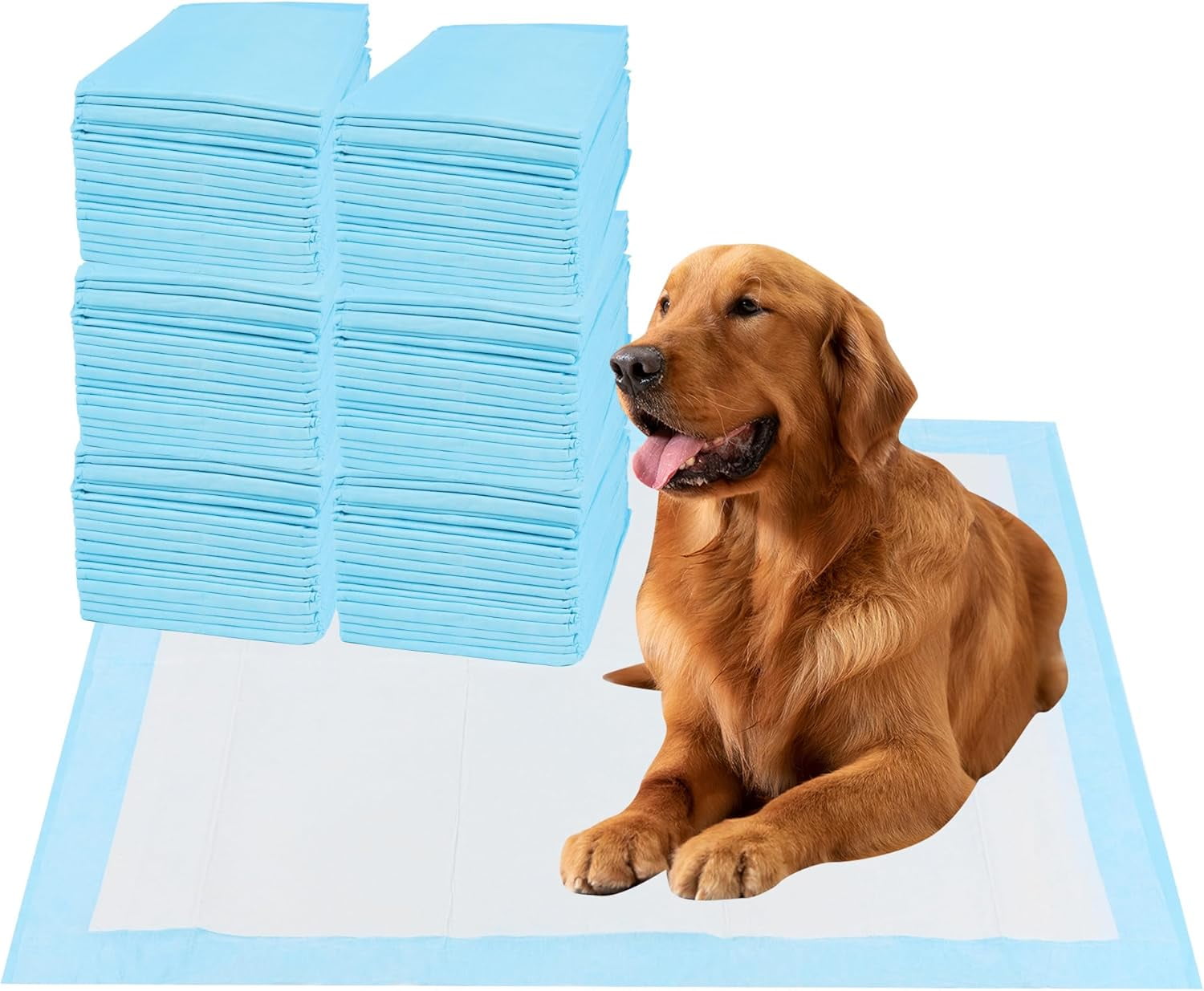
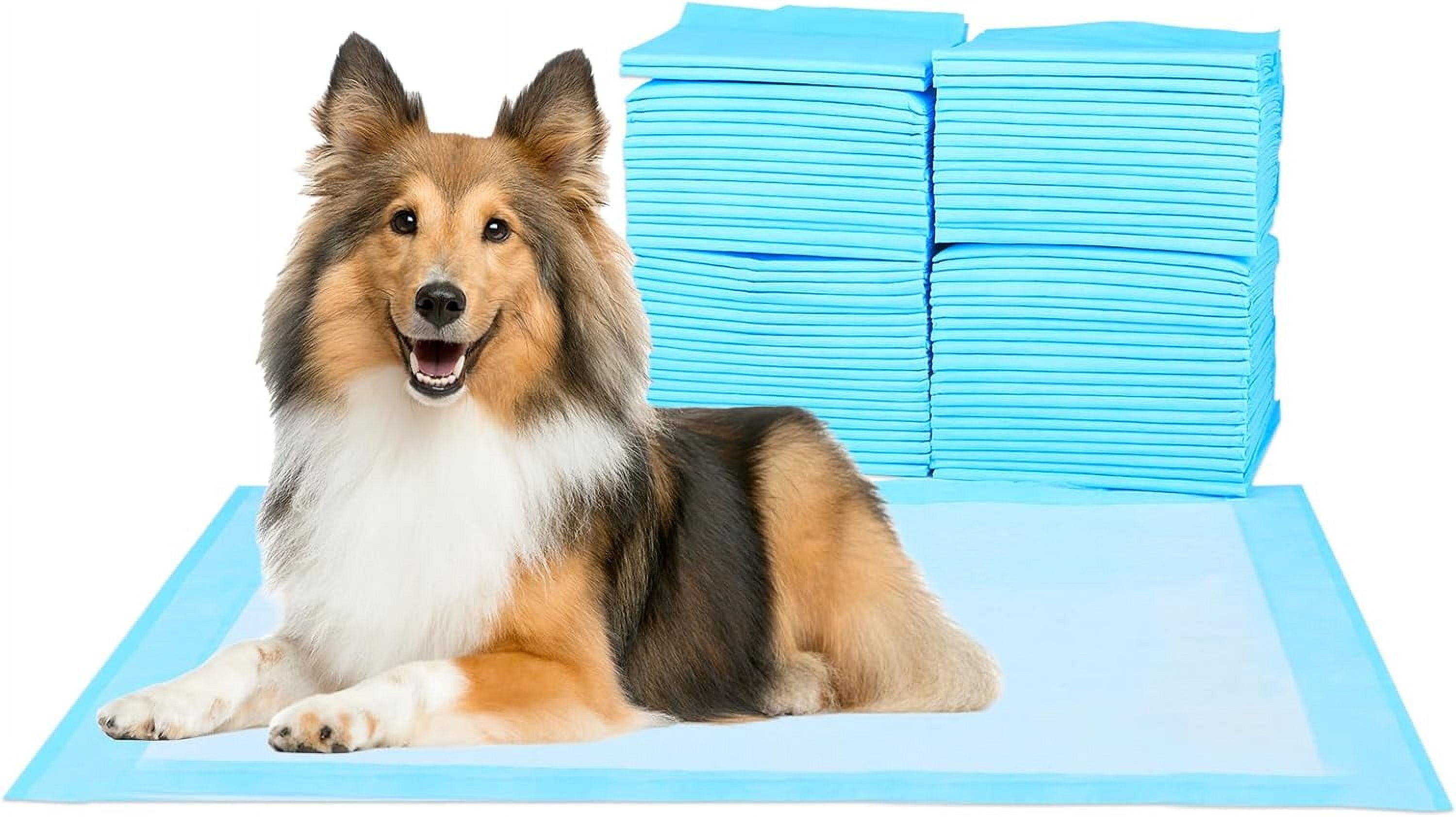
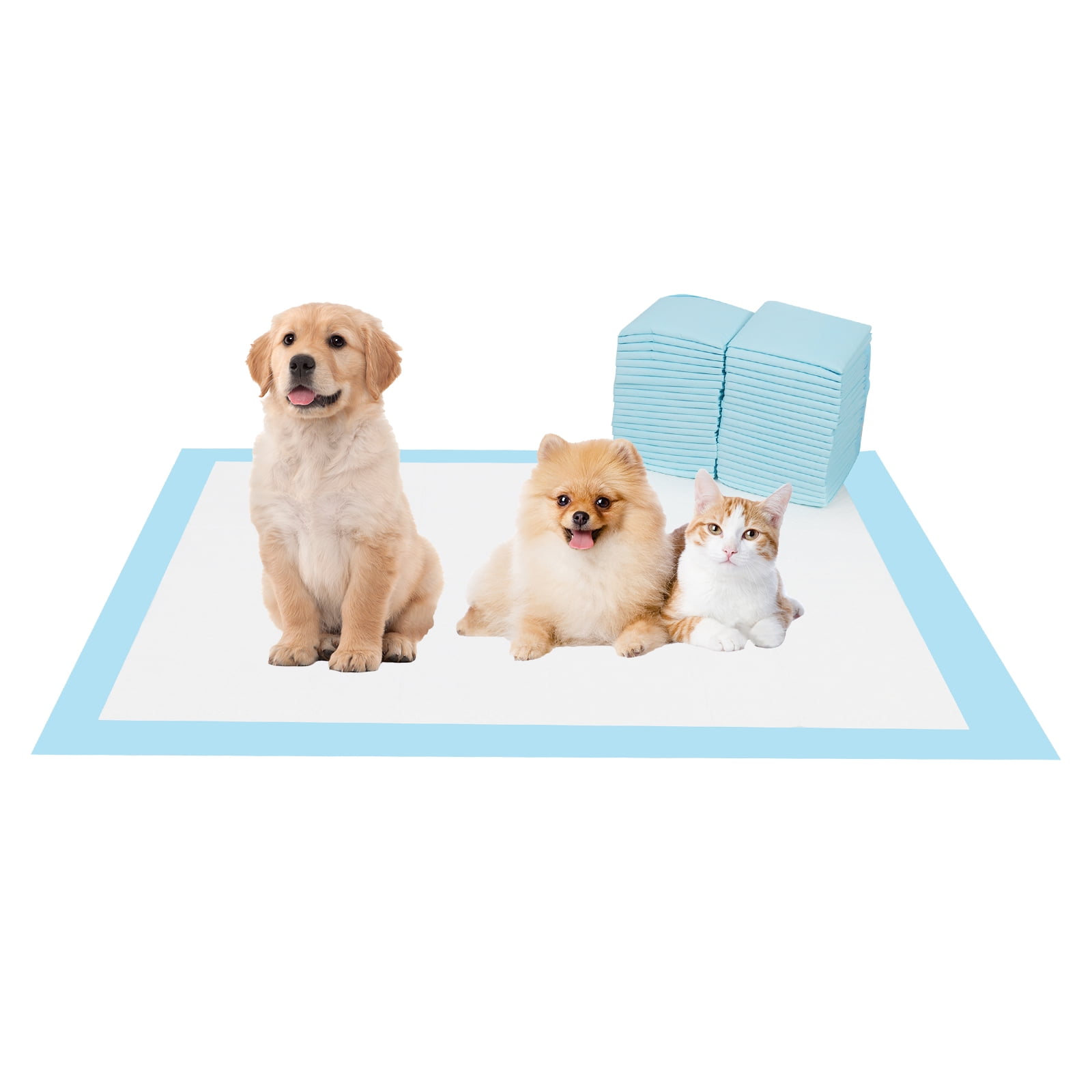
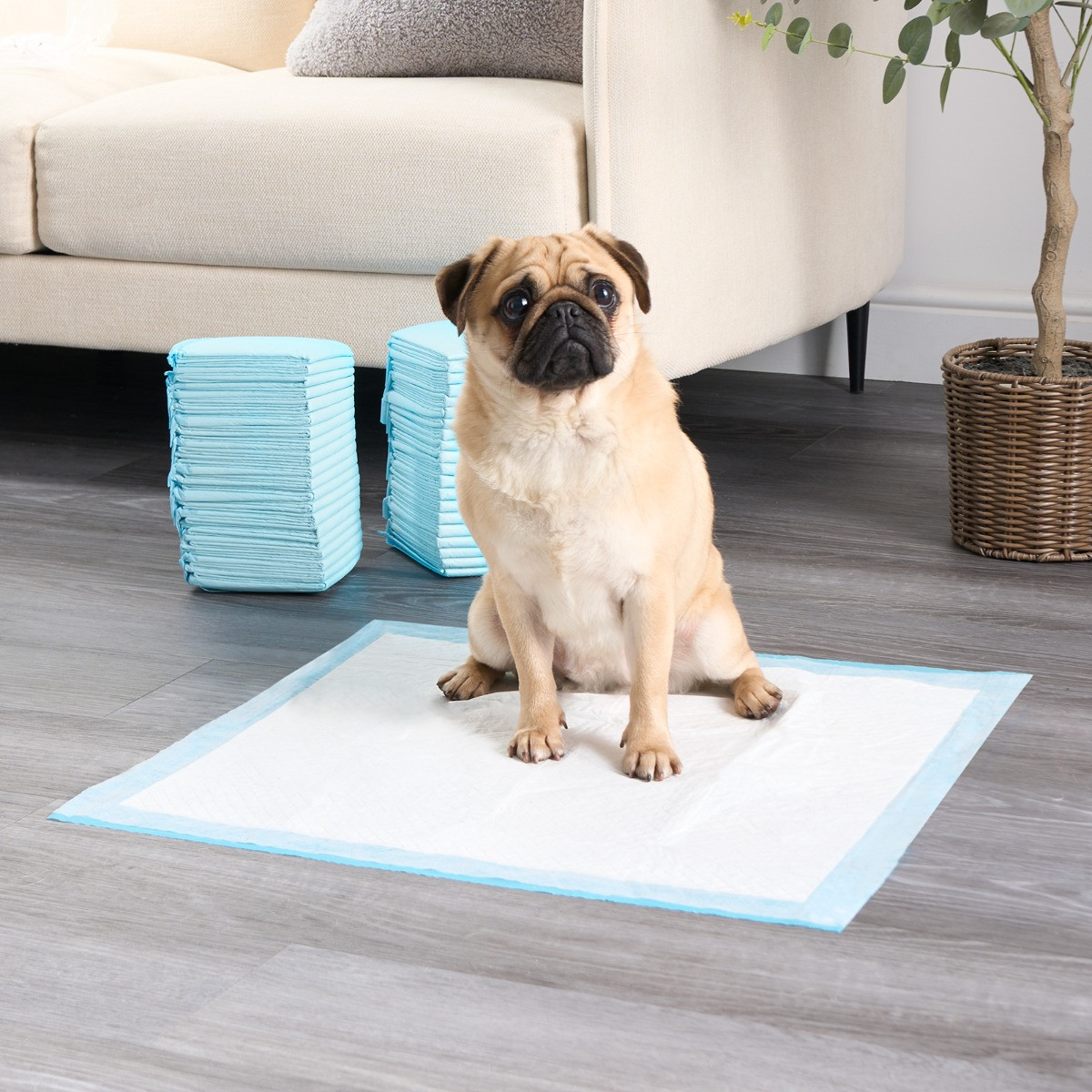
The training pad, often recognized as a puppy pad, potty pad, or wee-wee pad, serves as a crucial tool in the realm of canine care and hygiene. This absorbent mat is specifically designed to provide an designated indoor area for dogs to eliminate waste, primarily urine, and sometimes feces. Its importance spans various stages of a dog’s life and numerous living situations. For new puppy owners, training pads are an invaluable aid in house-training, particularly before a puppy is fully vaccinated and able to safely explore the outdoors. They also prove essential for apartment dwellers with limited outdoor access, owners with demanding schedules, or for dogs that are elderly, unwell, or recovering from surgery and may struggle with bladder control or mobility. Understanding the proper application and purpose of a training pad can significantly reduce household accidents, foster good habits, and ultimately enhance a dogs well-being and the overall quality of life for both the animal and its human companions.
💡 Pet Care Key Takeaways:
- Core Focus: Practical health, nutrition, and wellness guidelines for Training Pad.
- Target Scope: Pet owners, animal caregivers, and veterinary support staff.
- Best Recommendation: Maintain consistent daily routines and consult an accredited veterinarian before introducing major diet or medical changes.
Common Causes and Key Factors
Several factors contribute to the necessity and effectiveness of utilizing a training pad. Foremost among these is the biological reality of puppyhood. Young puppies possess underdeveloped bladders and intestinal control, necessitating frequent elimination. Their inability to “hold it” for extended periods makes an accessible indoor potty solution a practical necessity. Furthermore, the veterinary guidelines regarding puppy vaccinations mean that young dogs cannot safely be exposed to public outdoor areas where they might contract diseases. Training pads offer a hygienic alternative during this critical developmental period. For more related activities, check out our Iaabc Dog Behavior Welfare Enrichment Training Resources.
Environmental circumstances also play a significant role. Residences without direct garden access, such as apartments or high-rise dwellings, often find training pads indispensable for managing a dog’s potty needs, especially during inclement weather or when outdoor trips are impractical. Owner schedules, particularly for individuals working long hours, can limit the frequency of outdoor potty breaks, making an indoor option a responsible choice. Beyond puppies, older dogs or those with certain medical conditions, such as incontinence, diabetes, or mobility challenges, frequently benefit from the convenience and reduced stress that training pads provide. Misunderstandings in initial house-training strategies can also lead to a reliance on pads if the dog is not properly transitioned to outdoor elimination, highlighting the importance of clear training progression.
Signs and Symptoms to Observe
Observing a dog’s interaction with a training pad offers critical insights into its effectiveness and a dog’s overall potty training progress. The most desirable sign is consistent elimination directly on the pad. This indicates successful association between the pad and its intended purpose. Conversely, accidents occurring off the pad are a clear signal that the dog is either confused about where to eliminate, unable to reach the pad in time, or requires further training reinforcement.
Behavioral indicators like sniffing excessively around the house, circling, squatting, or a sudden change in posture often precede urination or defecation and should prompt immediate guidance towards the training pad. If a dog frequently shreds or plays with the pad instead of using it as a toilet, it suggests the animal views the pad as a toy, requiring a re-evaluation of the training approach and possibly different pad textures or holders. Refusal to use the pad, coupled with attempts to eliminate in less conspicuous areas, might indicate discomfort, a preference for a different surface, or an underlying medical issue. Any sudden increase in the frequency of urination, straining, or changes in the urines color, odor, or consistency warrant immediate veterinary attention, as these are often signs of health concerns rather than training issues. These signs can vary depending on a dogs age, breed, and prior training experiences, making careful observation paramount.
Practical Solutions and Management Strategies
Effective utilization of training pads involves a structured approach that emphasizes consistency and positive reinforcement. Establishing a designated, easily accessible location for the training pad is fundamental. This spot should be away from food and sleeping areas, as dogs instinctively avoid soiling their den. Placing the dog on the pad immediately after waking up, eating, or playing, and rewarding successful elimination with praise and a small treat, reinforces the desired behavior.
Supervision plays a crucial role, especially during the initial training phase. Close monitoring allows for timely redirection to the pad when a dog shows signs of needing to eliminate. When transitioning from pads to outdoor pottying, a gradual approach is most effective. This involves slowly moving the pad closer to the exit door, eventually placing it just outside, and then removing it entirely as the dog consistently eliminates outdoors. Reducing the size of the pad over time can also help in this transition. For accidents that occur off the pad, thorough cleaning with an enzymatic cleaner is essential to neutralize odors that might attract the dog back to the same spot. Ensuring the training pad itself is absorbent and leak-proof prevents mess and further encourages its use. For dogs that shred pads, investing in a reusable pad holder or a more durable pad type might be beneficial.
When Professional Help May Be Needed
While training pads are often part of a straightforward house-training regimen, certain situations necessitate professional intervention. A sudden onset of accidents in a previously house-trained dog, especially an adult, warrants an immediate veterinary consultation. This abrupt change in behavior can be indicative of underlying medical conditions such as urinary tract infections, kidney disease, diabetes, or even cognitive dysfunction in older dogs. Any signs of excessive thirst or urination, painful elimination, or blood in the urine are serious symptoms that require prompt veterinary assessment.
If persistent pad misuse or a complete lack of progress is observed despite consistent and positive training efforts, consulting a professional dog trainer or a certified veterinary behaviorist is advisable. These experts can assess the specific challenges, identify any behavioral issues like anxiety or phobias contributing to elimination problems, and develop a tailored training plan. Their guidance can be invaluable in addressing complex house-training dilemmas or when a dog displays signs of stress or fear related to potty training. Seeking professional help ensures that a dog’s health and behavioral needs are met effectively and compassionately.
Conclusion
The training pad stands as a highly versatile and valuable resource for dog owners, facilitating everything from initial puppy house-training to providing essential support for senior or medically challenged dogs. Its proper integration into a dog’s routine, combined with consistent application and positive reinforcement, can significantly contribute to a clean home environment and a well-adjusted companion. Awareness of a dog’s behavioral cues, coupled with an understanding of when to employ practical solutions or seek professional guidance, forms the bedrock of responsible pet ownership. Ultimately, patience, observation, and a commitment to consistent care are paramount in navigating the journey of canine hygiene and ensuring a harmonious life alongside beloved animal companions.
Pet Care & Wellness Overview Table
| Life Stage | Daily Activity Level | Key Nutrition / Care Focus |
|---|---|---|
| Puppy / Kitten | High (frequent short bursts) | High-protein growth diet & early socialization |
| Adult Companion | Moderate (30–60 mins daily) | Balanced maintenance nutrition & dental hygiene |
| Senior Pets | Low to Gentle (mindful walks) | Joint support (Glucosamine) & routine vet checks |
Images References





For more expert pet care tips and advice, check out our dedicated Dog Training guides to keep your companions healthy and happy.




