Introduction
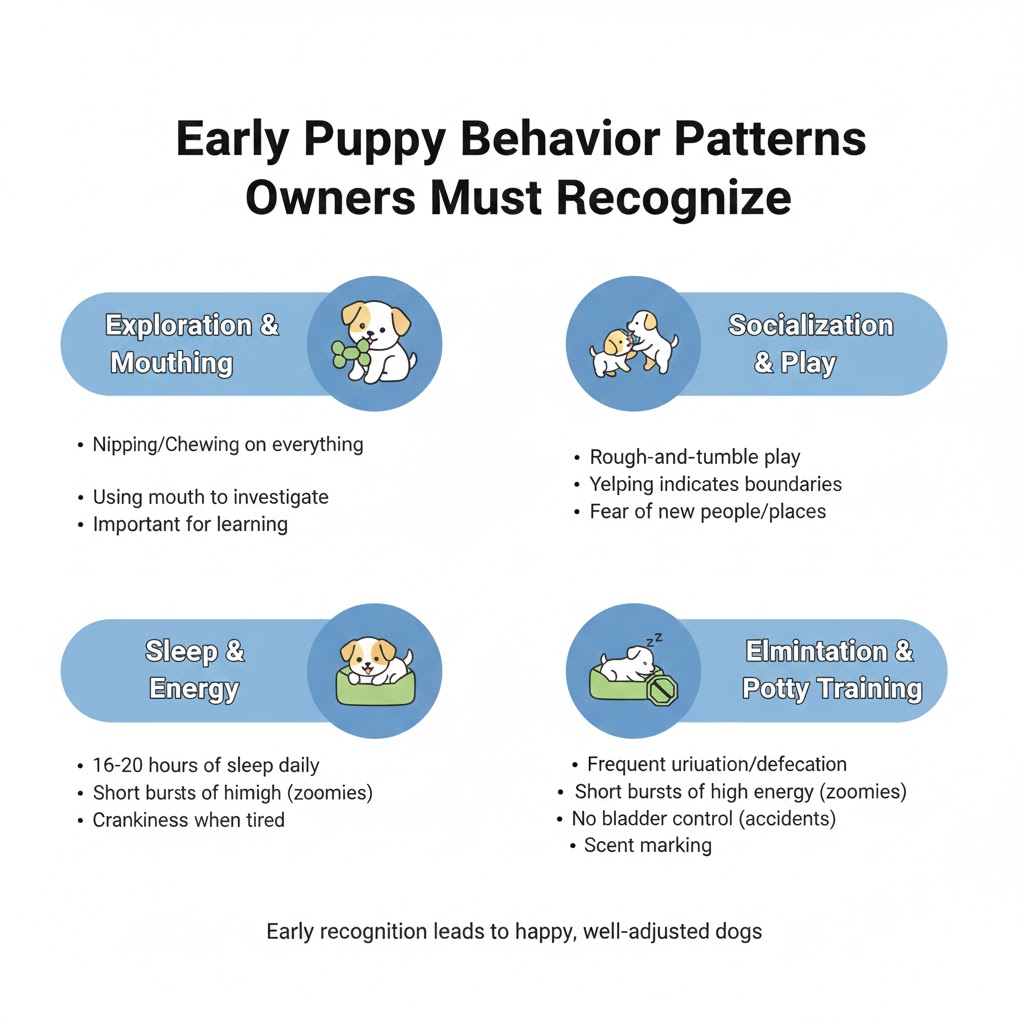
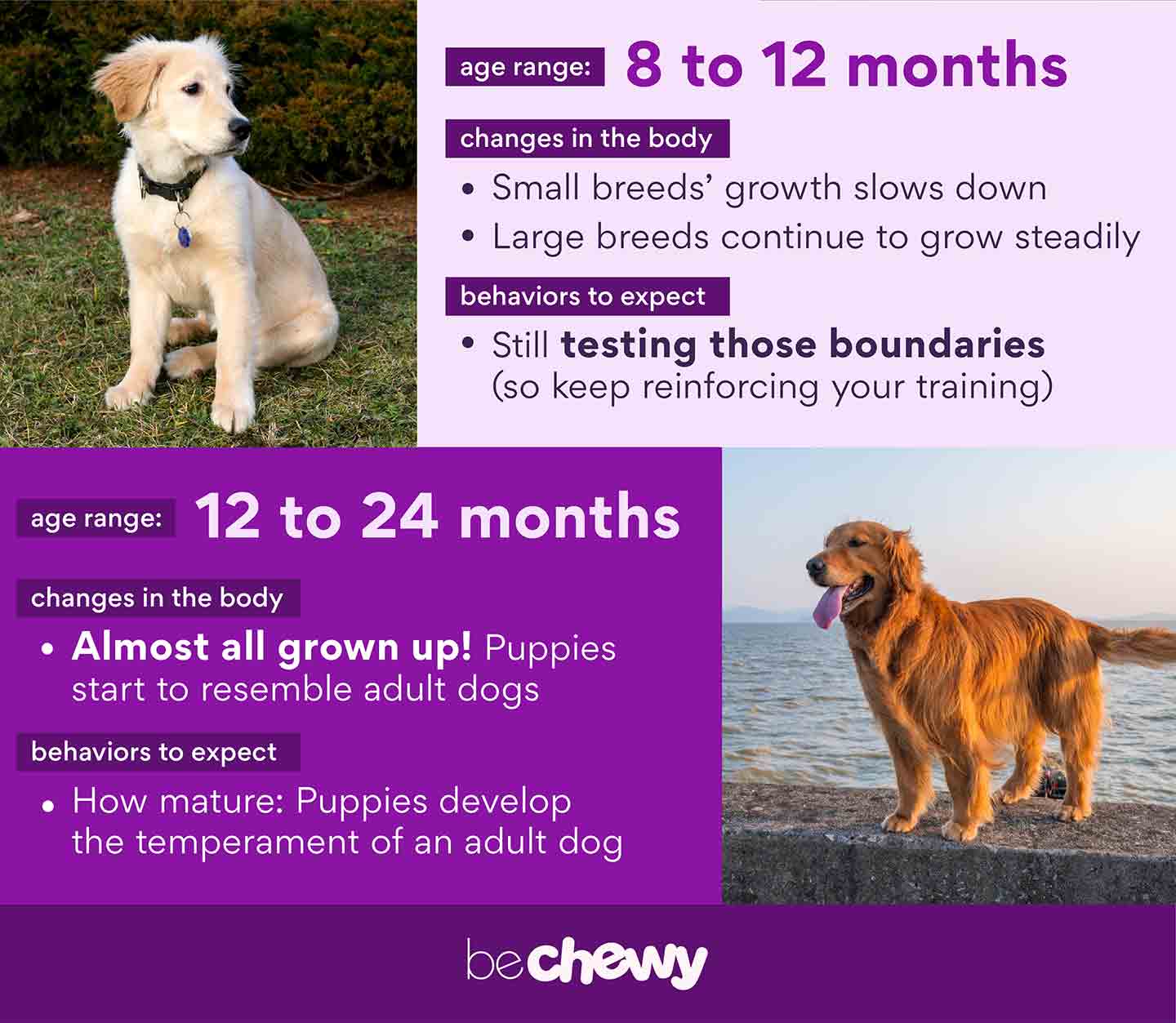
The journey of raising a puppy is filled with milestones, and one of the most intriguing, yet often challenging, periods is the adolescent phase. At approximately nine months of age, a puppy is typically navigating the heart of this developmental stage. Understanding “typical 9 month old puppy behavior” is crucial for dog owners, as this period marks a significant shift from the adorable, dependent puppy to a more independent, sometimes rebellious, adolescent. This phase is characterized by a blend of physical maturity, continued brain development, and evolving social dynamics. Recognizing these expected behaviors allows owners to anticipate challenges, reinforce good habits, and provide the necessary guidance to ensure a well-adjusted adult dog, ultimately enhancing the dog’s well-being and the bond shared with its human companions. Explore more in our Dog Behavior collection.
💡 Pet Care Key Takeaways:
- Core Focus: Practical health, nutrition, and wellness guidelines for Typical 9 Month Old Puppy Behavior.
- Target Scope: Pet owners, animal caregivers, and veterinary support staff.
- Best Recommendation: Maintain consistent daily routines and consult an accredited veterinarian before introducing major diet or medical changes.
Common Causes and Key Factors
The behaviors observed in a typical 9-month-old puppy stem from a combination of biological, neurological, and environmental influences. Hormonal changes play a significant role as dogs approach sexual maturity. Intact males may experience increased testosterone, leading to behaviors such as marking, roaming, and displaying more assertive social interactions. Females, whether intact or spayed, are also influenced by their developing physiology. For more related activities, check out our How Do You Correct A Dog’S Behavior.
Brain development is another critical factor. The frontal lobe, responsible for impulse control, decision-making, and understanding consequences, is still maturing at this age. This can result in a seeming “forgetfulness” of previously learned commands, heightened impulsivity, and a tendency to test boundaries. What might appear as stubbornness is often a reflection of an incomplete neurological process. Discover more free resources across our collection library.
Increased independence and a natural drive to explore the world with growing confidence also contribute to adolescent behaviors. Puppies at this age are often more bold, inquisitive, and less dependent on their owners for reassurance, which can lead to venturing further or engaging in more risky behaviors. Furthermore, a dog’s breed and individual temperament significantly influence energy levels, prey drive, and social inclinations, shaping how these adolescent traits manifest. The foundation of early training and socialization also dictates how effectively a puppy navigates this complex stage.
Signs and Symptoms to Observe
Observing the typical behaviors of a 9-month-old puppy often reveals a blend of endearing youthful energy and newfound independence. One common indicator is a phenomenon sometimes referred to as “selective hearing” or “teenage deafness,” where a puppy that once responded reliably to commands suddenly seems to ignore them. This regression in training is usually not willful disobedience but rather a combination of hormonal influences and an underdeveloped capacity for impulse control.
An increase in energy levels and a renewed interest in destructive chewing are also frequently observed. Despite having passed the intense teething phase, adolescent puppies may discover new objects to chew on due to boredom, excess energy, or stress. Boundary testing is another hallmark, with puppies pushing limits they previously respected, such as counter-surfing, refusing to come when called, or sneaking onto forbidden furniture.
Social dynamics can also shift. A 9-month-old puppy might become more boisterous or less tolerant with other dogs, experimenting with their place in canine social hierarchies. Some puppies may also experience another “fear period” during adolescence, becoming suddenly wary of previously neutral objects, people, or situations, which can manifest as increased reactivity (e.g., barking or lunging at strangers or other dogs). Intact males might begin marking territory indoors or displaying increased mounting behaviors. These signs can vary depending on the dog’s breed, size, and individual personality, but they generally reflect the tumultuous yet natural process of maturation.
Practical Solutions and Management Strategies
Managing typical 9-month-old puppy behavior requires patience, consistency, and a proactive approach. Reinforcing basic training commands is paramount. Short, engaging training sessions that focus on positive reinforcement can help counteract “selective hearing” and remind the puppy of previously learned expectations. Owners should prioritize recall training, as this is often one of the first commands to falter during adolescence and is critical for safety.
Adequate mental and physical stimulation is essential to channel adolescent energy constructively. Longer walks, active play sessions, puzzle toys, and participation in dog sports like agility or nose work can help tire a puppy both physically and mentally. This often reduces the likelihood of destructive behaviors fueled by boredom.
Implementing clear boundaries and using management strategies are also crucial. Puppy-proofing the home, utilizing crates or baby gates to restrict access, and supervising actively can prevent unwanted behaviors like counter-surfing or chewing inappropriate items. Controlled socialization with calm, well-behaved adult dogs can help the adolescent puppy refine its social skills without being overwhelmed.
Nutritionally, ensuring a high-quality, age-appropriate diet supports the sustained energy demands and continued growth of an adolescent dog. For owners considering spaying or neutering, discussing the optimal timing with a veterinarian can be beneficial, as these procedures can sometimes help mitigate certain hormone-driven behaviors. Ultimately, approaching this phase with understanding, consistency, and a sense of humor fosters a stronger bond and helps guide the puppy towards becoming a well-mannered adult.
When Professional Help May Be Needed
While many typical 9-month-old puppy behaviors are a normal part of development, there are specific situations where seeking professional help becomes advisable. Owners should consider consulting a veterinarian or a certified professional dog trainer if challenging behaviors escalate beyond what can be managed with consistent home training.
Signs that may warrant professional intervention include any indications of aggression towards people or other animals, such as growling, snapping, or biting. Severe anxiety, manifesting as excessive destructive behavior when left alone, constant vocalization, or persistent fearfulness in routine situations, also suggests a need for expert guidance. Unmanageable reactivity, characterized by intense barking, lunging, or displaying fear-aggression towards triggers like other dogs, unfamiliar people, or noises, often benefits from specialized behavioral modification plans.
Additionally, if a puppy exhibits a sudden, unexplained change in appetite, lethargy, or alterations in urination or defecation patterns, a veterinary check-up is immediately recommended to rule out any underlying medical conditions. When owners feel overwhelmed, stuck, or unable to make progress with training despite consistent effort, engaging a professional trainer or a veterinary behaviorist can provide tailored strategies and support, ensuring both the dog’s well-being and the owner’s peace of mind.
Conclusion
Navigating the adolescent phase of a 9-month-old puppy is a significant, yet rewarding, period in a dog’s life. Understanding the “typical 9 month old puppy behavior” helps owners contextualize the unique blend of physical maturity, developing cognition, and evolving social dynamics that define this stage. While this period often presents challenges such as temporary training regression, increased energy, and boundary testing, these behaviors are normal developmental milestones. With consistent training, ample mental and physical stimulation, clear boundaries, and unwavering patience, owners can effectively guide their adolescent dogs through this transformative time. Awareness, proactive observation, and a commitment to positive reinforcement are vital. By embracing this phase as an opportunity for continued growth and deeper bonding, owners can help their puppies mature into well-adjusted, confident, and beloved adult companions, reinforcing the educational mission of petsanimalsworld.com to foster happier, healthier relationships between pets and their human families.
Pet Care & Wellness Overview Table
| Life Stage | Daily Activity Level | Key Nutrition / Care Focus |
|---|---|---|
| Puppy / Kitten | High (frequent short bursts) | High-protein growth diet & early socialization |
| Adult Companion | Moderate (30–60 mins daily) | Balanced maintenance nutrition & dental hygiene |
| Senior Pets | Low to Gentle (mindful walks) | Joint support (Glucosamine) & routine vet checks |
Images References