

Introduction
Understanding canine health is a cornerstone of responsible pet ownership, and among the specialized areas of care, managing urinary health through diet stands out. The term “urinary diet dog food” refers to specially formulated nutritional products designed to support a dog’s urinary system, primarily by preventing or dissolving common types of bladder stones and crystals, or by managing urinary tract infections. This specific dietary approach becomes crucial when a dog is diagnosed with conditions such as urolithiasis (bladder stones), idiopathic cystitis, or recurring urinary tract infections. Recognizing the importance of this specialized food allows dog owners to play an active role in their companion’s preventative and ongoing care, significantly improving comfort, reducing pain, and enhancing overall quality of life by addressing these often painful and recurring issues.
💡 Pet Care Key Takeaways:
- Core Focus: Practical health, nutrition, and wellness guidelines for Urinary Diet Dog Food.
- Target Scope: Pet owners, animal caregivers, and veterinary support staff.
- Best Recommendation: Maintain consistent daily routines and consult an accredited veterinarian before introducing major diet or medical changes.
Common Causes and Key Factors
Urinary issues in dogs, often necessitating a shift to urinary diet dog food, stem from a combination of biological, environmental, and dietary factors. Biologically, certain breeds exhibit predispositions; for instance, Dalmatians are known for urate stones, while Miniature Schnauzers and Bichon Frises are more prone to struvite and calcium oxalate stones. Genetics, age, and gender also play roles, with older dogs and female dogs often experiencing higher incidences of urinary tract infections. For more related activities, check out our Tibetan Mastiff Food Aggression.
Dietary factors are highly significant. Regular dog foods, not designed for urinary health, can contribute to an imbalanced urine pH. Urine that is too acidic or too alkaline creates an environment conducive to crystal formation. A diet high in certain minerals like magnesium, phosphorus, and calcium can also exacerbate the risk of urolith formation. Insufficient water intake through diet or drinking habits concentrates urine, making it easier for crystals to form and accumulate.
Environmental and lifestyle elements, such as stress, infrequent urination (where a dog holds urine for extended periods), and obesity, can also contribute to the development of urinary problems. Additionally, underlying medical conditions like kidney disease or metabolic disorders can indirectly affect urinary health by altering urine composition.
Signs and Symptoms to Observe
Observing a dogs behavior and physical signs is critical for early detection of urinary problems. Common indicators often manifest in urination patterns or discomfort. An increased frequency of urination, known as pollakiuria, or straining to urinate (stranguria), are significant red flags. Dogs might also exhibit signs of painful urination (dysuria), sometimes vocalizing during the act or adopting a hunched, uncomfortable posture.
Blood in the urine, or hematuria, is a clear visual sign that requires immediate attention. Other behavioral changes include excessive licking of the genital area, which indicates irritation or pain. Dogs previously housetrained may begin urinating in inappropriate places within the home, a change often driven by urgency or discomfort rather than behavioral issues.
Changes in the urine itself, such as cloudiness, a strong or unusual odor, or a notably altered stream or volume, can also point to underlying problems. In more severe cases, or when a urinary issue impacts overall health, a dog might display lethargy, decreased appetite, or even vomiting. These signs can vary; younger dogs might show acute symptoms, while older dogs might present with more subtle, chronic indicators, making consistent observation essential.
Practical Solutions and Management Strategies
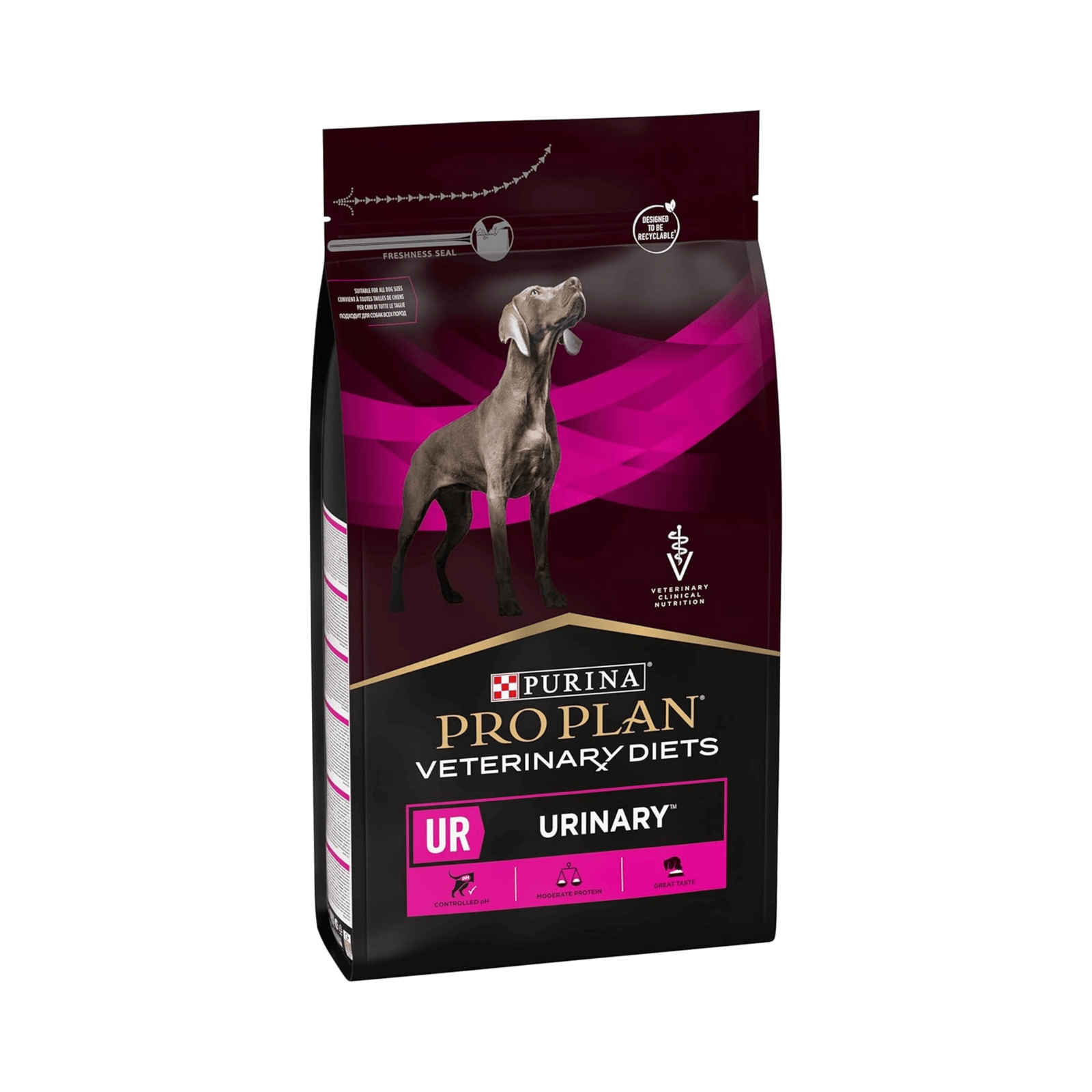
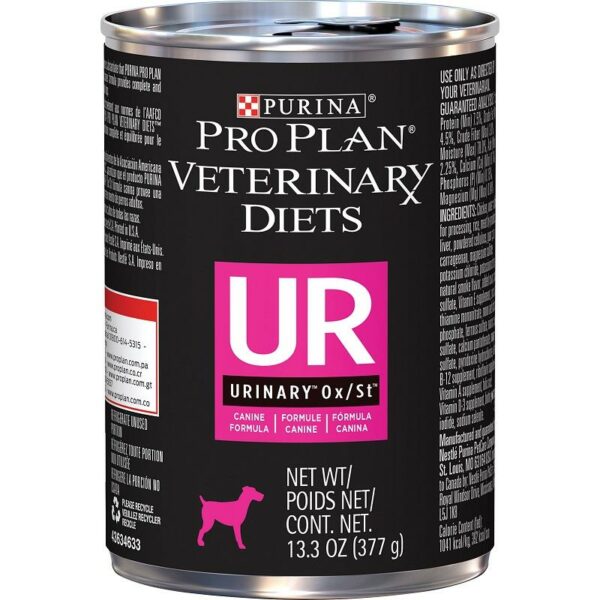
Managing canine urinary issues primarily revolves around specialized nutrition and supportive lifestyle adjustments. The cornerstone of treatment for many urinary conditions is the implementation of urinary diet dog food. These specialized formulas work by modifying the urine’s pH to either dissolve existing stones (like struvite) or prevent the formation of new ones (like calcium oxalate). They often feature controlled levels of specific minerals, such as magnesium, phosphorus, and calcium, and are formulated to increase a dog’s water intake, thereby diluting the urine and reducing the concentration of crystal-forming substances. Some diets also include beneficial supplements like omega-3 fatty acids for anti-inflammatory effects or glucosamine for bladder wall health.
Transitioning to a new urinary diet dog food should always be gradual, typically over seven to ten days, to prevent gastrointestinal upset. It is important to note that many effective urinary diets are prescription-only, emphasizing the need for veterinary guidance.
Beyond diet, increasing a dogs overall hydration is vital. Encouraging water intake through water fountains, offering wet food, or adding water to kibble can significantly help. Maintaining a consistent urination schedule with frequent outdoor access prevents urine from stagnating in the bladder, which can contribute to crystal formation and bacterial growth. Weight management is also crucial, as obesity can exacerbate some urinary conditions. Creating a calm, low-stress environment can also be beneficial, as stress is implicated in conditions like idiopathic cystitis. Regular veterinary check-ups and follow-up urine tests are essential to monitor the effectiveness of the dietary and management strategies.
When Professional Help May Be Needed
While close observation and a supportive home environment are beneficial, there are definitive situations where professional veterinary consultation becomes indispensable. Any observed signs or symptoms indicative of urinary discomfort or dysfunction, as previously described, warrant prompt veterinary attention. These include frequent or painful urination, visible blood in the urine, excessive licking of the genital area, or any sudden change in urination habits.
Veterinary intervention is crucial for proper diagnosis. Urinary symptoms can indicate a range of conditions, from simple infections to severe bladder stones or even life-threatening urinary obstructions. A veterinarian can perform necessary diagnostic tests, such as urinalysis, urine culture, X-rays, or ultrasound, to accurately identify the underlying cause. Attempting to manage these conditions with over-the-counter urinary diet dog food without a precise diagnosis can be ineffective or, in some cases, harmful, as different types of stones require different dietary and medical approaches.
Furthermore, if a dog’s condition does not improve despite dietary changes or if recurrent urinary issues persist, professional veterinary guidance is essential to explore alternative treatments or rule out more complex underlying health problems. A complete urinary obstruction is an emergency that requires immediate veterinary care, as it can be fatal if not addressed rapidly. Responsible pet ownership necessitates seeking professional medical advice for any suspected urinary health concerns to ensure the most appropriate and effective care.
Conclusion
The thoughtful selection and consistent administration of urinary diet dog food represent a critical component in safeguarding a dog’s urinary health. From preventing the formation of painful bladder stones to managing chronic conditions and reducing the likelihood of recurrent infections, specialized nutrition plays an indispensable role. Awareness of common causes, diligent observation for subtle signs and symptoms, and the implementation of practical management strategies are all vital aspects of care. The partnership with a veterinarian for accurate diagnosis and tailored treatment plans ensures that dogs receive the specific dietary and medical support necessary for their unique needs. By prioritizing early detection and consistent, informed care, dog owners significantly contribute to their companion’s comfort, longevity, and overall well-being, reinforcing the commitment to responsible and proactive pet ownership.
Pet Care & Wellness Overview Table
| Life Stage | Daily Activity Level | Key Nutrition / Care Focus |
|---|---|---|
| Puppy / Kitten | High (frequent short bursts) | High-protein growth diet & early socialization |
| Adult Companion | Moderate (30–60 mins daily) | Balanced maintenance nutrition & dental hygiene |
| Senior Pets | Low to Gentle (mindful walks) | Joint support (Glucosamine) & routine vet checks |
Images References


For more expert pet care tips and advice, check out our dedicated Dog Nutrition guides to keep your companions healthy and happy.




