

Introduction
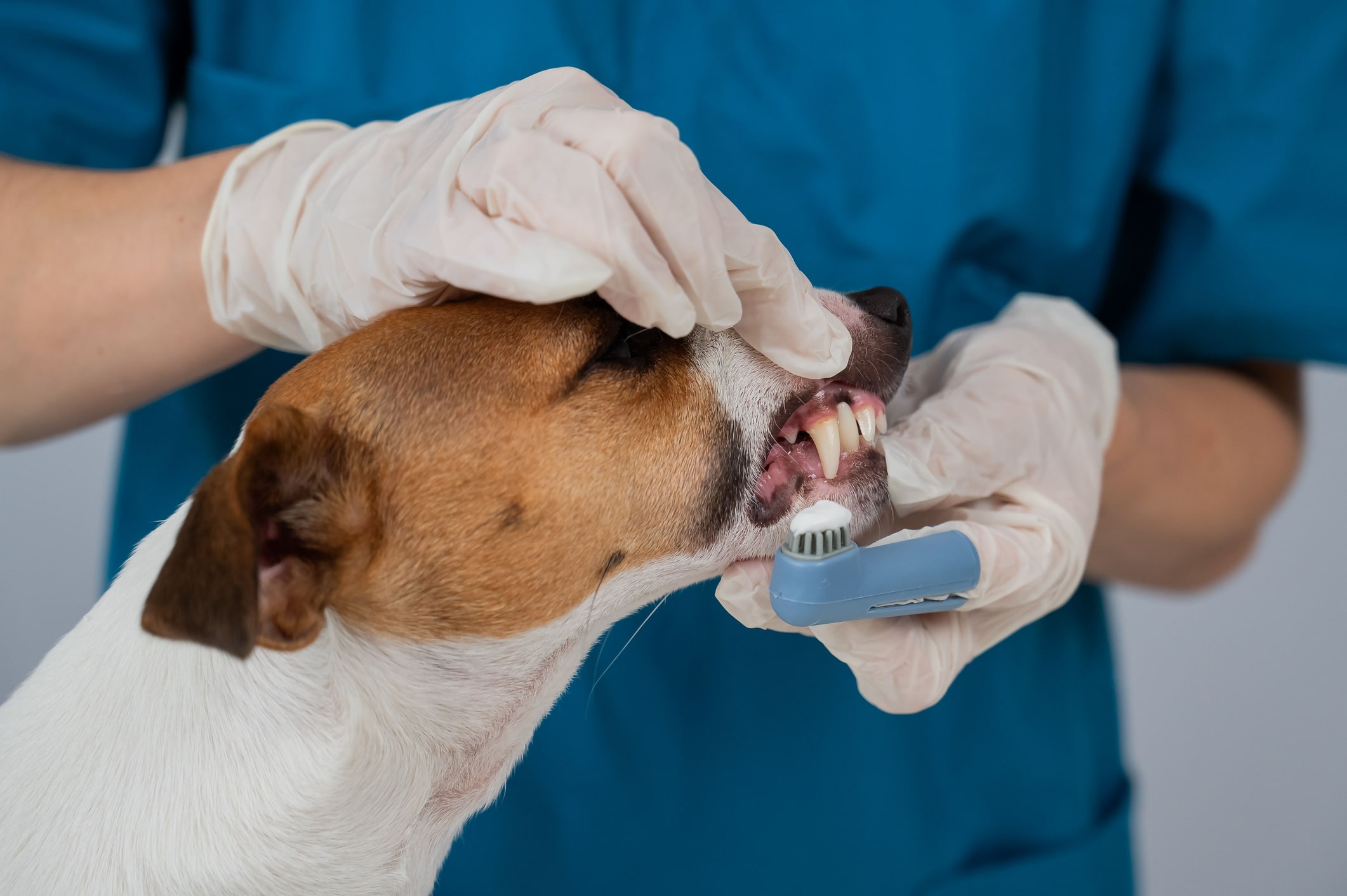
Maintaining optimal health for canine companions extends beyond nutrition, exercise, and routine vaccinations; it crucially encompasses proper dental care. The term “vet recommended dog teeth cleaning” refers to a professional veterinary procedure performed under anesthesia, designed to thoroughly clean a dog’s teeth and assess oral health beyond what daily home care can achieve. This recommendation typically arises when a veterinarian identifies signs of plaque, tartar buildup, gingivitis, or more advanced periodontal disease during a routine examination. Understanding the significance of professional dental cleaning is paramount for dog owners, as poor oral hygiene can lead to a cascade of health issues, impacting a dogs comfort, behavior, and overall quality of life. Proactive engagement with a veterinarian’s advice regarding teeth cleaning can prevent pain, preserve dental function, and safeguard a dogs systemic health.
💡 Pet Care Key Takeaways:
- Core Focus: Practical health, nutrition, and wellness guidelines for Vet Recommended Dog Teeth Cleaning.
- Target Scope: Pet owners, animal caregivers, and veterinary support staff.
- Best Recommendation: Maintain consistent daily routines and consult an accredited veterinarian before introducing major diet or medical changes.
Common Causes and Key Factors
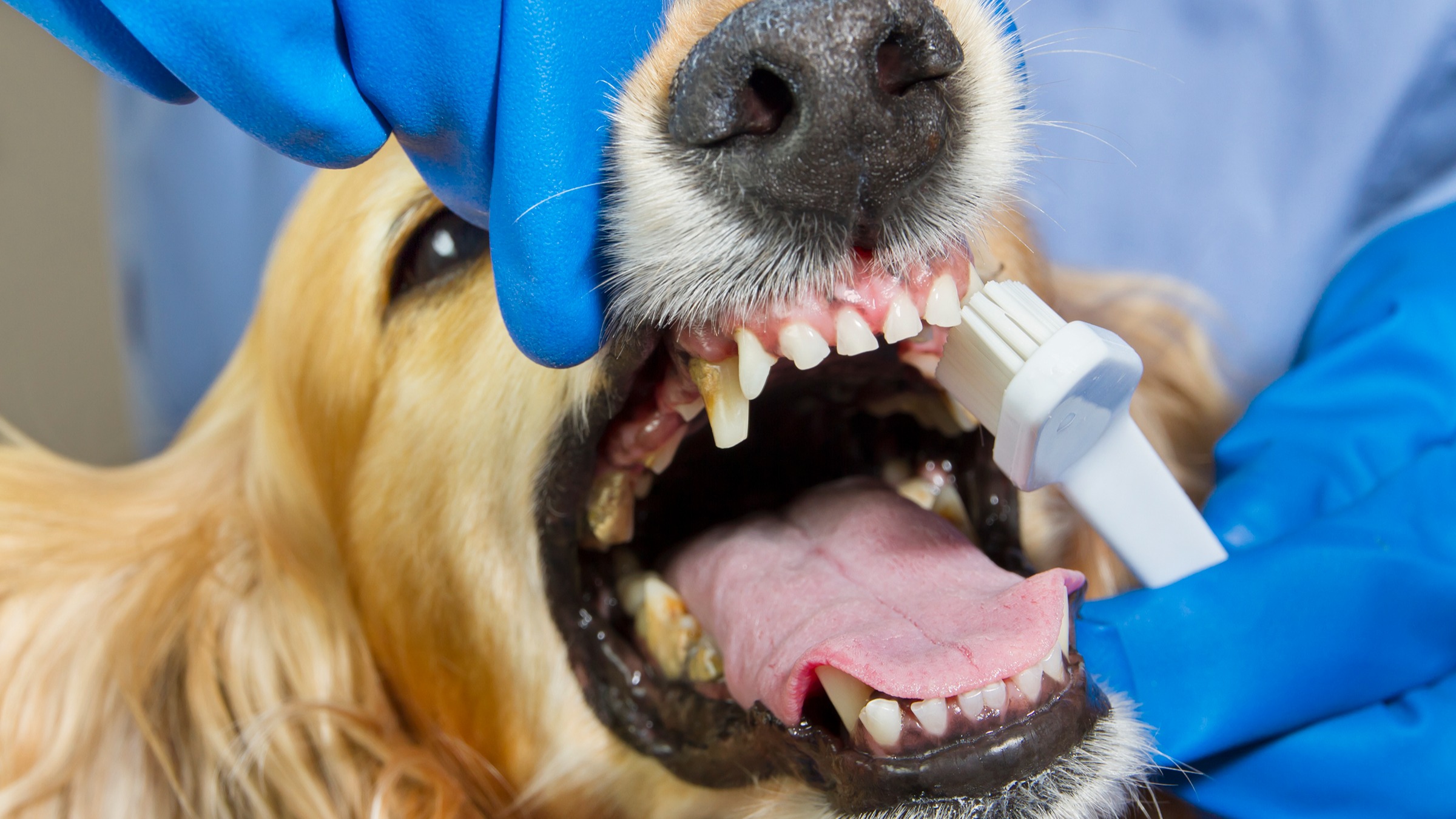
Several factors contribute to the accumulation of plaque and tartar, necessitating a vet recommended dog teeth cleaning. A primary cause is the natural process of bacteria, food particles, and saliva forming plaque on tooth surfaces. If plaque is not removed regularly, it hardens into tartar, a calcified substance that adheres firmly to the teeth and irritates the gums. For more related activities, check out our Home Remedy For Dog With Struvite Crystals.
Diet plays a significant role; softer diets tend to encourage plaque accumulation more readily than harder kibble, which can provide some abrasive action. However, even dogs on dry food can develop substantial dental issues without additional care. Breed predisposition is another key factor, with smaller breeds and brachycephalic (flat-faced) breeds often more susceptible to dental disease due to crowded teeth and jaw conformation. Age is also a major contributor, as plaque and tartar accumulate over time, making older dogs more prone to advanced periodontal disease.
The lack of consistent home dental care, such as regular brushing, is perhaps the most preventable cause. Without daily intervention, the progression from plaque to tartar and subsequently to gingivitis and periodontal disease is often inevitable. Genetic factors can also influence a dog’s susceptibility to dental problems, alongside potential anatomical abnormalities like misaligned teeth, which create traps for food debris and bacteria.
Signs and Symptoms to Observe
Recognizing the signs and symptoms of dental problems in a dog is crucial for timely intervention and for understanding when a vet recommended dog teeth cleaning may be necessary. The most common and often earliest indicator is halitosis, or bad breath, which results from bacterial accumulation in the mouth. As dental disease progresses, several other observable signs become apparent.
Visually, owners may notice a yellow or brown accumulation on the tooth surfaces, particularly along the gum line, which is indicative of tartar buildup. Gums may appear red, swollen, or even bleed, indicating gingivitis. In more severe cases, teeth might appear loose, or some may even be missing entirely. Receding gums can expose tooth roots, causing sensitivity and pain.
Behavioral changes are also significant indicators. A dog experiencing oral pain may show reluctance to eat, especially hard kibble or treats, or may chew predominantly on one side of the mouth. Pawing at the mouth, increased drooling, or a general decrease in appetite can also signal discomfort. Some dogs may become irritable or withdrawn due to persistent pain. These signs can vary depending on a dogs age, breed, and the severity of the dental disease, with smaller breeds often showing symptoms earlier due to their predisposition. Consistent observation of a dogs eating habits and general demeanor is vital for early detection.
Practical Solutions and Management Strategies
While a vet recommended dog teeth cleaning addresses existing dental disease, several practical home care strategies can help maintain oral health and potentially reduce the frequency of professional cleanings. The cornerstone of effective home dental care is daily tooth brushing. This involves using a dog-specific toothbrush and toothpaste, as human toothpaste contains ingredients that are harmful if swallowed by dogs. Brushing helps mechanically remove plaque before it hardens into tartar.
Dental chews and specially formulated dental diets can also play a supportive role. It is important to choose products approved by the Veterinary Oral Health Council (VOHC) to ensure their efficacy in reducing plaque and tartar. These products work through mechanical abrasion or through specific ingredients that help break down plaque. Water additives designed to reduce bacteria in the mouth are another convenient option, though they are generally less effective than brushing.
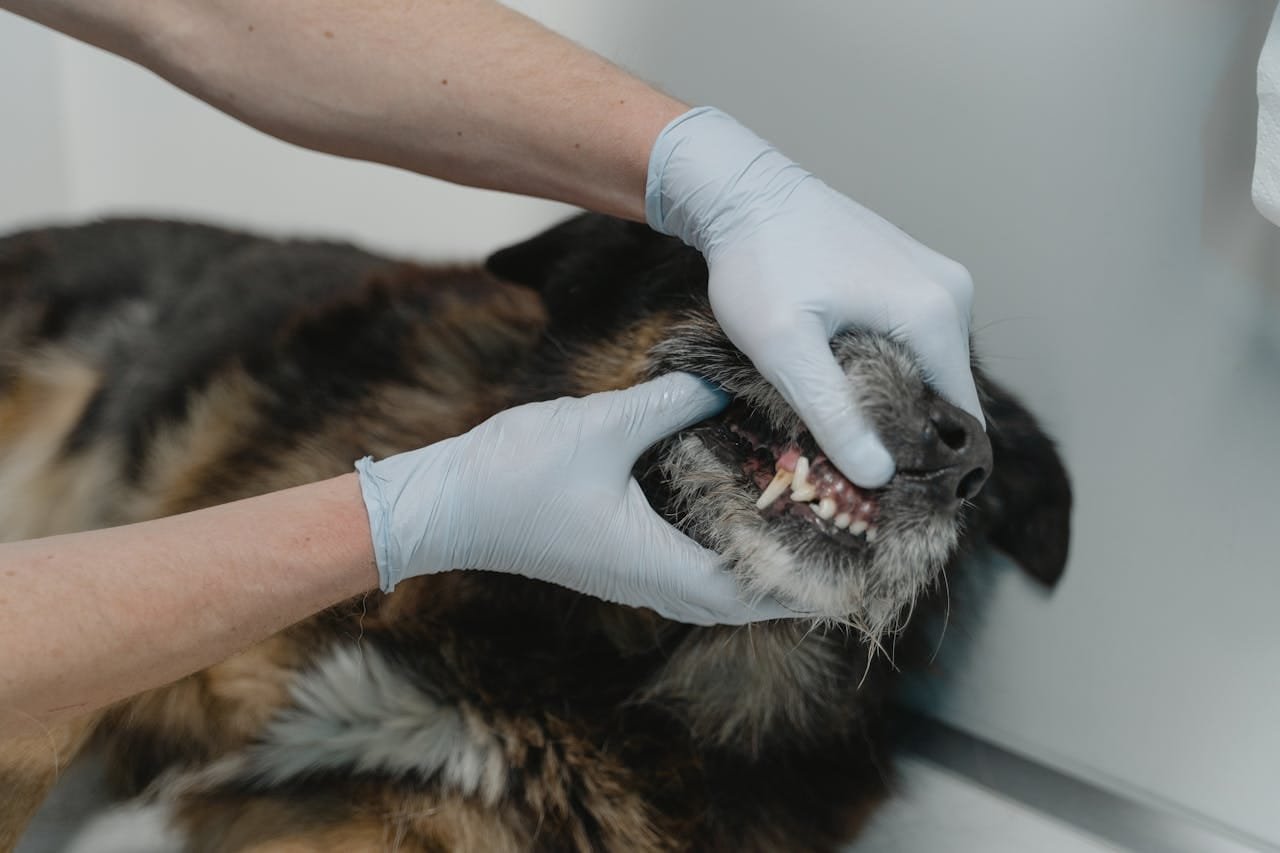
Routine oral inspections performed by the owner can help monitor the condition of a dog’s teeth and gums between veterinary visits. This involves gently lifting the lips to examine the tooth surfaces and gum line for any early signs of redness, swelling, or tartar buildup. These daily practices and preventative measures are essential for complementing professional care and promoting long-term dental well-being.
When Professional Help May Be Needed
While diligent home care is invaluable, there are definitive situations where a vet recommended dog teeth cleaning becomes necessary. If a dog displays persistent bad breath, visible tartar accumulation, red and swollen gums, or any behavioral signs of oral pain despite home efforts, professional veterinary attention is warranted. These symptoms often indicate the presence of gingivitis or more advanced periodontal disease, which cannot be resolved with brushing alone.
A veterinarian’s assessment typically involves a thorough oral examination to gauge the extent of plaque and tartar, gum inflammation, and any potential loose or fractured teeth. If significant dental disease is identified, a professional cleaning under anesthesia is recommended. This procedure allows for a complete and safe removal of plaque and tartar both above and below the gum line, where much of the damaging bacteria reside. It also enables the veterinarian to probe for periodontal pockets, perform dental X-rays to assess bone loss and hidden tooth pathology, and extract any teeth that are severely diseased or painful.
Pre-anesthetic blood work is crucial to ensure a dog is healthy enough for anesthesia, especially in older pets or those with underlying health conditions. The decision for a professional dental cleaning is always made in the best interest of a dog’s health, weighing the risks of anesthesia against the significant health detriments of untreated dental disease. Regular veterinary check-ups are essential for monitoring oral health and determining the appropriate frequency for professional cleanings.
Conclusion
The importance of vet recommended dog teeth cleaning cannot be overstated in ensuring a dog’s overall health and comfort. From understanding the common factors that lead to dental disease, such as diet and genetics, to recognizing the observable signs of discomfort, dog owners play a critical role in their pet’s oral hygiene journey. While diligent home care strategies, including daily brushing and dental-specific products, are vital preventative measures, there comes a point when professional veterinary intervention becomes necessary to address established dental problems. Regular collaboration with a veterinarian for routine oral health assessments and, when advised, professional cleanings under anesthesia, helps prevent pain, preserves dental function, and mitigates the systemic health risks associated with untreated periodontal disease. Proactive dental health management is a cornerstone of responsible pet ownership, contributing significantly to a longer, happier, and healthier life for canine companions.
Pet Care & Wellness Overview Table
| Life Stage | Daily Activity Level | Key Nutrition / Care Focus |
|---|---|---|
| Puppy / Kitten | High (frequent short bursts) | High-protein growth diet & early socialization |
| Adult Companion | Moderate (30–60 mins daily) | Balanced maintenance nutrition & dental hygiene |
| Senior Pets | Low to Gentle (mindful walks) | Joint support (Glucosamine) & routine vet checks |
Images References





For more expert pet care tips and advice, check out our dedicated Dog Health guides to keep your companions healthy and happy.


