

Introduction
For many dog owners, particularly those navigating the early stages of puppyhood or caring for a senior companion, the term “wee wee pad” is a familiar and often invaluable tool. These absorbent pads, designed specifically for canine urination, serve as designated indoor potty areas, offering a practical solution for house training, managing incontinence, or providing relief during times when outdoor access is limited. Understanding the appropriate use and limitations of a wee wee pad can significantly enhance a dogs training progress, contribute to improved hygiene within the home, and support a pet’s overall comfort and well-being, adapting to various life stages and circumstances. This approach can lead to a more harmonious living environment for both canine and human companions.
💡 Pet Care Key Takeaways:
- Core Focus: Practical health, nutrition, and wellness guidelines for Wee Wee Pad.
- Target Scope: Pet owners, animal caregivers, and veterinary support staff.
- Best Recommendation: Maintain consistent daily routines and consult an accredited veterinarian before introducing major diet or medical changes.
Common Causes and Key Factors
The decision to introduce a wee wee pad into a dog’s routine often stems from several key factors, each with its own set of considerations. For young puppies, the primary reason is house training. Their developing bladder control and limited ability to hold urine for extended periods make indoor solutions necessary, especially before they are fully vaccinated and ready for outdoor excursions. For more related activities, check out our Cesar Millan How To Stop Puppy Biting.
Another significant factor is the care of senior dogs or those with health conditions. Age-related incontinence, mobility issues that make outdoor trips difficult, or medical conditions such as diabetes or kidney disease can lead to increased urination frequency or urgency, making a wee wee pad a compassionate necessity.
Environmental circumstances also play a crucial role. Dogs living in high-rise apartments without immediate outdoor access, or those whose owners work long hours, may benefit from a designated indoor relief area. Similarly, extreme weather conditions, whether scorching heat or freezing temperatures, can make regular outdoor potty breaks impractical or uncomfortable for some breeds, particularly small dogs or those with short coats. Dogs recovering from surgery or injury also often require indoor solutions during their recuperation period.
Signs and Symptoms to Observe
Observing a dogs behavior around a wee wee pad provides crucial insights into its effectiveness and potential areas for adjustment. When a dog consistently seeks out and uses the pad for urination and defecation, it indicates successful training and acceptance of the designated area. This behavior is ideal and suggests proper placement and positive reinforcement.
However, variations in behavior can signal underlying issues. A dog that frequently urinates or defecates near the pad, rather than directly on it, might be indicating that the pad is too small, its location is inconvenient, or the dog is not entirely confident in targeting the spot. Similarly, a dog that avoids the wee wee pad entirely, opting for other indoor locations, could be communicating a preference for a different texture, an aversion to the pad’s scent, or a fundamental misunderstanding of its purpose.
A sudden increase in accidents, even from a dog previously reliable with a wee wee pad, warrants attention. This change could point to a developing medical condition, such as a urinary tract infection, kidney issues, or even cognitive decline in older dogs. Any signs of discomfort during urination, such as straining, whining, or excessive licking, also necessitate immediate investigation. Observing these subtle cues helps owners proactively address needs and maintain a pets health and well-being.
Practical Solutions and Management Strategies
Effective management of a wee wee pad system revolves around consistency, proper training, and careful observation. For puppies, establishing a routine is paramount. Immediately after waking, after meals, and before bedtime are critical times to guide the puppy to the wee wee pad. Positive reinforcement, such as verbal praise and a small treat, should be given immediately upon successful use of the pad. This builds a strong association between the act and a reward.
Pad selection and placement are also vital. Choose an absorbent pad appropriate for the dog’s size and expected volume. The pad should be placed in a quiet, easily accessible location away from the dog’s food, water, and sleeping areas. For dogs transitioning to outdoor potty training, gradually moving the pad closer to the exit door, and eventually outside, can facilitate the process.
Maintaining strict hygiene is essential to prevent odor buildup and discourage future accidents elsewhere in the home. Used pads should be removed promptly, and the area underneath thoroughly cleaned to eliminate residual scents. For senior dogs or those with mobility challenges, ensuring the pad is on a non-slip surface and easily reachable without navigating stairs or obstacles enhances their comfort and willingness to use it. Consideration of protective layers or reusable options can also be beneficial for long-term use.
When Professional Help May Be Needed
While wee wee pads offer a practical solution for many situations, certain circumstances warrant professional intervention. Any sudden or significant change in a dog’s urination habits, particularly a shift from successful pad use to frequent accidents, should prompt a veterinary visit. Symptoms such as increased frequency, straining, crying during urination, blood in the urine, excessive thirst, or lethargy can indicate underlying medical conditions like urinary tract infections, kidney disease, diabetes, or even cognitive dysfunction in older dogs. A veterinarian can accurately diagnose these issues and recommend appropriate treatment.
For persistent house training challenges where a dog consistently avoids the wee wee pad despite consistent positive reinforcement and environmental adjustments, consulting a professional dog trainer or a certified animal behaviorist can be highly beneficial. These experts can assess specific behaviors, identify potential stressors or misunderstandings, and develop a tailored training plan to address the root cause of the issue. Seeking professional guidance ensures that both the dog’s physical health and behavioral well-being are adequately addressed, leading to more effective and humane solutions.
Conclusion
The wee wee pad stands as a versatile and often indispensable tool in the comprehensive care of dogs, from the foundational stages of puppy training to managing the specific needs of senior pets. Its effective integration into a dog’s routine hinges on understanding the underlying reasons for its use, keen observation of canine behavior, and the consistent application of appropriate management strategies. Whether providing a crucial interim solution for house training, offering comfort to dogs with limited mobility, or serving as a safety net during an owner’s absence, the wee wee pad contributes significantly to a dog’s welfare and a harmonious home environment. Awareness, diligent care, and the timely seeking of professional advice for any health or persistent behavioral concerns ensure that this tool remains an effective and beneficial component of responsible pet ownership.
Pet Care & Wellness Overview Table
| Life Stage | Daily Activity Level | Key Nutrition / Care Focus |
|---|---|---|
| Puppy / Kitten | High (frequent short bursts) | High-protein growth diet & early socialization |
| Adult Companion | Moderate (30–60 mins daily) | Balanced maintenance nutrition & dental hygiene |
| Senior Pets | Low to Gentle (mindful walks) | Joint support (Glucosamine) & routine vet checks |
Images References
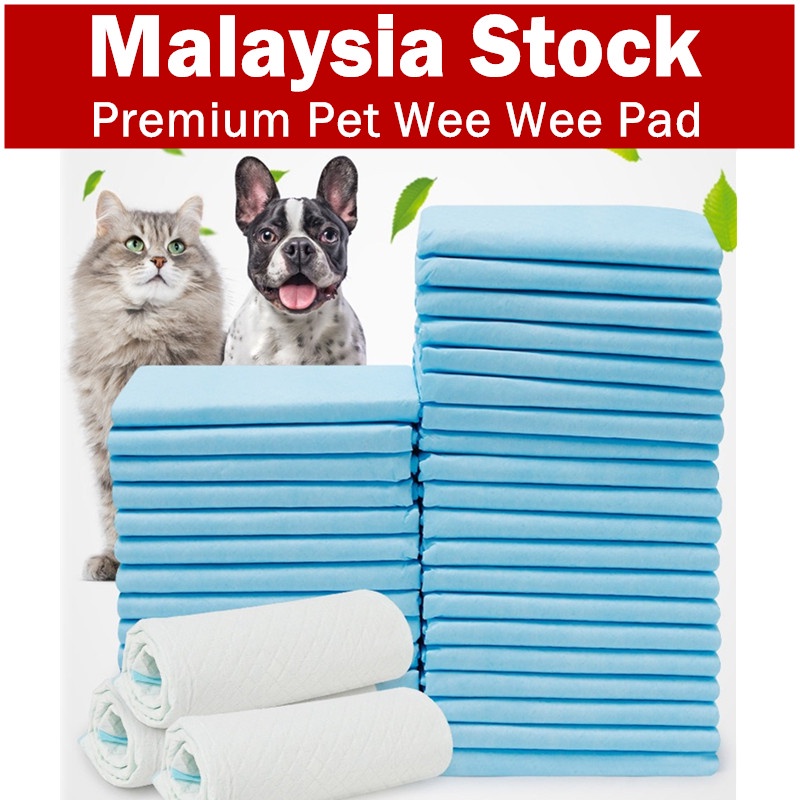





For more expert pet care tips and advice, check out our dedicated Dog Training guides to keep your companions healthy and happy.




