

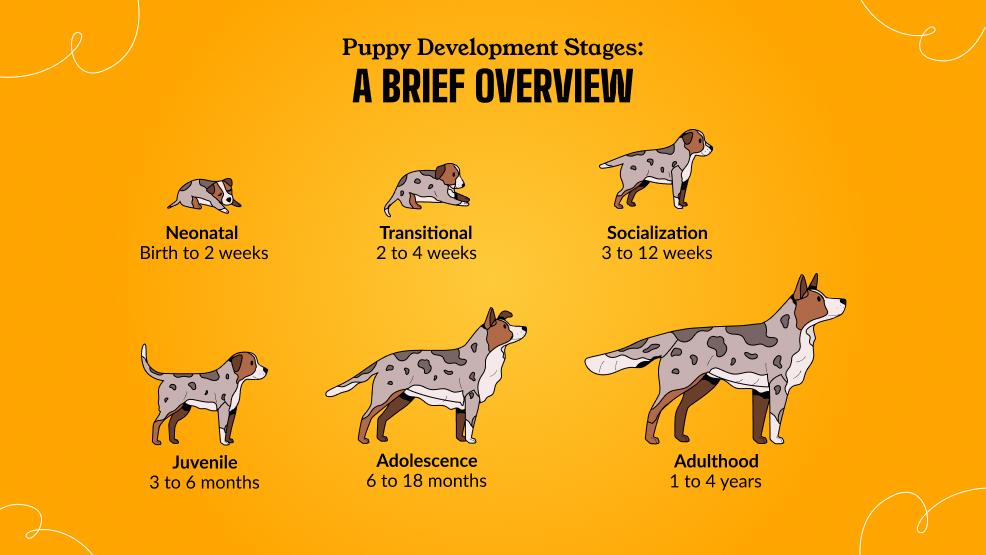
According to the American Kennel Club, canine adolescence typically begins around six months of age and continues well into the second year of life. During this transitional period, households often witness a sudden shift in canine demeanor. Sweet, compliant puppies can quickly transform into independent explorers who test boundaries with remarkable persistence. Professional behaviorists frequently field calls from concerned caregivers wondering why their previously well-mannered companion suddenly ignores basic cues. Recognizing that this developmental stage is entirely normal helps ease frustration and fosters patience.
💡 Pet Care Key Takeaways:
- Core Focus: Practical health, nutrition, and wellness guidelines for What Is Typical 9 Month Puppy Behavior.
- Target Scope: Pet owners, animal caregivers, and veterinary support staff.
- Best Recommendation: Maintain consistent daily routines and consult an accredited veterinarian before introducing major diet or medical changes.
Adolescent canine development brings a unique combination of surging hormones, shifting cognitive milestones, and boundless energy reserves.
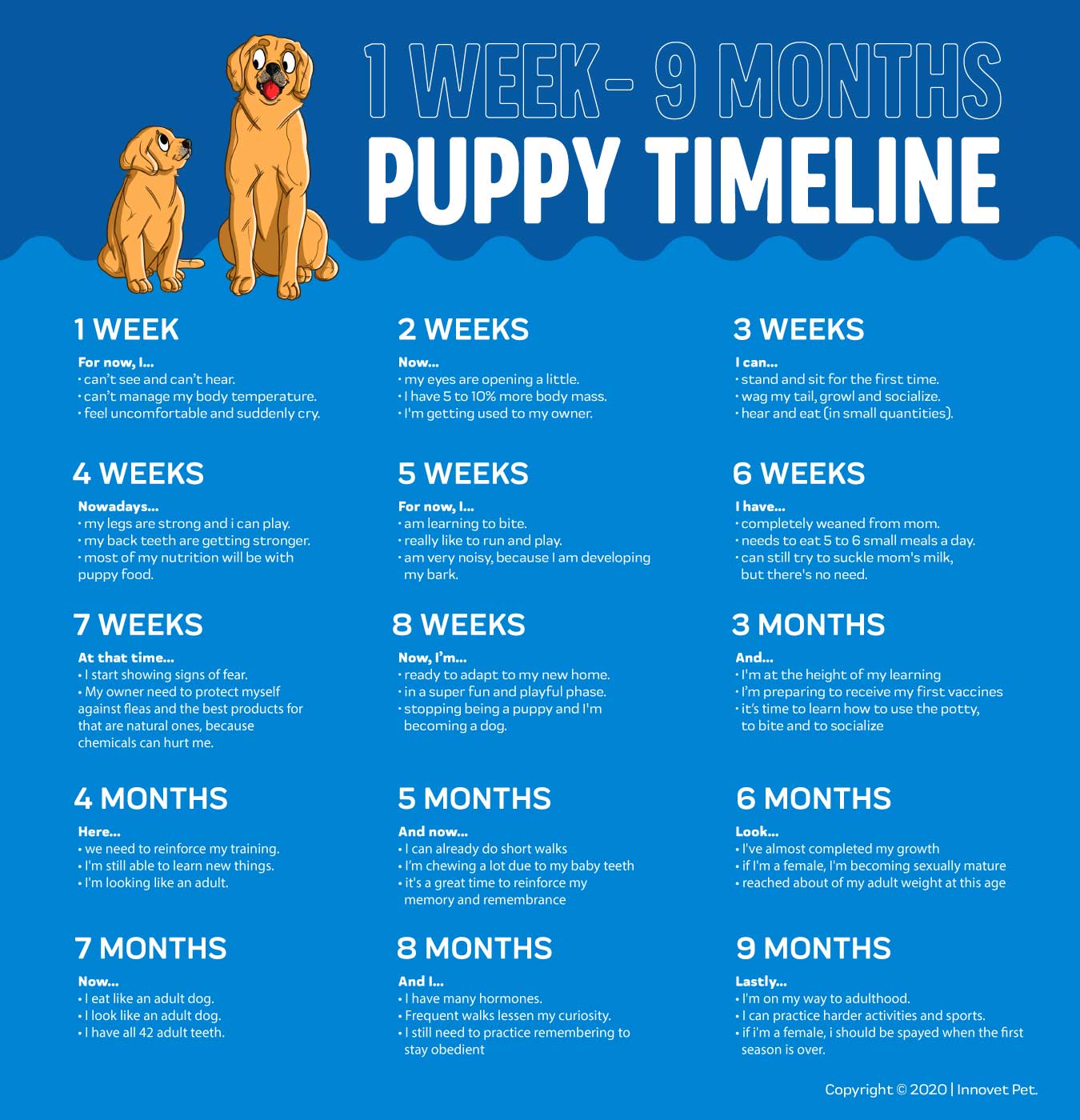
What is typical 9 month puppy behavior involves a fascinating blend of physical maturity and emotional experimentation. At this age, dogs possess adult-sized bodies yet retain juvenile impulse control, leading to frequent bouts of overexcitement. Canine adolescence marks the time when scent gland development and hormonal surges peak, prompting intense curiosity about the surrounding environment. In professional practice, observing a nine-month-old often reveals a creature caught between the desire for independence and the comfort of human attachment. Sniffing walks take significantly longer, and familiar commands might temporarily vanish from memory as the brain undergoes heavy neurological rewiring.
Managing this transitional phase successfully protects physical well-being while establishing lifelong behavioral foundations.
Ignoring the underlying causes of adolescent restlessness can lead to chronic destructive habits or accidental injuries from unmanaged environmental exploration. Establishing consistent routines in Dog Training mitigates the impact of teenage defiance and reinforces reliable household manners. Furthermore, channeling high energy into structured tasks prevents the development of separation anxiety or excessive vocalization. Providing appropriate outlets for chewing and scavenging satisfies biological urges safely, reducing the likelihood of household item destruction.
Adolescent dogs experience a temporary regression in listening skills due to active neurological pruning and hormonal changes during growth. — American Kennel Club
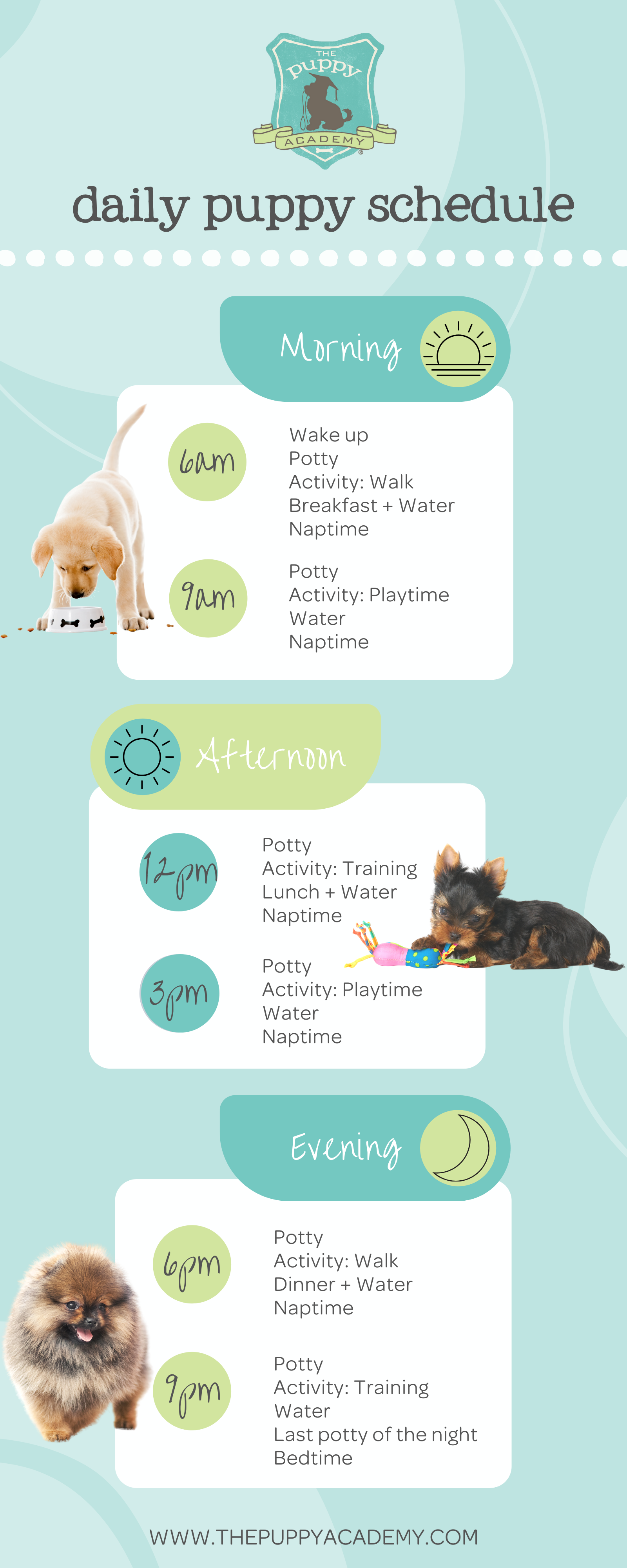
Addressing behavioral shifts requires a combination of environmental management, clear communication, and consistent daily exercise. Reinforcing desired actions with high-value rewards encourages repeat compliance without damaging the human-animal bond. When introducing new environments, keeping handling sessions brief prevents mental fatigue and reduces frustration for both parties. Additionally, rotating puzzle toys prevents boredom, which remains a primary catalyst for unwanted behaviors during these formative months.
Avoiding common pitfalls ensures that adolescent boundary testing does not escalate into permanent behavioral problems.
A frequent mistake involves abandoning established rules under the assumption that the animal is simply being stubborn or spiteful. Punitive or dominance-based techniques must be strictly avoided, as these methods only increase fear and undermine trust during a sensitive developmental window. Instead, maintaining clear, predictable expectations preserves confidence and promotes steady emotional maturation. Caregivers should also ensure that adequate mental enrichment accompanies physical exercise, as tired minds behave much better than exhausted bodies.
Positive reinforcement methods successfully reduce stress-related behavioral flare-ups in adolescent canines compared to traditional aversive corrections. — Association of Professional Dog Trainers
Pet Care & Wellness Overview Table
| Life Stage | Daily Activity Level | Key Nutrition / Care Focus |
|---|---|---|
| Puppy / Kitten | High (frequent short bursts) | High-protein growth diet & early socialization |
| Adult Companion | Moderate (30–60 mins daily) | Balanced maintenance nutrition & dental hygiene |
| Senior Pets | Low to Gentle (mindful walks) | Joint support (Glucosamine) & routine vet checks |
Images References


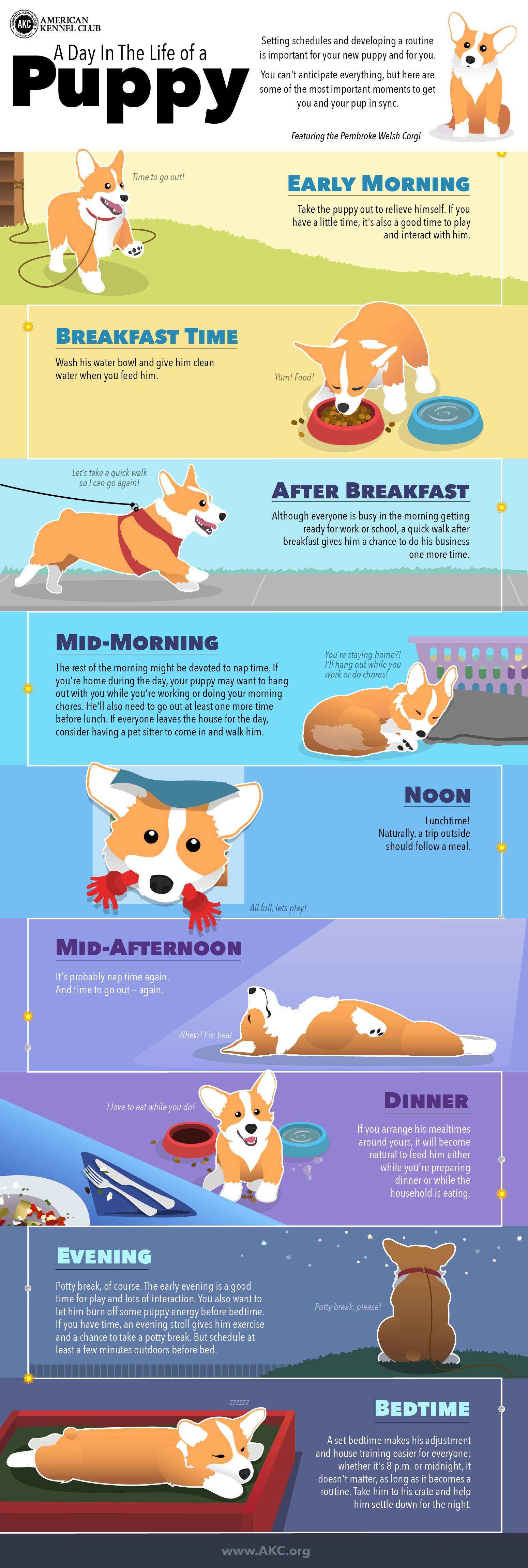
Breed characteristics and individual temperament heavily influence how adolescent traits manifest in daily life.
Smaller companion breeds often reach social maturity slightly faster than large or giant working lines, yet their teenage antics can be equally pronounced. Exploring different Dog Breeds reveals that hunting or guarding types may display heightened reactivity or strong predatory drift during this stage. Understanding these innate predispositions allows for tailored management strategies that respect the individual animal’s genetic background. For instance, a high-drive herding adolescent will require intense directional tasks to redirect busy minds away from chasing moving objects.
Consulting a qualified professional becomes essential when adolescent challenges escalate into severe fear, anxiety, or reactivity.
While normal teenage testing resolves with consistent guidance, certain warning signs require expert intervention. Persistent aggression, sudden fear of familiar objects, or unrelenting self-destructive chewing warrant a thorough evaluation. Partnering with a certified trainer or veterinary behaviorist ensures that underlying medical discomfort or deep-seated anxiety is addressed safely. Reviewing guidance within Dog Behavior resources provides additional insight, but professional guidance remains irreplaceable for complex behavioral challenges.
Supporting a growing companion through this dynamic life stage strengthens the foundation for a peaceful adult relationship.
Embracing the complexities of canine adolescence with empathy and structured patience transforms a challenging era into an opportunity for deep connection. Maintaining optimal Dog Health through regular veterinary checkups ensures that sudden behavioral shifts are not masking hidden physical pain. Every household embarking on this journey can find valuable advice and community support right here at PetsAnimalsWorld.com, where expert guidance meets everyday care, complementing foundational practices found across Dog Care.




