

Introduction
Maintaining a dog’s ear health is a crucial aspect of responsible pet ownership, and understanding common ailments is key to ensuring their comfort. Among the various ear issues dogs can face, a yeast infection is particularly prevalent, often causing significant discomfort and distress. The phrase “yeast infection dog ear home treatment” refers to the management and care strategies that owners can implement at home for mild cases or as a supportive measure under veterinary guidance. This condition, primarily caused by an overgrowth of the naturally occurring yeast Malassezia pachydermatis, commonly occurs in warm, moist environments, making a dog’s ear canal an ideal breeding ground. Early recognition and appropriate home treatment, when suitable, can significantly improve a dog’s well-being, reduce pain, prevent the escalation of the infection, and contribute positively to their overall quality of life.
💡 Pet Care Key Takeaways:
- Core Focus: Practical health, nutrition, and wellness guidelines for Yeast Infection Dog Ear Home Treatment.
- Target Scope: Pet owners, animal caregivers, and veterinary support staff.
- Best Recommendation: Maintain consistent daily routines and consult an accredited veterinarian before introducing major diet or medical changes.
Common Causes and Key Factors
Understanding the root causes of a yeast infection in a dog’s ear is fundamental to effective home treatment and prevention. Several factors can predispose a dog to these uncomfortable infections. Biologically, the anatomical structure of certain dog breeds plays a significant role; dogs with long, floppy ears, such as Cocker Spaniels, Basset Hounds, or Golden Retrievers, are more susceptible. These ear types can trap moisture and limit air circulation, creating a warm, humid environment ideal for yeast proliferation. For more related activities, check out our Breeds Susceptable To Diabetes.
Allergies are another primary catalyst. Both environmental allergies (atopy) and food allergies can cause inflammation and irritation in the ear canal, altering its natural balance and making it more welcoming for yeast. Underlying health conditions, such as hypothyroidism or a compromised immune system, can also weaken the body’s defenses, making dogs more prone to infections. Excessive ear wax production can also provide a rich food source for yeast.
Environmental factors are also critical. Regular exposure to moisture, whether from swimming, bathing, or humid climates, can lead to water retention in the ear canal if not properly dried. Similarly, improper ear cleaning techniques or using irritating products can disrupt the delicate microflora within the ear, paving the way for yeast overgrowth.
Signs and Symptoms to Observe
Recognizing the early signs and symptoms of a yeast infection in a dog’s ear is paramount for timely intervention and successful home treatment. Pet owners should pay close attention to any changes in their dog’s behavior or the appearance of their ears.
One of the most common observable signs is frequent scratching or pawing at the ear. Dogs may also exhibit excessive head shaking or tilting their head to one side, attempting to dislodge whatever is causing them discomfort. Rubbing the affected ear on furniture, carpets, or the ground is another strong indicator of irritation. A dog might also show signs of pain or sensitivity when the ear is touched, potentially pulling away or vocalizing. In some cases, a dogs temperament may shift, becoming more irritable or withdrawn due to persistent discomfort.
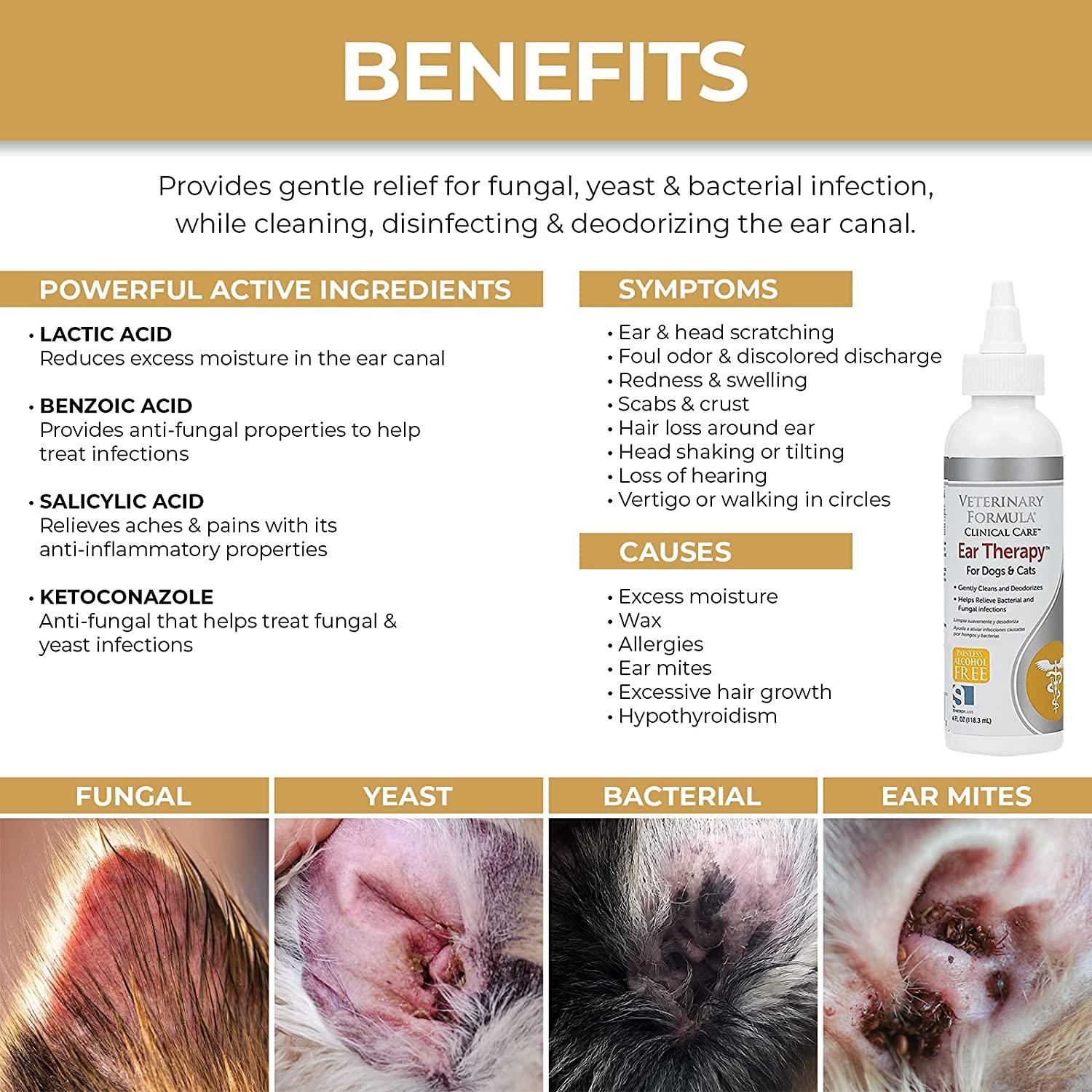
Physically, the ear itself will often present visible changes. Owners might notice redness or inflammation inside the ear flap and within the ear canal. A characteristic symptom is a dark, waxy, or greasy discharge, which can range in color from brown to black. This discharge is frequently accompanied by a distinct, unpleasant, sweet-musty odor emanating from the ear, often described as smelling like stale bread or corn chips. In chronic or severe cases, the skin within the ear canal may appear thickened, leathery, or even show signs of hair loss around the ear due due to constant scratching. Crusting or scabbing around the ear opening can also be present. These signs can vary in intensity depending on the dog’s age, breed, and the severity of the infection, with floppy-eared breeds often exhibiting more pronounced symptoms due to the enclosed environment.
Practical Solutions and Management Strategies
For mild cases of yeast infection in a dog’s ear, or as a supportive measure for ongoing management, several practical home treatment strategies can be implemented. It is crucial to emphasize that these methods are most effective for initial, non-severe infections and should ideally be discussed with a veterinarian to ensure proper diagnosis and suitability.
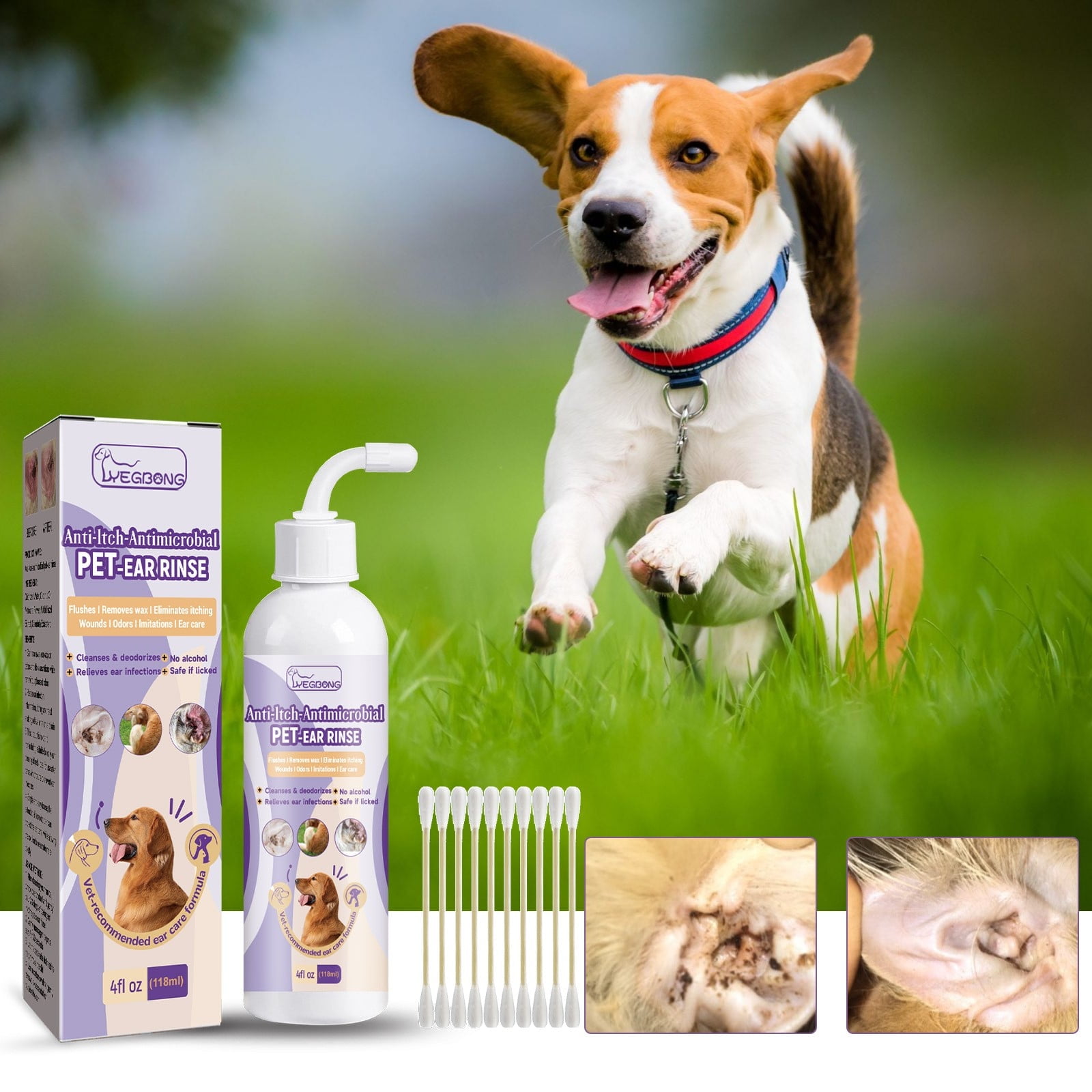
Gentle Ear Cleaning: Regular, gentle cleaning is a cornerstone of effective home care. A veterinarian-approved ear cleaner, specifically formulated for dogs and designed to be non-irritating and pH-balanced, should be used. To clean the ear, the cleaner is applied generously into the ear canal. The base of the ear is then massaged gently for about 30 seconds to help break up debris. The dog will likely shake its head, which helps move the cleaner and debris out. Finally, a cotton ball or soft gauze is used to wipe away any visible discharge and cleaner from the outer ear and ear flap. Cotton swabs should be avoided deep within the canal, as they can push debris further in or damage sensitive structures. Initially, cleaning might be done daily or every other day, gradually reducing to weekly for maintenance once improvement is observed.
Thorough Drying: Moisture is a prime factor in yeast overgrowth. After swimming, bathing, or even during humid weather, it is imperative to thoroughly dry a dog’s ears using a soft cloth or cotton ball. For active dogs or those prone to moisture accumulation, veterinarian-recommended ear drying solutions can be beneficial.
Dietary Considerations: While not a direct “treatment,” some owners explore dietary adjustments. It is believed that yeast can thrive on sugars. Therefore, a diet with limited processed foods and reduced carbohydrates might be considered, although this should be discussed with a veterinarian or a veterinary nutritionist. Probiotics can also be introduced to support overall gut health and a robust immune system, which can indirectly contribute to better ear health.
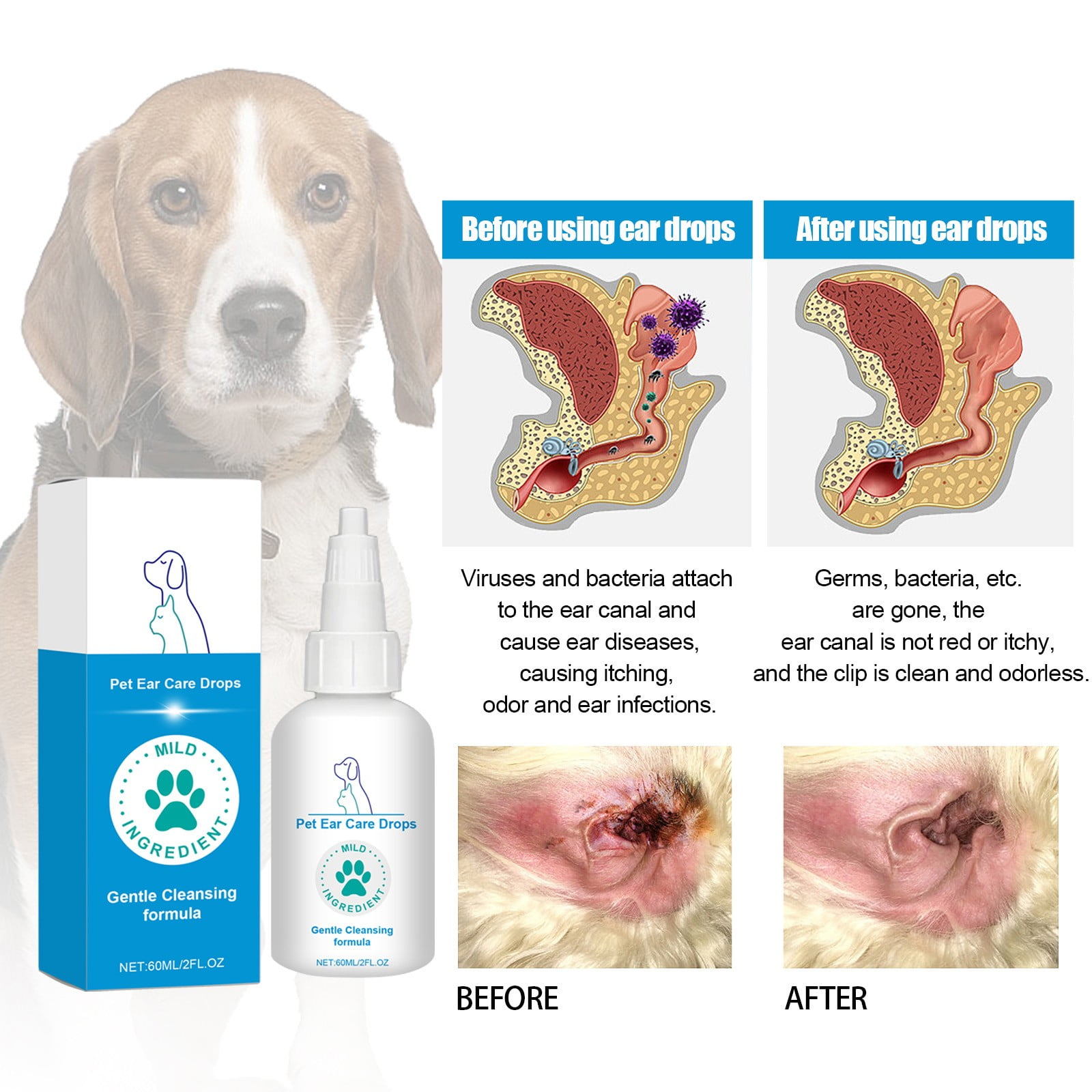
Topical Applications (with caution): For very mild cases, and only after veterinary consultation, certain topical applications might be considered. Diluted solutions of apple cider vinegar (e.g., 50/50 with water) have been anecdotally used for their acidic properties, which can make the ear canal less hospitable for yeast. However, great caution is needed as vinegar should never be used on broken skin or in cases of deep infection, as it can cause significant pain and irritation. Coconut oil, with its purported antifungal properties, may be applied topically to soothe and moisturize the ear, but it is not a primary treatment for active infections. Over-the-counter pet ear drops specifically designed for yeast (often containing mild antifungal agents like miconazole or clotrimazole) are available, but a veterinary diagnosis is crucial to ensure the correct problem is being addressed and to avoid masking more serious issues.
Environmental Management: Maintaining a clean living environment for the dog, including regular cleaning of bedding, can also help reduce exposure to potential irritants and allergens that might exacerbate ear issues. Addressing any known underlying allergies is a proactive step in preventing recurrent yeast infections. Consistency in these practices is key, as yeast infections can take time to resolve fully.
When Professional Help May Be Needed
While home treatment strategies can be beneficial for mild cases of yeast infection in a dog’s ear, there are critical situations where immediate veterinary consultation is not just advisable but essential. Recognizing these instances helps ensure the dog receives the most appropriate and effective care, preventing the escalation of the condition and safeguarding its long-term health.
Professional help is unequivocally needed if symptoms persist or worsen despite consistent home treatments over a few days. Increased pain, swelling, a foul odor, or a more profuse discharge are clear indicators that the infection is progressing and requires veterinary intervention.
Severe symptoms, such as the dog crying out when its ear is touched, developing a head tilt, exhibiting a loss of balance, or showing extreme lethargy, signify a potentially serious underlying issue or a deep-seated infection that home remedies cannot address. These could indicate a middle or inner ear infection, which can have significant consequences if left untreated.
Recurrent ear infections are another strong signal for professional evaluation. Frequent episodes often point to an underlying problem that needs to be diagnosed and managed by a veterinarian. This could include undiagnosed allergies (food or environmental), foreign bodies lodged deep in the ear canal, polyps, or even tumors that create an environment conducive to chronic infections.
Any uncertainty regarding the diagnosis should also prompt a veterinary visit. Distinguishing between a yeast infection, bacterial infection, ear mites, or other conditions requires specialized tools and expertise. An incorrect diagnosis can lead to ineffective treatment and prolong suffering. Furthermore, if there is any visible broken skin, ulcerations, or excessive redness within the ear, home treatments could be irritating or even harmful, necessitating professional medical attention. A veterinarian can perform an otoscopic examination, take samples for cytology (microscopic examination of ear discharge), and prescribe targeted medications, including potent antifungal, antibacterial, or anti-inflammatory drugs, while simultaneously addressing any underlying causes.
Conclusion
Yeast infections in a dog’s ear are a common and often uncomfortable ailment that many owners encounter. Understanding the nuances of “yeast infection dog ear home treatment” involves recognizing predisposing factors, identifying key signs and symptoms early, and implementing careful, consistent management strategies. From diligent ear cleaning and thorough drying to considering dietary influences, proactive home care plays a significant role in maintaining canine ear health and comfort. However, responsible pet ownership dictates that these home efforts are balanced with a clear understanding of when professional veterinary consultation becomes necessary. Early observation, consistent care, and timely veterinary intervention for persistent or severe cases significantly contribute to a dog’s overall well-being, reducing discomfort and promoting a happier, healthier life.
Pet Care & Wellness Overview Table
| Life Stage | Daily Activity Level | Key Nutrition / Care Focus |
|---|---|---|
| Puppy / Kitten | High (frequent short bursts) | High-protein growth diet & early socialization |
| Adult Companion | Moderate (30–60 mins daily) | Balanced maintenance nutrition & dental hygiene |
| Senior Pets | Low to Gentle (mindful walks) | Joint support (Glucosamine) & routine vet checks |
Images References





For more expert pet care tips and advice, check out our dedicated Dog Health guides to keep your companions healthy and happy.




