

Understanding the challenging behavior behind aggressive puppies at 12 weeks
According to the American Veterinary Society of Animal Behavior, early behavioral intervention is critical during the first few months of a canine’s life to prevent long-term aggression. Witnessing a tiny canine growl, snap, or lunge can be deeply distressing for any household. Many families expect a three-month-old companion to be a bundle of unconditional sweetness, making sudden hostility shocking. In professional behavior practice, observing a small dog stiffen and bare teeth over a toy reveals how quickly normal developmental stages can be misinterpreted. Recognizing the root causes of these intense outbursts allows caregivers to intervene effectively without damaging the human-animal bond.
💡 Pet Care Key Takeaways:
- Core Focus: Practical health, nutrition, and wellness guidelines for Aggressive Puppies At 12 Weeks.
- Target Scope: Pet owners, animal caregivers, and veterinary support staff.
- Best Recommendation: Maintain consistent daily routines and consult an accredited veterinarian before introducing major diet or medical changes.
Aggressive puppies at 12 weeks refers to intense, reactive behaviors driven by fear, frustration, or normal exploratory play.
When discussing aggressive puppies at 12 weeks, professionals are usually looking at extreme forms of mouthing, resource guarding, or defensive reactivity rather than malicious intent. Canines at this age are undergoing rapid neurological and physical changes, testing the boundaries of their environment. Teething discomfort often amplifies biting tendencies, while a lack of socialization can trigger fear-based snapping. During puppy consultation appointments, handing a treat to a reactive young dog often shows an immediate shift from defensive lunging to curious sniffing once the underlying anxiety is managed.
Unchecked behavioral reactions can escalate into lifelong canine aggression patterns if left unmanaged.
Addressing these intense behavioral displays early protects both the developing animal and everyone in the household. When young canines learn that snapping forces humans to back away, they adopt aggression as a primary coping mechanism for stress. This dynamic strains family relationships and increases the risk of relinquishment to shelters. Proper guidance ensures that foundational Dog Training principles are applied correctly during this sensitive developmental window.
Behavioral issues are a primary reason young dogs are relinquished, highlighting the urgent need for early, positive intervention. — American Society for the Prevention of Cruelty to Animals
Positive reinforcement and environmental management resolve early puppy reactivity safely and effectively.
Managing reactive behavior requires replacing punitive methods with reward-based redirection and structured routines. Punishment often increases fear and intensifies defensive biting, making positive reinforcement the only safe and ethical choice. Caregivers should teach alternative responses, such as asking for a sit before receiving a toy, rather than shouting or pinning the animal down. Utilizing management tools like baby gates helps prevent rehearsals of unwanted behaviors while new coping skills take root.
Avoiding common training mistakes prevents worsening behavioral challenges in young dogs.
One frequent error involves punishing growling, which removes an essential warning sign and teaches the animal to bite without notice. Instead of suppressing the warning, certified behaviorists recommend addressing the underlying emotional state causing the discomfort. Furthermore, maintaining consistent rules across all household members ensures the young animal does not become confused by mixed signals. Establishing clear boundaries through gentle guidance supports healthy Dog Behavior outcomes over time.
Proper socialization before three months of age significantly reduces the incidence of fear-based reactivity later in life. — American Veterinary Medical Association
Pet Care & Wellness Overview Table
| Life Stage | Daily Activity Level | Key Nutrition / Care Focus |
|---|---|---|
| Puppy / Kitten | High (frequent short bursts) | High-protein growth diet & early socialization |
| Adult Companion | Moderate (30–60 mins daily) | Balanced maintenance nutrition & dental hygiene |
| Senior Pets | Low to Gentle (mindful walks) | Joint support (Glucosamine) & routine vet checks |
Images References
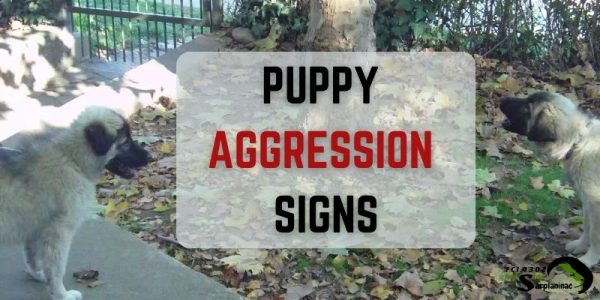


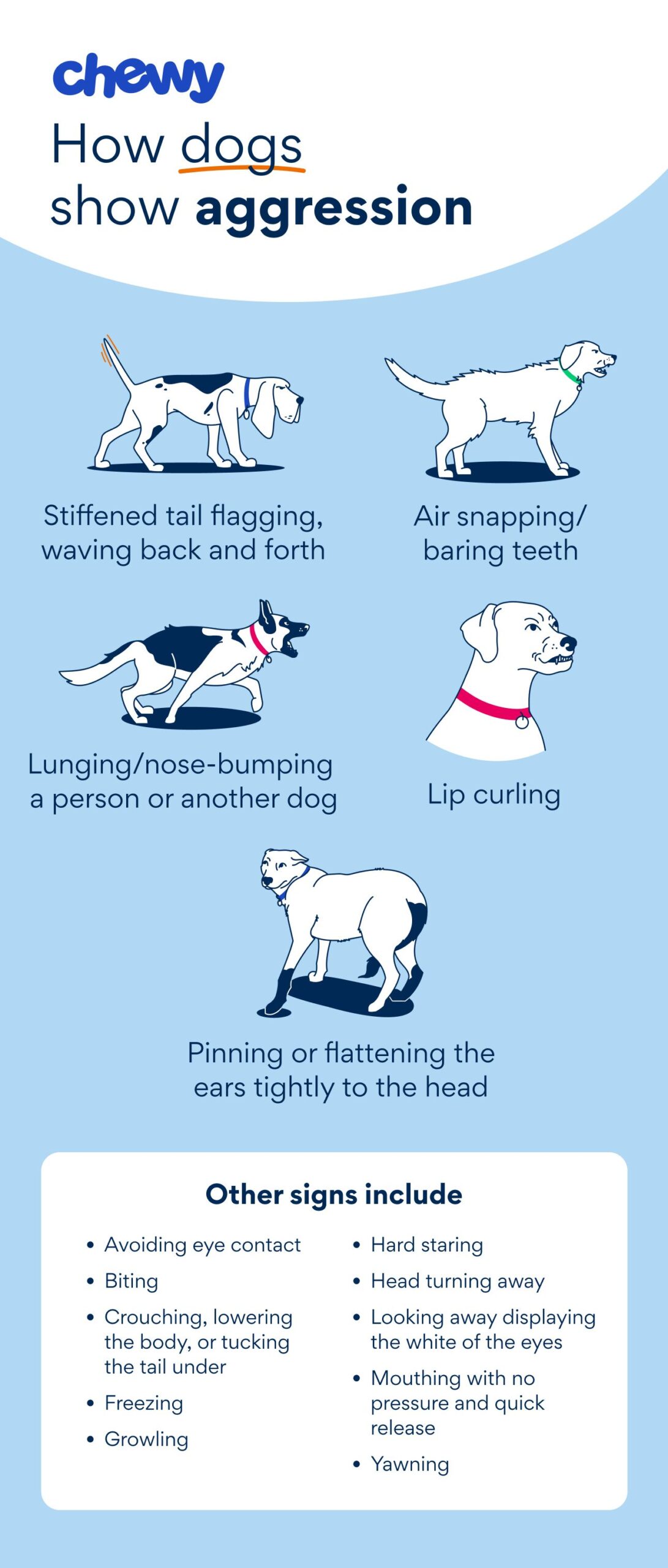


Breed genetics and individual temperament significantly influence how a young dog responds to stress.
Certain guardian or working breeds naturally display higher intensity, alertness, and protective instincts even at a very young age. Understanding specific Dog Breeds helps owners tailor their socialization strategies to match innate traits. For instance, herding lines might attempt to nip at moving heels, which mimics natural flock-management behaviors rather than true malice. Recognizing these breed-specific tendencies allows handlers to redirect natural drives into appropriate outlets like puzzle toys or tracking games.
Professional veterinary behaviorists should be consulted when reactivity persists despite consistent positive management.
Any sudden shift toward severe reactivity warrants a thorough veterinary exam to rule out underlying medical pain or neurological issues. If positive reinforcement techniques do not reduce biting or lunging, seeking help from a certified professional behaviorist is essential. Professional guidance ensures that complex behavioral plans remain safe for everyone involved. To support overall wellness during this phase, reviewing expert Dog Care resources provides additional structure for daily routines.
Early intervention and patience pave the way for a well-adjusted adult companion.
Navigating early behavioral hurdles requires immense patience, consistency, and a commitment to positive reinforcement. By addressing root causes like fear and overstimulation, households can successfully guide their young companions through this turbulent developmental stage. Exploring the wider educational resources available on PetsAnimalsWorld.com empowers owners with knowledge across Dog Health and general Pets wellness, ensuring a harmonious life together.




