

According to the American Kennel Club (AKC), exploring the world through the mouth is a completely normal developmental stage for all canine youngsters, particularly during the early months of life. Households welcoming a mixed-breed puppy often find themselves surprised by the sheer intensity of this exploratory behavior. When that young canine is a cross between a Siberian Husky and a German Shepherd, the combination creates a uniquely active and intelligent individual. Addressing this behavior early ensures a harmonious household as the canine grows into a loyal companion. Understanding the root causes transforms daily frustration into manageable training moments, fostering trust between the household and the developing animal.
💡 Pet Care Key Takeaways:
- Core Focus: Practical health, nutrition, and wellness guidelines for 3 Month Old Shepsky Puppy Biting.
- Target Scope: Pet owners, animal caregivers, and veterinary support staff.
- Best Recommendation: Maintain consistent daily routines and consult an accredited veterinarian before introducing major diet or medical changes.
Three-month-old Shepsky puppy biting represents a natural stage of exploration, teething discomfort, and high-drive play.
Puppy mouthing at this specific age is driven by a combination of sensory investigation and physiological changes. A Shepsky—a hybrid breed combining the Siberian Husky and the German Shepherd—inherits intense working dog genetics, including high prey drive, profound intelligence, and boundless stamina. At twelve weeks of age, deciduous needle-sharp milk teeth begin loosening to make way for permanent adult dentition, causing gum soreness that demands relief through chewing. Furthermore, canine littermates communicate primarily through using their mouths, meaning young dogs naturally practice social boundaries by nipping at skin, clothing, and ankles. Recognizing that this behavior stems from biology rather than malice allows caregivers to respond with effective guidance instead of frustration.
Puppies experience peak teething discomfort between three and six months of age, during which chewing and nipping behaviors naturally intensify as permanent teeth begin erupting through the gums. — American Kennel Club (AKC)
Unchecked mouthing habits can escalate into dangerous adult habits if proper boundaries are not established consistently.
Allowing a young dog to mouth hands freely teaches the animal that human skin is an acceptable chew toy, which becomes hazardous once the animal reaches full adult size and jaw strength. Working-line hybrids possess powerful jaws capable of exerting significant pressure, making early inhibition crucial for household safety. Beyond physical safety, chronic over-arousal without structured outlets can manifest as chronic stress or destructive chewing around the home environment. Providing appropriate mental enrichment and physical outlets protects both household items and the physical safety of family members, ensuring the young canine learns acceptable ways to interact with the environment.
In a clinical setting, experienced veterinary technicians frequently observe that high-energy hybrids brought in for behavioral consultations are simply under-stimulated. During daily practice, watching a young puppy latch onto pant legs immediately highlights the urgent need for structured redirection rather than emotional reactions. When humans pull away rapidly, it triggers the puppy’s predatory chase instinct, making the game even more rewarding for the animal. Establishing calm, predictable responses interrupts this cycle effectively, teaching the puppy that gentle behavior yields the best rewards.
Effective management begins by keeping appropriate chew toys accessible in every room to redirect the puppy’s attention the moment teeth make contact with human skin or clothing. When teeth touch human flesh, freezing entirely and emitting a high-pitched yelp mimics the social feedback a puppy would receive from littermates, signaling that the play has become too rough. Once the puppy backs away, immediately rewarding calm behavior reinforces the desired alternative. Consistency across all household members is vital; mixed signals will only confuse a developing puppy and prolong the training timeline. Integrating daily sessions found within Dog Training helps solidify these essential impulse-control lessons.
Avoiding common training pitfalls ensures long-term behavioral success without damaging the bond between owner and dog.
Punitive measures, such as alpha rolls, physical reprimands, or holding a puppy’s muzzle shut, should be strictly avoided because they introduce fear, erode trust, and can trigger defensive aggression. Certified professional behaviorists emphasize that force-free methods produce emotionally stable dogs who choose to cooperate voluntarily. Another frequent mistake is playing rough games using bare hands, which inadvertently teaches the puppy that wrestling with human skin is permissible. Instead, always use a designated tug toy or long-range fetch item as a buffer during high-energy play sessions, keeping hands safely away from excited jaws. Exploring resources within Dog Behavior provides deeper insight into canine communication signals.
Positive reinforcement training methods build reliable lifelong obedience and strengthen the human-animal bond far more effectively than aversives or physical corrections. — American Society for the Prevention of Cruelty to Animals (ASPCA)
Pet Care & Wellness Overview Table
| Life Stage | Daily Activity Level | Key Nutrition / Care Focus |
|---|---|---|
| Puppy / Kitten | High (frequent short bursts) | High-protein growth diet & early socialization |
| Adult Companion | Moderate (30–60 mins daily) | Balanced maintenance nutrition & dental hygiene |
| Senior Pets | Low to Gentle (mindful walks) | Joint support (Glucosamine) & routine vet checks |
Images References


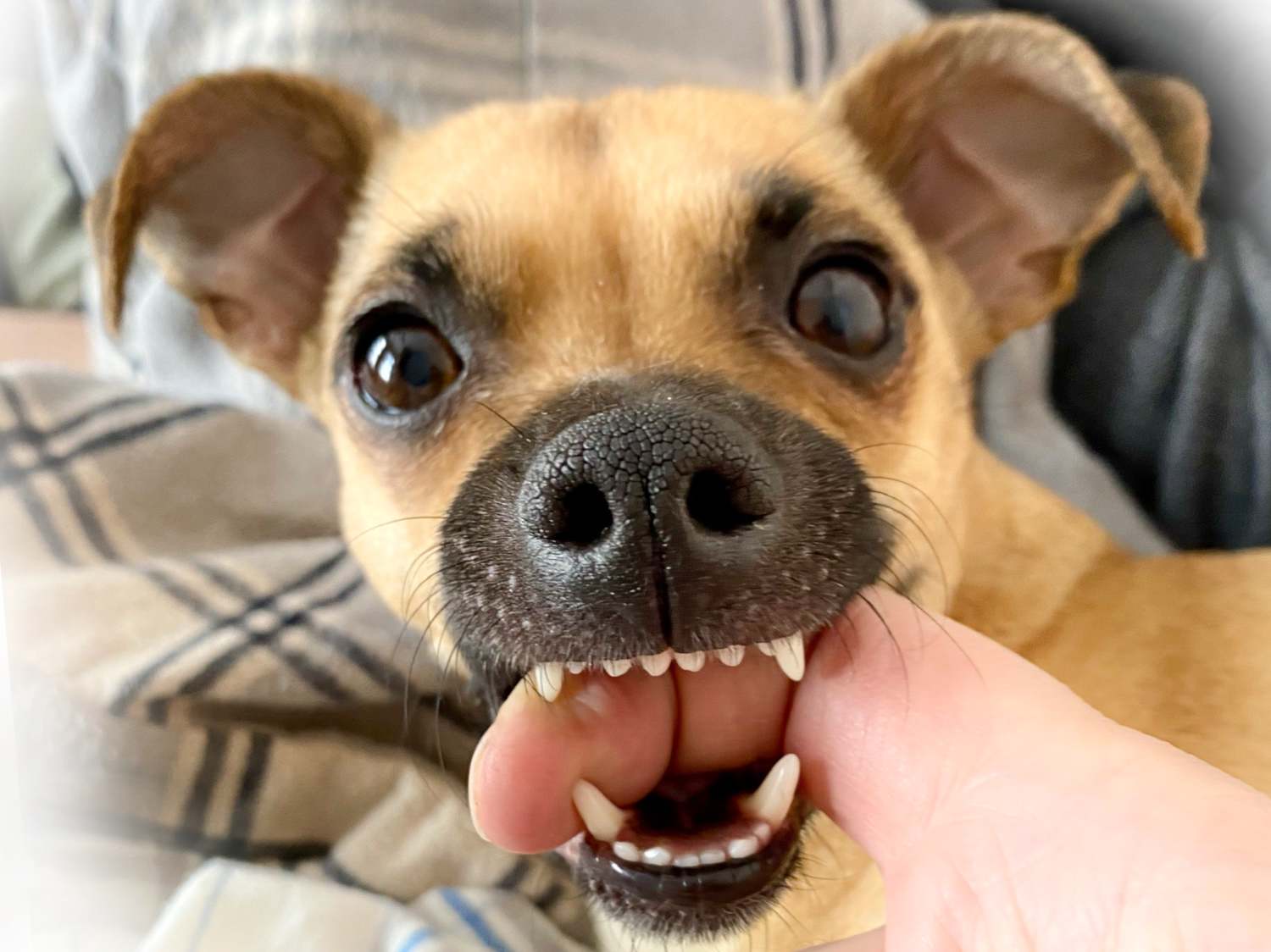


Breed-specific traits and high energy levels require tailored mental stimulation to curb frustration-based nipping.
Both parent breeds of a Shepsky are renowned working dogs engineered for endurance, problem-solving, and constant employment. A bored puppy with working ancestry will invent its own jobs, which frequently involves chasing heels, nipping at ankles, and chewing furniture cushions. Incorporating puzzle feeders, scent games, and structured obedience tasks into the daily routine burns cognitive energy far more efficiently than physical exercise alone. Reviewing guidance within Dog Breeds assists owners in understanding the profound heritage driving these intense behavioral traits. Meeting these innate psychological needs naturally minimizes the frantic energy that fuels excessive mouthing.
Professional guidance from a qualified veterinary behaviorist or certified trainer becomes necessary when nipping escalates into genuine aggression or fear.
While normal puppy exploration resolves with consistent guidance, certain warning signs require professional intervention. If the puppy exhibits stiffening, growling with a hard stare, or snapping when approached near food or toys, this transcends normal play mouthing. Consulting a qualified professional ensures the safety of everyone in the household while addressing the underlying emotional state of the animal. Furthermore, partnering with a veterinarian helps rule out any underlying medical discomfort, such as painful ear infections or gastrointestinal upset, that might cause a puppy to react defensively. Maintaining a proactive approach to overall wellness, supported by insights from Dog Health and Dog Care, ensures a well-rounded foundation.
Guiding a high-energy hybrid through the teething phase lays the groundwork for a lifetime of wonderful companionship.
Raising a spirited canine youngster demands dedication, consistency, and a deep appreciation for the unique heritage of the animal. By providing appropriate outlets for teething pain, channeling boundless energy into constructive games, and maintaining gentle boundaries, households can successfully navigate this intense developmental window. Every patient redirection brings the young dog one step closer to becoming a well-mannered adult companion. For more expert tips and comprehensive guidance on raising happy, healthy animals, visit PetsAnimalsWorld.com to explore additional resources.




