
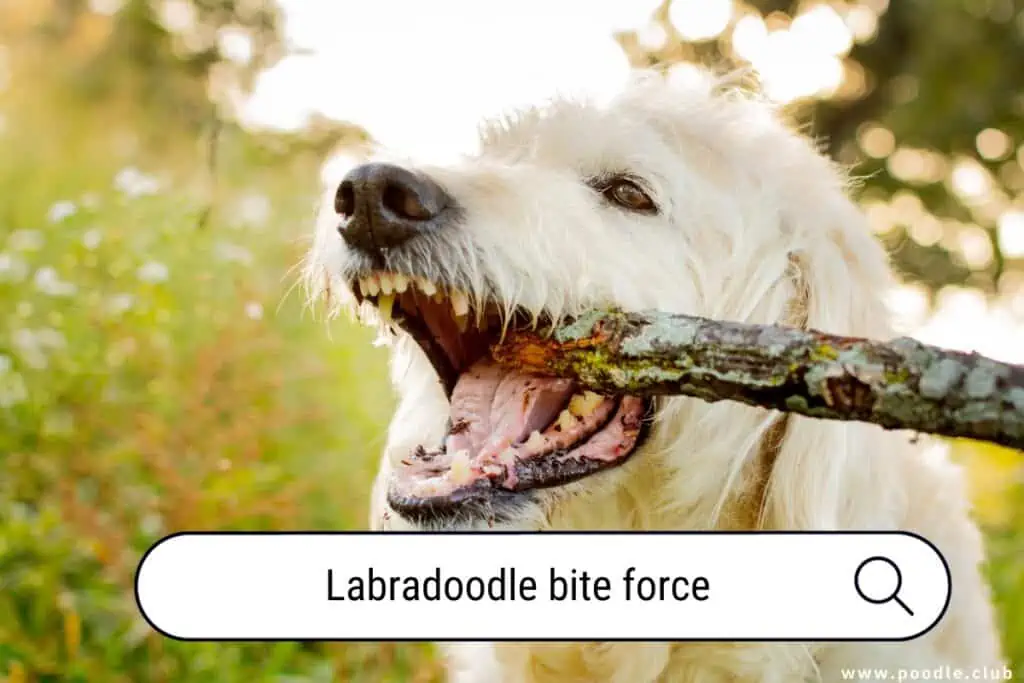
According to the American Society for the Prevention of Cruelty to Animals, canine behavioral issues—including mouthing and biting—remain one of the primary reasons families seek professional behavioral intervention. Bringing home a crossbreed known for high intelligence and boundless energy brings immense joy, yet it also introduces unique challenges during early development. The term Labradoodle bite often refers to the common tendency of Labradoodle puppies to use their mouths excessively on human hands, clothing, and furniture. Understanding this behavior requires looking beyond mere frustration and examining the underlying developmental stages of a mixed-breed dog that combines retriever genetics with poodle athleticism.
💡 Pet Care Key Takeaways:
- Core Focus: Practical health, nutrition, and wellness guidelines for Labradoode Bite.
- Target Scope: Pet owners, animal caregivers, and veterinary support staff.
- Best Recommendation: Maintain consistent daily routines and consult an accredited veterinarian before introducing major diet or medical changes.
A Labradoodle bite typically stems from normal retriever mouthing combined with high energy and adolescent teething phases.
Labradoodles are crossbreeds resulting from the mating of a Labrador Retriever and a Poodle, both of which possess strong historical backgrounds in working closely with humans. Labrador Retrievers were bred to carry game softly in their mouths, meaning their natural instinct involves tactile exploration through biting and gripping. When combined with the high-strung sensitivity of the Poodle, young puppies often display an intense desire to engage with the world orally. Furthermore, during the teething phase between four and six months of age, discomfort in the gums drives dogs to chew on anything available. Recognizing these natural motivations helps shift the perspective from aggressive intent to normal canine communication that simply requires redirection. For more related activities, check out our Dog Care Electric Collar.
Unchecked mouthing behaviors can quickly escalate into a dangerous household habit if not properly managed during early puppyhood.
Allowing a young dog to mouth human skin, even gently, teaches the animal that teeth-on-skin contact is an acceptable form of play. As the animal grows into a larger adult frame, what started as playful nipping can result in broken skin, bruised limbs, and unintended fear within the household. Moreover, improper handling or punishment-based corrections in response to a nip can trigger defensive aggression, confusing the dog and damaging the human-animal bond. Effective management focuses on clear boundaries, consistent positive reinforcement, and teaching alternative behaviors before bad habits become deeply ingrained.
Canine development stages indicate that consistent redirection during the initial teething window drastically reduces adult mouthing behaviors — American Kennel Club
Addressing a Labradoodle bite effectively requires immediate redirection, impulse control exercises, and teaching bite inhibition.
Preventing unwanted teeth-on-skin contact involves removing attention the moment teeth touch human flesh, effectively mimicking how littermates react when play gets too rough. When the puppy approaches with an open mouth, offering an appropriate chew toy provides a socially acceptable outlet for that natural retrieval instinct. Practicing impulse control games, such as waiting patiently before receiving food or a toy, teaches the dog to regulate emotional arousal and physical excitement. Consistency across every human member of the household ensures the canine learner receives clear, unambiguous signals regarding what is permitted.
Avoiding common training pitfalls ensures long-term behavioral success without causing fear or confusion.
Never use physical punishments, harsh scolding, or alpha-rolls when addressing puppy mouthing, as these outdated methods often provoke defensive biting or escalate fear-based reactions. Another frequent mistake involves waving hands rapidly or running away, which inadvertently activates the dog’s predatory chase instinct and makes the nipping behavior a high-energy game. Instead, maintain a calm, neutral demeanor, fold arms across the chest, and turn away entirely to signal that teeth contact instantly halts all interaction and fun.
Positive reinforcement methods show significantly higher success rates in eliminating undesirable canine behaviors compared to aversive training techniques — American Veterinary Medical Association
Pet Care & Wellness Overview Table
| Life Stage | Daily Activity Level | Key Nutrition / Care Focus |
|---|---|---|
| Puppy / Kitten | High (frequent short bursts) | High-protein growth diet & early socialization |
| Adult Companion | Moderate (30–60 mins daily) | Balanced maintenance nutrition & dental hygiene |
| Senior Pets | Low to Gentle (mindful walks) | Joint support (Glucosamine) & routine vet checks |
Images References






Coat type, generational breeding, and individual temperament heavily influence how a Labradoodle processes excitement and physical touch.
Because Labradoodles are hybrids, individual puppies vary dramatically in coat texture, shedding levels, and overall drive levels depending on whether they are first-generation crosses or multi-generational pairings. High-energy individuals require structured physical exercise combined with mental enrichment, such as puzzle feeders and scent games, to prevent boredom-induced mouthing. A dog that is physically and mentally exhausted is far less likely to resort to grabbing human clothing or nipping ankles during daily routines.
Consulting a certified professional trainer or veterinary behaviorist becomes essential when nipping is accompanied by stiffness, growling, or fear.
While normal puppy exploration resolves with consistent guidance, persistent biting driven by fear, resource guarding, or defensive aggression requires expert intervention. A qualified professional can perform a comprehensive behavioral evaluation to identify underlying triggers and design a customized, fear-free modification plan tailored to the specific needs of the dog and family. Prioritizing expert help early prevents minor behavioral hiccups from developing into severe aggression issues later in life.
Building a harmonious relationship with a canine companion relies on understanding, patience, and proactive education.
Guiding a young dog through the challenges of teething and mouthing lays the foundation for a trusting, lifelong companionship built on clear communication. Explore additional resources on Dog Behavior, learn proper techniques in Dog Training, and discover expert tips across Dog Care to ensure every phase of your journey together remains positive. Visit PetsAnimalsWorld.com regularly for comprehensive guides designed to support responsible pet ownership every single day.




