According to the American Kennel Club (AKC), the Labrador Retriever has consistently ranked as one of the most popular dog breeds in the world for decades, renowned for their friendly and outgoing personalities. Yet, welcoming this beloved breed through puppyhood brings unique daily hurdles. Raising an 8 month old lab often feels like managing a furry whirlwind fueled by endless curiosity and sudden bursts of teenage independence. Observing these adolescent canines in professional practice frequently reveals a dog stuck between puppy-like enthusiasm and adult-sized strength. Recognizing the underlying physiological and mental shifts happening during this specific life stage helps households build lasting bonds built on trust rather than frustration. Explore more in our Pets collection.
💡 Pet Care Key Takeaways:
- Core Focus: Practical health, nutrition, and wellness guidelines for 8 Month Old Lab.
- Target Scope: Pet owners, animal caregivers, and veterinary support staff.
- Best Recommendation: Maintain consistent daily routines and consult an accredited veterinarian before introducing major diet or medical changes.
An 8 month old lab represents a classic canine adolescent entering a pivotal transitional window characterized by rapid physical growth and surging hormones.
Physical maturation at this age means that the dog looks remarkably like an adult while retaining a puppy’s mental maturity. This particular stage sits squarely in the middle of canine adolescence, a time when growth plates are still fusing and long bones are developing. Many guardians notice a temporary decline in listening skills or a sudden resistance to previously mastered obedience cues. During clinical and training assessments, it becomes clear that canine teenagers test boundaries naturally as their worldview expands. Understanding that this rebellion stems from neurological development rather than stubbornness transforms how households approach daily interactions.
Physical and behavioral shifts during this window demand targeted adjustments in daily exercise, routine structure, and environmental management.
Adolescent energy spikes require structured physical outlets paired with mental enrichment to prevent destructive chewing and frantic jumping. Because Labrador Retrievers possess a strong genetic drive to retrieve and investigate, boredom quickly turns into household mischief. Providing puzzle toys, scent games, and controlled retrieving sessions channels that natural work ethic into productive outlets. Furthermore, keeping bones and joints safe from high-impact trauma remains crucial, as over-exercising a developing adolescent can lead to long-term orthopedic concerns. Guarding against reckless leaps off high decks or prolonged forced running preserves joint health during this rapid growth phase.
Adolescent Labrador Retrievers experience significant hormonal and neurological changes that peak around 6 to 12 months of age — American Kennel Club (AKC)
Consistent daily routines establish security and reduce the anxiety that often triggers unwanted adolescent behaviors. Utilizing positive reinforcement—such as high-value treats and enthusiastic praise—teaches the dog which choices bring rewarding outcomes. When managing counter-surfing or enthusiastic greetings, keeping a leash indoors or using baby gates prevents rehearsal of bad habits while alternative behaviors are taught. Every interaction serves as a learning opportunity, reinforcing that polite manners yield attention while jumping leads to ignored anticipation.
Avoiding common training pitfalls and implementing best practices ensures long-term behavioral stability for the growing retriever.
Skipping mental stimulation stands out as the most frequent mistake made by well-meaning owners who rely solely on physical walks. A tired body does not automatically equate to a settled mind, making nosework and obedience drills essential components of the daily schedule. Additionally, harsh corrections should be entirely avoided, as punitive methods damage trust and can provoke fear-based defensive reactions. Emphasizing clear communication and patience builds a resilient, confident companion who looks to the guardian for guidance during novel situations.
Consistent positive reinforcement training during adolescence significantly reduces the likelihood of long-term behavioral challenges in large sporting breeds — Association of Professional Dog Trainers (APDT)
Pet Care & Wellness Overview Table
| Life Stage | Daily Activity Level | Key Nutrition / Care Focus |
|---|---|---|
| Puppy / Kitten | High (frequent short bursts) | High-protein growth diet & early socialization |
| Adult Companion | Moderate (30–60 mins daily) | Balanced maintenance nutrition & dental hygiene |
| Senior Pets | Low to Gentle (mindful walks) | Joint support (Glucosamine) & routine vet checks |
Images References


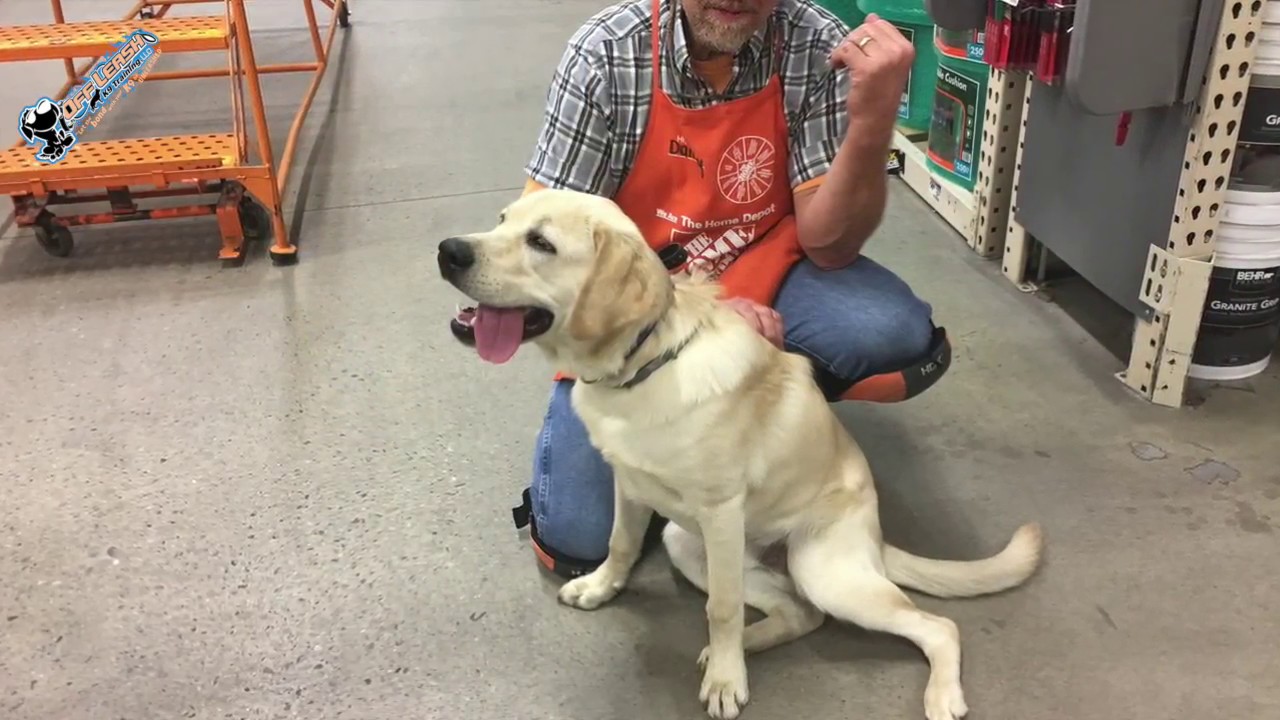

Breed-specific traits like a high retrieval drive, double-coat shedding, and boundless enthusiasm heavily influence daily care requirements.
The iconic water-resistant double coat of the Labrador Retriever requires regular brushing to manage seasonal shedding and maintain skin health. Because these dogs were originally bred to work tirelessly alongside fishermen and hunters, their stamina remains remarkably high even after a long walk. Providing ample opportunities for swimming or retrieving balls satisfies their genetic programming in a safe, controlled manner. Monitoring caloric intake is equally vital, as adolescent labs possess voracious appetites and a genetic predisposition toward canine obesity if portions go unmeasured.
Consulting a veterinarian or certified professional trainer becomes necessary when behavioral shifts involve intense fear, persistent reactivity, or unmanageable impulse control.
Professional guidance is strongly recommended if an adolescent dog displays sudden aggression, severe separation anxiety, or an inability to calm down despite ample exercise. A comprehensive veterinary exam rules out underlying medical causes like thyroid imbalances or adolescent panosteitis—a temporary bone inflammation causing shifting lameness. Meanwhile, working alongside a qualified Dog Behavior expert helps decode subtle body language and design customized behavior modification plans. Early intervention by licensed professionals prevents minor adolescent hurdles from escalating into ingrained adult behavioral challenges.
Supporting a maturing retriever through this dynamic life phase strengthens the lifelong partnership between human and animal.
Embracing the unique challenges of raising an 8 month old lab paves the way for a remarkably loyal, well-adjusted adult companion. Dedicated guidance through proper nutrition, compassionate Dog Training, and routine wellness checks ensures a thriving life for the dog. Exploring valuable resources across PetsAnimalsWorld.com, including insights into Dog Health and Dog Care, equips every household to provide exceptional lifelong stewardship.