

Introduction
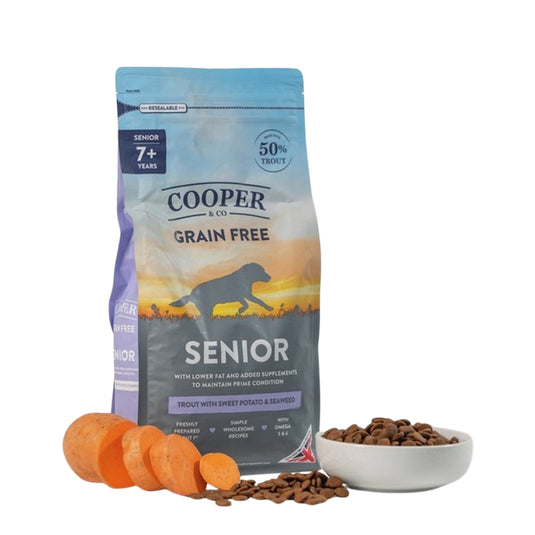
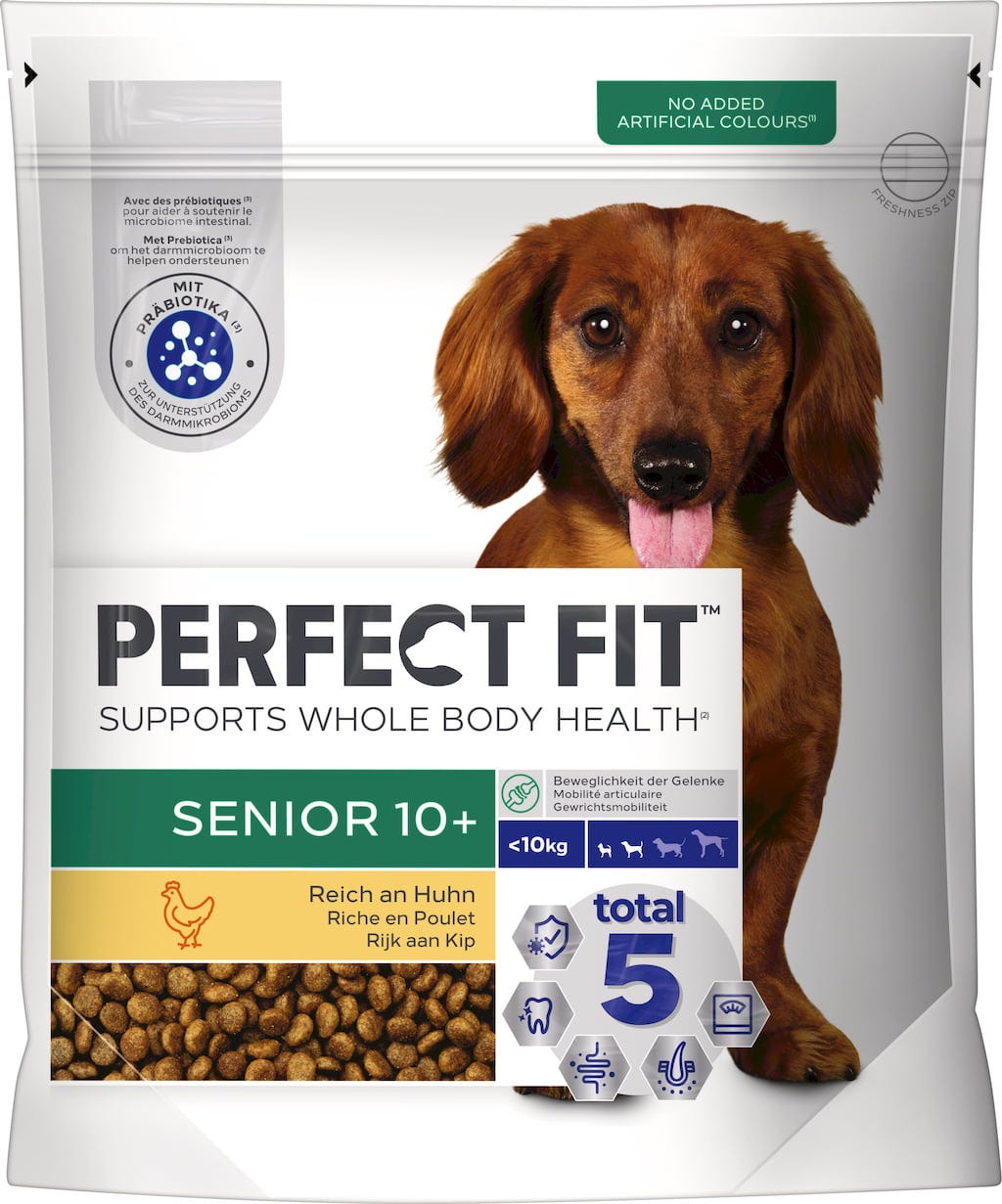
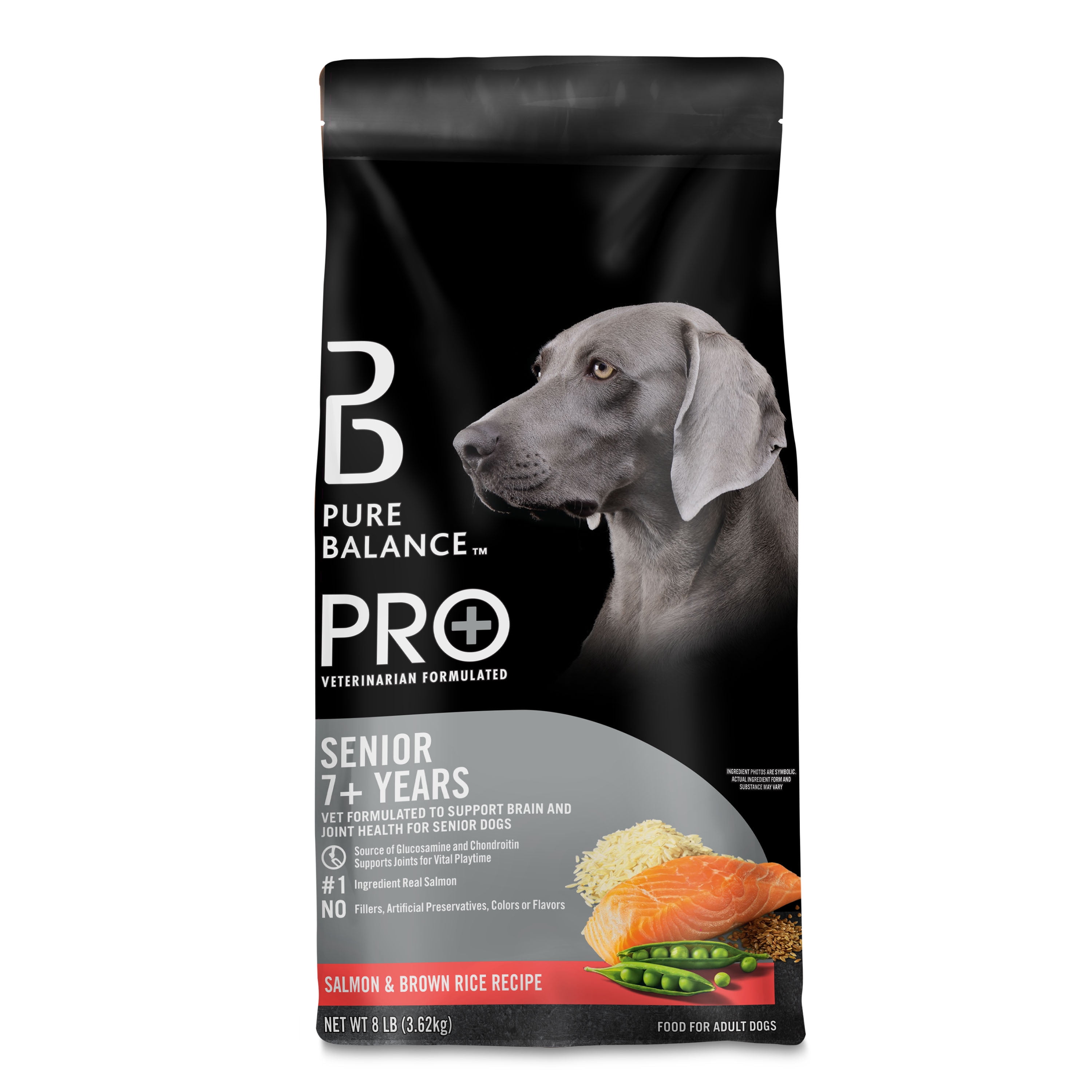
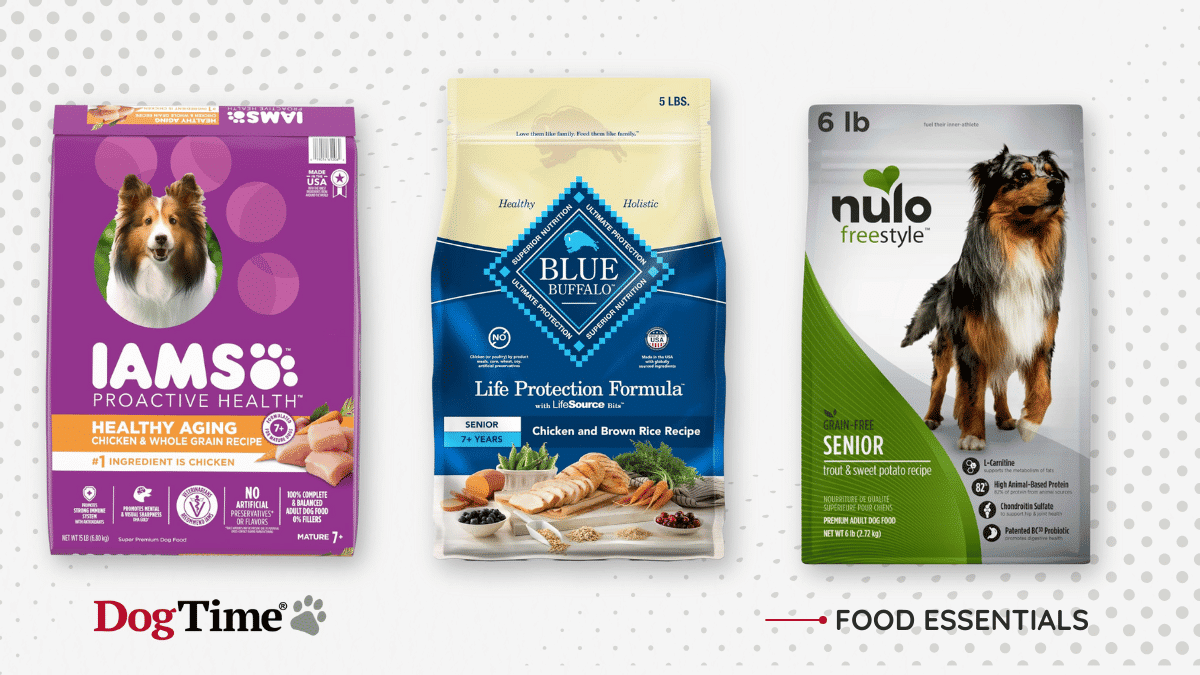
As canine companions age, their nutritional needs undergo significant changes, necessitating a shift in dietary approach. Understanding the concept of quality dog food for senior dogs involves recognizing that an aging dog’s body requires specific nutrients in appropriate proportions to maintain health, vitality, and overall quality of life. This specialized nutrition is crucial for mitigating common age-related health issues, supporting bodily functions, and ensuring comfort during their golden years. The transition to senior-specific diets typically occurs as dogs enter their later life stages, often around seven years of age for most breeds, though this can vary. By prioritizing a well-suited diet, dog owners can proactively address potential health challenges and enhance their beloved pet’s well-being, influencing everything from energy levels and cognitive function to joint mobility and immune response.
💡 Pet Care Key Takeaways:
- Core Focus: Practical health, nutrition, and wellness guidelines for Quality Dog Food For Senior Dogs.
- Target Scope: Pet owners, animal caregivers, and veterinary support staff.
- Best Recommendation: Maintain consistent daily routines and consult an accredited veterinarian before introducing major diet or medical changes.
Common Causes and Key Factors
The physiological changes inherent in aging dogs form the primary basis for requiring specialized senior dog food. A significant factor is a natural slowdown in metabolism, which reduces an older dog’s caloric requirements. Continuing to feed a diet formulated for younger, more active dogs can lead to unhealthy weight gain and associated complications such as arthritis and diabetes. Concurrently, the efficiency of various bodily systems, including kidney and liver function, may decline, necessitating diets with carefully balanced protein and phosphorus levels to reduce strain on these vital organs. For more related activities, check out our Tibetan Mastiff Food Aggression.
Joint health becomes a paramount concern, as wear and tear over years can lead to conditions like osteoarthritis. Senior dog foods often contain supplementary ingredients like glucosamine and chondroitin to support cartilage health and reduce inflammation. Dental health also plays a critical role; older dogs may experience tooth decay, gum disease, or tooth loss, making harder kibble difficult to chew. Digestive sensitivities can also emerge or worsen with age due to shifts in gut microbiome composition or reduced digestive enzyme production, necessitating highly digestible ingredients and increased fiber content. Furthermore, a weakened immune system often accompanies aging, highlighting the need for diets rich in antioxidants and immune-boosting nutrients. Cognitive decline, akin to human dementia, can also benefit from specific fatty acids and antioxidants that support brain health.
Signs and Symptoms to Observe
Recognizing the signs that a dog may benefit from a senior diet is vital for proactive care. One of the most common indicators is unexplained weight change, either a gradual gain due to reduced activity and metabolism, or unintentional loss often linked to underlying health issues or difficulty eating. A noticeable decrease in activity levels, such as reluctance to play, slower movements, or increased sleeping, can suggest reduced energy or discomfort. Stiffness, lameness, or difficulty rising after rest points towards potential joint pain or arthritis.
Changes in a dog’s coat and skin quality, such as dullness, dryness, or increased shedding, may indicate nutritional deficiencies or systemic health problems. Digestive upset, including frequent vomiting, diarrhea, or constipation, can signal a need for more easily digestible ingredients or increased fiber. Dental problems, evidenced by bad breath, drooling, pawing at the mouth, or dropping food, clearly impact a dog’s ability to eat comfortably and efficiently. Cognitive changes, such as disorientation, altered sleep-wake cycles, or decreased responsiveness, can also be observed. Additionally, increased thirst and urination could be a symptom of kidney issues, making diet selection particularly important. These observable signs, while potentially varying with breed and environment, collectively signal that a dog’s nutritional requirements are evolving.
Practical Solutions and Management Strategies
Transitioning a senior dog to a specialized diet involves several practical steps and considerations to ensure optimal health and comfort. The primary strategy focuses on selecting a quality senior dog food that aligns with the dog’s specific needs. This typically means choosing a formula with a slightly lower calorie count to prevent obesity, balanced with high-quality, easily digestible protein sources to maintain muscle mass without unduly burdening the kidneys. Reduced phosphorus levels are often beneficial for kidney health.
Incorporating increased fiber content aids in digestive regularity and can help manage satiety. Essential fatty acids, particularly Omega-3s like EPA and DHA, are crucial for supporting joint health, maintaining skin and coat quality, and promoting cognitive function. Many senior formulas also include joint-supporting nutrients such as glucosamine and chondroitin. Antioxidants, including vitamins E and C, along with various carotenoids, are vital for bolstering the immune system and protecting cells from damage. Prebiotics and probiotics can further enhance gut health and nutrient absorption.
Beyond food composition, practical feeding strategies are important. Offering smaller, more frequent meals can be beneficial for dogs with sensitive digestion. Ensuring constant access to fresh water is paramount for hydration, and some owners opt for wet food or rehydrated kibble to increase moisture intake, especially for dogs with dental issues. Precise portion control, adjusted based on the dog’s activity level and ideal body weight, is critical for managing weight effectively. Any dietary change should be introduced gradually over 7 to 10 days by mixing increasing amounts of the new food with decreasing amounts of the old food to prevent gastrointestinal upset.
When Professional Help May Be Needed
While adjusting a senior dog’s diet is often a beneficial first step, certain situations warrant the immediate consultation of a veterinary professional. Persistent or significant changes in a dog’s weight, whether sudden loss or unexplained gain, should always be evaluated by a veterinarian to rule out underlying medical conditions. Chronic digestive upset, such as ongoing vomiting, diarrhea, or severe constipation, also requires professional diagnosis and treatment, as it could indicate more serious health problems than simply an incompatible diet.
A noticeable decline in mobility, severe lameness, or profound lethargy that does not improve with dietary adjustments indicates a need for veterinary assessment to address potential pain or progressive disease. Furthermore, any significant changes in thirst or urination patterns, behavioral changes like increased disorientation or altered sleep cycles, or the development of new lumps or growths should prompt a visit to the clinic. Before making any major dietary changes for dogs with pre-existing health conditions, such as kidney disease, heart conditions, or diabetes, veterinary guidance is essential to ensure the chosen food supports their medical management. Regular senior wellness check-ups are also crucial, allowing veterinarians to proactively monitor health, recommend appropriate dietary adjustments, and catch potential issues early.
Conclusion
The journey through a dog’s senior years requires attentive and informed care, with nutrition serving as a cornerstone for maintaining their health and well-being. Selecting quality dog food for senior dogs is not merely a preference but a necessity, directly impacting their energy, comfort, and longevity. Awareness of the common physiological changes that accompany aging, coupled with keen observation of behavioral and physical signs, empowers dog owners to make timely and appropriate dietary adjustments. By understanding the specific nutritional requirements of older dogs and implementing practical feeding strategies, many age-related challenges can be effectively managed or mitigated. Consistent care, proactive dietary planning, and the readiness to seek professional veterinary advice when necessary ensure that senior canine companions continue to thrive. Prioritizing their unique needs through tailored nutrition is a profound way to enhance their quality of life, allowing them to enjoy their golden years with vitality and comfort.
Pet Care & Wellness Overview Table
| Life Stage | Daily Activity Level | Key Nutrition / Care Focus |
|---|---|---|
| Puppy / Kitten | High (frequent short bursts) | High-protein growth diet & early socialization |
| Adult Companion | Moderate (30–60 mins daily) | Balanced maintenance nutrition & dental hygiene |
| Senior Pets | Low to Gentle (mindful walks) | Joint support (Glucosamine) & routine vet checks |
Images References




For more expert pet care tips and advice, check out our dedicated Dog Nutrition guides to keep your companions healthy and happy.




