

Introduction
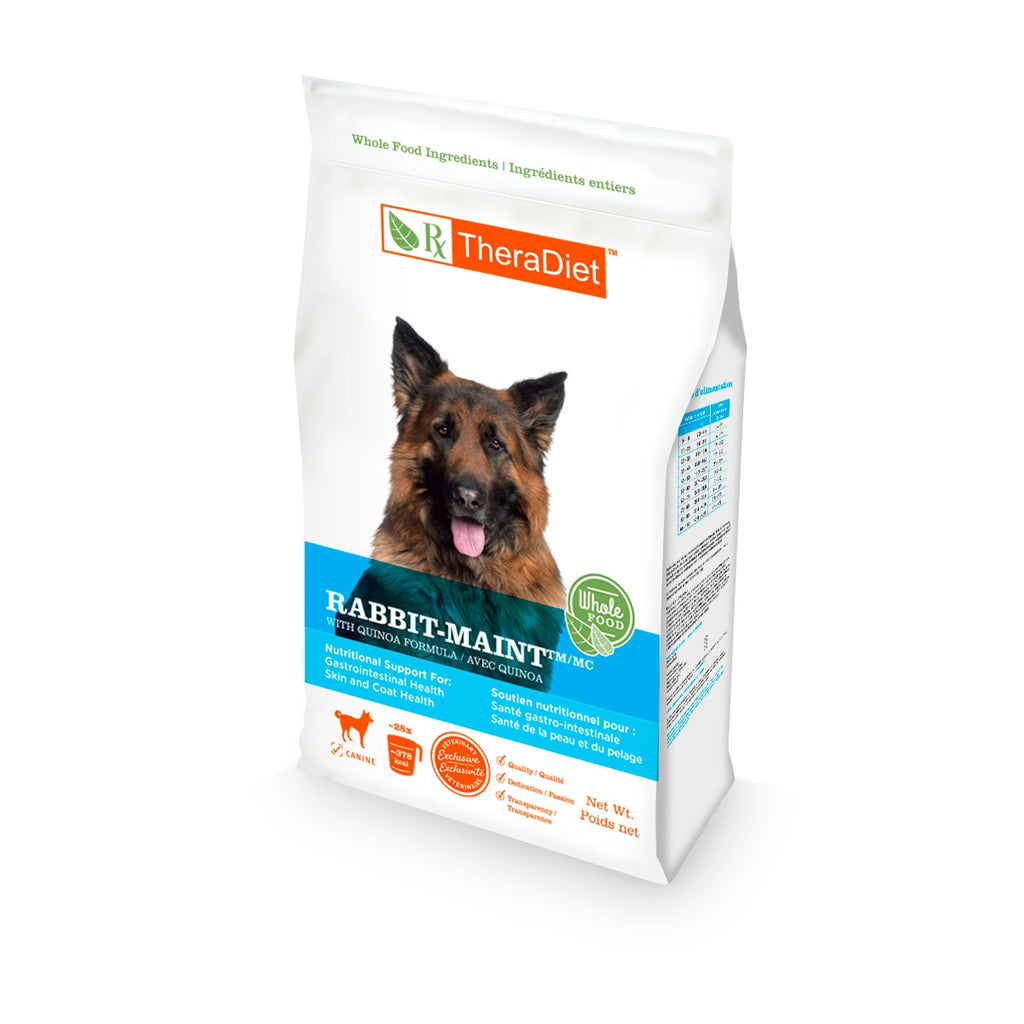
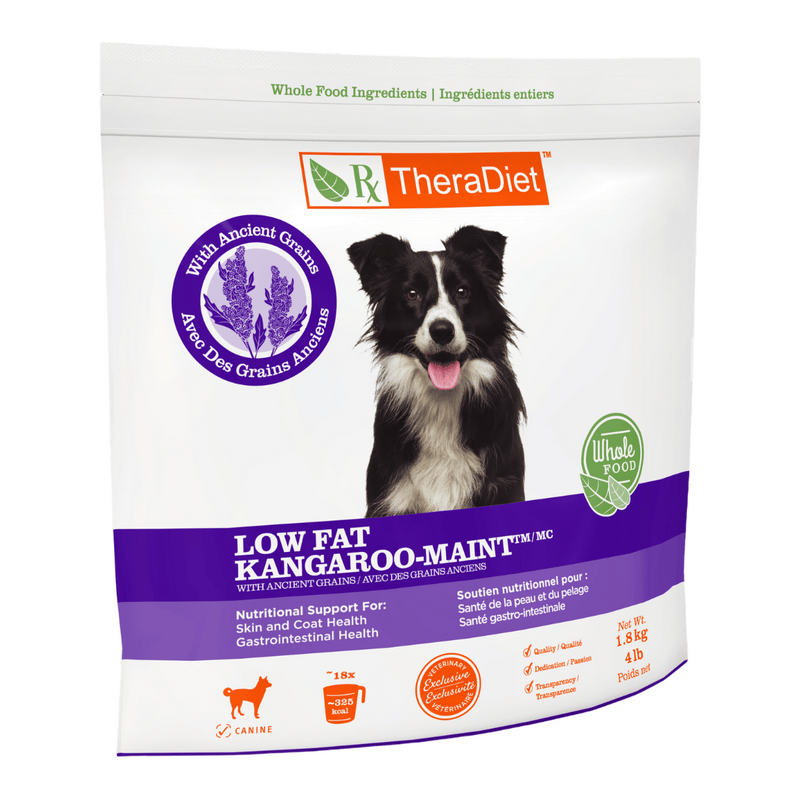
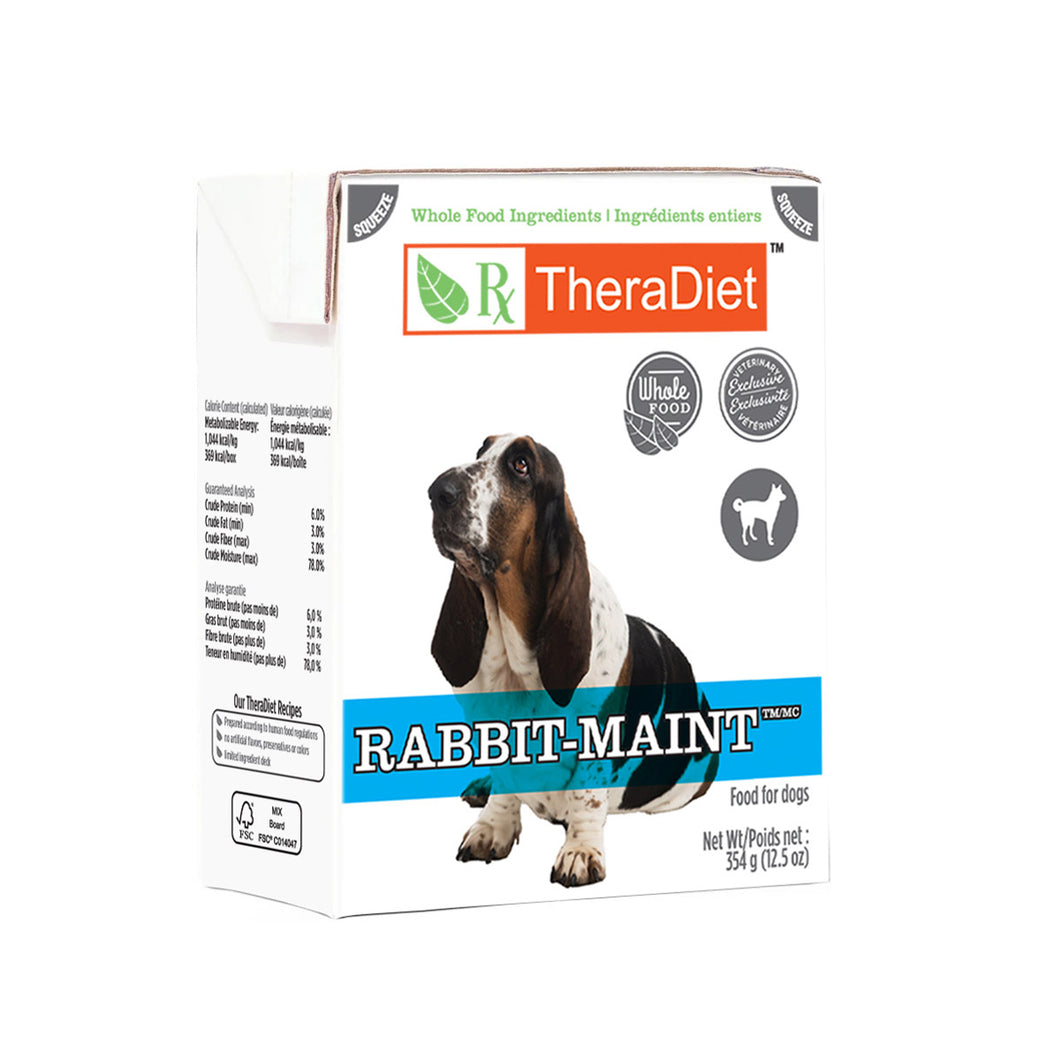
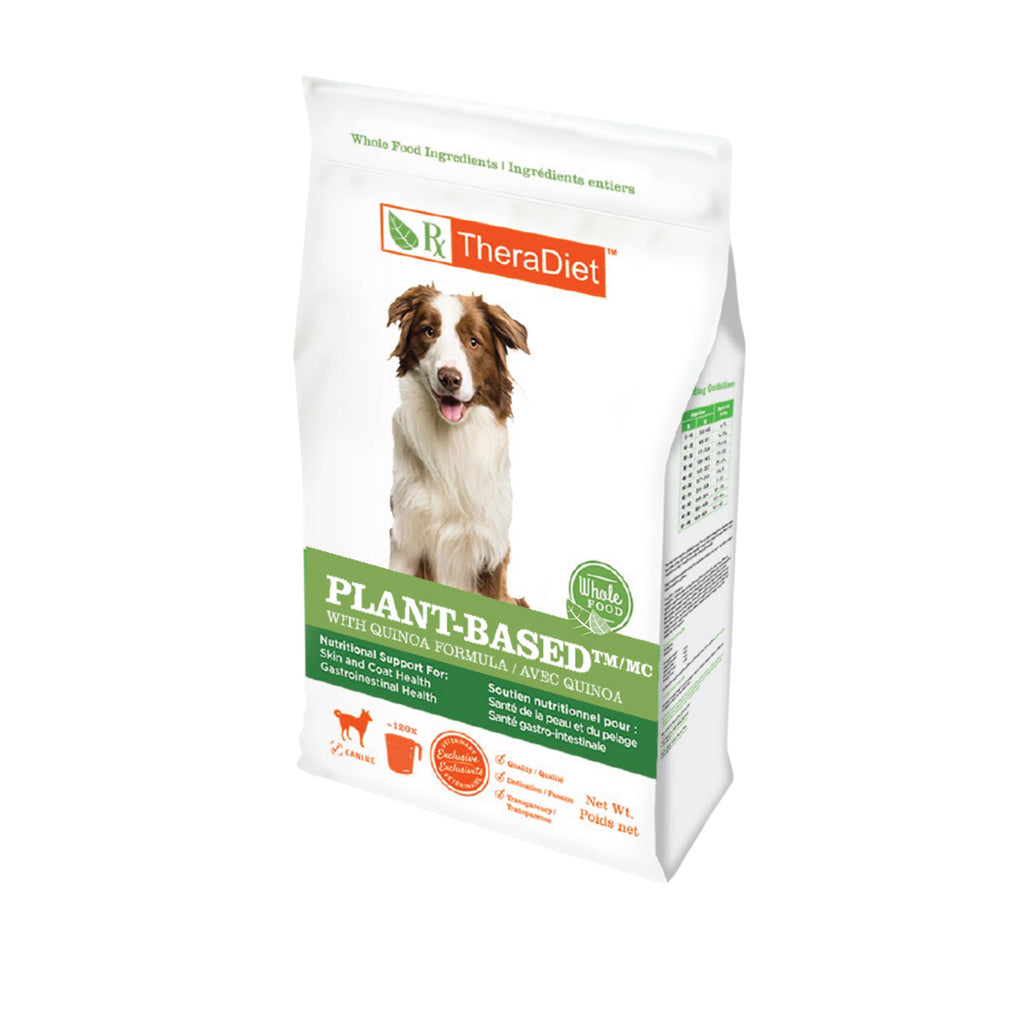
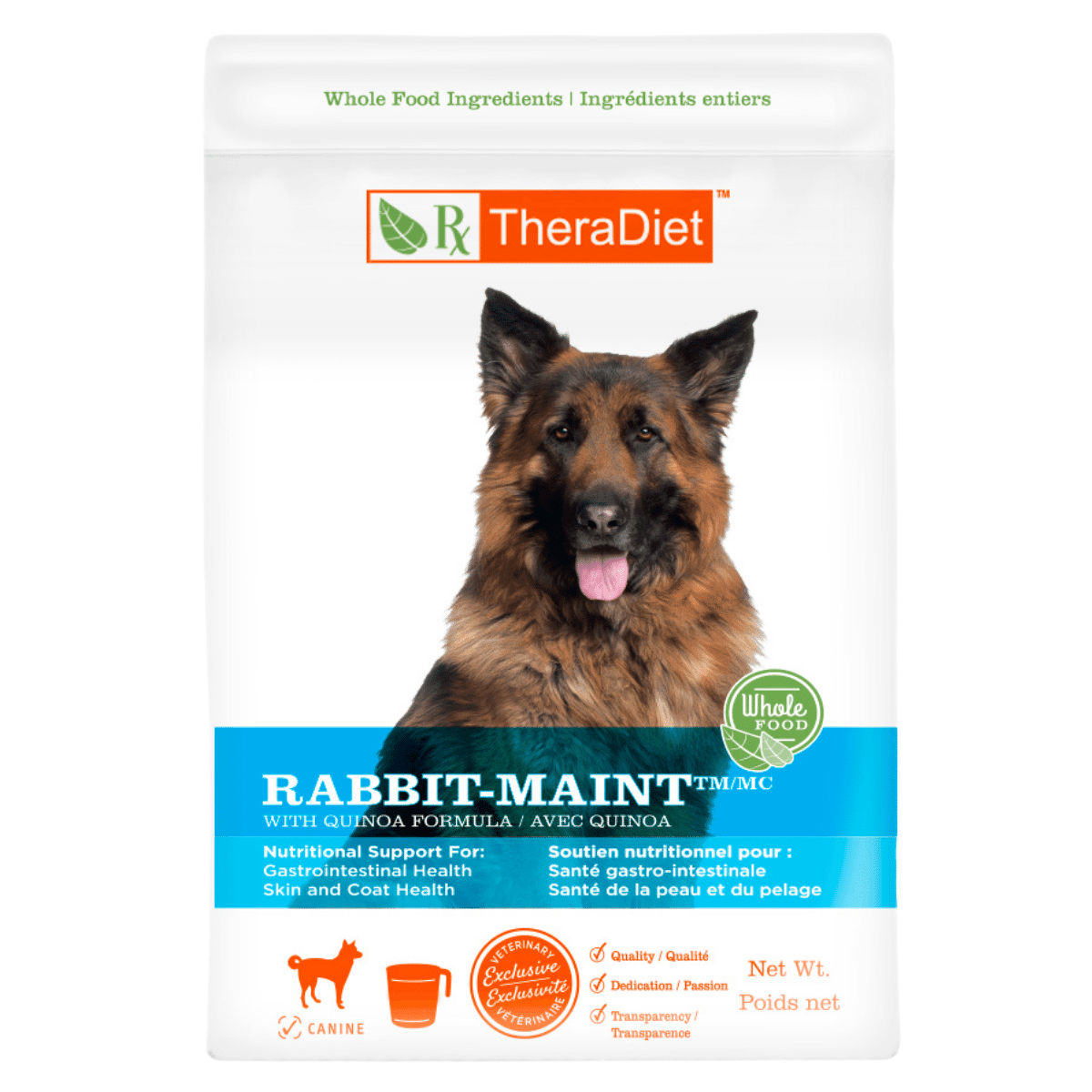
The well-being of canine companions often hinges on their nutritional intake, making the subject of specialized diets increasingly relevant for dog owners. “Thera diet dog food” refers to therapeutic or prescription diets meticulously formulated to address specific health conditions in dogs. These are not standard over-the-counter foods but rather scientifically developed diets designed to manage, alleviate, or even resolve various medical issues, from chronic diseases to allergies and weight management challenges. Understanding the role of thera diet dog food is paramount for owners whose dogs exhibit particular health needs, as proper dietary intervention can significantly impact a dog’s recovery, comfort, and long-term health. The introduction of such a specialized diet typically follows a veterinary diagnosis, marking a crucial step in a comprehensive treatment plan aimed at improving a dog’s overall quality of life and supporting their specific physiological requirements.
💡 Pet Care Key Takeaways:
- Core Focus: Practical health, nutrition, and wellness guidelines for Thera Diet Dog Food.
- Target Scope: Pet owners, animal caregivers, and veterinary support staff.
- Best Recommendation: Maintain consistent daily routines and consult an accredited veterinarian before introducing major diet or medical changes.
Common Causes and Key Factors
The necessity for thera diet dog food arises from a spectrum of underlying health issues requiring targeted nutritional support. Biological factors frequently dictate the need for these specialized diets. For instance, dogs diagnosed with chronic kidney disease often require diets restricted in protein and phosphorus to reduce the workload on the kidneys and slow disease progression. Similarly, gastrointestinal disorders such as inflammatory bowel disease (IBD) or pancreatitis necessitate highly digestible, often low-fat formulations to minimize digestive upset and promote nutrient absorption. Food allergies and sensitivities are another prevalent cause, leading to the use of hydrolyzed protein or novel protein diets that help prevent adverse reactions. For more related activities, check out our “Fortiflora” And “Gut Health”.
Metabolic conditions like diabetes mellitus require diets that help regulate blood sugar levels, typically featuring controlled carbohydrate content and high fiber. Joint problems, such as osteoarthritis, often benefit from diets enriched with omega-3 fatty acids and joint-supporting compounds like glucosamine and chondroitin. Even weight management, whether for obesity or malnourishment, is a common factor; prescription diets are formulated to safely facilitate weight loss or gain through precise caloric and nutrient distribution. The diagnosis of these conditions by a veterinary professional is the primary driver for recommending a specific thera diet dog food.
Signs and Symptoms to Observe
Observing a dog’s behavior and physical condition for specific signs is crucial, as these indicators often signal an underlying health issue that might warrant a thera diet dog food. Persistent gastrointestinal distress, including chronic vomiting, diarrhea, or excessive gas, frequently points to digestive sensitivities or underlying conditions requiring a specialized, easily digestible diet. Skin and coat problems, such as relentless itching, redness, recurrent ear infections, or unexplained hair loss, are common manifestations of food allergies or environmental sensitivities that can often be managed through hypoallergenic diets.
Changes in mobility, such as stiffness, lameness, difficulty rising, or reluctance to engage in usual activities, can suggest joint issues or musculoskeletal pain that may benefit from diets supporting joint health. Abnormal urinary habits, including increased frequency, straining, blood in the urine, or house soiling, are red flags for urinary tract issues like bladder stones or kidney disease, necessitating specific mineral-balanced diets. Furthermore, unexplained weight gain or loss, increased thirst, lethargy, or a noticeable decrease in energy levels can be indicative of metabolic disorders or other systemic illnesses where nutritional intervention plays a critical role. The presentation of these signs can vary based on a dog’s age, breed, and overall health status, underscoring the importance of attentive observation.
Practical Solutions and Management Strategies
Managing a dog’s health through thera diet dog food requires a structured and consistent approach. The foundational step involves a thorough veterinary consultation and diagnosis, as a therapeutic diet should never be self-prescribed. Once a specific health condition is identified, a veterinarian will recommend the appropriate specialized diet, explaining its formulation and intended benefits. For example, a dog with kidney disease might be prescribed a diet with controlled protein and phosphorus, while a dog with severe allergies might receive a hydrolyzed protein formula.
Implementing the new diet involves a gradual transition over several days, mixing increasing amounts of the new food with decreasing amounts of the old. This helps prevent digestive upset during the adjustment period. Strict adherence to the prescribed diet is paramount; feeding other foods, treats, or table scraps that are not vet-approved can undermine the diet’s effectiveness and potentially exacerbate the dog’s condition. Regular follow-up appointments with the veterinarian are essential to monitor the dog’s response to the thera diet dog food, assess symptom improvement, and make any necessary adjustments to the feeding plan. In many cases, the diet works synergistically with other treatments, forming a comprehensive strategy for managing the dog’s health.
When Professional Help May Be Needed
The involvement of a veterinary professional is not merely recommended but is a mandatory prerequisite when considering thera diet dog food. A proper diagnosis from a qualified veterinarian is the only reliable way to determine if a dog requires a specialized diet and, if so, which specific formulation is appropriate for their condition. Attempting to diagnose and treat health issues with therapeutic diets without professional guidance can be ineffective and potentially harmful.
Professional help is also crucial if a dog’s condition does not improve or seems to worsen despite being on a prescribed thera diet dog food. This could indicate the need for a different diet, additional medication, or further diagnostic testing to uncover other underlying issues. Any adverse reactions, such as new digestive problems, skin irritations, or behavioral changes after starting a new diet, warrant immediate veterinary attention. Furthermore, if a dog consistently refuses to eat the prescribed food or struggles with the transition, a veterinarian can offer alternative strategies or recommend different palatable options within the therapeutic range. For dogs with multiple health conditions, navigating complex dietary requirements almost always necessitates ongoing expert nutritional advice to ensure all needs are met comprehensively.
Conclusion
Thera diet dog food represents a powerful and often indispensable tool in the comprehensive care of dogs facing specific health challenges. These specialized diets, ranging from kidney support formulas to hypoallergenic options and weight management solutions, are meticulously crafted to provide targeted nutritional intervention. Understanding the implications and proper application of thera diet dog food empowers owners to actively participate in their dog’s health journey. The importance of awareness regarding symptoms, early veterinary consultation, and strict adherence to prescribed dietary plans cannot be overstated. Consistent care and regular professional oversight ensure that dogs receive the maximum benefit from these tailored nutritional strategies. Ultimately, embracing the judicious use of thera diet dog food contributes significantly to enhancing a dog’s health, comfort, and overall longevity, affirming a commitment to their best possible well-being.
Pet Care & Wellness Overview Table
| Life Stage | Daily Activity Level | Key Nutrition / Care Focus |
|---|---|---|
| Puppy / Kitten | High (frequent short bursts) | High-protein growth diet & early socialization |
| Adult Companion | Moderate (30–60 mins daily) | Balanced maintenance nutrition & dental hygiene |
| Senior Pets | Low to Gentle (mindful walks) | Joint support (Glucosamine) & routine vet checks |
Images References


For more expert pet care tips and advice, check out our dedicated Dog Nutrition guides to keep your companions healthy and happy.




