Introduction
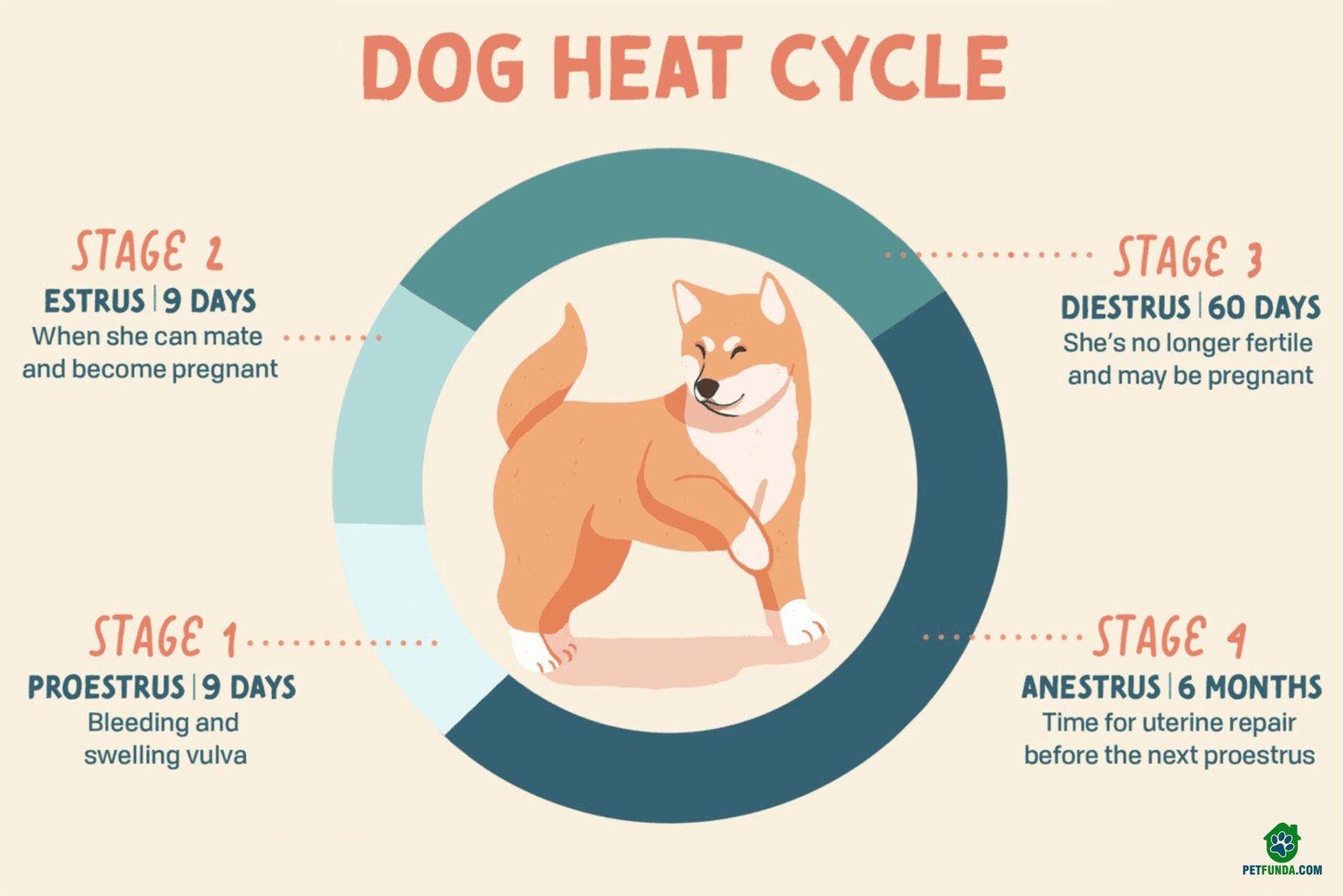
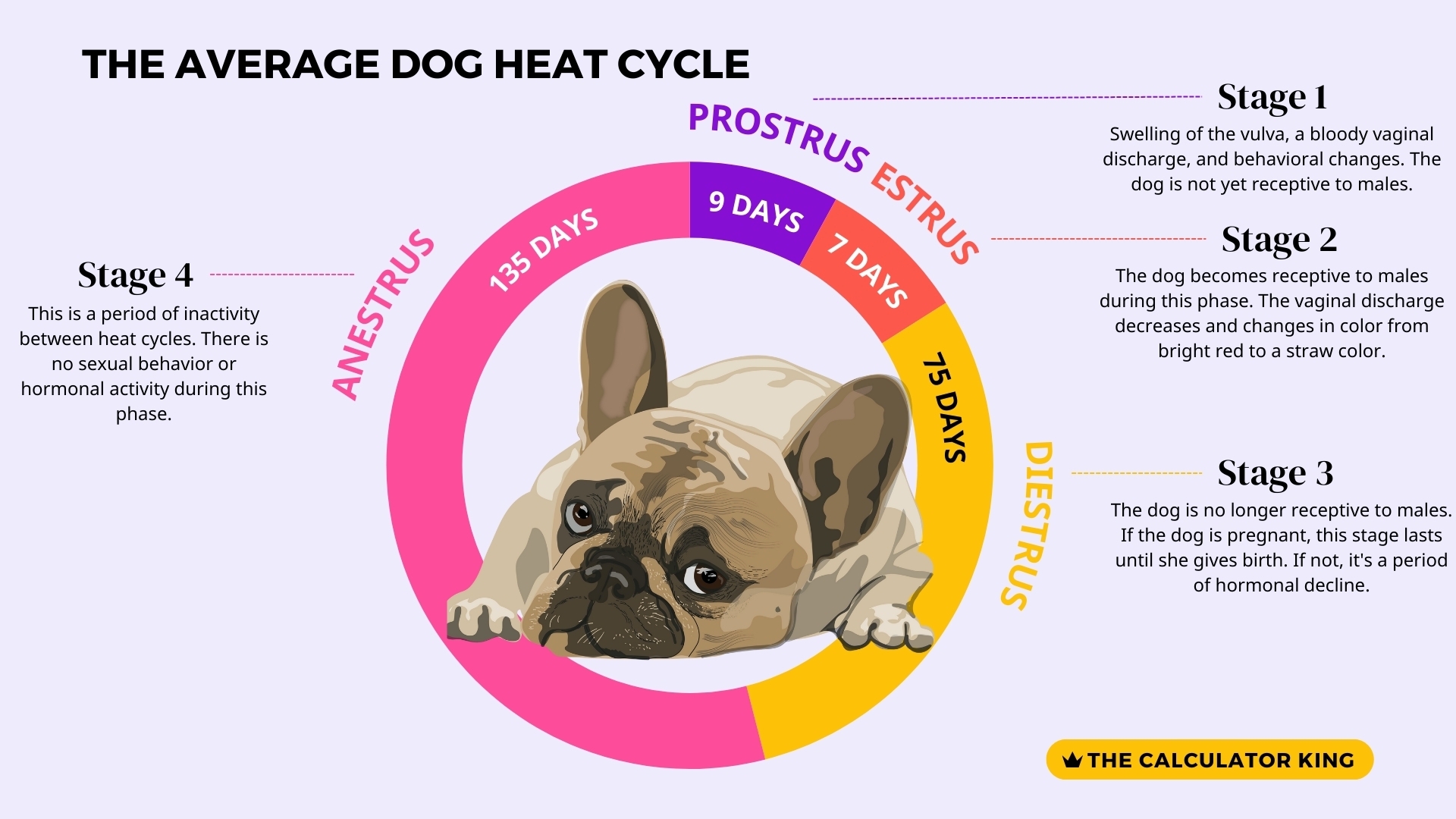
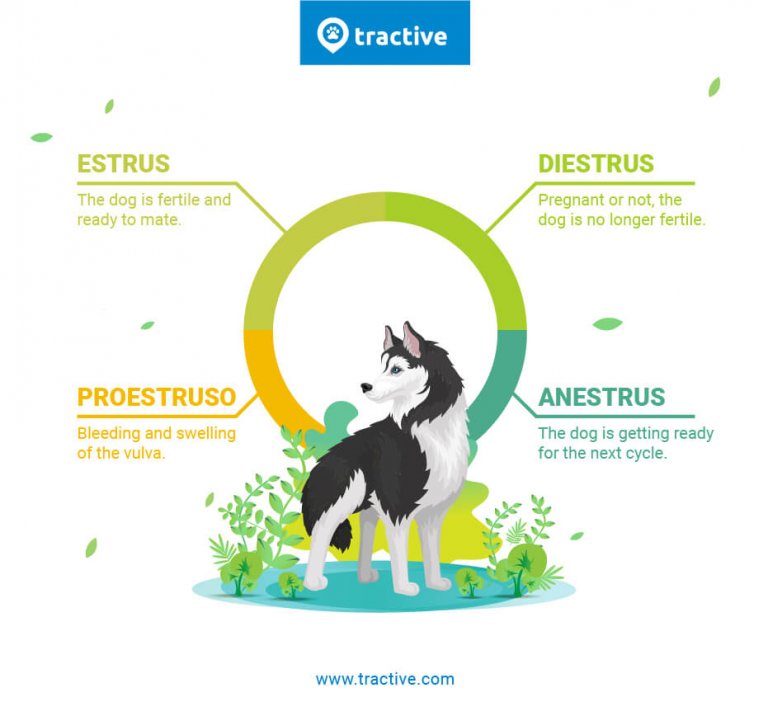
Managing dog behavior in heat requires a thorough understanding of canine estrus cycles, hormonal shifts, and instinctive mating drives. According to the American Animal Hospital Association (AAHA), proactive reproductive management and environmental control significantly reduce stress and accidental litters during the canine estrus cycle. Hormonal surges during proestrus and estrus trigger profound physiological and psychological changes. Recognizing these shifts ensures optimal Dog Health and supports long-term canine wellness. Caregivers must implement structured protocols to maintain safety, prevent roaming, and monitor health markers closely during this sensitive period.
Pet Wellness & Behavior Snapshot:
- Core Focus: Dog behavior in heat encompasses hormonal fluctuations, increased vocalization, restlessness, and heightened mating instincts.
- Target Scope: Unspayed female canines experiencing estrus and the surrounding management needs of caregivers.
- Key Recommendation: Maintain strict indoor confinement and leash control during all outdoor trips to prevent unplanned breeding.
Core Principles and Detailed Overview
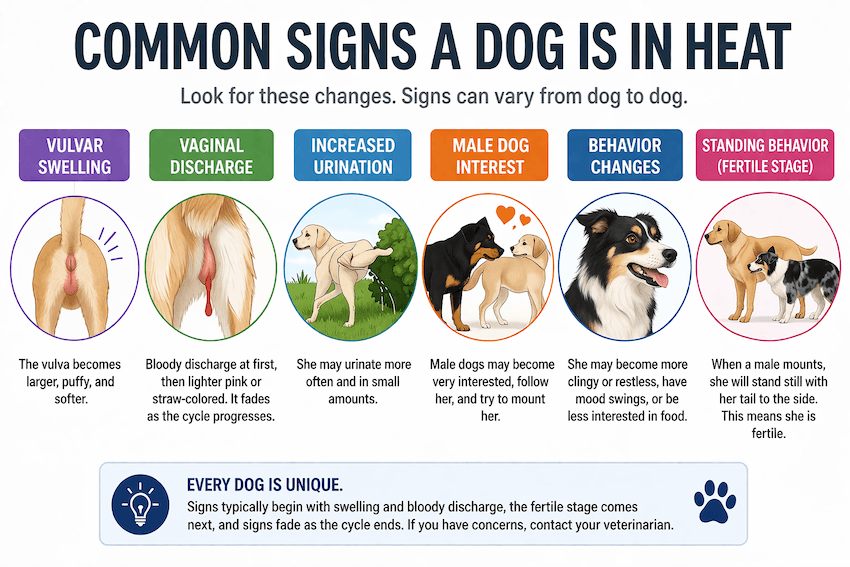
Dog behavior in heat is driven primarily by soaring estrogen levels during proestrus followed by a surge in progesterone during estrus, which fundamentally alters neurological responses and scent-marking habits. Biological changes compel unspayed females to seek out males, leading to pacing, restlessness, and sudden changes in appetite or obedience. Proper Dog Training reinforces foundational boundaries, yet hormonal instincts often override basic obedience cues. Caregivers should observe physical markers, such as vulvar swelling and bloody discharge, alongside behavioral anomalies like hyper-attachment, aggression toward other females, or aloofness. Balanced Dog Nutrition supports metabolic stability while physical energy expenditure fluctuates due to stress or lethargy.
Key Specifications and Breakdown
| Observed Indicator / Factor | Veterinary & Behavioral Explanation | Actionable Management Protocol |
|---|---|---|
| Excessive Pacing & Restlessness | Surging estrogen creates neurological stimulation and an innate urge to roam for potential mates. | Provide puzzle toys, indoor scent games, and secure perimeter fencing. |
| Sudden Appetite Fluctuations | Metabolic shifts and hormonal stress suppress or spike nutritional intake throughout the cycle. | Offer highly palatable, nutrient-dense foods and monitor daily weight metrics. |
| Tail Deviation & Standing Posture | Estrogen peaks trigger the physical readiness posture and scent-marking frequency. | Utilize diapers indoors and strict leash walking exclusively away from public canine areas. |
Strict indoor confinement and monitored outdoor elimination are essential clinical protocols for preventing unplanned pregnancies and managing roaming risks during the active estrus phase. — American Veterinary Medical Association (AVMA)
Step-by-Step Practical Application and Guidelines
Managing dog behavior in heat requires a systematic approach centered on environmental modifications, hygiene maintenance, and stress mitigation. Implementing rigorous containment safeguards begins with inspecting all fences, gates, and windows to eliminate potential escape routes exploited by scented pheromones. Caregivers should establish predictable indoor routines, utilizing calming pheromone diffusers and designated quiet zones to soothe anxious behaviors. Professional guidance on Dog Care outlines the importance of frequent hygiene checks, washing bedding regularly, and monitoring for signs of uterine infections such as pyometra. Outdoor exercise must transition strictly to individual leash walks in low-traffic zones, minimizing accidental contact with roaming males attracted to scent trails.
Common Challenges and How to Avoid Them
Dog behavior in heat frequently presents challenges related to inappropriate scent-marking, unwanted male attention, and caregiver misinterpretation of normal physiological stress. A frequent mistake involves off-leash exercise or open-door complacency, which exploits the intense biological drive to escape and breed. Caregivers must avoid punitive corrections for nervous vocalizations or indoor accidents, as punishment exacerbates anxiety and stress-related behaviors. Tracking exact calendar dates for each cycle provides invaluable diagnostic data for veterinarians assessing reproductive health or planning future elective spay procedures.
💬 Frequently Asked Questions
Explore More Pet Care and Animal Health Guides on PetsAnimalsWorld
Understanding canine wellness requires continuous education across all facets of companion animal husbandry, from behavioral milestones to preventative medicine. Delve deeper into specialized insights by exploring comprehensive resources dedicated to Dog Behavior at Pets Animals World, designed to empower caregivers with expert knowledge.
Visual Reference Gallery