Introduction
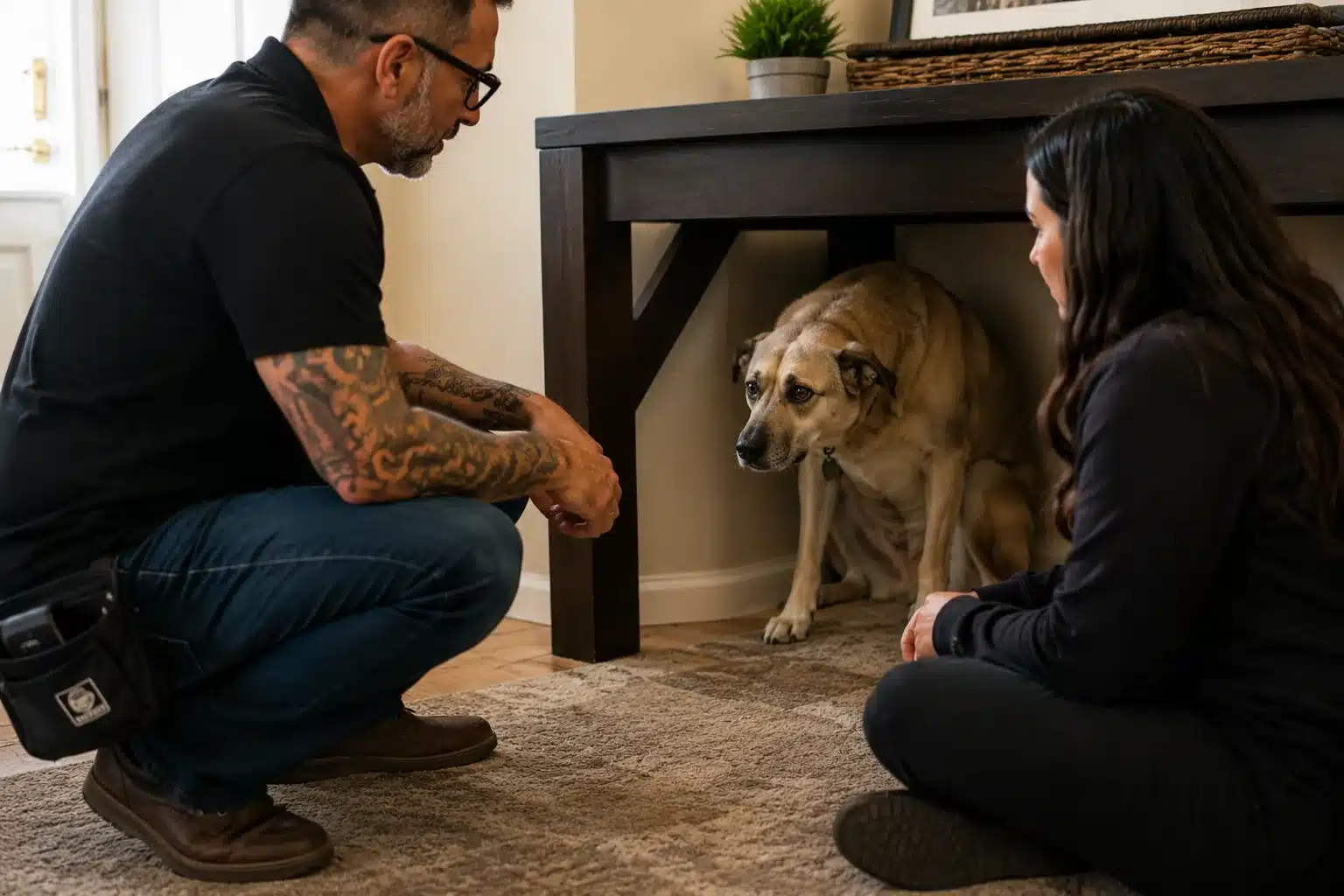
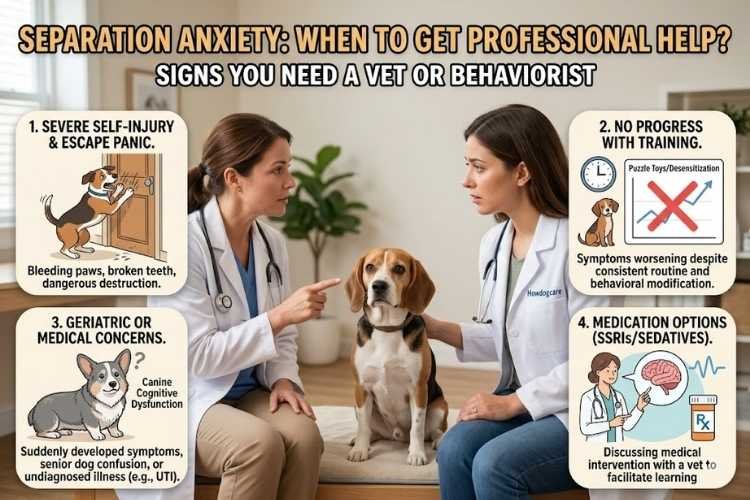
Finding a professional dog behaviorist for anxiety near me requires evaluating certified credentials, specialized clinical training, and localized veterinary referral networks to effectively manage severe canine distress. According to the International Association of Animal Behavior Consultants (IAABC), utilizing certified professionals ensures that behavior modification plans rely on humane, scientifically validated protocols rather than outdated aversive techniques. Canine anxiety manifests through destructive chewing, persistent vocalization, pacing, and house-soiling, requiring structured intervention from qualified practitioners who understand Dog Behavior dynamics. Pet caregivers must navigate these behavioral hurdles systematically, integrating environmental adjustments, veterinary oversight, and specialized training frameworks to restore emotional equilibrium in affected animals.
Pet Wellness & Behavior Snapshot:
- Core Focus: Locating certified professionals specializing in canine anxiety modification and rehabilitation.
- Target Scope: Companion animals exhibiting separation distress, generalized phobias, or noise reactivity.
- Key Recommendation: Combine structured behavior modification with a thorough physical health screening by a licensed veterinarian.
Core Principles and Detailed Overview
Identifying a local canine behavior specialist involves understanding the distinct educational backgrounds, certifications, and clinical scopes separating applied animal behaviorists from general trainers. Board-certified veterinary behaviorists (DACVB) and certified behavior consultants evaluate complex physiological and psychological triggers, formulating comprehensive treatment programs that address the root causes of panic rather than merely suppressing surface symptoms. Comprehensive Dog Health evaluations must precede any intensive behavior modification plan to rule out underlying painful conditions, endocrine imbalances, or neurological disorders that frequently mimic primary anxiety disorders. Furthermore, proper dietary management through targeted Dog Nutrition plays an instrumental role in stabilizing neurotransmitter production, supporting cognitive function, and reducing systemic inflammation that exacerbates hyper-arousal states in sensitive companion animals.
Key Specifications and Breakdown
| Observed Indicator / Factor | Veterinary & Behavioral Explanation | Actionable Management Protocol |
|---|---|---|
| Destructive chewing and excessive vocalization when isolated | Indicates separation distress stemming from hyper-attachment or panic responses | Implement gradual desensitization protocols and consult local behavior specialists |
| Sudden onset of aggression or startling during thunderstorms | Reflects noise phobia or age-related cognitive decline affecting sensory processing | Create a secure den environment and schedule a comprehensive veterinary diagnostic check |
| Restless pacing, panting, and compulsive licking behaviors | Signals chronic generalized anxiety or underlying orthopedic pain triggering stress | Evaluate dietary intake, rule out pain via veterinary imaging, and initiate structured relaxation exercises |
Behavioral modification plans must prioritize animal welfare, utilizing positive reinforcement and systematic desensitization under the ethical guidelines established by the American Veterinary Medical Association (AVMA). — American Veterinary Medical Association (AVMA)
Step-by-Step Practical Application and Guidelines
Executing a successful behavior modification strategy for an anxious canine demands patience, consistency, and professional guidance tailored to the specific environment. Caregivers should begin by searching for regional professionals holding recognized credentials such as CDBC, CBCC-KA, or DACVB designations to ensure adherence to humane, science-based methodologies. Once a qualified specialist is secured, the practitioner conducts an initial behavioral assessment inside the domestic setting, observing specific triggers, baseline stress signals, and household routines. Establishing predictable daily schedules, incorporating structured mental enrichment, and practicing proactive Dog Training games significantly reduce baseline cortisol levels. Concurrently, caregivers must maintain open communication with the veterinary team to monitor potential pharmacological interventions, ensuring medications and behavior modification plans work harmoniously to alleviate chronic distress.
Common Challenges and How to Avoid Them
Failing to distinguish between medical ailments and behavioral issues represents the most frequent obstacle when addressing canine anxiety without professional oversight. Many pet owners mistakenly attribute house-soiling, lethargy, or sudden reactivity exclusively to training deficiencies, delaying vital diagnostics that uncover hidden illnesses or systemic pain. Another common misstep involves rushing desensitization exercises or utilizing punitive corrections, which invariably heighten fear responses and damage the human-animal bond. Thorough research into appropriate Dog Breeds predispositions, alongside continuous education regarding stress signaling, empowers caregivers to intercept escalating anxiety before compulsive habits become deeply ingrained. Partnering early with credentialed local experts prevents trial-and-error management strategies that inadvertently reinforce panic behaviors.
💬 Frequently Asked Questions
Explore More Pet Care and Animal Health Guides on PetsAnimalsWorld
Navigating canine behavioral health requires ongoing education, reliable resources, and dedication to balanced companion animal management. Readers can discover additional expert-backed insights, specialized healthcare tips, and comprehensive care strategies across the complete library hosted at Pets Animals World to support long-term wellness for all Pets.
Visual Reference Gallery