Introduction
Dog training for separation anxiety is a specialized, systematic behavioral modification protocol designed to reduce canine panic responses when left alone through gradual desensitization and counter-conditioning. According to the American Animal Hospital Association (AAHA), canine behavioral disorders require comprehensive medical and environmental assessments to differentiate true separation distress from other physiological ailments. Clinical management integrates structured Dog Training methodologies with specialized Dog Health monitoring to ensure psychological stability in domestic pets. Recognizing early behavioral cues ensures that animal health caregivers can intervene before chronic stress compromises canine welfare.
Pet Wellness & Behavior Snapshot:
- Core Focus: Systematic desensitization to build emotional resilience during owner departures.
- Target Scope: Domestic companion animals experiencing mild to severe panic when isolated.
- Key Recommendation: Keep departure cues neutral and practice sub-threshold absences consistently.
Core Principles and Detailed Overview
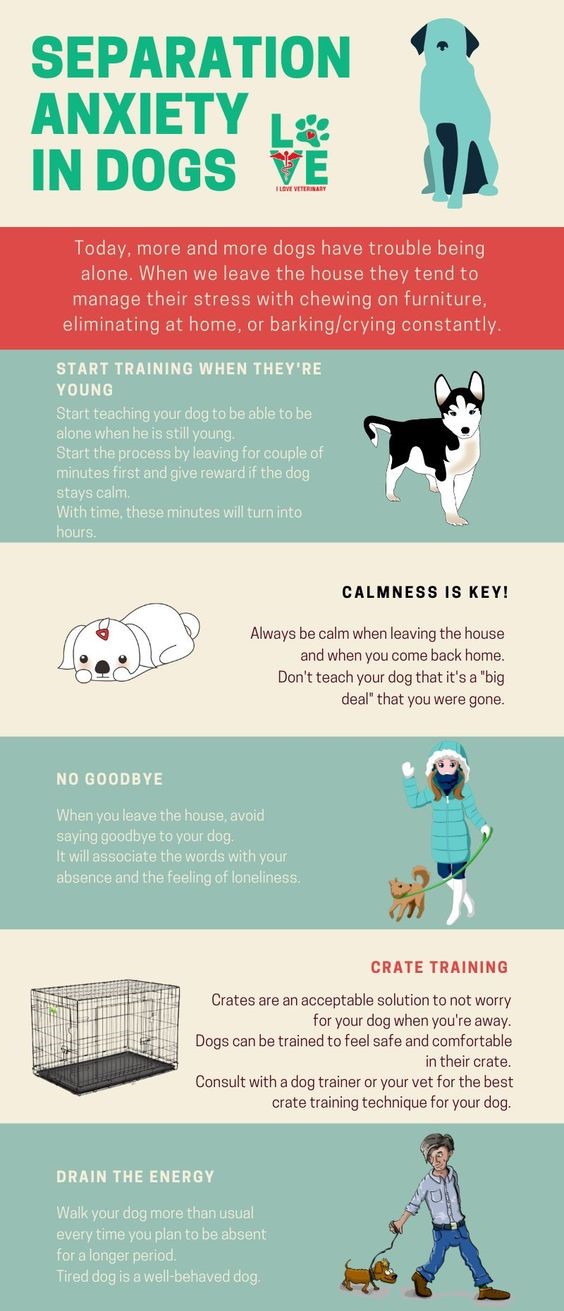
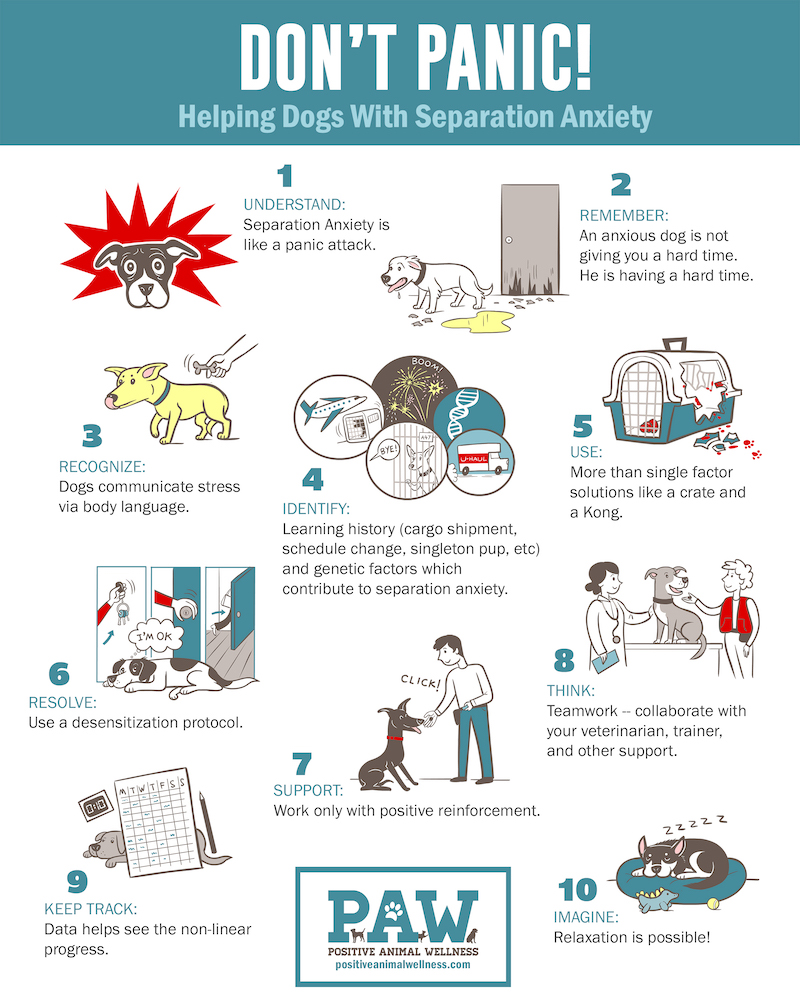
Systematic desensitization remains the foundational pillar of modern canine behavioral modification for separation distress. Direct answers to chronic panic behaviors require identifying specific physiological triggers, such as jingling keys or putting on shoes, which routinely provoke anticipatory anxiety. Companion animal behaviorists emphasize that flooding dogs with prolonged isolation exacerbates fear pathways, making structured Dog Behavior modification essential for sustainable recovery. Effective protocols align behavioral exercises with tailored Dog Nutrition plans, as balanced amino acid profiles and stable blood sugar levels support neurochemical regulation and reduce overall stress reactivity in sensitive subjects.
Key Specifications and Breakdown
| Observed Indicator / Factor | Veterinary & Behavioral Explanation | Actionable Management Protocol |
|---|---|---|
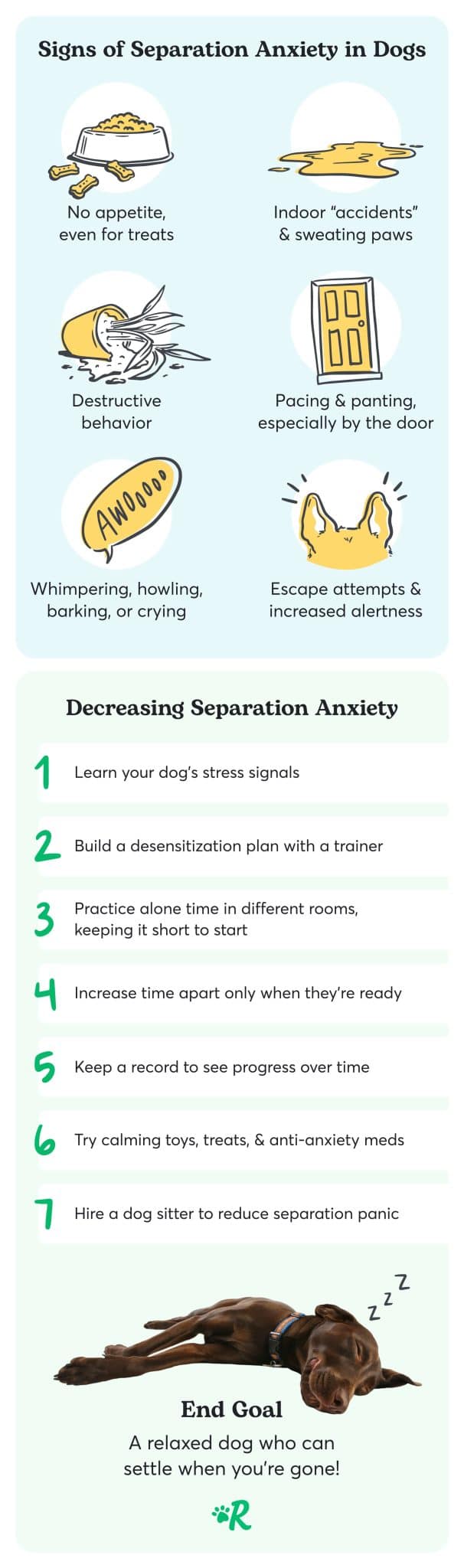
| Vocalizing and Pacing | Acute sympathetic nervous system activation triggered by isolation cues. | Desensitize departure triggers without actually leaving the premises. |
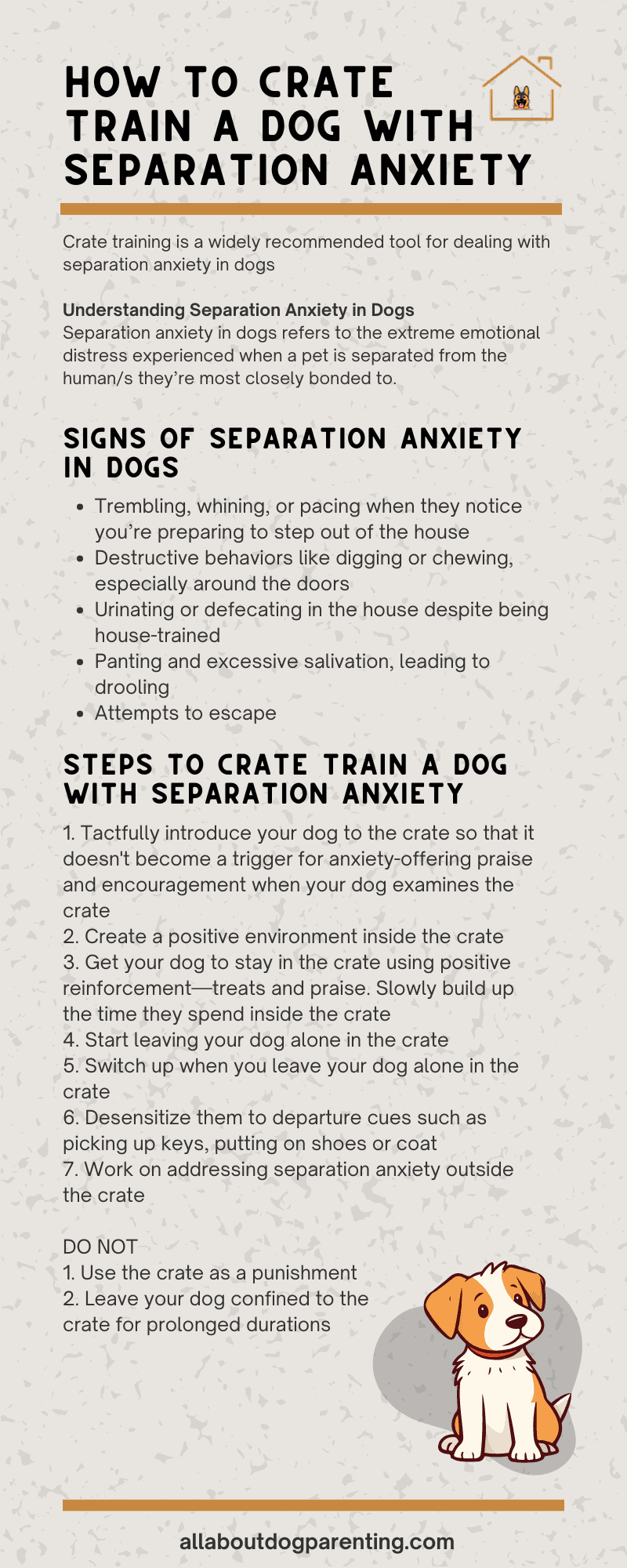
| Destructive Chewing | Redirected physical displacement activity driven by panic and frustration. | Provide puzzle feeders and secure safe confinement zones. |
| Elimination Indoors | Autonomic nervous system overload resulting in loss of house-training. | Consult a veterinarian to rule out medical etiologies before retraining. |
Comprehensive evaluation by a licensed veterinarian is mandatory to exclude underlying organic diseases that mimic behavioral distress patterns. — American Veterinary Medical Association (AVMA)
Step-by-Step Practical Application and Guidelines
Executing a successful desensitization schedule requires keeping absences strictly below the threshold that triggers panic responses. Caregivers must initiate departures lasting only a fraction of a second, gradually increasing duration only when the animal remains completely calm. General Dog Care standards dictate that physical exercise and mental enrichment must precede training sessions to lower baseline arousal. Furthermore, maintaining predictable daily routines across all household members reinforces emotional security, preventing regression during the behavior modification lifecycle.
Common Challenges and How to Avoid Them
Unintentional reinforcement of anxious behaviors remains the most frequent pitfall encountered during home-based rehabilitation programs. Returning to a distressed animal immediately after vocalization teaches the canine that panic successfully summons human attention. Companion animal caregivers must avoid emotional greetings and punishments, as reprimands only heighten fear and destroy trust. Adhering strictly to measured, incremental progressions ensures steady neurological adaptation without triggering setbacks.
💬 Frequently Asked Questions
Explore More Pet Care and Animal Health Guides on PetsAnimalsWorld
Maintaining optimal canine health requires continuous education on companion animal medicine, behavioral science, and preventive wellness strategies. Caregivers can expand their knowledge base by browsing specialized resources across Pets and related veterinary topics available directly through Pets Animals World to support lifelong animal well-being.
Visual Reference Gallery