Introduction
Dog behavior guarding represents an instinctual canine response characterized by the defense of valued items such as food, toys, resting spaces, or human companions against perceived threats. According to the International Association of Animal Behavior Consultants (IAABC), resource guarding is a normal evolutionary trait rooted in survival instincts, yet it requires precise behavioral intervention when manifested inside domestic households to ensure human safety and animal welfare. Understanding the foundational triggers of this display allows companion animal caregivers and veterinary health professionals to implement structured management strategies. Proper oversight within Dog Behavior frameworks helps mitigate reactivity and promotes predictable animal responses during daily care routines.
Pet Wellness & Behavior Snapshot:
- Core Focus: Mitigation and structured management of canine resource guarding tendencies.
- Target Scope: Domestic pet households managing food, toy, and spatial territorial aggression.
- Key Recommendation: Implement desensitization protocols while maintaining safe physical boundaries.
Core Principles and Detailed Overview
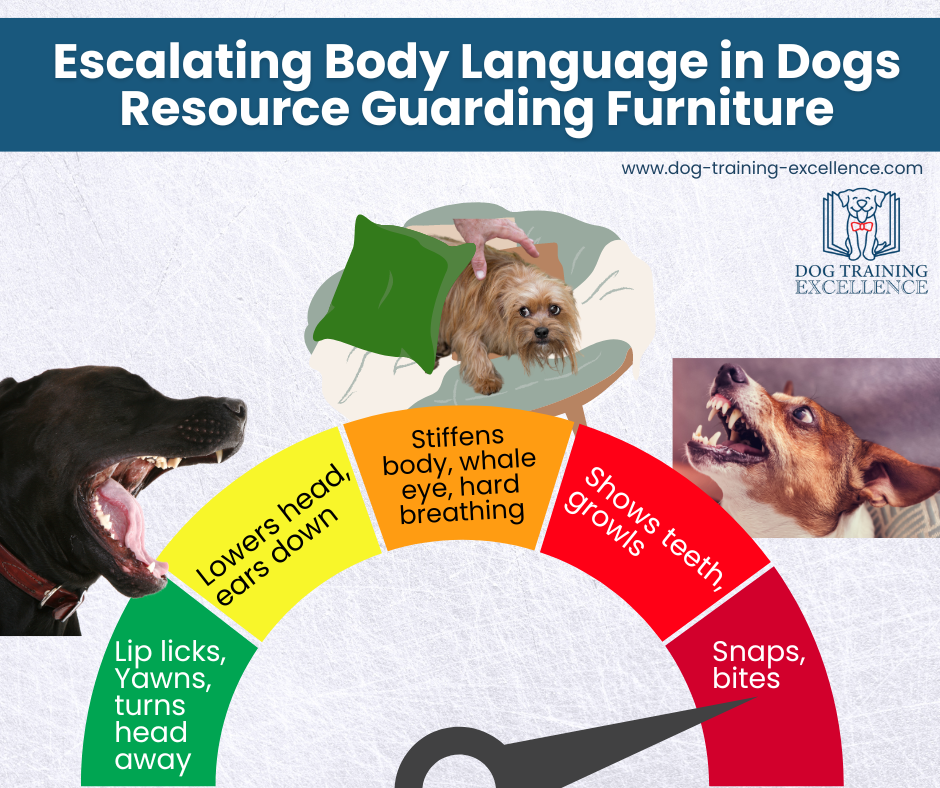
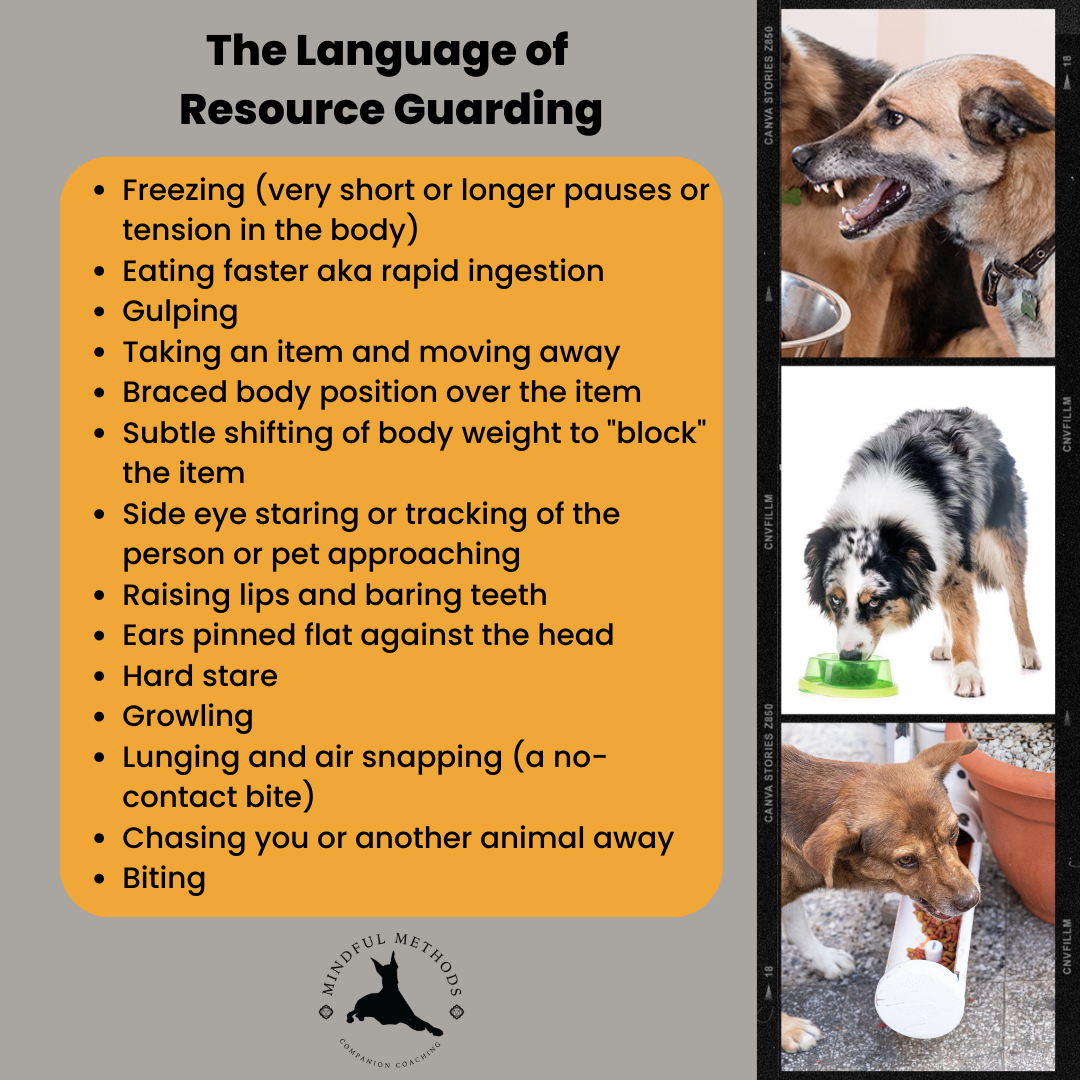
Canine resource guarding operates on a spectrum ranging from subtle freeze responses and whale eye to overt snapping and biting, necessitating thorough clinical evaluation. Addressing this behavioral challenge requires analyzing environmental stressors, underlying physiological health, and the precise value the dog assigns to the guarded item. Comprehensive guidance found within specialized Dog Training modules emphasizes positive reinforcement desensitization rather than punitive corrections, which historically escalate defensive aggression. Veterinary technicians must also examine metabolic parameters, as chronic pain or nutritional imbalances can heighten irritability. Evaluating Dog Nutrition protocols ensures that dietary formulations provide adequate satiety and caloric stability, preventing resource-driven anxiety linked to restricted feeding schedules or perceived food scarcity.
Key Specifications and Breakdown
| Observed Indicator / Factor | Veterinary & Behavioral Explanation | Actionable Management Protocol |
|---|---|---|
| Subtle Stiffening | Early autonomic nervous system activation signaling impending defensive escalation. | Cease all approach behavior immediately and increase spatial distance. |
| Dietary Urgency | Metabolic anxiety driven by inconsistent feeding schedules or nutritional deficits. | Establish consistent feeding routines and review nutritional balance. |
| Spatial Territorialism | Instinctual defense of resting areas, crates, or high-traffic household thresholds. | Provide secure, unhindered retreat zones without mandatory forced eviction. |
Veterinarians must evaluate underlying medical conditions, pain scales, and neurological triggers before diagnosing and treating primary behavioral pathologies — American Veterinary Medical Association (AVMA)
Step-by-Step Practical Application and Guidelines
Successful mitigation of guarding behaviors relies on systematic desensitization paired with counter-conditioning under controlled environments. Caregivers must first identify specific thresholds where the animal displays tension, keeping interactions well below that stress boundary. Trading up techniques—exchanging a low-value item for an exceptionally high-value treat—teach the animal that human approach predicts positive outcomes rather than item loss. Professional oversight within comprehensive Dog Care programs ensures that physical management tools, such as baskets muzzles or baby gates, are utilized safely to protect household members during active behavior modification plans. Consistency across all human handlers prevents confusion and reinforces positive associations consistently.
Common Challenges and How to Avoid Them
Punishing a guarding animal severely compromises safety and accelerates defensive reactivity by validating the perception that humans represent a direct threat to survival. Caregivers frequently commit the error of forcibly removing items from the animal’s jaws, an action that triggers defensive biting and destroys trust. Routine wellness checks documented in Dog Health records are essential to rule out painful orthopedic or dental conditions that frequently exacerbate protective aggression. Avoiding abrupt approaches around feeding stations, high-value chews, and sleeping quarters prevents accidental escalation while professional behavior modification protocols take full effect over time.
💬 Frequently Asked Questions
Explore More Pet Care and Animal Health Guides on PetsAnimalsWorld
Mastering canine behavioral nuances requires continuous education, professional insight, and dedicated stewardship across all stages of animal life. Caregivers seeking further knowledge regarding canine wellness, specialized care protocols, and breed-specific tendencies can explore the complete educational library maintained by Pets Animals World to support optimal companion animal well-being.
Visual Reference Gallery