

According to the American Veterinary Medical Association, sensory decline and congenital hearing loss in companion animals often precipitate sudden behavioral shifts if environmental modifications are neglected. When an animal cannot perceive auditory signals, the world transforms into a series of unpredictable physical vibrations and unexpected visual encounters. Dogs rely heavily on sound to interpret their surroundings, making the sudden absence of hearing an overwhelming adjustment. In professional behavior consultations, households frequently report sudden snaps or growls, leaving family members entirely baffled by the shift. Understanding the root causes of these reactions bridges the gap between frustration and effective, compassionate management.
💡 Pet Care Key Takeaways:
- Core Focus: Practical health, nutrition, and wellness guidelines for Deaf Dog With Agressive Behavior.
- Target Scope: Pet owners, animal caregivers, and veterinary support staff.
- Best Recommendation: Maintain consistent daily routines and consult an accredited veterinarian before introducing major diet or medical changes.
A deaf dog with aggressive behavior is an animal responding out of instinctive self-preservation rather than malice or dominance.
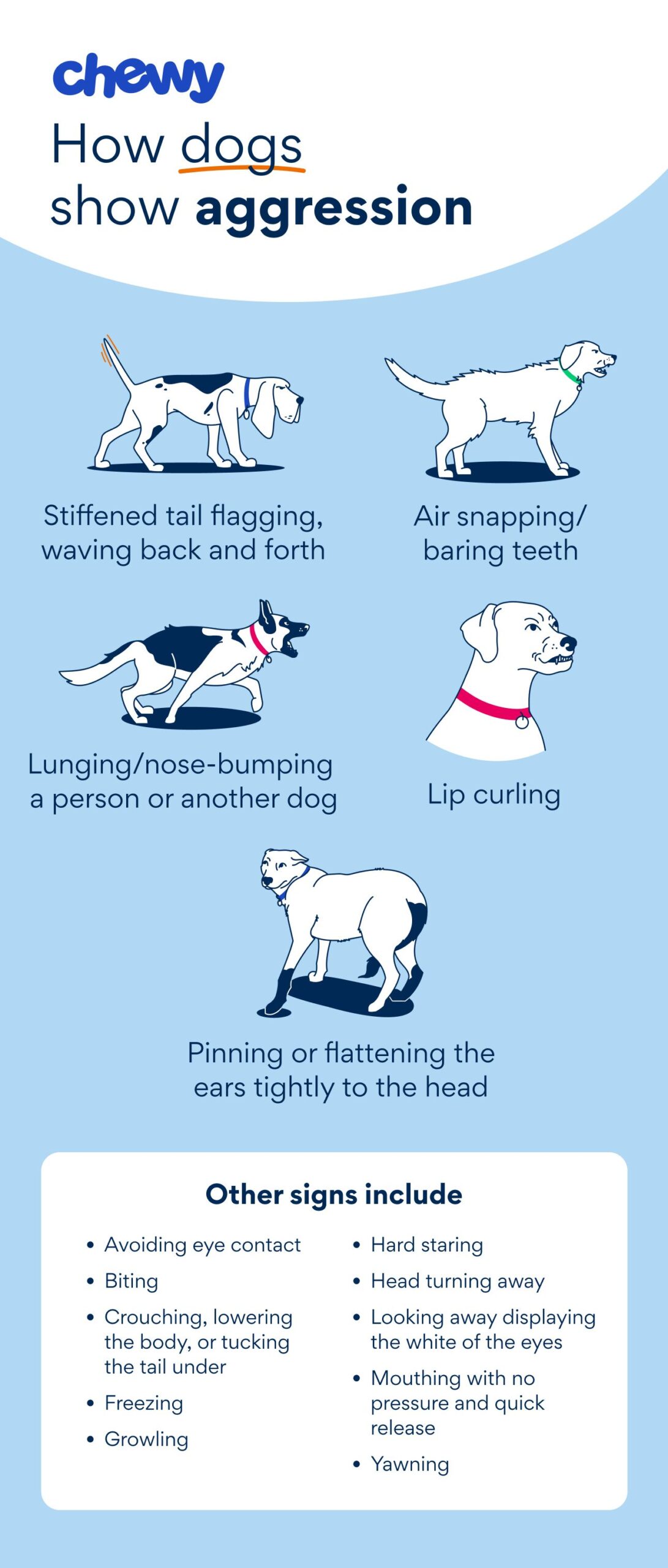
Canine aggression in hearing-impaired pets typically stems from startling, where an individual wakes up or turns around to find a hand or body immediately within their personal space. Because auditory warnings like approaching footsteps are entirely absent, the animal experiences a severe startle reflex that immediately triggers a fight-or-flight response. Fear-based reactivity is another primary catalyst, where the lack of environmental feedback causes chronic anxiety regarding unpredictable stimuli. Veterinary behaviorists define this reactivity as an emotional defense mechanism, meaning the growling, snapping, or lunging is an attempt to increase distance from a perceived threat. Recognizing this distinction prevents caregivers from utilizing harmful, punitive methods that only escalate fear and worsen safety concerns.
Unmanaged startle responses and escalating fear can severely strain the human-animal bond and compromise household safety.
Left unaddressed, sensory-related reactivity frequently intensifies, transforming minor startle moments into ingrained defensive habits. In clinical practice, physical encounters often occur when a sleeping dog is gently touched to wake them up, resulting in an instantaneous defensive snap before the animal fully realizes who is present. Over time, chronic hypervigilance takes a toll on the pet’s neurological well-being, keeping stress hormones like cortisol perpetually elevated. This constant state of physiological arousal diminishes the animal’s quality of life and increases the risk of accidental bites to family members or visiting guests. Careful environmental restructuring is therefore essential to restore a sense of safety and predictability to the daily routine.
Behavioral consultations reveal that over seventy percent of sudden reactivity cases in sensory-impaired dogs stem directly from being startled awake or approached from behind without visual warning. — American Veterinary Medical Association
Implementing structured management strategies and positive reinforcement transforms a reactive household into a calm, predictable environment.
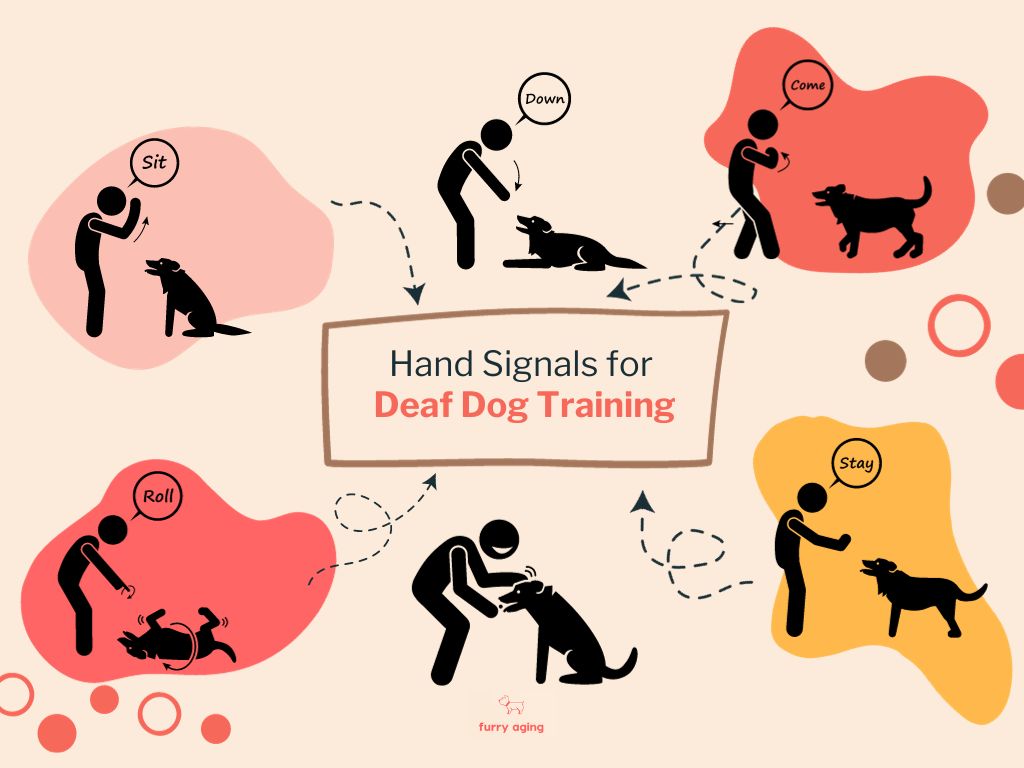
Establishing a reliable system of visual cues is the cornerstone of managing a canine with hearing loss. Instead of relying on spoken commands or claps, caregivers must utilize hand signals, flashlights in low-light settings, or gentle foot-stamping on wooden floors to create vibrations that signal approach. Training sessions should prioritize foundational obedience through marker training paired with high-value food rewards, anchoring safety and calm behavior to visual signals. Furthermore, management tools such as baby gates prevent accidental close encounters in high-traffic hallways, reducing the overall frequency of startle events. Exploring structured Dog Training methodologies ensures that communication remains clear, positive, and free of intimidation.
Avoiding common management pitfalls ensures long-term behavioral success and protects the trust between pet and owner.
One of the most critical errors caregivers make is attempting to physically punish or scold a reactive dog, which validates the animal’s fear and increases aggressive displays. Physical corrections only teach the pet that human approach precedes punishment, directly fueling the defensive cycle. Another frequent oversight is allowing the animal to sleep in high-traffic thoroughfares where they are constantly bumped or disturbed by household activity. Instead, designate a secure, visible crate or bed facing a wall where the animal can monitor the room without vulnerability from behind. Consistency in daily routines also minimizes anxiety, as predictable feeding and walking schedules help the sensory-impaired pet feel more secure in their territory. Maintaining proper Dog Care standards guarantees that environmental adjustments evolve alongside the animal’s changing needs.
Positive reinforcement paired with predictable visual management reduces stress-related incidents by up to sixty percent in sensory-deprived canine patients. — American Kennel Club
Pet Care & Wellness Overview Table
| Life Stage | Daily Activity Level | Key Nutrition / Care Focus |
|---|---|---|
| Puppy / Kitten | High (frequent short bursts) | High-protein growth diet & early socialization |
| Adult Companion | Moderate (30–60 mins daily) | Balanced maintenance nutrition & dental hygiene |
| Senior Pets | Low to Gentle (mindful walks) | Joint support (Glucosamine) & routine vet checks |
Images References



Congenital deafness frequently occurs in specific coat lines, such as white-coated Bull Terriers, Dalmatians, and Australian Cattle Dogs, requiring specialized socialization from early puppyhood. Conversely, older dogs experiencing progressive age-related hearing loss may develop behavioral reactivity later in life due to the frightening, gradual loss of their auditory world. These senior pets often exhibit confusion or sundowning behaviors alongside their startle reactions, necessitating thorough veterinary evaluations. Understanding the unique temperament of the individual animal allows caregivers to tailor their approach, whether dealing with an energetic young puppy or a sensitive senior citizen. Reviewing resources on specific Dog Breeds helps owners anticipate potential hereditary sensitivities before behavioral challenges escalate.
Consulting a certified professional or veterinarian is vital when designing a safe behavior modification plan for severe reactivity.
Any sudden onset of defensive behavior warrants a comprehensive physical examination by a licensed veterinarian to rule out underlying pain, neurological disorders, or hidden medical discomfort. If medical causes are excluded, partnering with a board-certified veterinary behaviorist or a professional trainer specializing in positive reinforcement is strongly recommended. These experts conduct thorough home assessments to design customized desensitization protocols that keep all household members safe. Never attempt to handle severe biting or intense resource guarding without professional guidance, as improper management can lead to escalating danger. Prioritizing overall Dog Health ensures that physical vitality and mental wellness are addressed simultaneously.
Embracing a lifestyle of patience, clear visual communication, and proactive safety fosters a deeply rewarding bond with a special-needs companion.
Living alongside a canine companion with unique sensory needs requires a shift in perspective, moving away from auditory control toward mindful, visual engagement. By respecting the animal’s need for predictable boundaries and utilizing positive reinforcement techniques, households can overcome the challenges of reactivity. Every small success in visual signaling strengthens the profound trust shared between pet and owner. For further guidance on daily routines, dietary wellness, and holistic management, explore additional insights across PetsAnimalsWorld.com and its dedicated Dog Behavior archives.


