
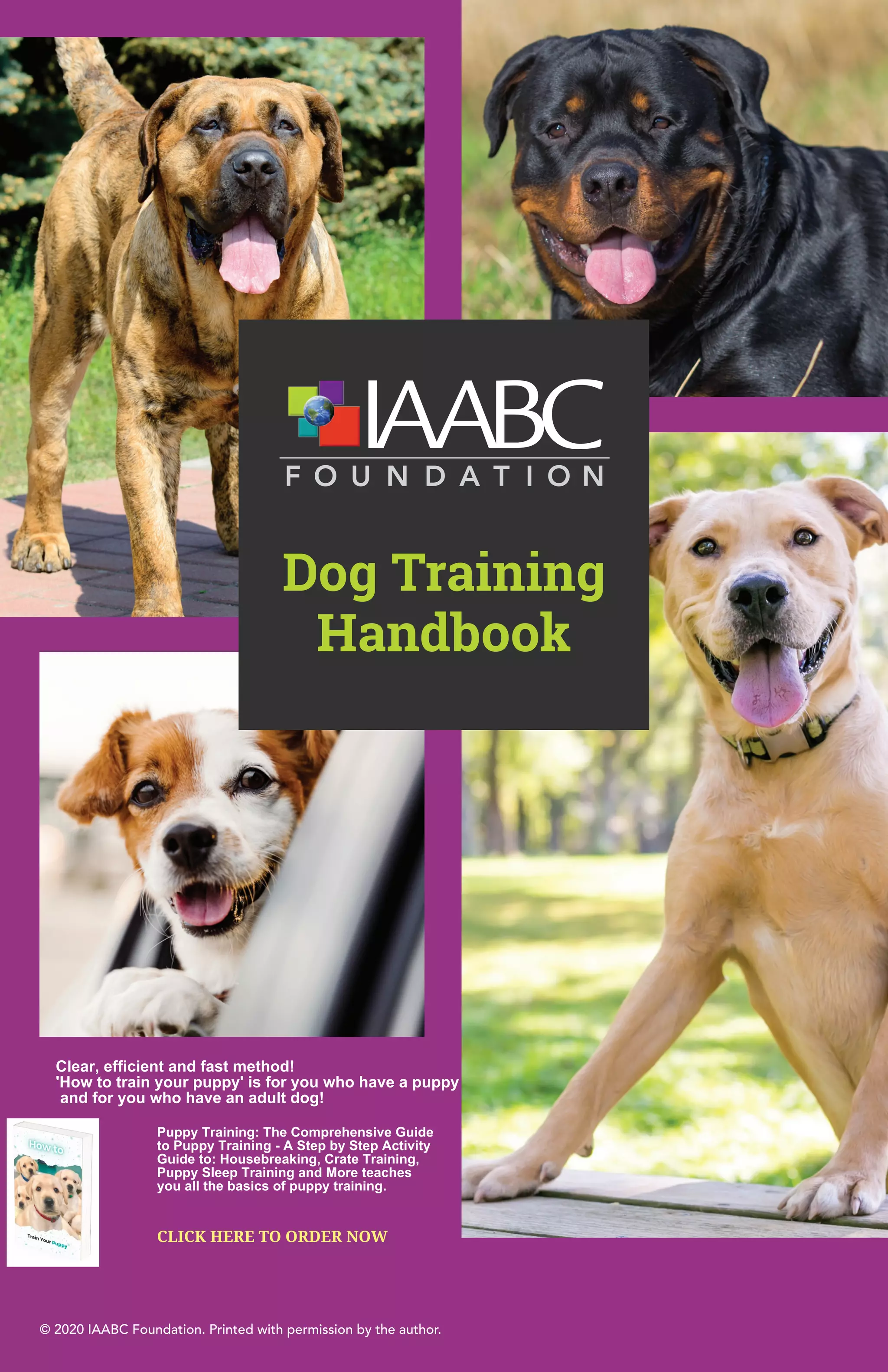
Understanding the backbone of modern canine coaching helps guardians unlock a deeper connection with their canine companions.
According to the American Veterinary Medical Association, canine behavioral issues remain a primary reason dogs are relinquished to shelters, highlighting an urgent need for science-based guidance. Navigating the world of animal psychology can feel overwhelming when countless conflicting methods crowd digital spaces. Professional standards established by credentialed organizations provide a reliable compass for household pets. Modern animal behavior consulting shifts the focus away from outdated dominance theories and toward mutual understanding. Observing a dog pace nervously by a window reveals an internal state that physical obedience commands alone cannot resolve. Certified professionals look past the surface symptom to address the underlying emotional drivers of a companion animal.
💡 Pet Care Key Takeaways:
- Core Focus: Practical health, nutrition, and wellness guidelines for Iaabc Dog Behavior Welfare Enrichment Training Resources.
- Target Scope: Pet owners, animal caregivers, and veterinary support staff.
- Best Recommendation: Maintain consistent daily routines and consult an accredited veterinarian before introducing major diet or medical changes.
IAABC dog behavior welfare enrichment training resources encompass a globally recognized standard for ethical, science-backed animal care and education.
The International Association of Animal Behavior Consultants, commonly abbreviated as IAABC, sets rigorous benchmarks for professionals who evaluate and modify domestic animal actions. These resources bridge the gap between academic research and everyday pet ownership by translating complex ethology—the scientific study of animal behavior—into practical household strategies. Dog welfare encompasses physical health, emotional safety, and cognitive stimulation, ensuring a balanced life for every canine. Enrichment involves intentionally enhancing an animal’s environment to promote species-specific behaviors like sniffing, chewing, and foraging. Meanwhile, positive reinforcement training builds confident learners by rewarding desired actions rather than punishing mistakes. For more related activities, check out our How Much Do Animal Behaviorists Cost.
Chronic anxiety in dogs triggers sustained cortisol elevation, which gradually compromises immune function and exacerbates systemic inflammation. When guardians integrate targeted cognitive challenges into daily routines, canine heart rates stabilize and resting behaviors improve significantly. In clinical practice, dogs provided with frequent scent work and puzzle toys demonstrate markedly lower reactivity during veterinary examinations. These structured outlets satisfy innate predatory and exploratory drives safely within the home environment. Without such mental outlets, boredom frequently manifests as destructive chewing, excessive vocalization, or compulsive house-soiling.
Environmental enrichment significantly reduces stereotypic and stress-related behaviors in captive and domestic species by fulfilling psychological needs. — International Association of Animal Behavior Consultants
Implementing these professional resources requires a thoughtful blend of environmental management, humane teaching techniques, and daily mental stimulation.
Transforming everyday routines begins with evaluating how the home environment impacts canine decision-making and stress levels. Providing designated resting zones allows dogs to self-regulate when household activity becomes too stimulating. Utilizing professional directories maintained by credentialed certifying bodies ensures guardians connect with practitioners who utilize humane, least-intrusive, minimally aversive methodologies. Food-dispensing toys and snuffle mats slow down meal times while engaging the olfactory senses, which naturally calms the nervous system. Consistency across all household members remains paramount so the learner receives clear, predictable signals during daily interactions.
Avoiding common pitfalls ensures that teaching methods foster trust rather than confusion or fear in sensitive canine learners.
A frequent misstep involves rushing desensitization protocols, which inadvertently floods the animal with more stress than they can process. Punitive corrections must be strictly avoided, as intimidation damages the human-animal bond and often suppresses warning signs like growling, making future unpredictable reactions more likely. Instead, focus on setting up the environment for success and rewarding small approximations of desired behavior. Remember that patience is a vital tool when reshaping deeply ingrained habits, and progress is rarely linear. Tracking subtle changes in body language provides valuable insight into whether a chosen strategy is truly succeeding.
Positive reinforcement methods build resilient, confident learners by encouraging voluntary cooperation without fear or intimidation. — American Kennel Club
Pet Care & Wellness Overview Table
| Life Stage | Daily Activity Level | Key Nutrition / Care Focus |
|---|---|---|
| Puppy / Kitten | High (frequent short bursts) | High-protein growth diet & early socialization |
| Adult Companion | Moderate (30–60 mins daily) | Balanced maintenance nutrition & dental hygiene |
| Senior Pets | Low to Gentle (mindful walks) | Joint support (Glucosamine) & routine vet checks |
Images References
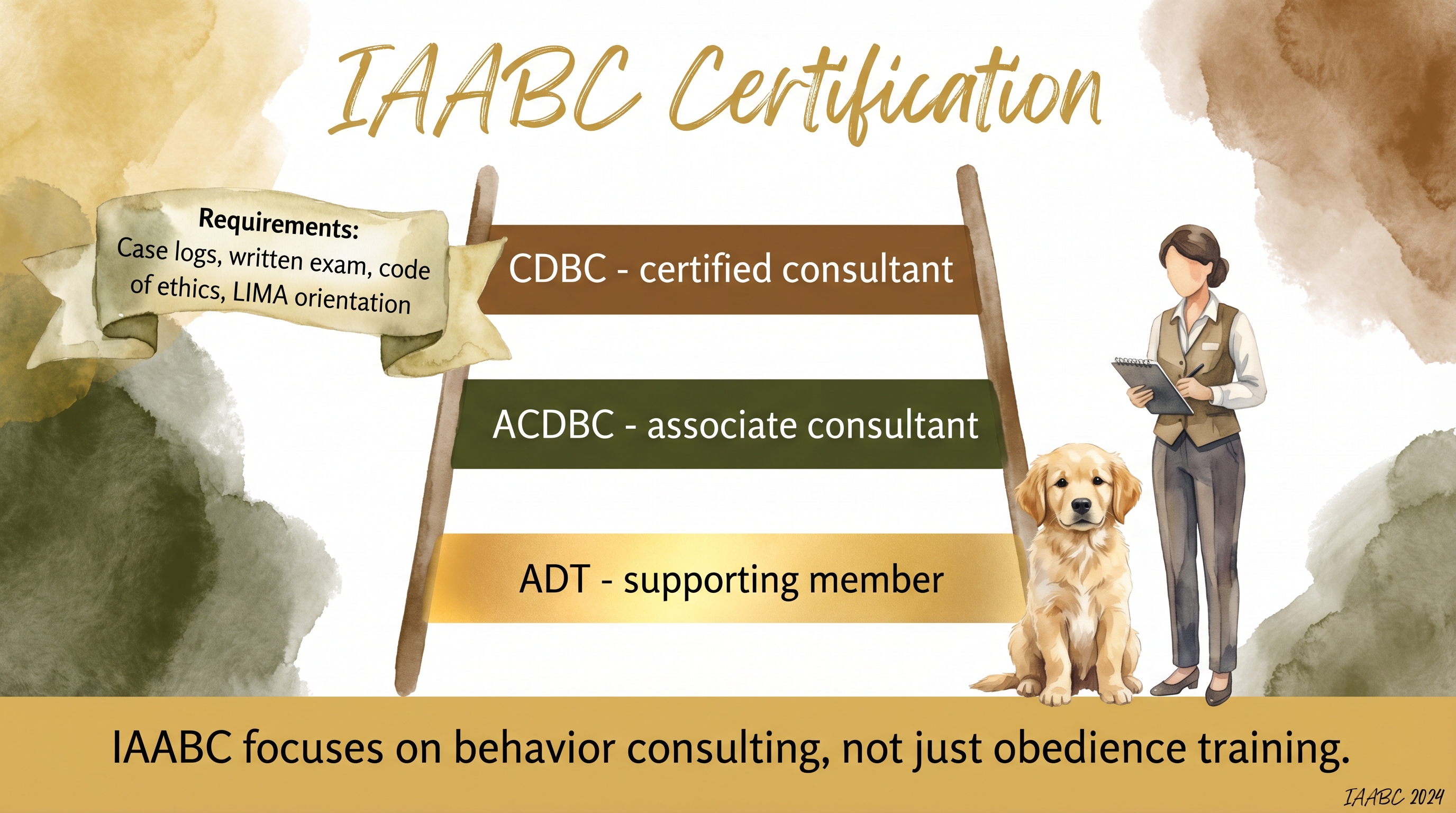


Individual breed traits, developmental life stages, and unique temperament profiles heavily influence how these educational resources are applied.
Herding breeds often require intense problem-solving and movement-based enrichment to satisfy their working heritage, whereas companion breeds may thrive on closer physical proximity and shorter scent games. Senior dogs experience cognitive changes similar to human aging, necessitating gentle mental stimulation that accommodates declining mobility or sensory loss. Adolescent dogs frequently test boundaries, requiring patient reinforcement of foundational cues combined with ample physical exercise. Tailoring an enrichment plan to match a specific life stage prevents frustration for both the guardian and the pet.
Recognizing when to transition from self-guided learning to professional behavioral intervention safeguards both human and animal well-being.
Severe behavioral concerns such as unprovoked aggression, profound separation anxiety, or generalized noise phobias demand immediate professional expertise rather than DIY solutions. Consulting a certified behavior consultant or a board-certified veterinary behaviorist ensures an accurate diagnosis that rules out underlying medical pain. For guidance on supporting your companion’s daily needs, explore expert insights on Dog Training and Dog Behavior. When sudden behavioral shifts occur, scheduling a thorough physical exam with a veterinarian is always the necessary first step. Safe, compassionate management protects the household while establishing a clear pathway toward lasting behavioral harmony.
Building a balanced lifestyle for your companion animal
Embracing professional behavioral standards transforms daily pet care into an enriching journey of mutual respect and understanding. By utilizing accredited educational resources, guardians cultivate resilient, happy dogs that thrive in modern human environments. Explore further guidance on canine wellness, enrichment, and care across PetsAnimalsWorld.com, including dedicated resources on Dog Care and Dog Health. Committed partnership and science-based education pave the way for a deeply rewarding life alongside your four-legged family members.




