

Understanding the financial investment behind resolving complex canine behavioral challenges
According to the American Society for the Prevention of Cruelty to Animals, behavioral issues remain one of the primary reasons dogs are surrendered to shelters, making early professional intervention critical for long-term household harmony. Navigating the expenses associated with professional rehabilitation requires a clear understanding of specialized animal care. When household dynamics are disrupted by intense fear, reactivity, or destructive habits, pet guardians frequently search for answers regarding how much do animal behaviorists cost before committing to a specialized care plan. Bringing a professional into the home represents a financial investment in safety, emotional well-being, and peaceful coexistence.
💡 Pet Care Key Takeaways:
- Core Focus: Practical health, nutrition, and wellness guidelines for How Much Do Animal Behaviorists Cost.
- Target Scope: Pet owners, animal caregivers, and veterinary support staff.
- Best Recommendation: Maintain consistent daily routines and consult an accredited veterinarian before introducing major diet or medical changes.
Evaluating the typical price ranges associated with professional behavioral services
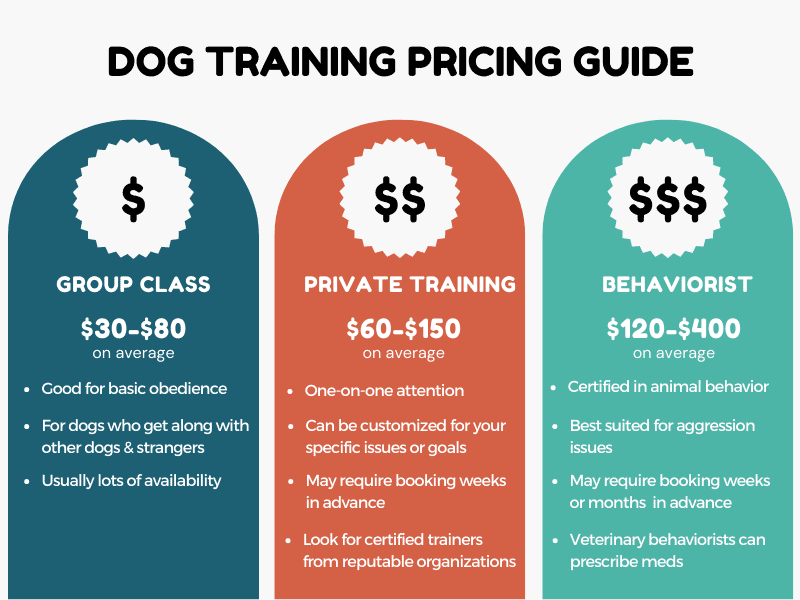
Professional animal behaviorists typically charge anywhere from one hundred to five hundred dollars for an initial consultation, with comprehensive packages reaching well into the thousands depending on the severity of the case. These fees reflect advanced education, specialized certifications, and extensive hands-on expertise required to modify deeply ingrained emotional responses. Unlike basic obedience instructors, certified applied animal behaviorists or veterinary behaviorists hold advanced academic degrees, such as master’s degrees or doctorates in animal behavior, zoology, or veterinary medicine. Consequently, hourly rates and initial consultation fees mirror the specialized medical and psychological nature of the work performed. For more related activities, check out our Picture Of Dog Leash Cesar Millan Uses.
Examining the direct impact of specialized behavior modification on canine welfare
Addressing root emotional drivers such as chronic anxiety or severe phobias transforms a dog’s daily existence from a state of constant survival mode to one of genuine relaxation. In clinical practice, dogs exhibiting profound fear often display sudden physical tension, dilated pupils, and averted gazes long before a trigger even enters the room, signaling an internal state of high alert. Investing in a qualified professional ensures that these underlying physiological stress responses are properly managed through positive, science-based methodologies rather than outdated, punitive techniques that escalate fear. Furthermore, resolving these triggers protects both the animal and the human family from accidental injury, fostering a secure environment built on mutual trust.
Advanced behavioral consultations average between $200 and $500 per initial session — American College of Veterinary Behaviorists
Several distinct variables dictate the ultimate financial scope of a behavior modification program, ranging from geographic location to the specific credentials of the practitioner. Urban metropolitan centers typically feature higher baseline rates due to increased cost of living and greater demand for specialized pet services. Additionally, initial evaluations are almost universally more expensive than follow-up sessions because they require an exhaustive behavioral history review, environmental assessment, and customized management plan formulation.
Selecting the right professional while avoiding common financial pitfalls
Prioritizing practitioner credentials over bargain pricing prevents wasted financial resources and protects the animal from potentially harmful training methodologies. Guardians should always verify certifications from recognized bodies such as the Animal Behavior Society or the American College of Veterinary Behaviorists before booking an appointment. Another common misstep involves purchasing single, isolated sessions for deeply rooted pathologies that clearly require long-term, multi-tiered support structures. Establishing a transparent budget with the chosen professional upfront ensures that the rehabilitation plan remains sustainable from start to finish.
Multi-week rehabilitation packages typically range from $1,000 to $3,500 total — Association of Professional Dog Trainers
Pet Care & Wellness Overview Table
| Life Stage | Daily Activity Level | Key Nutrition / Care Focus |
|---|---|---|
| Puppy / Kitten | High (frequent short bursts) | High-protein growth diet & early socialization |
| Adult Companion | Moderate (30–60 mins daily) | Balanced maintenance nutrition & dental hygiene |
| Senior Pets | Low to Gentle (mindful walks) | Joint support (Glucosamine) & routine vet checks |
Images References



Accounting for individual breed, age, and temperament variables in pricing
Individual dog characteristics significantly influence the complexity and duration of a behavioral program, which directly impacts the overall financial commitment. Working or herding dog breeds, for instance, often require intricate mental stimulation plans to channel high native drive away from destructive household outlets. Older dogs or rescues with unknown histories may carry layers of trauma that necessitate slow, methodical desensitization protocols over many months. Recognizing these inherent traits helps guardians anticipate the level of intervention required for meaningful, lasting progress.
Recognizing when to transition from basic training to veterinary behavioral care
Severe cases involving unprovoked aggression, profound separation panic, or sudden personality shifts demand immediate escalation beyond standard obedience classes to specialized veterinary oversight. According to the American Veterinary Medical Association, sudden behavioral changes in dogs frequently stem from underlying medical conditions, chronic pain, or neurological dysfunction that require diagnostic testing. A veterinary behaviorist possesses the unique legal and medical authority to prescribe pharmaceutical interventions alongside behavioral modification plans, bridging the gap between physical health and emotional rehabilitation.
Planning for long-term behavioral health and household harmony
Investing in professional behavioral guidance safeguards the human-animal bond and ensures a peaceful, structured environment for everyone in the household. By understanding the financial commitments involved, guardians can plan effectively for specialized care without unexpected strain. Exploring additional resources on Dog Behavior and Dog Training can further empower owners to support their canine companions. Visit PetsAnimalsWorld.com today to discover more expert guidance across categories like Dog Health and Dog Care.




