

Understanding the Milestone of Dog Behavior Changes at 3 Years Old
Reaching the three-year mark represents a significant milestone in canine development, often signaling the true arrival of social maturity. According to the American Kennel Club, many dogs complete their psychological development around this age, shifting away from chaotic adolescent patterns into a more settled adult temperament. Recognizing this evolutionary phase helps households understand unexpected shifts in focus, reactivity, and daily routines without unnecessary concern.
💡 Pet Care Key Takeaways:
- Core Focus: Practical health, nutrition, and wellness guidelines for Dog Behavior Changes At 3 Years Old.
- Target Scope: Pet owners, animal caregivers, and veterinary support staff.
- Best Recommendation: Maintain consistent daily routines and consult an accredited veterinarian before introducing major diet or medical changes.
Defining Behavioral Shifts During Canine Social Maturity
Behavior changes at 3 years old typically encompass a stabilization of personality traits, a more predictable energy output, and altered social preferences toward other animals and human visitors. While puppyhood and early adolescence feature high volatility, exploration, and boundary testing, the onset of social maturity solidifies adult temperament. During this period, dogs often become more selective about canine friendships, displaying less tolerance for boisterous or rude play styles from unfamiliar dogs at the park. For more related activities, check out our How Do You Correct A Dog’S Behavior.
Evaluating the Impact on Daily Training and Routine
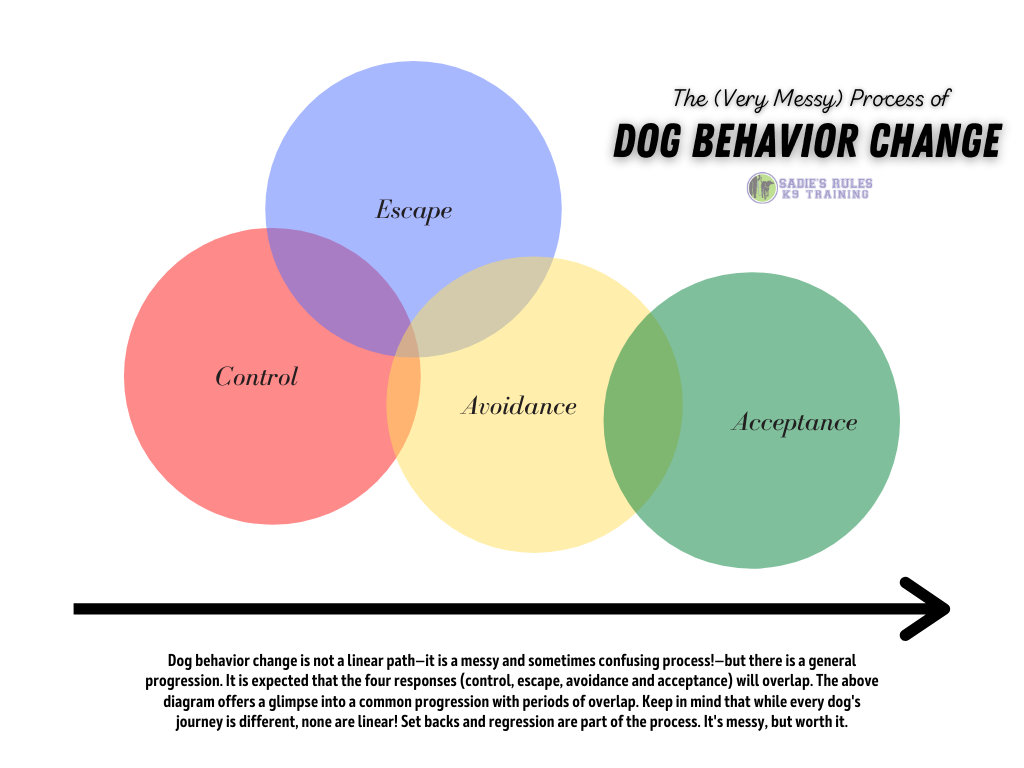
The transition into full adulthood heavily influences how canines process environmental stimuli, household rules, and reinforcement histories. As hormonal fluctuations level off and neural pathways fully myelinate—the process of insulating nerve fibers for faster signal transmission—many animals exhibit improved impulse control alongside a firmly established preference for certain habits. This stability creates an ideal window for reinforcing foundational obedience, though ingrained behaviors require consistent, positive management strategies to prevent regression into undesirable routines.
Social maturity in canines often finalizes breed-typical temperament traits, shifting tolerance levels toward unfamiliar animals and environmental novelties — American Kennel Club
Managing and Supporting Adult Canine Development
Successfully supporting a maturing dog involves aligning daily enrichment, mental stimulation, and physical exercise with changing adult capacities. Rather than relying solely on high-intensity physical exhaustion, households achieve better results by integrating puzzle toys, scent games, and structured obedience tasks that challenge cognitive functions. Maintaining predictable daily schedules reduces stress and reinforces calm responses to everyday triggers.
Best Practices and Common Pitfalls in Adult Care
Navigating this developmental stage requires vigilance regarding subtle adjustments in physical comfort and emotional wellbeing. A frequent mistake involves assuming that decreased puppy enthusiasm means a complete halt to training, when ongoing engagement remains vital for mental health. Owners must also avoid harsh, punitive corrections when handling sudden reactivity or stubbornness, opting instead for humane, force-free management techniques that protect trust and reduce anxiety.
Behavioral modifications in adult dogs are most successfully achieved through reward-based reinforcement strategies rather than aversive correction methods — American Veterinary Medical Association
Pet Care & Wellness Overview Table
| Life Stage | Daily Activity Level | Key Nutrition / Care Focus |
|---|---|---|
| Puppy / Kitten | High (frequent short bursts) | High-protein growth diet & early socialization |
| Adult Companion | Moderate (30–60 mins daily) | Balanced maintenance nutrition & dental hygiene |
| Senior Pets | Low to Gentle (mindful walks) | Joint support (Glucosamine) & routine vet checks |
Images References




Breed, Size, and Temperament Influences
The timeline and intensity of adult behavioral shifts vary widely depending on the specific breed, physical size, and individual genetic background of the animal. Giant dog breeds often mature much more slowly than smaller companion types, sometimes displaying puppy-like enthusiasm well past their third year, whereas smaller breeds frequently reach psychological maturity earlier. Understanding these inherent physiological differences ensures expectations remain realistic regarding energy levels, attentiveness, and social adaptability.
When to Consult a Professional or Veterinary Specialist
Consulting a qualified veterinary professional or a certified behaviorist becomes necessary if sudden personality shifts involve severe aggression, intense fear, vocalization, or destructive panic. Sudden behavioral deterioration can often mask underlying medical conditions, chronic pain, or neurological discomfort that requires a comprehensive clinical evaluation. For complex behavioral challenges, partnering with professionals who utilize evidence-based, positive reinforcement methodologies ensures safe, effective intervention without compromising canine welfare.
Exploring Comprehensive Resources for Lifelong Canine Wellness
Navigating the various stages of a canine companion’s life requires ongoing education in proper Dog Care, balanced Dog Nutrition, and effective Dog Training methodologies. Understanding these nuances ensures a harmonious relationship built on mutual trust and expert guidance. Visit PetsAnimalsWorld.com to explore more guides on Dog Behavior and Dog Health.




