

Understanding the Social Dynamics of Canine Oral Greeting Habits
Canine interactions often include close facial investigation, leaving many pet guardians wondering about the underlying motivations behind specific social rituals. According to the American Society for the Prevention of Cruelty to Animals (ASPCA), social communication among canines relies heavily on olfactory and tactile cues gathered during close physical contact. Observing one canine approach another to investigate the facial region is a common occurrence in parks, backyards, and multi-dog households. This fascinating physical interaction serves multiple evolutionary and communicative purposes within the domestic canine social structure, bridging the gap between ancestral wolf behavior and modern domestic life. Exploring this topic provides valuable insights into Dog Behavior and helps caretakers decode complex inter-canine relationships.
💡 Pet Care Key Takeaways:
- Core Focus: Practical health, nutrition, and wellness guidelines for Dog Behavior Licking Other Dogs Mouth.
- Target Scope: Pet owners, animal caregivers, and veterinary support staff.
- Best Recommendation: Maintain consistent daily routines and consult an accredited veterinarian before introducing major diet or medical changes.
The Evolutionary Meaning Behind Facial Licking Among Canines
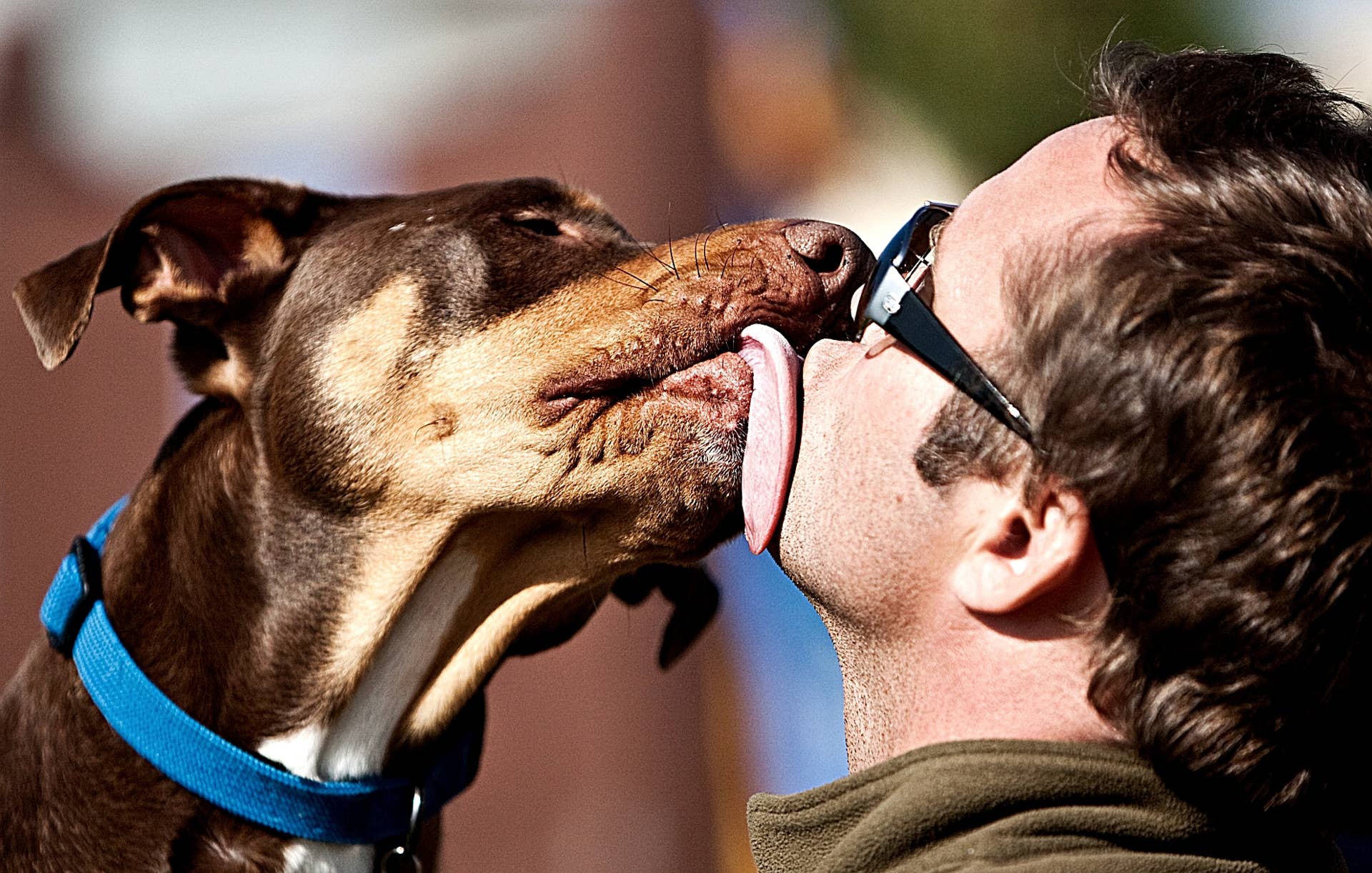
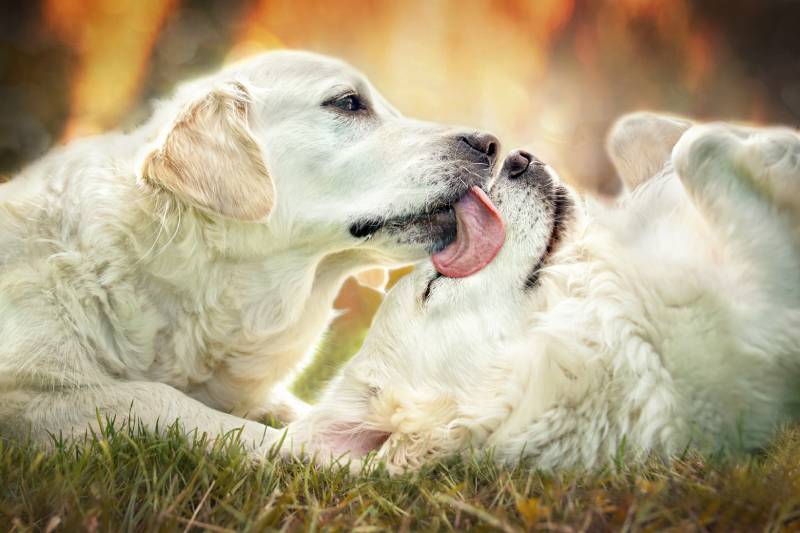
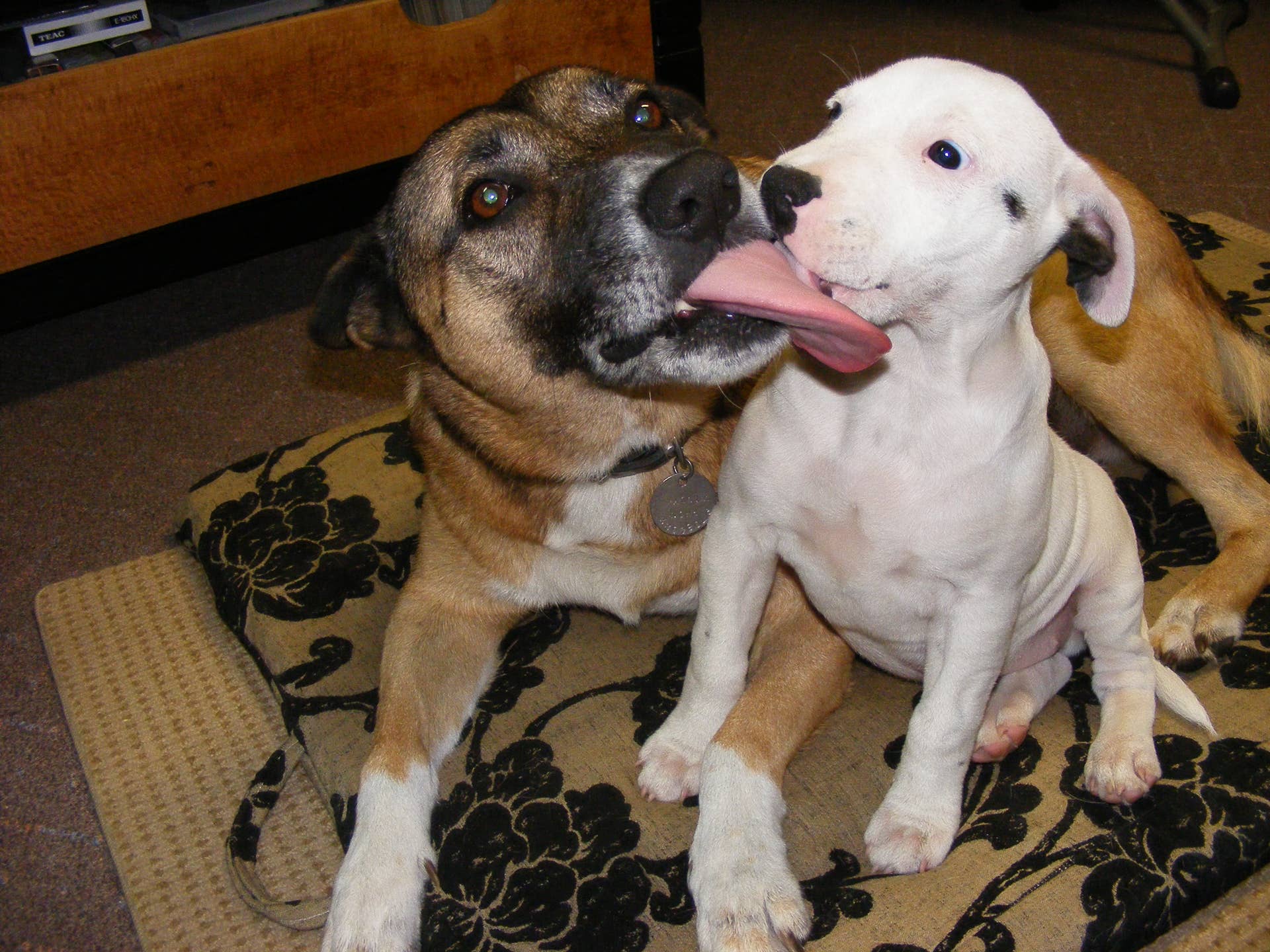
Dog behavior licking other dogs mouth typically originates as an instinctive remnant of ancestral feeding habits and social appeasement. Wild canids, including wolves, engage in muzzle licking to encourage returning adults to regurgitate food for weaned pups. In domestic dogs, this ancestral drive has evolved into a sophisticated form of greeting, conflict avoidance, and deference. When a canine approaches a peer and licks around the muzzle, that individual is often demonstrating friendly intentions, acknowledging social hierarchy, or seeking reassurance. This tactile exchange releases calming pheromones and helps establish peaceful coexistence without resorting to physical conflict.
Behavioral Significance and Physiological Transmission Pathways
Oral investigation allows canines to gather critical chemical information through the Jacobson’s organ, also known as the vomeronasal organ, located in the nasal cavity. This specialized sensory system processes pheromones and chemical signals related to health status, diet, emotional state, and reproductive readiness. By investigating the mouth and muzzle area, an animal reads invisible chemical messages left by the other dog’s saliva and glandular secretions. While this behavior is generally benign and socially functional, it requires monitoring to ensure mutual comfort and to prevent potential misunderstandings between unfamiliar animals.
Canines possess a specialized vomeronasal organ that processes chemical signals and pheromones gathered during close social investigations such as muzzle licking. — American Kennel Club
Managing and Interpreting Canine Greeting Rituals Safely
Managing social interactions between dogs requires careful observation of body language, posturing, and environmental contexts. Caretakers should watch for relaxed body postures, loose tail wags, and soft facial expressions during close contact, which indicate that both animals are comfortable. Conversely, if one animal stiffens, freezes, turns the head away, or growls, the interaction should be gently interrupted. Providing adequate space and avoiding forced introductions helps maintain positive social dynamics during group gatherings or walks in public areas.
Best Practices and Common Misinterpretations in Social Settings
Recognizing subtle stress signals prevents minor social friction from escalating into reactivity or fear-based defensive reactions. A frequent mistake involves assuming that all close facial contact represents affectionate play, overlooking signs of appeasement in subordinate animals. Maintaining calm energy, utilizing positive reinforcement when dogs display polite greeting behavior, and intervening early if an interaction appears overly intense represent best practices in Dog Training. Consistent observation ensures that social exchanges remain safe, comfortable, and stress-free for every participating animal.
Observing relaxed body language, loose postures, and mutual willingness during canine interactions ensures that social greetings remain positive and low-stress. — American Veterinary Medical Association
Pet Care & Wellness Overview Table
| Life Stage | Daily Activity Level | Key Nutrition / Care Focus |
|---|---|---|
| Puppy / Kitten | High (frequent short bursts) | High-protein growth diet & early socialization |
| Adult Companion | Moderate (30–60 mins daily) | Balanced maintenance nutrition & dental hygiene |
| Senior Pets | Low to Gentle (mindful walks) | Joint support (Glucosamine) & routine vet checks |
Images References




Breed, Age, and Temperament Influences on Greeting Styles
Individual expression of social habits varies significantly based on developmental stage, individual temperament, and early socialization experiences. Puppies exhibit high frequencies of oral investigation as part of normal developmental exploration and maternal bonding inherited from their mothers and littermates. Adult animals with confident, social temperaments often use muzzle licking as a neutral greeting strategy, whereas more reserved or anxious individuals might avoid close facial contact entirely. Understanding these nuances helps owners respect individual boundaries and support healthy social development across different Dog Breeds.
When to Consult a Veterinary Professional or Behaviorist
Persistent obsessive licking, sudden changes in social greeting patterns, or interactions accompanied by defensive aggression warrant professional evaluation. While normal social licking is brief and accepted by the recipient, compulsive licking directed at other animals or inanimate objects can indicate underlying medical discomfort, dermatological issues, or severe anxiety. Consulting a veterinarian ensures ruling out infectious conditions, dental pain, or gastrointestinal distress. For severe behavioral conflicts, seeking guidance from a certified professional trainer utilizing positive reinforcement methods supports long-term emotional well-being and safe Dog Health management.
Supporting Lifelong Canine Wellness and Social Harmony
Promoting positive social interactions and understanding subtle communication signals enriches the lives of companion animals and strengthens the bond between pets and their guardians. Continued education regarding canine body language, health maintenance, and proper socialization forms the foundation of responsible pet ownership. Explore additional expert resources, care tips, and informative guides by visiting Dog Care and browsing the wider collection available at PetsAnimalsWorld.com to ensure a thriving environment for every furry family member.




