

Understanding dog behavior near death is one of the most emotionally challenging responsibilities a companion can face during the journey of pet ownership. According to the American Veterinary Medical Association, recognizing the subtle shifts in physical and psychological state helps families provide appropriate comfort during a canine’s final stages. As domestic canines approach the end of their natural lifespan, their daily habits, responsiveness, and interaction styles undergo profound transformations. Observing these shifts requires patience, observational awareness, and a deep commitment to maintaining comfort above all else. Preparing for these moments emotionally and practically allows caregivers to offer a peaceful, supportive environment when it matters most.
💡 Pet Care Key Takeaways:
- Core Focus: Practical health, nutrition, and wellness guidelines for Dog Behavior Near Death.
- Target Scope: Pet owners, animal caregivers, and veterinary support staff.
- Best Recommendation: Maintain consistent daily routines and consult an accredited veterinarian before introducing major diet or medical changes.
Interpreting Shifts in Canine Conduct During the Final Stages
Dog behavior near death typically encompasses a noticeable decline in physical energy, diminished interest in surroundings, and distinct withdrawal from routine household activities. Scientifically referred to as the palliative phase of life, this period involves the gradual shutting down of vital organ systems, which directly impacts neurological function and responsiveness. Canines may sleep for extended periods, show indifference toward favorite toys, or display uncharacteristic hesitation when navigating familiar hallways. These modifications stem from physiological fatigue rather than a sudden shift in affection, marking a natural transition as the body conserves its remaining strength.
Managing Comfort and Environmental Needs in the Palliative Phase
Addressing the physical environment ensures that a declining pet remains safe, warm, and free from unnecessary stress during their final days. The sensory processing capabilities of aging animals often diminish, meaning loud noises, bright lights, and high-traffic areas in the home can induce unintended anxiety. Caregivers should establish a quiet, easily accessible resting space lined with supportive orthopedic bedding and soft blankets. Consistent room temperatures and easy access to fresh water without the need for strenuous movement are essential components of thoughtful Dog Care management.
Providing quiet, padded resting areas and minimizing environmental stressors significantly reduces anxiety for aging canines experiencing sensory decline. — American Veterinary Medical Association
Practical Approaches to Supporting a Declining Companion
Supporting a pet through their final transitions involves minimizing disruptions, offering gentle physical reassurance, and adjusting daily routines to match their energy levels. Forcing reluctant animals to eat, walk, or interact can heighten distress, so allowing the animal to dictate the pace of daily existence remains paramount. Hand-feeding warm, highly palatable Dog Nutrition options can sometimes entice animals with waning appetites, though hydration and comfort should always take priority over caloric intake.
Best Practices and Common Misconceptions in End-of-Life Care
Navigating this delicate period successfully requires avoiding common pitfalls, such as misinterpreting severe lethargy as a temporary mood or forcing unwanted physical handling. Caregivers must respect the animal’s boundaries, as even gentle touch might cause discomfort if joint pain or systemic weakness is present. Maintaining a calm household atmosphere directly influences the emotional state of the animal, as dogs remain remarkably perceptive to human emotional distress. Prioritizing gentle communication over frantic activity fosters a serene atmosphere.
Canines retain a strong sensitivity to human vocal tones and emotional tension throughout all stages of life, making a calm presence vital during palliative care. — American Animal Hospital Association
Pet Care & Wellness Overview Table
| Life Stage | Daily Activity Level | Key Nutrition / Care Focus |
|---|---|---|
| Puppy / Kitten | High (frequent short bursts) | High-protein growth diet & early socialization |
| Adult Companion | Moderate (30–60 mins daily) | Balanced maintenance nutrition & dental hygiene |
| Senior Pets | Low to Gentle (mindful walks) | Joint support (Glucosamine) & routine vet checks |
Images References


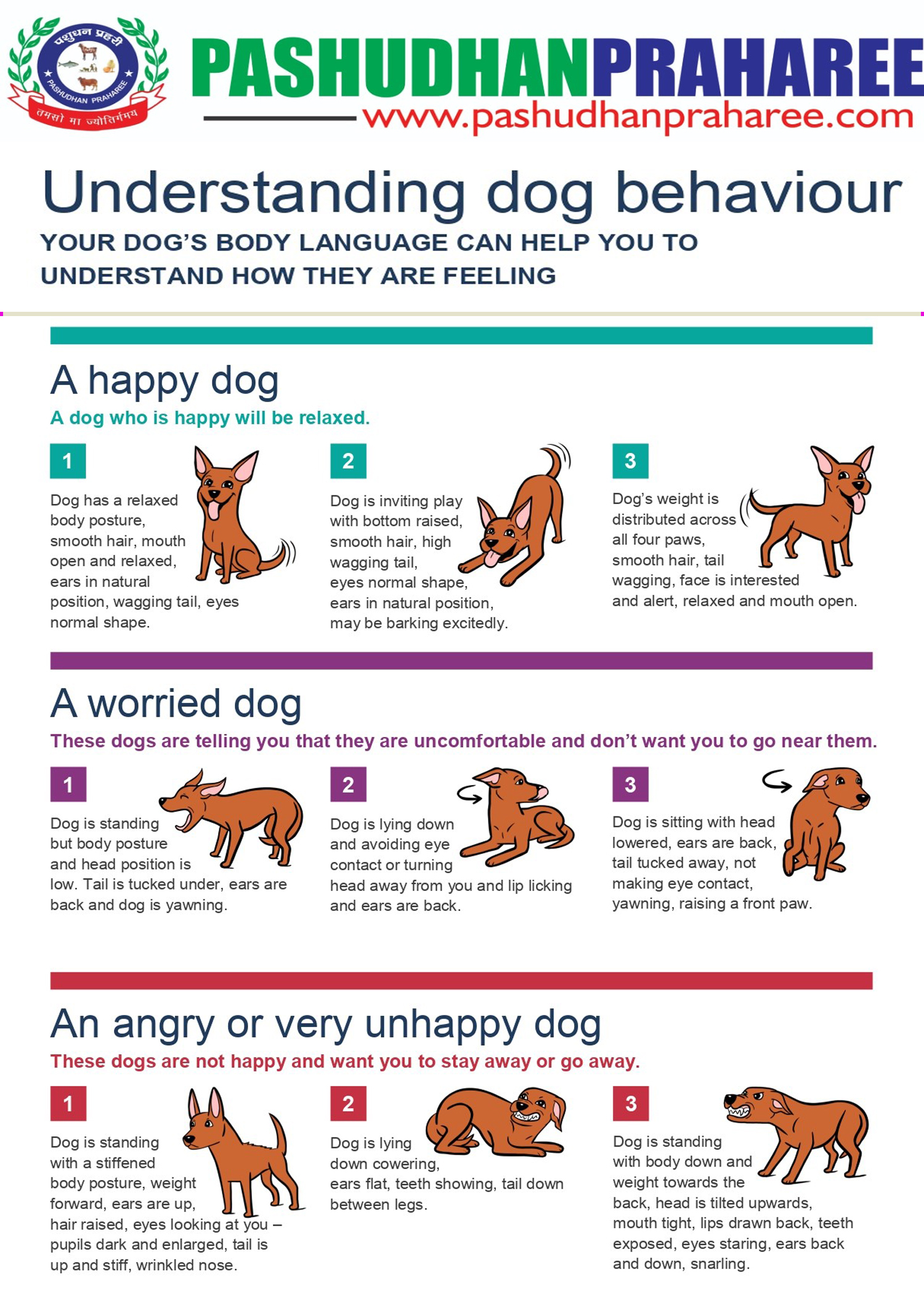


Breed, Age, and Size Influences on End-of-Life Transitions
The outward manifestations of end-of-life changes can vary significantly depending on a dog’s genetic background, physical scale, and lifetime experiences. Larger breeds often reach their senior milestones earlier than smaller counterparts, sometimes exhibiting mobility challenges well before cognitive decline becomes apparent. Conversely, smaller breeds might experience extended lifespans accompanied by gradual sensory loss, such as diminished hearing or vision. Understanding these breed-specific trajectories helps owners tailor their expectations and prepare appropriate Dog Breeds housing accommodations.
When to Consult a Veterinarian for End-of-Life Guidance
Professional veterinary guidance is indispensable for evaluating pain levels, managing chronic symptoms, and making informed decisions regarding palliative support or humane euthanasia. Unmanaged pain, sudden distress, persistent restlessness, or inability to swallow water require immediate veterinary evaluation to determine the most compassionate course of action. Establishing open communication with a clinical team ensures that families receive objective assessments and compassionate support tailored to their companion’s specific medical status.
Closing Insights on Comfort and Compassion
Navigating the final chapter of a beloved companion’s life is a profound testament to the human-animal bond. By prioritizing comfort, understanding natural physiological shifts, and maintaining a peaceful environment, caregivers honor their pets with dignity and grace. Explore additional resources across Dog Health and Dog Behavior to deepen your understanding of canine wellness at every life stage. Visit PetsAnimalsWorld.com for comprehensive guides dedicated to lifelong pet companionship.




