

Understanding Why Dogs Urinate on Sleeping Spaces
Navigating the complexities of canine habits requires patience, especially when an animal begins soiling furniture where humans rest. According to the American Society for the Prevention of Cruelty to Animals (ASPCA), house-soiling is one of the most common behavioral complaints reported by pet guardians. When an animal targets a mattress or pillow, the situation can feel intensely frustrating and deeply personal. However, a dog rarely urinates on a bed out of spite or malice. Instead, this action serves as a significant form of communication or a symptom of an underlying physical or emotional state that demands careful observation and a measured response.
💡 Pet Care Key Takeaways:
- Core Focus: Practical health, nutrition, and wellness guidelines for Dog Behavior Peeing On Bed.
- Target Scope: Pet owners, animal caregivers, and veterinary support staff.
- Best Recommendation: Maintain consistent daily routines and consult an accredited veterinarian before introducing major diet or medical changes.
Decoding the Meaning Behind Elimination on Furniture
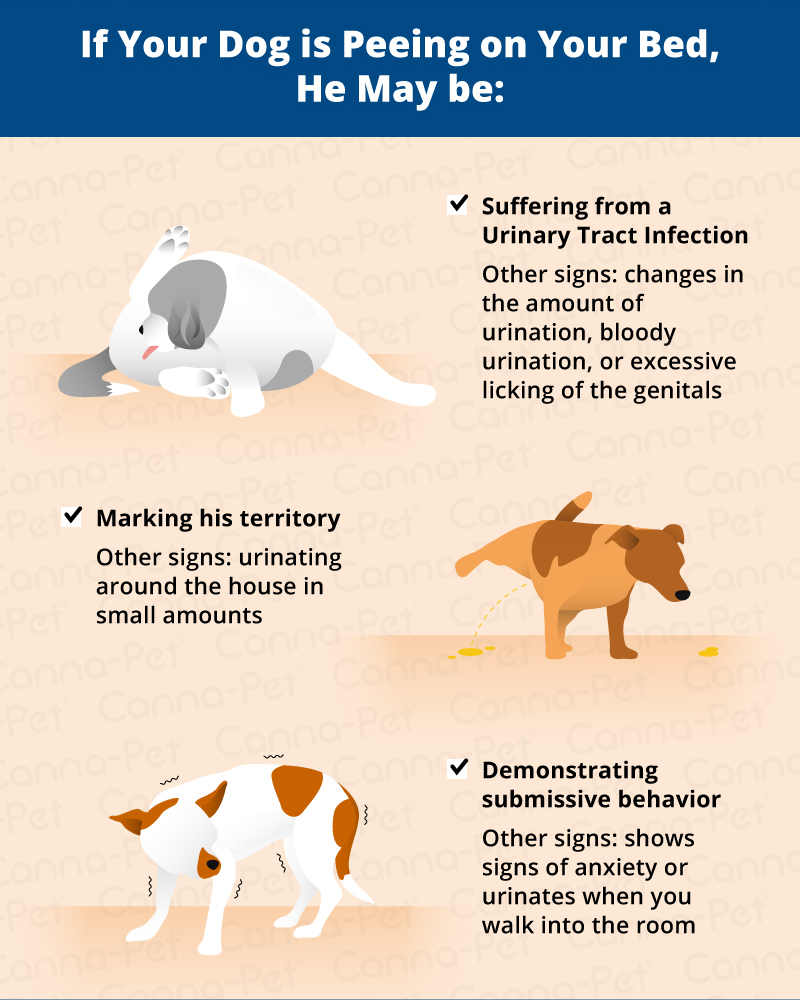
Dog behavior peeing on bed is fundamentally an indicator that something in the animal’s physical health, emotional environment, or daily routine requires immediate adjustment. Canines rely on scent markers to define territory, express stress, or signal distress. A mattress holds a concentrated scent of the owner, which can paradoxically comfort an anxious animal seeking reassurance or trigger an instinctual urge to mix scents. Additionally, sleeping areas are often associated with safety, making them a frequent target when a dog experiences sudden vulnerability due to illness, fear, or environmental changes within the household. For more related activities, check out our Xolo Dog Behavior.
Exploring Medical and Environmental Impacts
Physical health complications and emotional stressors frequently intersect to influence abnormal elimination patterns in domestic canines. Urinary tract infections, bladder stones, cystitis, and endocrine disorders like diabetes can suddenly diminish a dog’s bladder control or increase urgency. Senior dogs may experience canine cognitive dysfunction, a neurological condition similar to human dementia that causes disorientation and forgetfulness regarding house-training rules. Environmental triggers, such as the introduction of a new pet, rearranging furniture, or loud outdoor noises, can elevate stress levels and provoke marking behaviors in both intact and neutered animals.
Medical issues such as urinary tract infections, kidney disease, and hormonal imbalances are frequent underlying causes of sudden house-soiling in previously housetrained dogs. — American Veterinary Medical Association
Practical Management and Positive Modification Strategies
Resolving this elimination issue successfully depends entirely on replacing punishment with structured management and supportive guidance. Restricting access to sleeping quarters by closing bedroom doors or using baby gates prevents the habit from becoming deeply ingrained through repetition. Thoroughly cleaning affected mattresses with enzymatic cleaners is essential, as standard household detergents fail to break down uric acid crystals, leaving odors behind that encourage repeat elimination. Establishing a predictable routine for outdoor bathroom breaks, combined with high-value food rewards immediately after successful outdoor elimination, reinforces appropriate habits without inducing fear.
Essential Guidelines and Pitfalls to Avoid
Addressing inappropriate elimination effectively requires avoiding common mistakes that can inadvertently worsen the underlying anxiety or confusion. Punishing an animal after the fact is entirely ineffective because dogs lack the cognitive capacity to connect a delayed reprimand to a past action, resulting only in fear and a weakened bond of trust. Furthermore, relying on harsh verbal or physical corrections increases stress levels, which frequently exacerbates elimination problems rather than resolving them. Patience, consistency, and a focus on positive reinforcement remain the foundational pillars of successful behavior modification in domestic canines.
Punishment after an accident is ineffective and can make dogs fearful, potentially leading them to hide elimination behaviors rather than eliminating outside. — ASPCA
Pet Care & Wellness Overview Table
| Life Stage | Daily Activity Level | Key Nutrition / Care Focus |
|---|---|---|
| Puppy / Kitten | High (frequent short bursts) | High-protein growth diet & early socialization |
| Adult Companion | Moderate (30–60 mins daily) | Balanced maintenance nutrition & dental hygiene |
| Senior Pets | Low to Gentle (mindful walks) | Joint support (Glucosamine) & routine vet checks |
Images References




Breed, Age, and Temperament Considerations
Individual differences in age, developmental stage, and breed traits significantly influence how dogs respond to their environments and establish elimination habits. Younger puppies possess developing bladders and limited impulse control, requiring frequent bathroom breaks and close supervision during house-training. Conversely, geriatric animals may face declining physical mobility or diminished sphincter tone, necessitating modified accommodations such as ramps or more frequent nocturnal outings. While individual personality matters far more than breed stereotypes, some sensitive or high-energy breeds may display heightened susceptibility to stress-induced behaviors when daily mental and physical stimulation falls short of their needs.
When to Consult a Veterinary Professional or Behaviorist
Professional guidance is vital whenever a house-training relapse occurs suddenly or persists despite consistent environmental management. A thorough physical examination by a licensed veterinarian is always the necessary first step to rule out underlying medical conditions, systemic infections, or metabolic disorders. If medical evaluations yield no clear physiological explanation, pet guardians should consult a certified professional dog trainer or a veterinary behaviorist. These qualified specialists can design customized, humane modification plans tailored to address the specific emotional triggers or behavioral history of the individual dog.
Supporting Long-Term Canine Wellness at Home
Ensuring long-term harmony within a multi-species household requires continuous attention to physical health, mental enrichment, and clear communication. Pet guardians can explore expert resources on Dog Health and Dog Training to better understand canine physiology and humane learning principles. Additional insights into daily management are available through Dog Care and Dog Behavior guides. By combining veterinary oversight with empathetic, science-based care, owners can foster a secure environment for their animals. Visit PetsAnimalsWorld.com for further educational articles dedicated to enhancing the lives of domestic companions.




