

Decoding Canine Communication and Dog Behavior Meaning
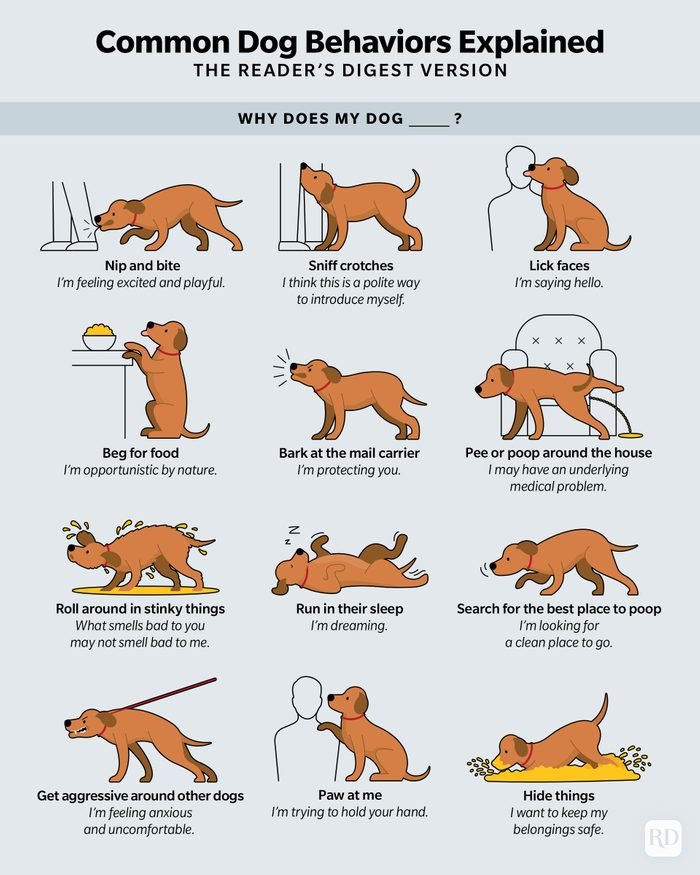
Understanding dog behavior meaning is essential for fostering a harmonious relationship between canines and human family members. According to the American Society for Prevention of Cruelty to Animals (ASPCA), behavioral issues are frequently cited as a primary reason animals are relinquished to shelters, making education vital for lifelong retention. Every vocalization, posture shift, and subtle movement serves as a form of communication. When individuals learn to translate these signals accurately, human-animal bonds strengthen significantly, reducing frustration and preventing misunderstandings.
💡 Pet Care Key Takeaways:
- Core Focus: Practical health, nutrition, and wellness guidelines for Dog Behavior Meaning.
- Target Scope: Pet owners, animal caregivers, and veterinary support staff.
- Best Recommendation: Maintain consistent daily routines and consult an accredited veterinarian before introducing major diet or medical changes.
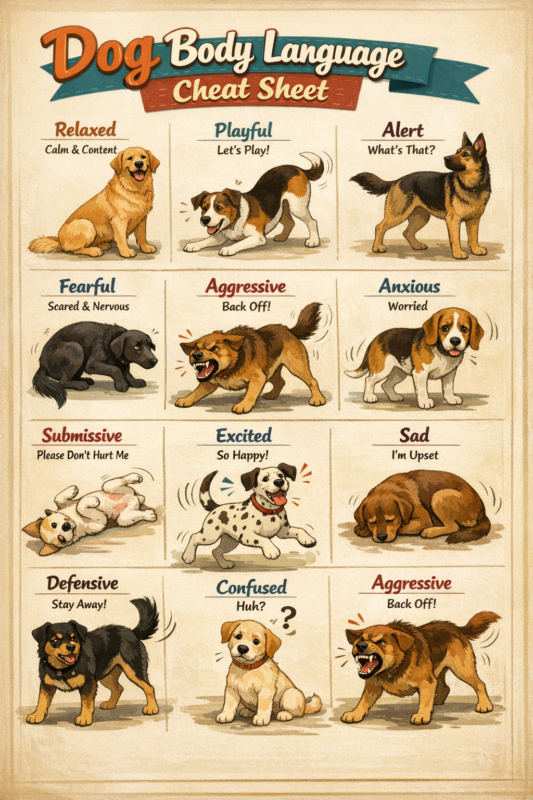
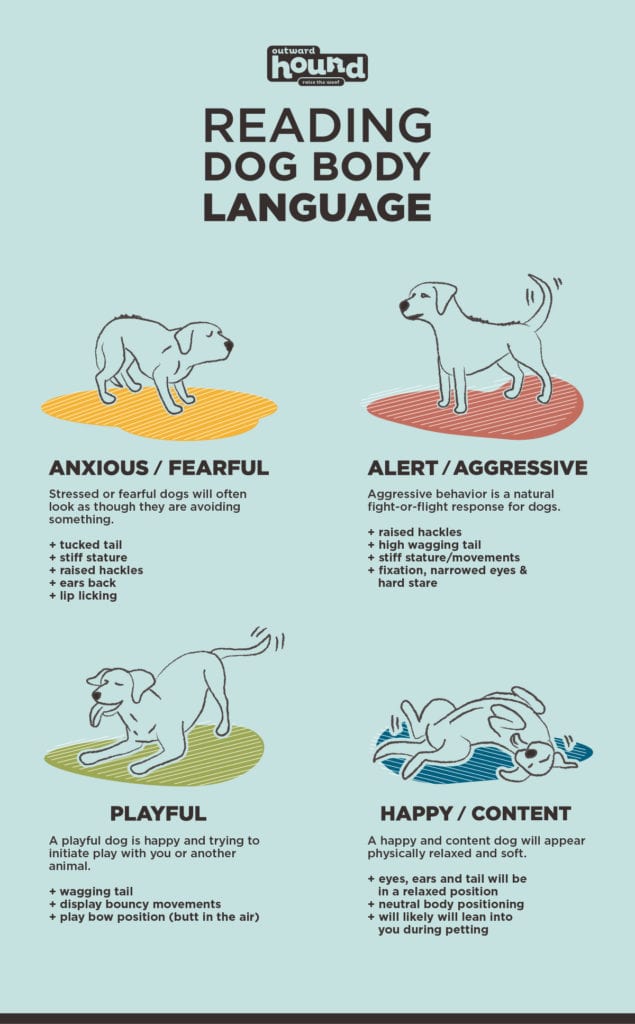
Observing canines requires looking at the entire body rather than isolated actions. A wagging tail, for example, does not always signify happiness; the speed, height, and looseness of the tail provide crucial context regarding emotional state. Cultivating observational skills allows observers to respond appropriately to stress, excitement, or contentment before situations escalate. Proper interpretation prevents accidental missteps during daily interactions. For more related activities, check out our How Do You Correct A Dog’S Behavior.
Defining Canine Signals and Dog Behavior Meaning
Dog behavior meaning encompasses the comprehensive interpretation of physical postures, vocal patterns, and environmental responses that express emotional or physical states. Communication functions as a dynamic language designed to maintain social harmony, avoid conflict, and signal needs. Deciphering this language relies on recognizing baseline characteristics and noting deviations triggered by external stimuli.
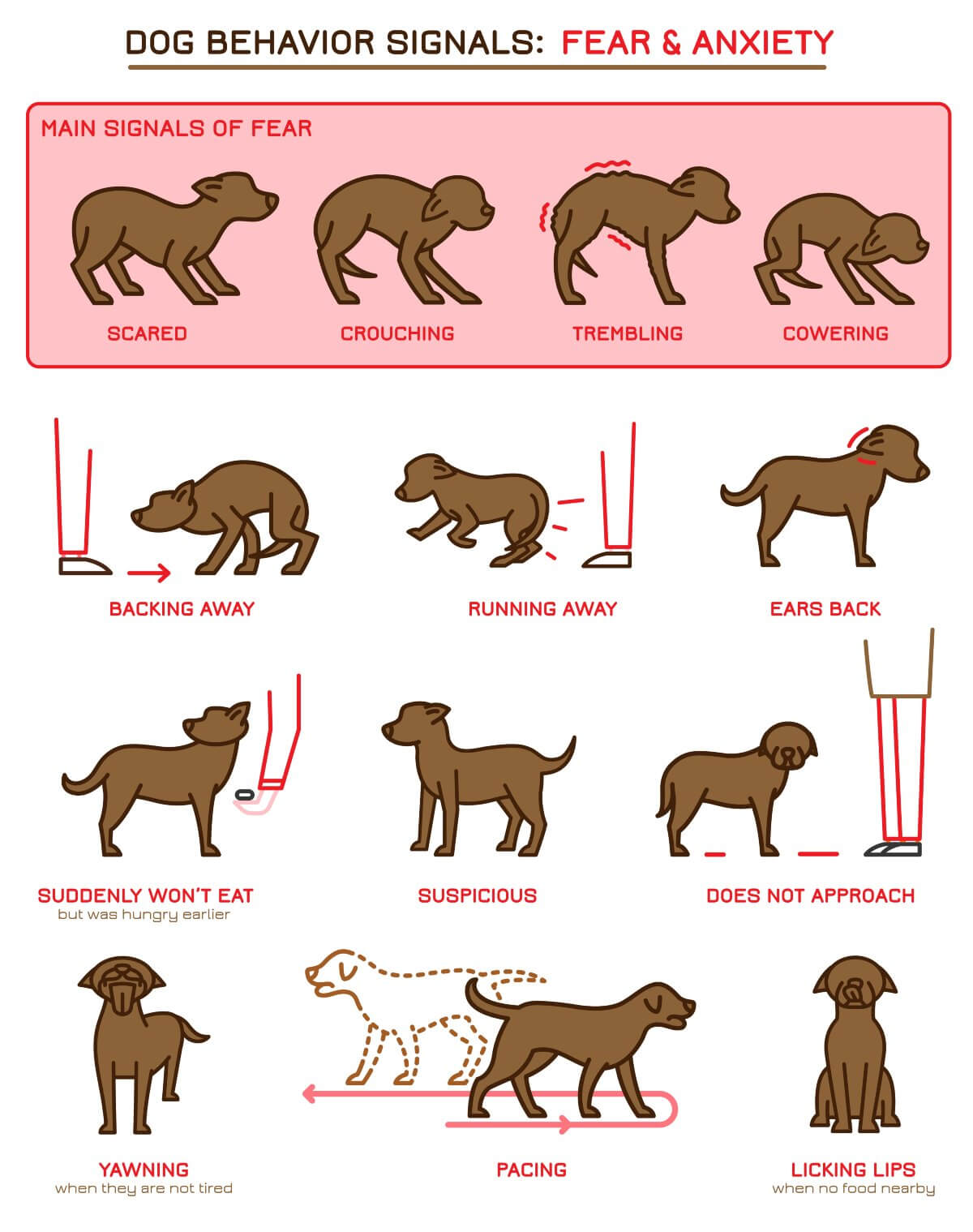
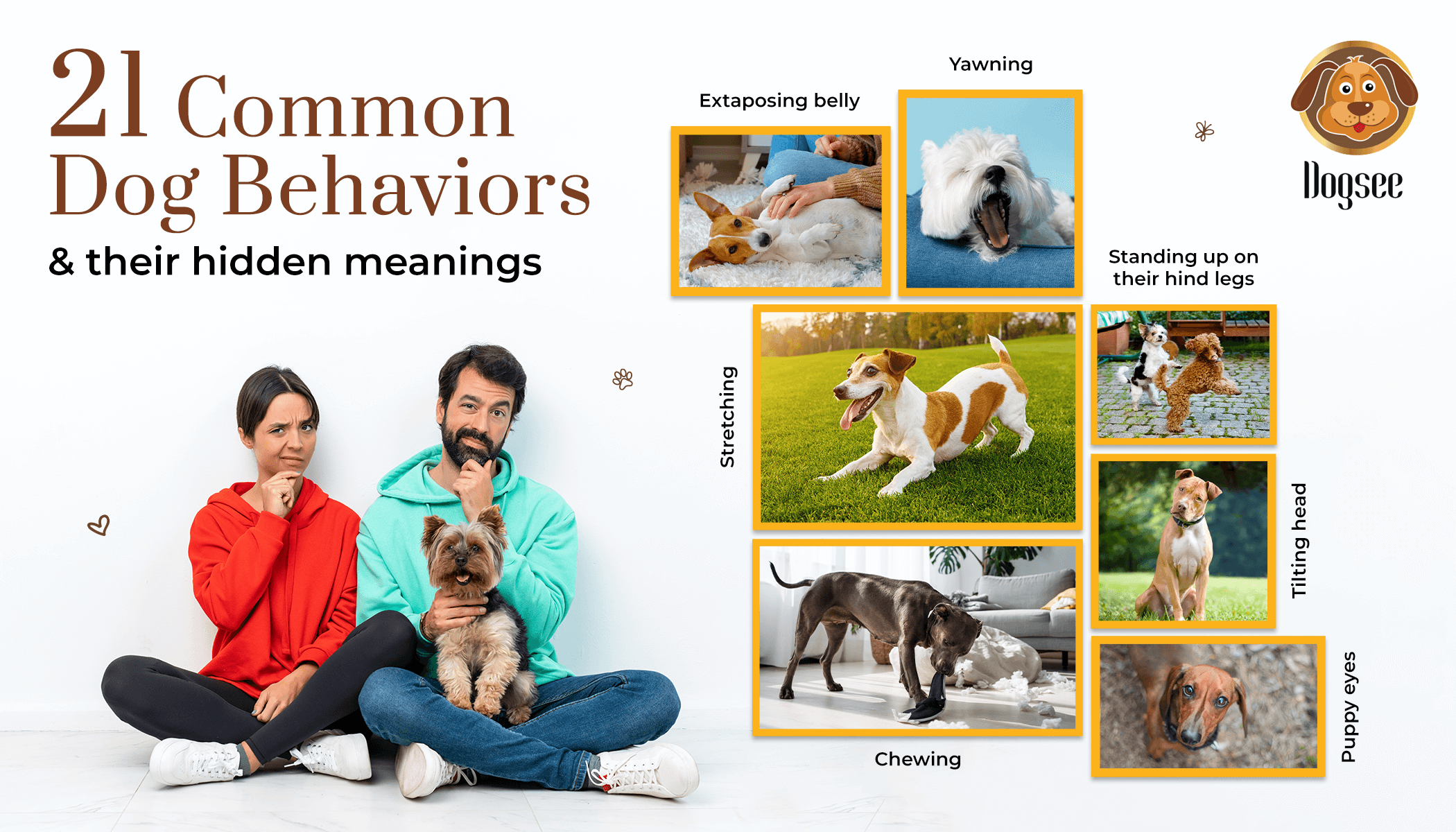
Calming signals represent a specific category of actions—such as yawning, lip-licking, or turning the head away—that individuals display to de-escalate tension or express mild discomfort. Recognizing these subtle indicators allows caretakers to adjust environments long before fear or distress manifests outwardly. Understanding that these expressions are functional responses helps maintain emotional equilibrium within shared living spaces.
Physical Health and Environmental Influences on Actions
Physical discomfort, chronic illness, and environmental stressors frequently alter normal behavioral patterns, linking internal wellness directly to external actions. Unexplained changes in routine, sudden reactivity, or lethargy often signal underlying medical conditions rather than simple disobedience. Routine veterinary examinations remain crucial for ruling out pain or metabolic dysfunction when sudden shifts occur.
Environmental enrichment and mental stimulation play an equally vital role in shaping daily habits. Boredom or insufficient physical activity can lead to destructive chewing, excessive vocalization, or repetitive pacing. Addressing these needs involves providing adequate outlets for natural instincts like sniffing, foraging, and exploring. Supporting optimal physical condition naturally encourages balanced, calm responses.
Behavioral changes in senior canines frequently stem from cognitive dysfunction syndrome or age-related sensory declines rather than intentional disobedience — American Veterinary Medical Association
Approaches to Managing and Interpreting Canine Conduct
Managing canine conduct effectively relies on positive reinforcement techniques that reward desired actions while removing reinforcement for unwanted habits. Humane training emphasizes building trust, clear communication, and consistent boundaries without relying on intimidation. Establishing predictable routines provides emotional security, helping individuals navigate daily environments with confidence.
Observational assessments help identify specific triggers that provoke fear, excitement, or anxiety. Managing exposure to these triggers through structured desensitization allows animals to learn coping mechanisms in safe settings. Prioritizing patience and consistency ensures sustainable progress over time.
Best Practices and Common Mistakes in Behavioral Interpretation
Avoid misinterpreting aggressive growling as malicious behavior; growling serves as an important warning sign that an individual feels threatened and needs space. Punishing the warning sound often suppresses the display without resolving the underlying fear, which increases the risk of unheralded reactions. Always respect defensive signals to maintain trust and safety.
Focus on rewarding calm demeanor rather than inadvertently reinforcing hyperactive habits through high-energy responses. Providing structured mental challenges, such as puzzle feeders or scent games, supports cognitive health. Consistent management paired with empathy yields the most reliable, long-term outcomes.
Positive reinforcement methods demonstrate higher efficacy and lower stress levels compared to aversive techniques during obedience training — American Kennel Club
Pet Care & Wellness Overview Table
| Life Stage | Daily Activity Level | Key Nutrition / Care Focus |
|---|---|---|
| Puppy / Kitten | High (frequent short bursts) | High-protein growth diet & early socialization |
| Adult Companion | Moderate (30–60 mins daily) | Balanced maintenance nutrition & dental hygiene |
| Senior Pets | Low to Gentle (mindful walks) | Joint support (Glucosamine) & routine vet checks |
Images References




Breed, Age, and Temperament Influences
Genetics, developmental stages, and individual temperament heavily influence how canine communication is expressed and perceived. Working breeds may exhibit strong herding or guarding instincts that manifest as circling or shadowing family members, whereas hound varieties prioritize olfactory exploration. Recognizing these inherent traits prevents unrealistic expectations regarding natural tendencies.
Age-related developmental milestones also shift behavioral expressions significantly. Puppies explore the world through mouthing and jumping, requiring patient redirection toward appropriate chew toys. Conversely, aging individuals may experience sensory loss that increases startle responses, requiring gentle approaches to avoid causing unnecessary fear.
When to Consult a Veterinarian or Professional Trainer
Persistent fear, sudden aggression, destructive separation-related distress, or repetitive compulsive actions warrant evaluation by a qualified professional. Consulting a licensed veterinarian helps rule out medical contributors, after which a certified professional dog trainer or veterinary behaviorist can design a customized intervention plan. Early intervention prevents entrenched habits and supports long-term emotional well-being.
Supporting Lifelong Canine Wellness
Mastering the nuances of canine communication creates a supportive environment where both pets and owners thrive. Continued education empowers caretakers to meet physical and emotional needs effectively throughout every life stage. Explore additional resources on Dog Behavior, Dog Training, Dog Health, and Dog Care available at PetsAnimalsWorld.com.




