

Understanding the Phenomenon of Dog Behavior Regression Age
Watching a well-behaved dog suddenly start ignoring house-training rules, chewing furniture, or displaying unexpected reactivity can be an exceptionally frustrating experience for any household. According to the American Society for the Prevention of Cruelty to Animals (ASPCA), behavioral changes in dogs often reflect underlying emotional shifts, environmental stressors, or normal developmental milestones rather than intentional disobedience. Recognizing these transformations requires a shift in perspective, moving away from frustration and toward objective observation of canine development. When a previously reliable animal appears to forget established rules, the concept of a dog behavior regression age frequently provides a helpful framework for understanding what is happening beneath the surface.
💡 Pet Care Key Takeaways:
- Core Focus: Practical health, nutrition, and wellness guidelines for Dog Behavior Regression Age.
- Target Scope: Pet owners, animal caregivers, and veterinary support staff.
- Best Recommendation: Maintain consistent daily routines and consult an accredited veterinarian before introducing major diet or medical changes.
Defining the Concept of Dog Behavior Regression Age
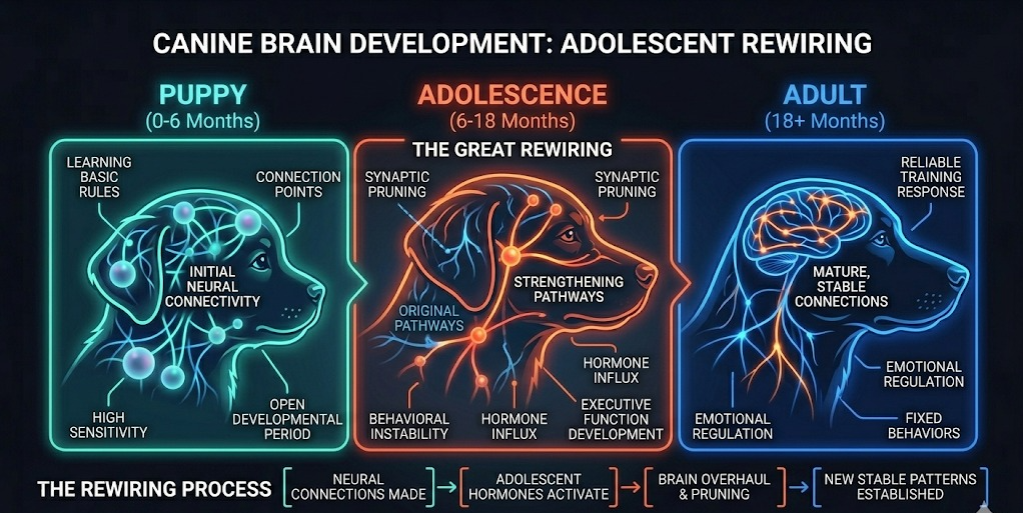
Dog behavior regression age refers to specific developmental windows in a canine’s life where a temporary return to immature, fearful, or disobedient habits occurs. This process is closely tied to neurological development, particularly the hormonal shifts and brain restructuring that happen as puppies transition into social maturity. Similar to human adolescence, this phase challenges previously learned boundaries. During these periods, neural pathways undergo significant pruning and reorganization, which can temporarily disrupt impulse control, memory retrieval, and emotional regulation. Observing these sudden setbacks can catch families off guard, but recognizing the biological underpinnings helps normalize a challenging phase. For more related activities, check out our Dog Heat Behavior Changes.
Developmental Impact and Neurological Changes
The impact of these developmental shifts extends across daily routines, emotional stability, and overall household harmony. As hormonal levels surge, canine brains experience heightened sensitivity to environmental stimuli, leading to temporary increases in reactivity, stranger anxiety, or separation distress. A young animal that once walked calmly on a leash might suddenly pull, lunge, or display selective listening during daily strolls. Managing this stage effectively requires revisiting foundational obedience through positive reinforcement methods. Establishing predictable routines helps mitigate the anxiety associated with these internal chemical changes, ensuring the animal feels secure while navigating a turbulent phase of growth.
Adolescent development in dogs typically brings significant hormonal shifts that can temporarily disrupt previously mastered training, impulse control, and emotional stability. — American Kennel Club
Strategies for Managing Behavioral Setbacks
Addressing these developmental setbacks relies heavily on patience, consistency, and positive reinforcement techniques rather than punitive measures. When house-training lapses or obedience commands are ignored, returning to the basics of management—such as close supervision, frequent bathroom breaks, and high-value rewards for desirable choices—restores clarity for the dog. Owners should avoid intimidation-based or dominance-based corrections, as these techniques often exacerbate anxiety and increase defensive reactions. Maintaining a calm, predictable environment allows the animal to process environmental stimuli without becoming overwhelmed, ultimately supporting long-term emotional resilience.
Best Practices and Common Mistakes to Avoid
Navigating this transitional phase successfully involves avoiding common pitfalls like inconsistent rule enforcement or expecting perfection during developmental leaps. One frequent mistake involves reducing physical and mental enrichment when behavioral challenges appear, whereas targeted outlets for energy actually decrease unwanted habits. Utilizing puzzle toys, scent games, and structured training sessions keeps the canine mind productively occupied. Consistency among all household members remains paramount; mixed signals regarding furniture access or greeting rules can prolong the regression period and create unnecessary confusion for the developing animal.
Positive reinforcement training effectively strengthens desired behaviors by rewarding good choices, building trust, and reducing stress during developmental milestones. — American Veterinary Medical Association
Pet Care & Wellness Overview Table
| Life Stage | Daily Activity Level | Key Nutrition / Care Focus |
|---|---|---|
| Puppy / Kitten | High (frequent short bursts) | High-protein growth diet & early socialization |
| Adult Companion | Moderate (30–60 mins daily) | Balanced maintenance nutrition & dental hygiene |
| Senior Pets | Low to Gentle (mindful walks) | Joint support (Glucosamine) & routine vet checks |
Images References





Breed, Age, and Size Considerations
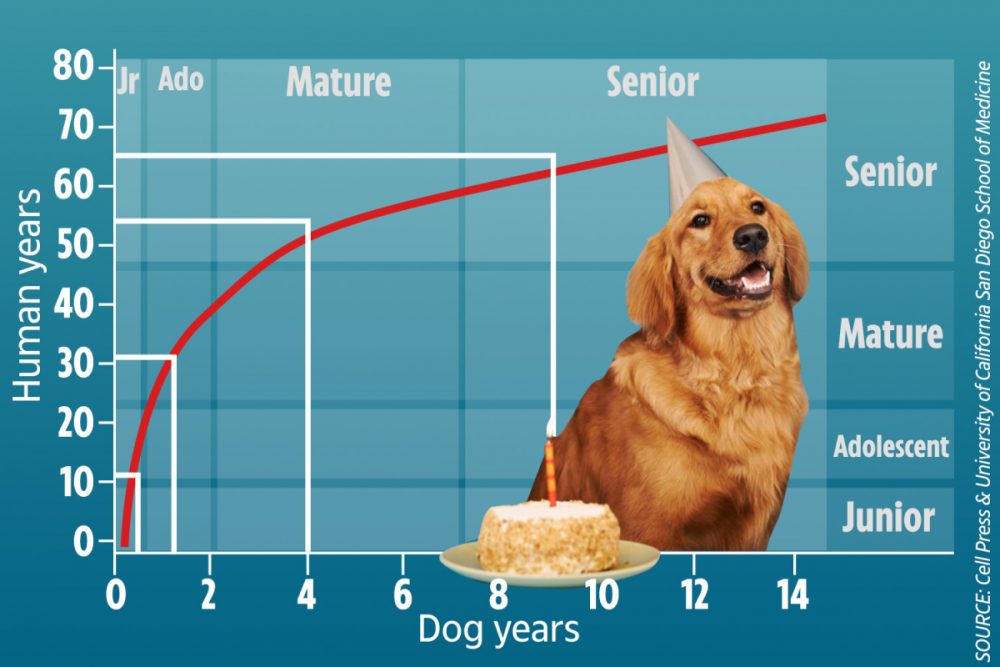
The exact timeline and intensity of these behavioral phases vary significantly depending on breed, individual temperament, and adult body size. Smaller breeds often reach physical and emotional maturity much faster, sometimes experiencing developmental milestones as early as six to nine months of age. Conversely, giant breeds may mature slowly, continuing through adolescence and associated behavioral fluctuations until they reach two years of age or older. Recognizing these biological differences prevents unrealistic expectations and allows for tailored care that respects the unique developmental pace of each individual canine.
When to Consult a Veterinary Professional or Behaviorist
Persistent behavioral regression can sometimes indicate underlying medical discomfort, pain, or neurological conditions rather than a normal developmental stage. Any sudden, drastic shift in temperament, severe fear responses, or house-training lapses accompanied by physical symptoms should prompt a thorough veterinary examination to rule out underlying illness, urinary tract infections, or cognitive dysfunction. For severe, worsening, or dangerous behavior concerns such as unprovoked aggression, consulting a qualified veterinary behaviorist or certified professional trainer using humane methods is essential for accurate assessment and targeted intervention.
Supporting Your Dog Through Every Life Stage
Navigating canine development requires ongoing dedication, empathy, and an understanding of normal biological maturation. By exploring resources dedicated to Dog Behavior, understanding foundational principles of Dog Training, and maintaining proper Dog Care and Dog Health, families can ensure their companions thrive. Visit PetsAnimalsWorld.com for more expert guides on understanding canine wellness and development.




