
Understanding the Final Moments and Natural Transitions in Aging Canines
Navigating the final stages of an animal’s life requires immense emotional resilience and careful observation from dedicated caretakers. According to the American Animal Hospital Association, understanding the physiological and behavioral shifts in aging pets helps families provide compassionate, dignified palliative care during life’s final chapter. Recognizing specific changes in dog behavior right before death allows families to offer a peaceful, comforting environment tailored to the unique needs of the companion animal. While every passing is unique, certain behavioral patterns frequently appear as the body gradually shuts down, signaling that the end of life is near.
💡 Pet Care Key Takeaways:
- Core Focus: Practical health, nutrition, and wellness guidelines for Dog Behavior Right Before Death.
- Target Scope: Pet owners, animal caregivers, and veterinary support staff.
- Best Recommendation: Maintain consistent daily routines and consult an accredited veterinarian before introducing major diet or medical changes.
Interpreting Shifts in Canine Conduct During End-of-Life Stages
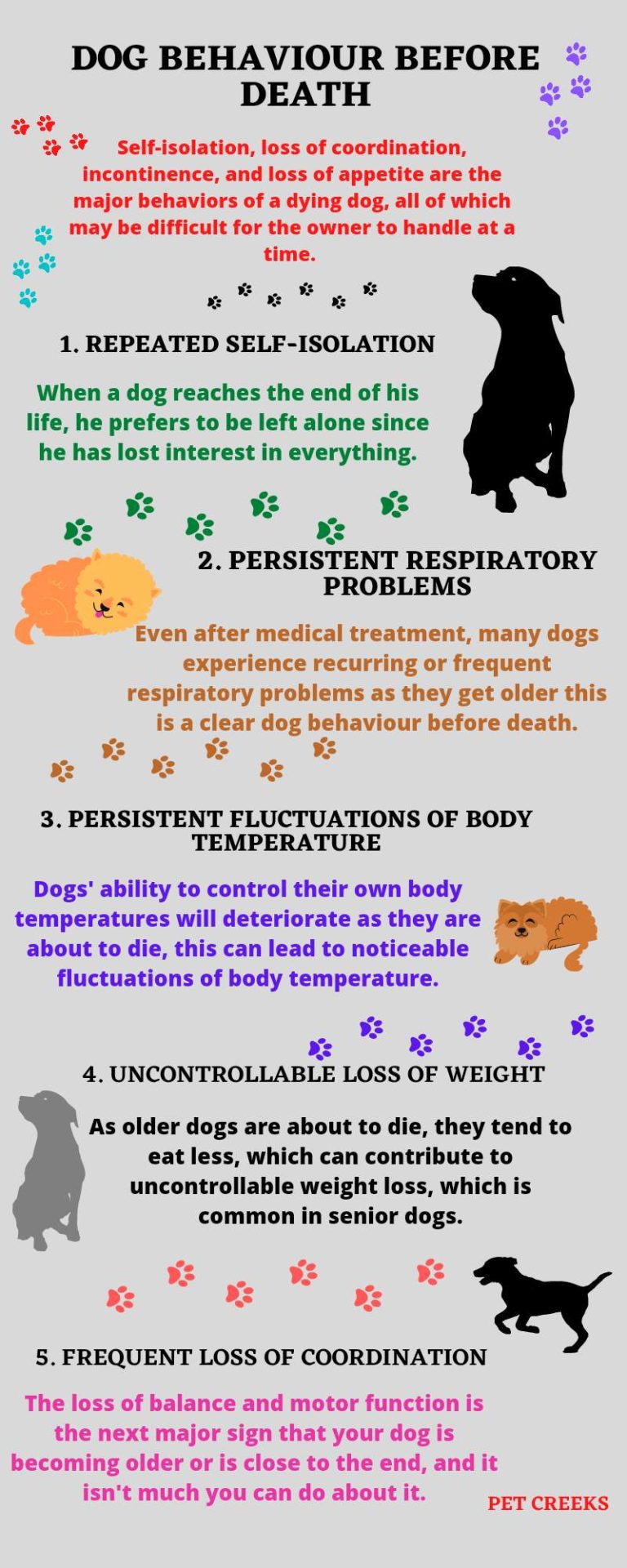
Recognizing shifts in dog behavior right before death involves identifying profound reductions in energy, responsiveness, and environmental awareness. Canines approaching the end of their lifespan typically exhibit profound lethargy, often remaining in a single resting spot for extended periods without shifting positions. This state often stems from declining systemic circulation and general physical fatigue. Additionally, animals may experience altered sensory perception, failing to respond promptly to familiar auditory or visual cues. Such detachment is a natural physiological response rather than an indicator of sudden distress, though distinguishing between peaceful decline and acute pain remains essential for proper Dog Health management.
Physical Fatigue, Withdrawal, and Environmental Preferences
Managing the physical environment becomes critical as animals undergo significant behavioral alterations due to waning organ function and muscle weakness. Canines often seek out quiet, isolated areas away from household hustle, such as dark corners, closets, or beneath furniture. This instinctual hiding behavior can be distressing for human observers, yet it often reflects a natural desire for privacy and security. Caregivers must balance the animal’s need for seclusion with the necessity of monitoring comfort levels and maintaining basic hygiene. Providing easily accessible, well-padded resting spaces close to family members without forcing interaction helps honor these instinctual preferences safely.
Aging canines experiencing end-of-life transitions frequently display marked decreases in voluntary movement and increased duration of continuous sleep. — American Veterinary Medical Association
Adapting Daily Routines and Palliative Support Methods
Adjusting daily care protocols requires a gentle, observational approach that prioritizes comfort above all else. Forcing food, water, or prolonged physical activity during the final hours can induce unnecessary stress, as metabolic demands diminish significantly near the end of life. Instead, moistening the gums with a damp cloth or offering small sips of water via a syringe, if tolerated, can alleviate dryness without overwhelming the digestive tract. Maintaining a stable ambient temperature, minimizing loud noises, and providing continuous soft bedding help mitigate physical discomfort during this sensitive period.
Best Practices and Common Missteps in End-of-Life Caregiving
Providing optimal comfort entails avoiding common pitfalls such as excessive handling, frequent repositioning of a reluctant animal, or ignoring subtle signs of underlying pain. Vets emphasize that respiratory changes, such as shallow breathing or irregular pauses known as Cheyne-Stokes respiration, frequently accompany the final hours. Caretakers should refrain from administering human medications or unprescribed pain relievers, as altered metabolic processing can lead to severe toxicity. Consulting veterinary professionals ensures that any palliative interventions remain safe and appropriate for the individual physiological state.
Palliative management for terminal companion animals focuses primarily on minimizing pain and maximizing comfort rather than attempting curative outcomes. — International Association for Animal Hospice and Palliative Care
Pet Care & Wellness Overview Table
| Life Stage | Daily Activity Level | Key Nutrition / Care Focus |
|---|---|---|
| Puppy / Kitten | High (frequent short bursts) | High-protein growth diet & early socialization |
| Adult Companion | Moderate (30–60 mins daily) | Balanced maintenance nutrition & dental hygiene |
| Senior Pets | Low to Gentle (mindful walks) | Joint support (Glucosamine) & routine vet checks |
Images References






Breed-Specific Traits, Size Variations, and Age Factors
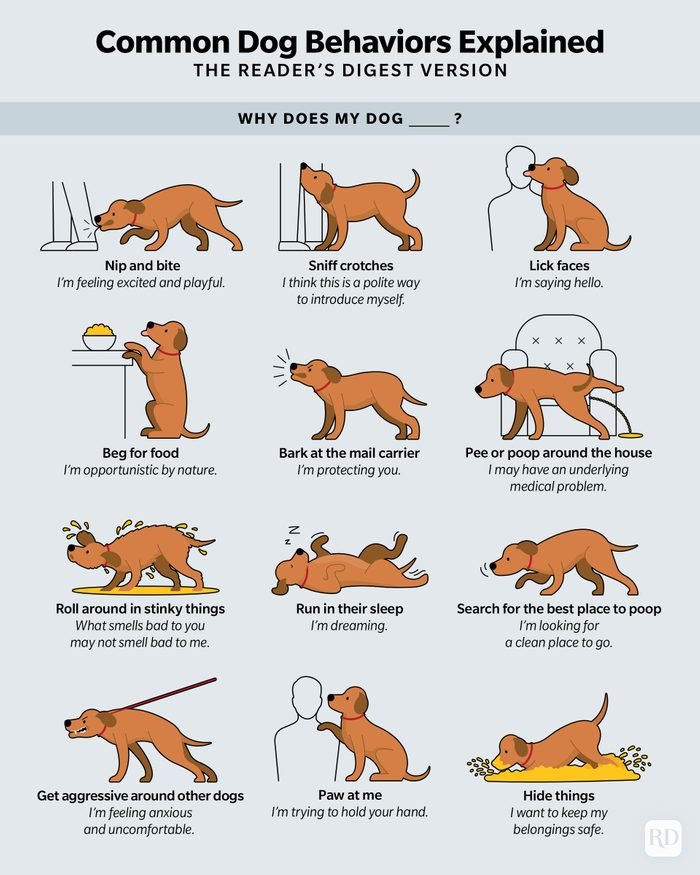
Individual variations in size, breed predisposition, and baseline temperament significantly influence how a pet expresses the final stages of life. Large and giant breeds often experience mobility limitations much earlier in the aging process due to structural load, whereas smaller breeds may retain specific behavioral quirks until very late. Furthermore, specific Dog Breeds known for high working drives might attempt to maintain normal routines despite severe internal decline, requiring attentive observation from caretakers to prevent accidental overexertion. Understanding these underlying traits ensures that support strategies align closely with the animal’s personal history and physical capacity.
When to Seek Professional Veterinary Intervention and Guidance
Consulting veterinary professionals is imperative whenever signs of acute distress, uncontrolled pain, severe respiratory distress, or sudden vocalization occur. While natural decline involves quiet withdrawal, overt symptoms such as restlessness, panting, or physical rigidity can indicate active suffering requiring professional pain management or humane euthanasia consultation. Maintaining open communication with veterinary teams ensures that families receive accurate guidance on evaluating quality of life and making informed decisions regarding Dog Care during the final transition.
Honoring the Journey and Utilizing Reliable Animal Resources
Supporting a companion animal through the final stages of life demands patience, empathy, and a deep commitment to animal welfare and comfort. Exploring additional resources on Dog Behavior and palliative strategies can empower owners to navigate this profound transition with confidence and grace. Visit PetsAnimalsWorld.com to discover more educational guides dedicated to enhancing the health and well-being of animal companions at every stage of their lives.




