
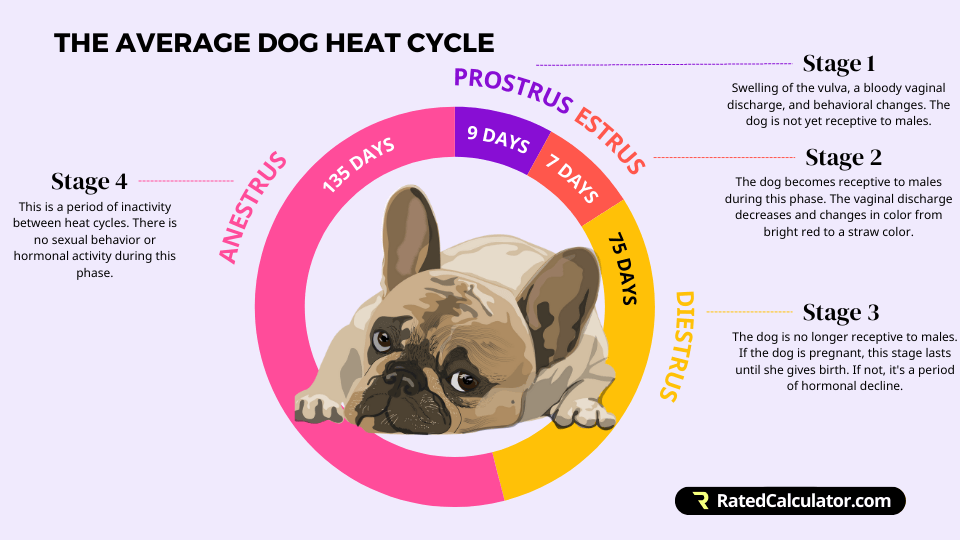
Understanding the Significance of Canine Responses to High Temperatures
Environmental temperature fluctuations profoundly influence canine physiology, influencing daily routines, activity levels, and emotional regulation. According to the American Society for Prevention of Cruelty to Animals (ASPCA), high ambient temperatures and excessive humidity pose severe risks to companion animals, necessitating proactive environmental management and careful observation. Observing shifts in canine demeanor during warm weather is crucial for safeguarding general well-being and preventing dangerous health complications. Dogs cannot sweat efficiently across their skin surface like humans do, relying instead primarily on panting and minimal evaporation through paw pads to regulate core body temperature. When summer arrives or indoor heating rises excessively, these physiological demands trigger noticeable adjustments in how dogs interact with their surroundings, seek comfort, and expend physical energy.
💡 Pet Care Key Takeaways:
- Core Focus: Practical health, nutrition, and wellness guidelines for Dog Heat Behavior Changes.
- Target Scope: Pet owners, animal caregivers, and veterinary support staff.
- Best Recommendation: Maintain consistent daily routines and consult an accredited veterinarian before introducing major diet or medical changes.
Defining Dog Heat Behavior Changes and Underlying Physiology
Dog heat behavior changes encompass the broad spectrum of physical, psychological, and reactive adjustments a canine exhibits in response to warm weather conditions. Understanding canine behavior requires looking at thermoregulation, the biological process by which an organism maintains its core internal temperature within a normal physiological range. When the surrounding atmosphere heats up, thermosensitive neurons signal the brain to alter activity patterns to reduce internal heat production. Consequently, resting dogs often seek out cool tile floors, shaded garden corners, or air-conditioned rooms. Motivation for interactive play typically declines sharply during peak afternoon hours. Canines may also display subtle restlessness, frequent shifting of sleeping positions, or decreased appetite because metabolic processes naturally slow down to minimize internal thermal generation during periods of elevated environmental warmth.
Evaluating the Health and Behavioral Impacts of Warm Weather
Extended exposure to high temperatures directly impacts both physical health and behavioral stability, occasionally precipitating stress, lethargy, or heat-related illnesses. Canines experiencing thermal discomfort may become uncharacteristically irritable, anxious, or reluctant to obey familiar obedience cues during routine training sessions. Exploring resources on Dog Behavior offers further insight into how environmental stressors shape daily canine conduct. Furthermore, shifts in physical tolerance require careful monitoring to prevent dangerous medical emergencies. Hyperthermia, commonly known as overheating, occurs when the body absorbs or generates more heat than it can dissipate, leading to rapid breathing, heavy drooling, and physical weakness. Left unaddressed, elevated internal temperatures can progress rapidly to heatstroke, a life-threatening veterinary emergency characterized by collapse, bright red or pale mucous membranes, and loss of consciousness. Immediate veterinary intervention is required if any signs of severe heat stress or systemic distress appear, ensuring the animal receives rapid, controlled cooling and supportive medical care.
The American Veterinary Medical Association notes that pets left in parked vehicles can rapidly face fatal temperatures, even when windows are partially open on relatively mild days. — American Veterinary Medical Association (AVMA)
Practical Management Strategies for Warm Weather Adaptation
Safely managing canine responses to high temperatures involves optimizing daily schedules, securing climate-controlled environments, and providing continuous access to fresh water. Routine physical exercise should be shifted to the coolest parts of the day, such as early morning or late evening, avoiding hot pavement that can easily burn sensitive paw pads. Providing specialized cooling mats, ensuring constant cross-ventilation, and utilizing air conditioning help maintain thermal comfort indoors. Reviewing recommendations found under Dog Care can assist owners in developing comprehensive seasonal care routines that prioritize safety and hydration. Incorporating mental enrichment activities indoors also helps satisfy cognitive needs without requiring strenuous physical exertion under the blazing sun.
Best Practices and Common Mistakes in Warm Weather Management
Successfully supporting a dog through seasonal temperature shifts requires adhering to established safety guidelines and avoiding common husbandry errors. One frequent mistake is assuming all canine breeds tolerate warm weather equally, which can lead to overexertion in vulnerable individuals. Owners must monitor hydration levels closely, recognizing that certain animals require encouragement or flavored low-sodium broth added to water bowls to stimulate drinking. Consulting resources dedicated to Dog Nutrition can provide valuable context regarding dietary adjustments during warmer months. Never restrict water access, and avoid forcing a reluctant dog to continue walking or exercising when heavy panting or lagging behind indicates fatigue. Utilizing shaded routes and carrying portable water dispensers during necessary outings ensures adequate hydration and prevents unexpected thermal distress.
According to the American Kennel Club, brachycephalic breeds with shortened nasal passages face significantly higher risks of respiratory distress and heat-related illness during warm weather. — American Kennel Club (AKC)
Pet Care & Wellness Overview Table
| Life Stage | Daily Activity Level | Key Nutrition / Care Focus |
|---|---|---|
| Puppy / Kitten | High (frequent short bursts) | High-protein growth diet & early socialization |
| Adult Companion | Moderate (30–60 mins daily) | Balanced maintenance nutrition & dental hygiene |
| Senior Pets | Low to Gentle (mindful walks) | Joint support (Glucosamine) & routine vet checks |
Images References

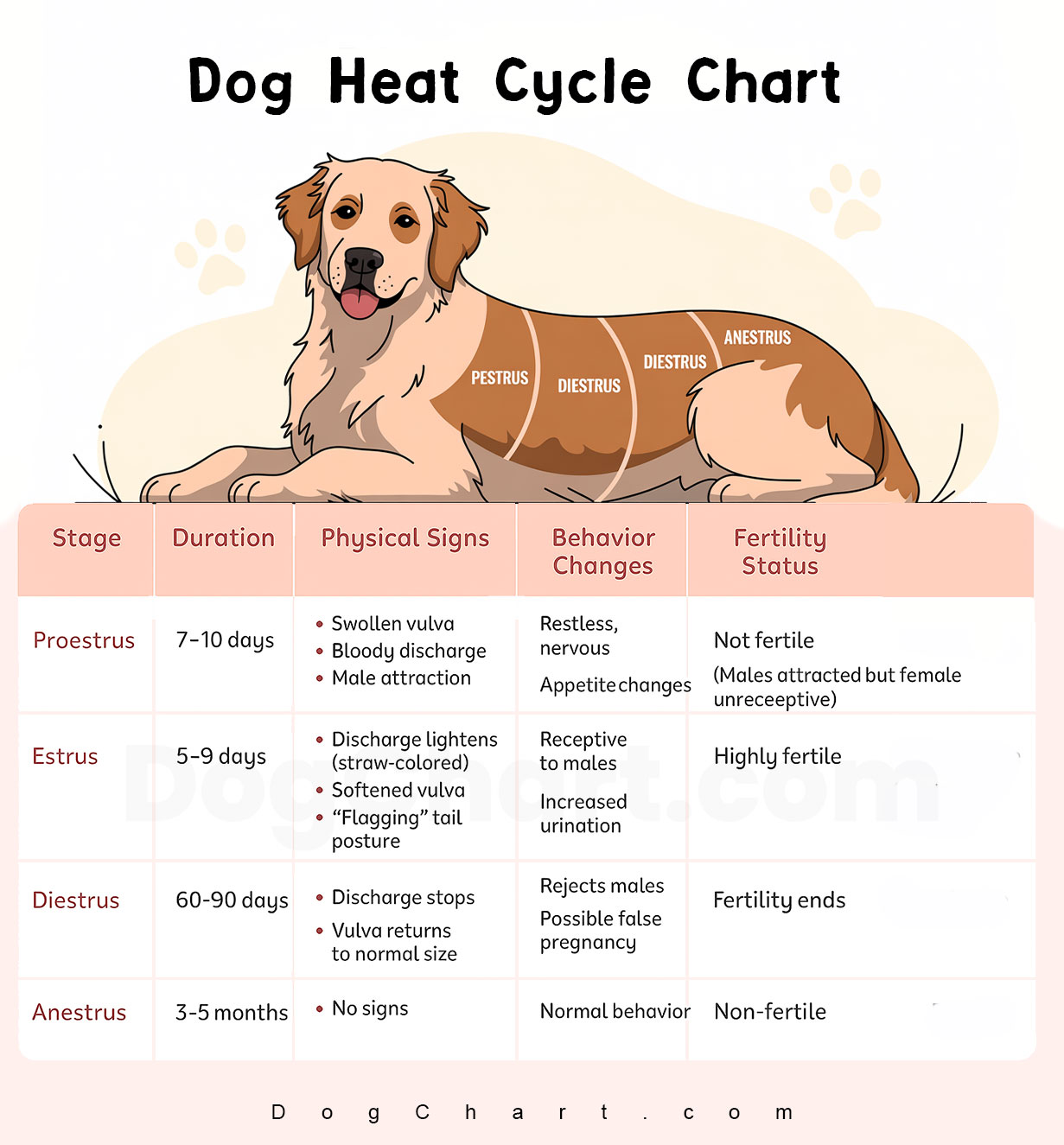


Breed, Age, Size, and Temperament Considerations
Susceptibility to heat-related behavioral and physiological shifts varies considerably depending on specific breed characteristics, life stages, and individual health profiles. Exploring information available through Dog Breeds highlights why flat-faced dogs like Bulldogs and Pugs struggle significantly with efficient panting compared to longer-nosed counterparts. Thick double-coated working breeds, senior canines with underlying joint stiffness or heart conditions, and overweight pets also experience heightened vulnerability to ambient heat. Puppies possess less developed thermoregulatory systems, making them slower to adapt to sudden temperature spikes. Recognizing these individual differences allows caretakers to tailor environmental modifications and exercise regimens precisely to the unique needs of each animal, preventing accidental overheating before visible distress manifests.
When to Consult a Veterinarian or Professional Behaviorist
Professional guidance becomes essential when seasonal behavioral adjustments mask underlying medical conditions or when severe anxiety arises in response to environmental heat or confinement. Persistent lethargy, refusal to eat for multiple days, sudden unwarranted aggression, or any manifestation of physical distress warrant a thorough veterinary examination to rule out infection, metabolic disorders, or systemic illness. Exploring expert insights within Dog Health and Dog Training can help owners distinguish normal heat-induced fatigue from clinical pathology or behavioral distress. If extreme fear or destructive panic occurs during warm weather restrictions, consulting a qualified veterinary behaviorist or certified professional trainer utilizing humane, positive-reinforcement methods is strongly recommended to support the animal safely.
Supporting Canine Wellness Through Seasonal Transitions
PetsAnimalsWorld.com remains committed to delivering comprehensive, evidence-based guidance for optimal companion animal care across every season. By carefully monitoring behavioral shifts, maintaining appropriate environmental controls, and prioritizing hydration, pet owners can effectively protect their animal companions from the hazards of high temperatures. Understanding the subtle language of canine comfort ensures that warm weather months remain safe, comfortable, and enjoyable for both pets and their human families.




