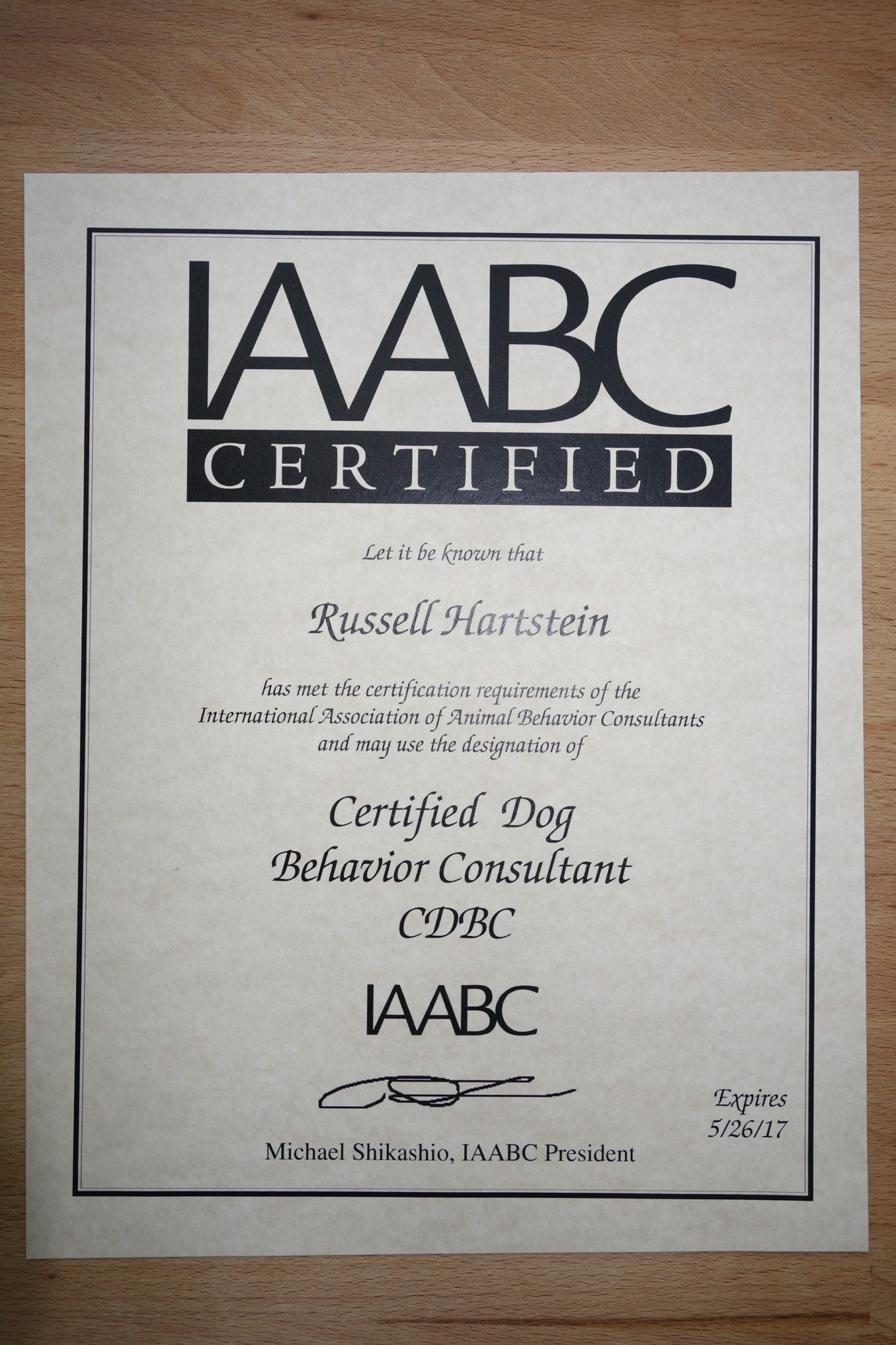
Understanding the Importance of Remote Canine Guidance
Addressing canine behavioral challenges requires consistent strategies, professional insight, and an understanding of how environment shapes animal actions. According to the American Society for the Prevention of Cruelty to Animals (ASPCA), behavioral issues are among the primary reasons companion animals are relinquished to shelters, making early and humane intervention essential for keeping households harmonious. Many households struggle to find local specialists who utilize scientifically backed, positive-reinforcement methodologies. When geographic barriers, travel anxiety, or scheduling conflicts arise, seeking remote professional guidance becomes a valuable alternative. Modern technology bridges the gap between expert practitioners and concerned guardians, ensuring that professional support remains accessible regardless of location.
💡 Pet Care Key Takeaways:
- Core Focus: Practical health, nutrition, and wellness guidelines for Dog Behaviorist Virtual.
- Target Scope: Pet owners, animal caregivers, and veterinary support staff.
- Best Recommendation: Maintain consistent daily routines and consult an accredited veterinarian before introducing major diet or medical changes.
Defining the Concept of Virtual Canine Behavioral Consultations
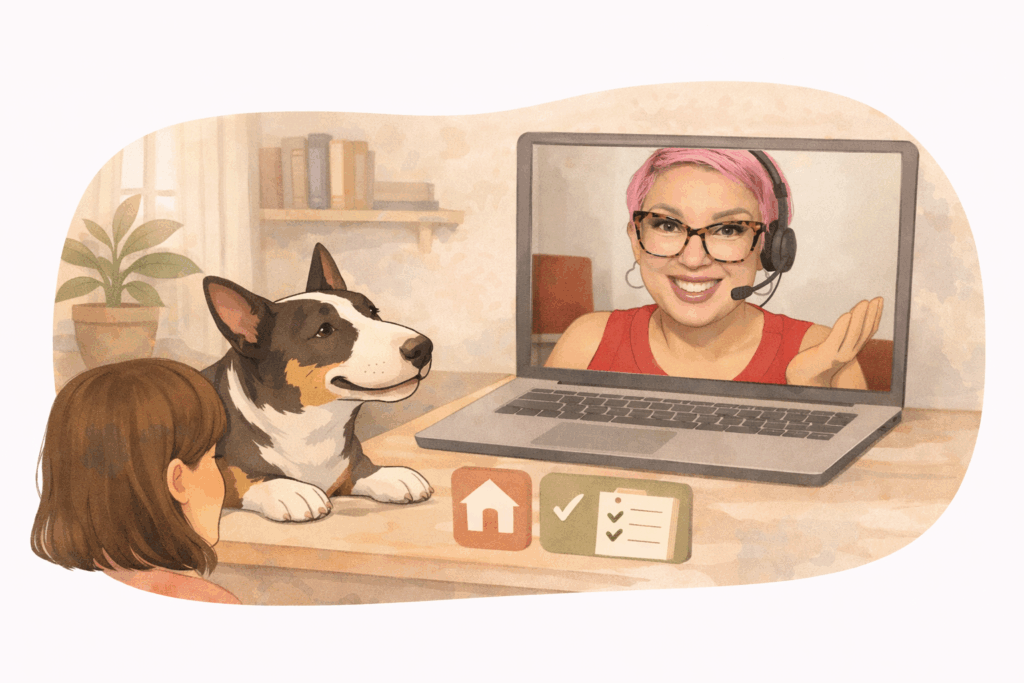
A dog behaviorist virtual session involves remote consultations conducted via video conferencing platforms to assess, manage, and modify canine conduct. Practitioners certified through reputable organizations evaluate animal body language, environmental triggers, and human-animal interactions through a live camera feed or pre-recorded video submissions. This methodology allows specialists to observe the subject within the natural home environment, eliminating the masking effects or heightened stress that traveling to a physical clinic might induce. Remote consultations typically cover a wide spectrum of concerns, ranging from mild house-training hurdles to complex reactivity and separation-related distress, all while maintaining structured educational frameworks for the human participants. For more related activities, check out our Dog Behaviorist Certification.
The Impact of Remote Behavioral Support on Domestic Harmony
Utilizing remote behavioral guidance significantly influences the emotional well-being of both the animal and the human household by reducing stress and fostering clear communication. When a certified specialist assesses an environment through a live video feed, the expert often identifies subtle spatial triggers—such as a resting place near a high-traffic window or an inadvertent reinforcement of unwanted habits—that might go unnoticed during an in-office appointment. Humane, evidence-based behavior modification relies heavily on managing antecedents, which means altering the environment before an unwanted action occurs. Remote consultations empower guardians to implement these environmental modifications immediately within their own living spaces. Furthermore, continuous digital support helps maintain consistency in training protocols, encouraging patience and positive reinforcement without relying on punitive or dominance-based techniques.
Behavioral consultations delivered via remote video conferencing allow specialists to observe natural domestic interactions without introducing the stress of a clinical environment. — American Veterinary Medical Association
Implementing Remote Strategies for Effective Behavior Modification
Implementing structured protocols learned through digital consultations requires dedication, precise timing, and clear observation of canine body language. Establishing a successful remote training routine begins with setting up an optimal recording or viewing angle so the practitioner can clearly evaluate subtle cues like lip-licking, whale eye, or tense posture. Guardians must then apply the recommended operant conditioning and desensitization techniques—methods involving incremental exposure to a trigger paired with high-value rewards—at a pace that keeps the animal below their stress threshold. Consistency across all household members is paramount, as mixed signals can stall progress. Documenting daily behavioral shifts through a shared digital log allows the remote specialist to adjust the plan accurately during subsequent video check-ins.
Best Practices and Common Pitfalls in Remote Consulting
Maximizing the effectiveness of online behavioral sessions requires careful preparation and an awareness of potential limitations in digital communication. A common pitfall is attempting to address severe aggression or intense panic without adequate physical safety management in place, which can endanger both humans and animals. To avoid misunderstandings, guardians should ensure high-speed internet connectivity, clear audio, and well-lit rooms so the specialist can accurately read subtle physical signals. Another best practice involves preparing concise video clips of specific problem scenarios ahead of the live call, saving valuable time and ensuring the expert observes the exact behavior in question. Patience is equally vital, as remote interventions require the human participant to act as the physical proxy for the practitioner.
Positive reinforcement training paired with systematic desensitization forms the gold standard for addressing canine anxiety and fear-based reactions safely. — American Kennel Club
Pet Care & Wellness Overview Table
| Life Stage | Daily Activity Level | Key Nutrition / Care Focus |
|---|---|---|
| Puppy / Kitten | High (frequent short bursts) | High-protein growth diet & early socialization |
| Adult Companion | Moderate (30–60 mins daily) | Balanced maintenance nutrition & dental hygiene |
| Senior Pets | Low to Gentle (mindful walks) | Joint support (Glucosamine) & routine vet checks |
Images References







Considering Individual Breed Traits, Age, and Temperament
Every canine participant possesses a unique genetic background, developmental stage, and temperament that shapes how they respond to remote behavioral interventions. Working breeds bred for intense focus or independent problem-solving may require different mental stimulation strategies compared to companion breeds developed primarily for human proximity. Age also dictates expectations; adolescent dogs experience hormonal shifts and developmental leaps that demand flexible management, whereas senior dogs may exhibit cognitive decline that mimics behavioral problems. A qualified remote specialist tailors every plan to the specific individual rather than applying a rigid template. Recognizing these intrinsic differences ensures that expectations remain realistic and that the chosen modification techniques align with the animal’s physical and mental capabilities.
Recognizing When to Consult a Veterinarian or Certified Professional
While remote consultations excel at managing many common behavioral adjustments, certain situations demand immediate in-person evaluation by a veterinary professional or a board-certified veterinary behaviorist. Sudden shifts in disposition, lethargy, loss of house-training, or unexpected reactivity can indicate underlying medical pain, neurological dysfunction, or systemic illness rather than a purely learned habit. For persistent aggression, severe self-harm, or panic-level anxiety, remote guidance should always be supplemented by physical veterinary examination to rule out medical contributors. In cases involving suspected poisoning, difficulty breathing, seizures, or severe trauma, bypass remote scheduling entirely and seek immediate emergency veterinary care.
Embracing remote guidance represents a modern, compassionate approach to resolving canine conduct challenges while keeping the animal within a comfortable environment. By leveraging expert digital insights, households can cultivate well-adjusted companions through humane, science-backed strategies. Exploring specialized resources on Dog Behavior, understanding specific Dog Breeds, reviewing essential Dog Care guidelines, and monitoring Dog Health ensures comprehensive support. Visit PetsAnimalsWorld.com to continue learning about holistic pet guardianship and evidence-based animal husbandry practices.