Financial Investment in Canine Education
Understanding dog behavior training cost is essential for households welcoming a new puppy or attempting to resolve complex behavioral challenges in adult dogs. According to the American Society for the Prevention of Cruelty to Animals (ASPCA), behavioral issues remain a primary reason animals are relinquished to shelters, making proactive training an invaluable investment in animal welfare and family harmony. Canine education goes far beyond teaching simple obedience commands like sit and stay; it establishes effective communication channels between human companions and domestic canines. Financial planning for these educational services helps ensure that owners can secure appropriate, evidence-informed guidance without unexpected budgetary strain. Navigating the diverse pricing structures of professional animal trainers requires a clear understanding of what different service tiers entail.
💡 Pet Care Key Takeaways:
- Core Focus: Practical health, nutrition, and wellness guidelines for Dog Behavior Training Cost.
- Target Scope: Pet owners, animal caregivers, and veterinary support staff.
- Best Recommendation: Maintain consistent daily routines and consult an accredited veterinarian before introducing major diet or medical changes.
Defining Dog Behavior Training Costs and Service Formats
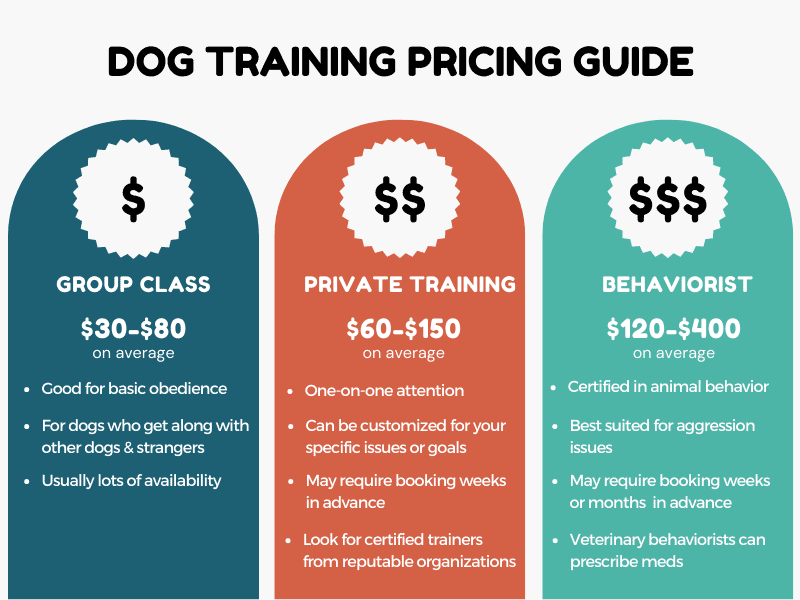
Dog behavior training cost refers to the total monetary expense required to hire professional guidance for shaping animal conduct, modifying undesirable habits, and teaching basic obedience. Professional services typically fall into distinct categories, each carrying unique fee structures and time commitments. Group socialization classes represent one of the most affordable options, usually priced per multi-week course, allowing dogs to learn amidst moderate distractions. Private in-home sessions offer personalized attention tailored to specific household environments, commanding higher hourly or package rates due to travel and customized lesson plans. Day-training programs, where an instructor works directly with the animal during daytime hours before transferring cues to the owner, occupy a higher price tier. Board-and-train models, which involve temporary residential placement at a facility, represent the most intensive and costly approach to canine behavioral modification.
The Impact of Behavioral Education on Animal Well-Being
Investing in humane behavioral education directly influences an animal’s psychological well-being, stress levels, and long-term health outcomes. Unaddressed behavioral concerns such as severe fear, chronic anxiety, or destructive chewing often stem from underlying emotional distress that requires careful, professional intervention. Humane, science-based training relies on positive reinforcement—rewarding desired actions with high-value treats, toys, or praise—rather than punitive or dominance-based methods that can exacerbate fear and trigger defensive aggression. When financial resources are allocated toward qualified professionals who prioritize animal welfare, dogs develop greater emotional resilience and confidence in unfamiliar environments. Consequently, proactive behavioral guidance reduces cortisol levels associated with chronic stress, fostering a safer, more stable domestic environment for every member of the household.
Behavioral problems are among the leading causes of relinquishment for companion animals — American Society for the Prevention of Cruelty to Animals (ASPCA)
Approaching and Budgeting for Canine Training Expenses
Managing dog behavior training cost effectively involves assessing specific household needs, researching local professionals, and selecting a format that aligns with lifestyle and financial capacity. Creating a dedicated pet care fund can prevent unexpected training expenses from disrupting household budgets when behavioral hurdles arise unexpectedly. Many trainers offer structured packages that discount the per-session rate when purchased in advance, providing a cost-effective route for comprehensive learning. Evaluating credentials is just as important as evaluating price tags; seeking out professionals certified by recognized organizations ensures adherence to humane, evidence-informed standards. For those exploring related educational topics, reviewing resources on Dog Training can offer helpful foundational knowledge before booking professional services.
Best Practices and Common Budgeting Pitfalls
Establishing clear educational goals helps prevent unnecessary spending on service packages that do not address the specific behavioral needs of the dog. A frequent pitfall involves selecting the cheapest available option without verifying the trainer’s methods, which can sometimes result in ineffective instruction or the use of outdated, aversive techniques that worsen behavioral issues. Consistency outside of formal lessons remains essential; professional guidance requires daily reinforcement at home to yield lasting results. Owners must budget time alongside financial resources, recognizing that sustainable behavioral modification is an ongoing process rather than a quick fix. Maintaining realistic expectations regarding progress timelines prevents premature abandonment of training programs and ensures long-term success.
Positive reinforcement methods are widely recommended by veterinary behavioral organizations for promoting lasting behavioral change — American Veterinary Medical Association (AVMA)
Pet Care & Wellness Overview Table
| Life Stage | Daily Activity Level | Key Nutrition / Care Focus |
|---|---|---|
| Puppy / Kitten | High (frequent short bursts) | High-protein growth diet & early socialization |
| Adult Companion | Moderate (30–60 mins daily) | Balanced maintenance nutrition & dental hygiene |
| Senior Pets | Low to Gentle (mindful walks) | Joint support (Glucosamine) & routine vet checks |
Images References





Influence of Breed, Age, and Temperament on Training Expenses
Individual characteristics such as breed background, developmental age, and innate temperament heavily influence the overall dog behavior training cost and the required intensity of instruction. Puppies frequently benefit from early socialization and foundational manners classes, which tend to be shorter and more affordable than programs designed to address ingrained adult behaviors. Working or guardian breeds, which possess high drive levels and strong independent tendencies, may require more advanced, specialized handling and experienced instruction to channel their energy constructively. Conversely, rescue dogs with unknown histories or severe trauma histories often necessitate specialized behavioral modification sessions conducted by certified behavior consultants rather than standard obedience classes. Examining broader topics within Dog Breeds and Dog Behavior can help clarify why certain temperaments require specialized professional investment.
When to Consult Veterinary Professionals and Behavior Specialists
Severe behavioral concerns, sudden personality shifts, or signs of intense fear and aggression require immediate consultation with a veterinarian or a board-certified veterinary behaviorist rather than a standard obedience trainer. Physical discomfort, underlying medical conditions, or neurological issues frequently manifest as sudden behavioral changes, making a thorough veterinary examination a vital first step to rule out medical contributors. For persistent anxiety, compulsive disorders, or dangerous reactivity, certified specialists utilize advanced behavioral modification plans that may incorporate veterinary-prescribed medication under strict clinical supervision. Recognizing the boundaries between basic obedience training and complex behavioral pathology ensures that dogs receive safe, medically sound, and ethically appropriate care tailored to their individual needs.
Closing Guidance on Canine Education Investments
Investing thoughtfully in canine education strengthens the human-animal bond while ensuring a safe, harmonious living environment for both pets and their human families. Exploring further educational resources on Dog Care can provide additional insights into supporting an animal’s daily well-being and development. Every financial and time investment made toward humane, professional guidance yields lifelong benefits in confidence, safety, and mutual understanding. Visit PetsAnimalsWorld.com to discover more guides, expert tips, and resources dedicated to responsible animal companionship.