
Foundational Principles for Canine Education and Learning
Education in the domestic canine species requires patience, consistency, and a thorough understanding of modern behavioral science. According to the American Society for the Prevention of Cruelty to Animals (ASPCA), humane, reward-based methods foster a strong, trusting bond while encouraging reliable learning outcomes without inducing fear or distress. When households implement a structured dog training guide, the daily routine transforms into an opportunity for clear communication. Domestic dogs learn primarily through association and consequences, meaning that behaviors followed by favorable outcomes tend to repeat, while those that yield no reward eventually diminish.
💡 Pet Care Key Takeaways:
- Core Focus: Practical health, nutrition, and wellness guidelines for Dog Training Guide.
- Target Scope: Pet owners, animal caregivers, and veterinary support staff.
- Best Recommendation: Maintain consistent daily routines and consult an accredited veterinarian before introducing major diet or medical changes.
Establishing clear boundaries early in a canine companion’s life prevents confusion and reduces stress for the entire household. Canines thrive in predictable environments where expectations remain consistent across all human family members. Utilizing a comprehensive approach to Dog Training ensures that lessons are broken down into manageable steps, allowing the learner to comprehend specific tasks without becoming overwhelmed. Whether teaching basic house manners or preparing a puppy for public outings, patience remains an essential asset during every educational session.
Defining the Core Concepts of Modern Canine Education
A structured dog training guide encompasses the systematic instruction of obedience cues, socialization protocols, and impulse control exercises designed to integrate a canine safely into human society. Operant conditioning, a fundamental behavioral concept, forms the backbone of these educational frameworks. This principle involves positive reinforcement, where desirable actions are immediately rewarded with treats, toys, or praise, increasing the likelihood that the behavior will happen again in the future.
Modern educational strategies deliberately avoid outdated dominance theories or punishment-based corrections. Certified animal behaviorists emphasize that intimidation creates unnecessary anxiety, which can suppress warning signals like growling and inadvertently lead to unpredictable defensive reactions. Instead, contemporary methods focus on shaping desired actions through clear markers and timing. A clicker or a verbal marker word, for example, pinpoints the exact moment the learner performs the correct action, bridging the gap between the behavior and the delivery of the reward.
Behavioral Development and Psychological Well-Being
Consistent mental stimulation and structured learning directly influence psychological wellness, reducing destructive behaviors born out of boredom or frustration. Canines that engage in daily problem-solving tasks display lower levels of cortisol, the primary stress hormone, leading to calmer household dynamics. Furthermore, early and ongoing exposure to novel environments, sounds, and friendly individuals builds resilience, helping prevent phobias later in life.
Behavioral health programs that prioritize positive reinforcement effectively reduce chronic stress and anxiety in domestic dogs. — American Veterinary Medical Association
Integrating educational games into the daily routine satisfies natural predatory sequences, such as sniffing, tracking, and retrieving. When these natural drives find appropriate outlets through interactive play and structured obedience, unwanted behaviors like excessive chewing or excessive vocalization decrease significantly. Maintaining a balanced schedule of physical exercise and mental engagement supports optimal Dog Behavior across all life stages.
Implementing Effective Instructional Strategies at Home
Executing an effective training regimen requires short, frequent sessions that keep the learner engaged and prevent mental fatigue. Keeping practice periods to five or ten minutes ensures that enthusiasm remains high. Sessions should always conclude on a successful note, reinforcing a known cue and rewarding the effort enthusiastically before releasing the learner to relax.
Best Practices, Common Pitfalls, and Troubleshooting
Consistency across all household members stands as the single most critical factor in successful animal education. If one family member allows lounging on the furniture while another strictly prohibits it, confusion delays progress. Environmental management plays an equally vital role; keeping shoes and food items out of reach prevents inadvertent self-rewarding behaviors while foundational house manners are still developing.
Early socialization during the developmental window up to sixteen weeks of age is critical for preventing lifelong fear and reactivity. — American Kennel Club
Pet Care & Wellness Overview Table
| Life Stage | Daily Activity Level | Key Nutrition / Care Focus |
|---|---|---|
| Puppy / Kitten | High (frequent short bursts) | High-protein growth diet & early socialization |
| Adult Companion | Moderate (30–60 mins daily) | Balanced maintenance nutrition & dental hygiene |
| Senior Pets | Low to Gentle (mindful walks) | Joint support (Glucosamine) & routine vet checks |
Images References






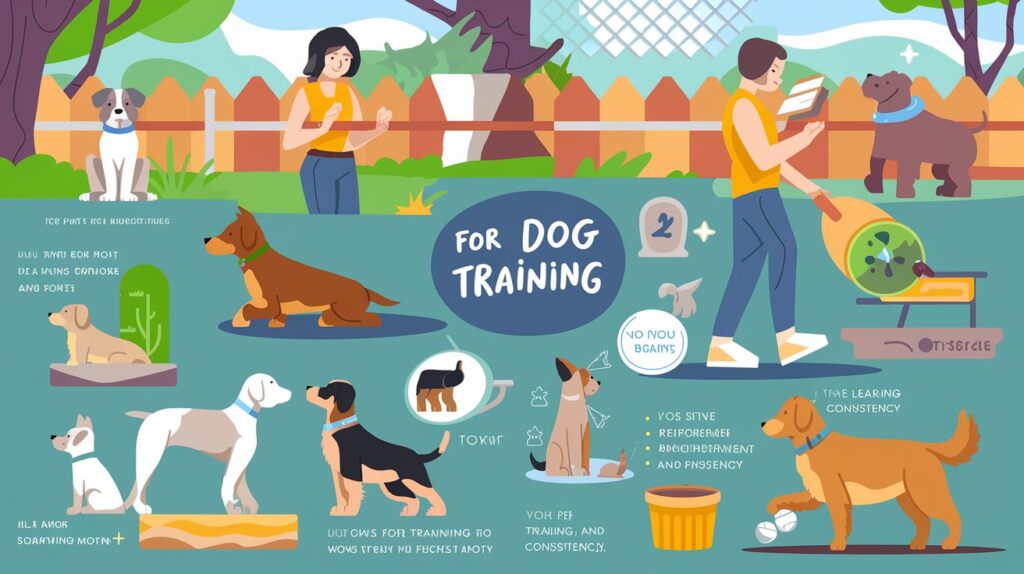

Another common pitfall involves repeating verbal cues multiple times before securing attention. Repeating a command trains the learner to ignore the initial prompt until the volume or frequency increases. To avoid this, secure attention first, issue the cue precisely once, and guide the desired response if necessary, fading physical assistance progressively as fluency improves.
Adapting Guidance for Age, Breed, and Temperament
Every individual canine possesses a unique genetic background, energy level, and temperament that dictates the pace and style of education. Working and herding Dog Breeds often require intensive mental tasks and active jobs to remain settled indoors, whereas companion or toy varieties may fatigue quickly under heavy physical demands. Tailoring expectations to physical capability and natural instinct prevents undue stress.
Age also dictates the structure of daily lessons. Young puppies possess short attention spans and developing joints, requiring gentle, brief exercises focused on socialization and bladder management. Conversely, senior companions may require modified physical expectations due to joint stiffness or sensory declines, yet they continue to benefit immensely from scent games and gentle cognitive enrichment tailored to their current physical condition.
When to Consult a Certified Professional or Veterinarian
Persistent behavioral challenges, sudden shifts in temperament, or signs of intense fear and aggression require immediate intervention from qualified professionals rather than standard home instruction. Sudden reactivity or avoidance can stem from underlying medical discomfort or pain, making a thorough veterinary examination the necessary first step before addressing behavioral modifications.
For severe fear, resource guarding, or generalized anxiety, seeking guidance from a board-certified veterinary behaviorist or a professional certified through reputable, humane organizations ensures safety and effectiveness. These specialists design tailored intervention plans that address root emotional triggers rather than merely suppressing surface symptoms, safeguarding the physical and psychological welfare of the animal.
Continuing Your Journey with Canine Resources
Mastering the art of canine education is a continuous journey that deepens the bond between humans and their animal companions. By focusing on humane, clear communication and consistent positive reinforcement, households build a foundation of mutual trust that lasts a lifetime. Explore comprehensive articles on Dog Care and Dog Health to support overall wellness, or visit PetsAnimalsWorld.com to discover additional expert resources tailored to responsible pet ownership.