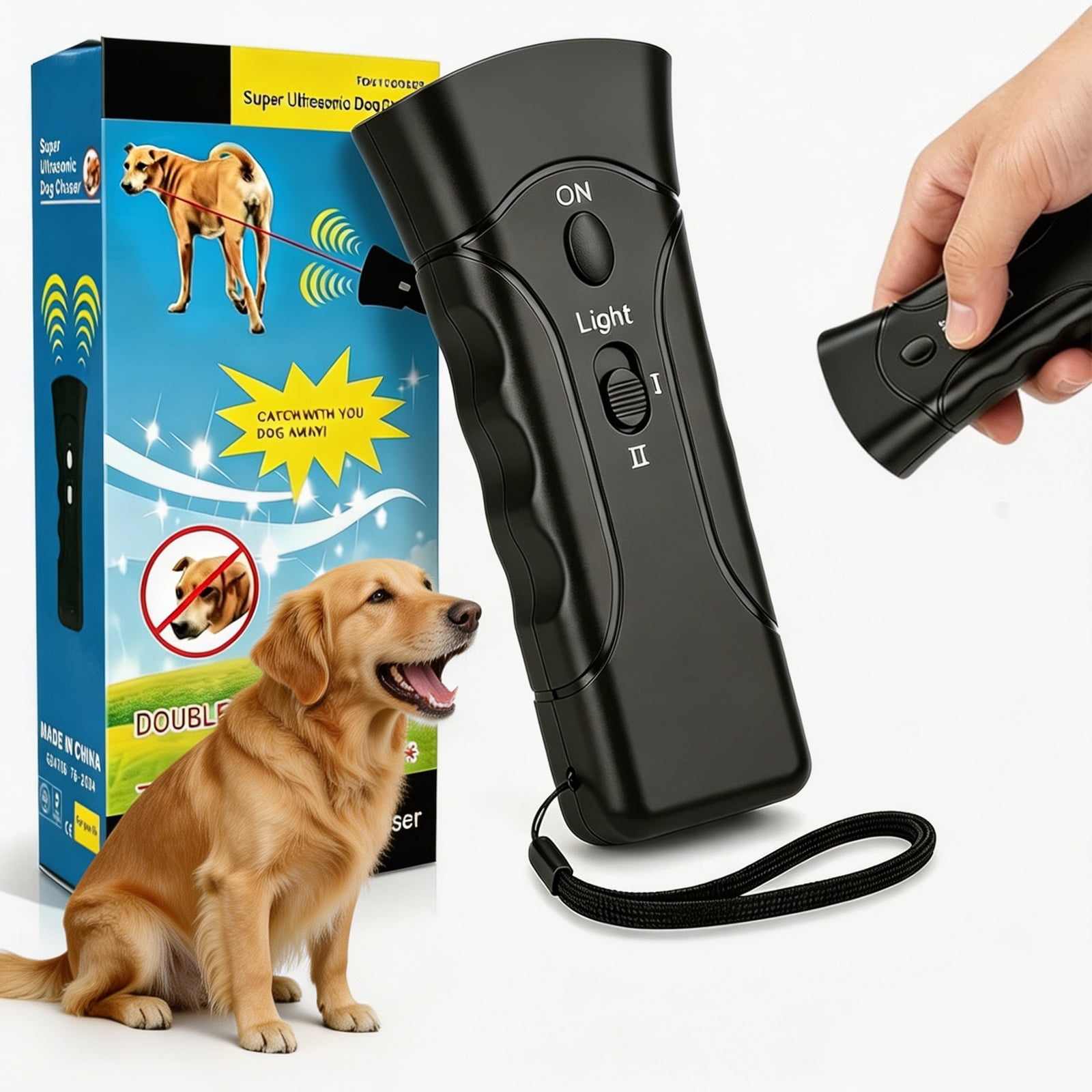
According to the American Society for Prevention of Cruelty to Animals (ASPCA), behavioral problems remain one of the primary reasons dogs are surrendered to shelters, highlighting the continuous need for accessible, humane, and effective guidance in Dog Training. Maintaining harmony within a multi-species or densely populated human household often requires innovative approaches to communication. When traditional positive reinforcement methods need an extra layer of clarity, many caregivers turn to modern auditory aids. Understanding how specialized acoustic devices function helps ensure that domestic animals remain comfortable while learning household boundaries. Exploring these options requires a balanced look at behavioral science, acoustic physics, and canine sensory perception.
💡 Pet Care Key Takeaways:
- Core Focus: Practical health, nutrition, and wellness guidelines for Dog Care Ultrasonic Trainer.
- Target Scope: Pet owners, animal caregivers, and veterinary support staff.
- Best Recommendation: Maintain consistent daily routines and consult an accredited veterinarian before introducing major diet or medical changes.
Defining the Mechanics of Ultrasonic Training Devices
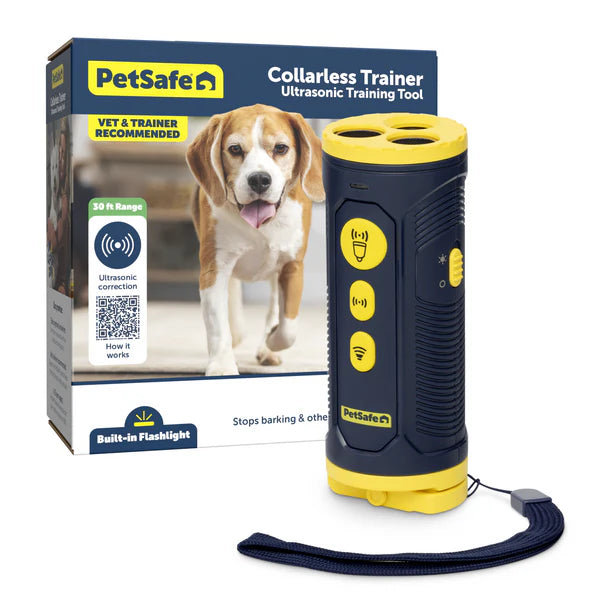
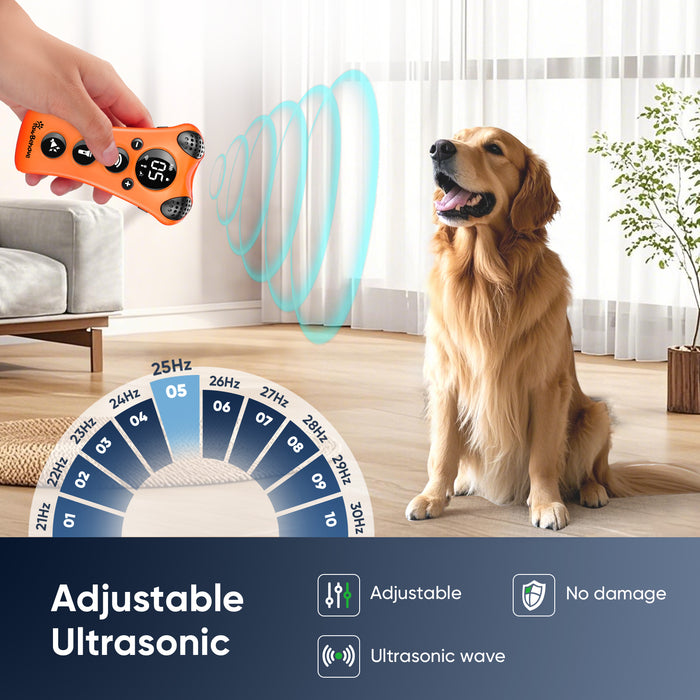
A dog care ultrasonic trainer is a handheld electronic device designed to emit high-frequency sound waves—typically between 20,000 and 25,000 Hertz—that remain largely imperceptible to human ears but audible to canine participants. Dogs possess a significantly broader hearing range than humans, allowing them to detect these elevated frequencies with ease. When activated, the device produces a sharp acoustic pulse intended to momentarily interrupt undesirable habits, such as persistent nuisance barking or jumping. This interruption acts as an acoustic marker, drawing the animal’s focus away from a trigger and redirecting attention back toward the human handler. These tools are engineered to be non-harmful, relying purely on sound rather than physical discomfort, static shock, or chemical deterrents.
Evaluating the Behavioral and Auditory Impact on Canines
Careful consideration must be given to how an animal processes high-frequency acoustic stimuli, as improper application can trigger confusion, startle responses, or stress. Canines experience the world heavily through audition and olfaction, meaning an unexpected high-decibel tone close to sensitive ears can induce apprehension if misused. Humane Dog Behavior specialists emphasize that aversion-based tools should never be used to induce fear or punish an animal after the fact. Instead, acoustic devices work best when paired with immediate positive reinforcement, such as high-value treats or verbal praise, once the targeted behavior ceases. This dual approach ensures the animal understands what behavior is desired rather than merely reacting to an unpleasant sensation.
Canines can perceive high-frequency sounds up to approximately 45,000 to 65,000 Hz, making ultrasonic equipment distinctly audible to them while remaining silent to human observers. — American Kennel Club (AKC)
Implementing Acoustic Interrupters Safely and Effectively
Successful integration of an acoustic training device depends heavily on precise timing, consistency, and a thorough understanding of underlying triggers. The device should be deployed precisely at the onset of unwanted conduct, rather than retrospectively, so the animal connects the sound wave with the specific action. For instance, if a dog begins digging near a garden bed, a momentary activation of the unit interrupts the sequence. Immediately afterward, the handler guides the animal toward an acceptable alternative activity and rewards compliance. This method bridges the gap between stopping an unsafe habit and establishing a lasting, positive routine suited for everyday Dog Care.
Best Practices and Common Pitfalls in Acoustic Modification
Avoiding misuse is vital for preserving trust between the animal and the handler during any modification program. A frequent mistake involves overusing the device, which leads to sensory habituation where the animal simply ignores the tone over time. Additionally, pointing the equipment directly at a sensitive canine ear from close range can cause unnecessary distress. Handlers should always maintain a moderate distance, test the device functionality on settings recommended by the manufacturer, and prioritize reward-based communication. Treating the acoustic tool as a temporary bridge rather than a permanent solution ensures a healthier, calmer learning environment for every household pet.
Behavioral science studies indicate that incorporating positive reinforcement alongside interruption cues yields higher retention rates in domestic canines compared to interruption alone. — Association of Professional Dog Trainers (APDT)
Pet Care & Wellness Overview Table
| Life Stage | Daily Activity Level | Key Nutrition / Care Focus |
|---|---|---|
| Puppy / Kitten | High (frequent short bursts) | High-protein growth diet & early socialization |
| Adult Companion | Moderate (30–60 mins daily) | Balanced maintenance nutrition & dental hygiene |
| Senior Pets | Low to Gentle (mindful walks) | Joint support (Glucosamine) & routine vet checks |
Images References






Tailoring Acoustic Tools to Breed, Age, and Temperament
Individual responses to high-frequency sounds vary widely depending on specific Dog Breeds, developmental life stages, and baseline sensitivities. Working terriers or hound varieties, bred for independent decision-making and high prey drives, may react differently to auditory signals than companion spaniels or sensitive herding dogs. Furthermore, senior dogs experiencing age-related hearing loss might not perceive the upper limits of ultrasonic frequencies at all, rendering the device ineffective. Puppies under specific developmental thresholds should generally avoid aversive or startling sounds, as their neural pathways are still maturing and require gentle, confidence-building socialization strategies.
When to Seek Guidance from Veterinary Professionals or Certified Trainers
Persistent behavioral challenges that do not respond to basic acoustic interruption require professional behavioral evaluation or veterinary oversight. If unwanted habits stem from underlying medical discomfort, separation anxiety, or severe phobias, simple training tools will not resolve the root issue. Collaborating with a qualified veterinary behaviorist or a certified professional trainer ensures that a comprehensive, medically sound plan is established. Prioritizing physical health and emotional well-being safeguards the long-term relationship between pets and their human companions.
Building Stronger Bonds Through Informed Management
Integrating specialized acoustic equipment into a comprehensive training plan offers an alternative path for managing specific household challenges safely. By prioritizing humane practices, maintaining proper timing, and respecting individual sensitivities, caregivers can foster a balanced and secure environment. Exploring the extensive resources available through PetsAnimalsWorld.com provides additional insight into Dog Health, nutrition, and everyday companionship to support a thriving, well-adjusted animal.