Fostering Harmonious Bonds Between Children and Household Dogs
According to the American Veterinary Medical Association, building safe and positive relationships between children and household pets relies heavily on structured education, active adult supervision, and mutual respect. Integrating young family members into animal care transforms a household dynamic from chaotic to cohesive, reducing stress for both humans and animals. Dogs thrive on consistency, clear communication, and predictable routines. When children learn how to interact with canine companions appropriately, the entire household benefits from a calmer, safer, and more joyful living environment. Establishing these foundations early helps prevent misunderstandings, accidental injuries, and behavioral stress in the family pet.
💡 Pet Care Key Takeaways:
- Core Focus: Practical health, nutrition, and wellness guidelines for Dog Training For Kids.
- Target Scope: Pet owners, animal caregivers, and veterinary support staff.
- Best Recommendation: Maintain consistent daily routines and consult an accredited veterinarian before introducing major diet or medical changes.
Defining Collaborative Dog Training for Youth
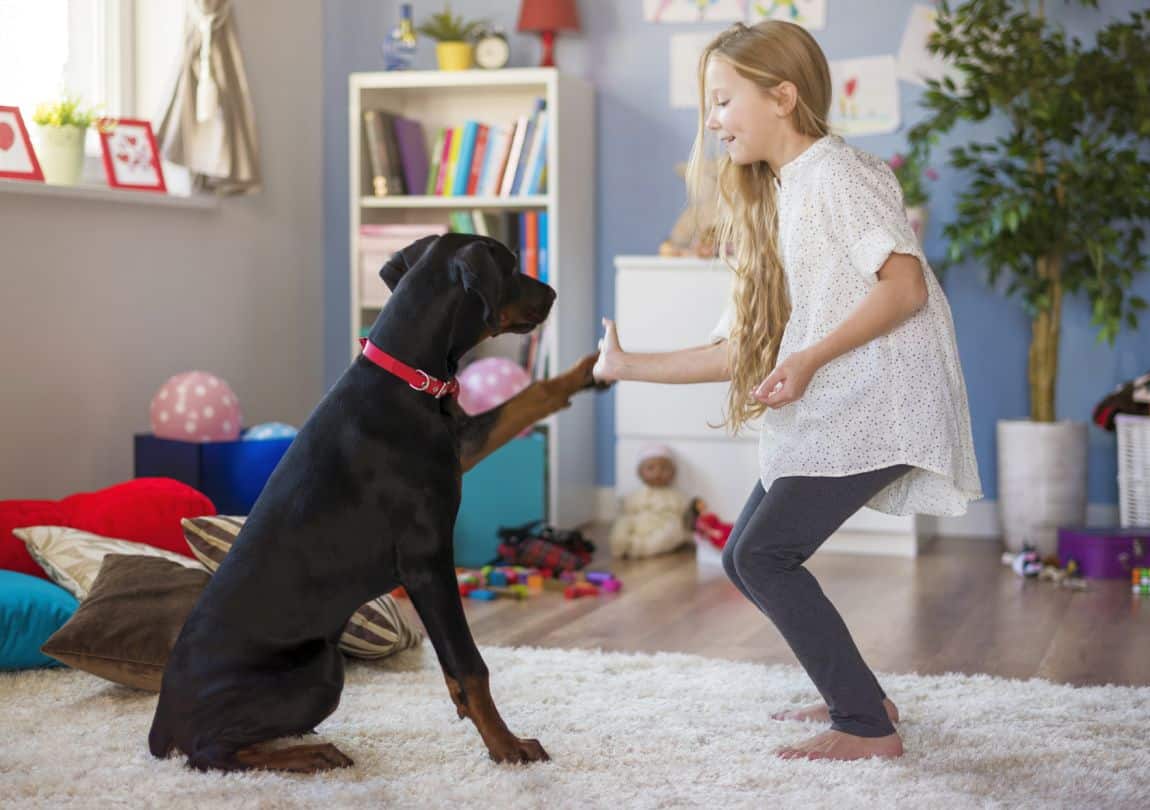
Dog training for kids involves teaching children how to communicate effectively, safely, and humanely with domestic canines using positive reinforcement principles. Rather than treating a child as an authoritative handler who controls an animal through dominance, modern educational frameworks position the child as a calm, predictable partner. This process centers on teaching kids how to reward desirable behaviors, such as sitting politely or coming when called, using food rewards, verbal praise, or toys. Fundamental mechanics include learning proper body language, understanding canine limits, and recognizing subtle signs of stress or fatigue in the animal. By focusing on reward-based methods, children learn that patience and gentle guidance yield far better results than shouting or rough handling.
The Behavioral and Safety Impacts of Early Youth Education
Structured educational programs significantly decrease the likelihood of fearful reactions, defensive biting, and accidental stress incidents in domestic pets. When children understand canine behavior, they stop engaging in high-risk actions such as disturbing a resting animal, pulling on tails, or approaching dogs while they eat. Education fosters empathy, teaching youth to respect an animal’s personal space and physical boundaries. Dogs that experience gentle, predictable interactions with children develop greater confidence and tolerance toward young humans. This mutual understanding supports long-term mental well-being for the animal, ensuring the home environment remains stable and secure for all residents seeking guidance through resources like Dog Behavior studies.
Proper behavioral education and adult supervision significantly reduce the incidence of negative interactions between children and domestic animals. — American Veterinary Medical Association
Practical Approaches to Managing Youth-Led Interactions
Guiding children through canine education requires breaking complex training concepts into simple, manageable games and routines. Adults must always supervise sessions closely, acting as facilitators who ensure both child and animal remain comfortable and safe throughout the exercise. Training sessions should be brief, matching the short attention spans of younger participants while preventing mental fatigue in the dog. Simple exercises like practicing stationary commands—where the dog remains in a stay position while the child takes a few steps backward—teach impulse control to both the human and the animal. Consistency across the entire family ensures the dog receives unambiguous signals regarding rules and expectations.
Best Practices and Common Pitfalls to Avoid During Youth Instruction
Successful household education avoids punitive methods, intimidation-based corrections, and physical force, which can trigger defensive aggression in stressed animals. Adults should never leave a child unattended with a dog, regardless of how well-trained or gentle the animal appears to be. Another frequent mistake involves allowing children to hug, climb on, or crowd dogs, which many canines find intimidating or threatening. Instead, encourage side-by-side petting under the chin or chest rather than reaching directly over the animal’s head. Maintaining calm energy, soft voices, and predictable movements helps keep the dog relaxed and receptive to participation from younger family members exploring topics within Dog Training fundamentals.
Positive reinforcement methods effectively shape animal conduct while building trusting, secure relationships between pets and family members. — American Kennel Club
Pet Care & Wellness Overview Table
| Life Stage | Daily Activity Level | Key Nutrition / Care Focus |
|---|---|---|
| Puppy / Kitten | High (frequent short bursts) | High-protein growth diet & early socialization |
| Adult Companion | Moderate (30–60 mins daily) | Balanced maintenance nutrition & dental hygiene |
| Senior Pets | Low to Gentle (mindful walks) | Joint support (Glucosamine) & routine vet checks |
Images References




Adapting Guidance to Canine Age, Size, and Temperament
Every animal possesses a unique personality, physical capacity, and tolerance level that must dictate how children interact with them. Energetic puppies possess sharp teeth, sharp claws, and boundless enthusiasm that can easily overwhelm small children, requiring high levels of adult management to prevent accidental scratches or nipping. Conversely, senior dogs or dogs experiencing joint discomfort may react defensively if approached roughly or startled from a deep sleep. Small-breed dogs require special care to prevent injury from rough or clumsy handling by young children, while large-breed dogs need training to avoid knocking children over accidentally during play. Tailoring expectations to the individual animal ensures safety and comfort for all household pets.
When to Consult Veterinary Professionals or Certified Behaviorists
Persistent fear, anxiety, growling, snapping, or any sign of unprovoked aggression requires immediate intervention from a qualified professional rather than continued amateur handling. If a dog displays chronic stress or defensive behaviors around children, owners should consult a veterinarian to rule out underlying medical issues, pain, or sensory decline. For complex behavioral challenges, seek out a qualified, appropriately certified professional trainer or veterinary behaviorist who utilizes humane, evidence-based methods. Immediate professional assessment ensures the safety of the entire household and provides structured rehabilitation strategies tailored to the specific needs of the family and pet, complementing routine care principles found in Dog Care guidelines.
Building Lifelong Bonds Through Responsible Guidance
Empowering children with the knowledge and skills to interact safely with household pets creates a foundation of lifelong compassion and responsible companionship. Through patient guidance, proper adult supervision, and reward-based instruction, families can cultivate secure relationships that enrich the lives of both children and animals. Exploring further educational resources helps maintain high standards of safety and animal welfare across every stage of development. Learn more by visiting PetsAnimalsWorld.com to discover additional insights into animal welfare, behavior, and daily management.