Understanding the Importance of Structured Dog Behavior Training
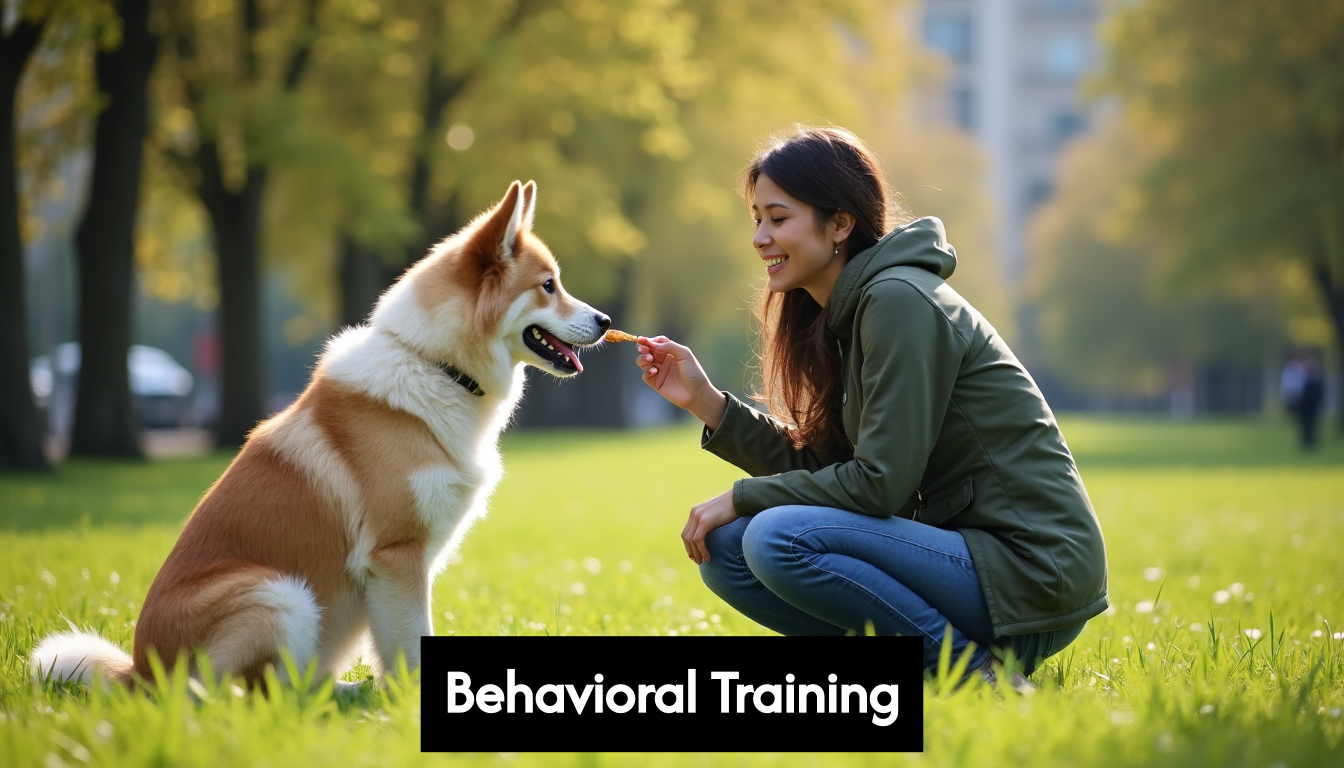
The decision to enroll in dog behavior training courses represents a significant commitment to the long-term well-being and social integration of a canine companion. Training is not merely about teaching tricks or ensuring obedience; it serves as a foundation for effective communication between humans and their pets. When dogs understand what is expected of them, they often experience lower levels of stress and anxiety, which contributes to a more harmonious household. According to the American Society for the Prevention of Cruelty to Animals (ASPCA), positive reinforcement is the most effective and humane method for training, as it encourages desirable behaviors through rewards rather than fear or intimidation.
💡 Pet Care Key Takeaways:
- Core Focus: Practical health, nutrition, and wellness guidelines for Dog Behavior Training Courses.
- Target Scope: Pet owners, animal caregivers, and veterinary support staff.
- Best Recommendation: Maintain consistent daily routines and consult an accredited veterinarian before introducing major diet or medical changes.
Defining the Scope of Behavior Training Courses
Dog behavior training courses are structured educational programs designed to address, modify, or prevent specific behavioral patterns through evidence-informed techniques. Unlike basic obedience classes that focus on commands like “sit” or “stay,” behavior-focused courses often target underlying motivations such as fear, reactivity, or impulse control. These programs utilize operant conditioning, a psychological concept where behaviors are shaped by the consequences that follow them. By rewarding calm and appropriate responses to environmental triggers, trainers help dogs develop better coping mechanisms for everyday stressors. Such courses provide a controlled environment where owners learn to read canine body language, identify signs of discomfort, and implement management strategies that set their pets up for success.
The Impact of Training on Canine Health and Well-being
Engaging in professional training has a profound impact on a dog’s overall Dog Health, as chronic stress and anxiety can manifest in physical health issues over time. Behavioral training encourages mental stimulation, which is just as vital as physical exercise for maintaining a dog’s cognitive function and emotional balance. Dogs that receive consistent, humane training are less likely to engage in destructive behaviors rooted in boredom or frustration, such as excessive chewing or pacing. Furthermore, a well-socialized dog is less likely to experience the physiological strain associated with environmental fear, such as high cortisol levels triggered by unfamiliar stimuli. By addressing behavioral concerns early, owners can mitigate the risk of long-term behavioral disorders that might otherwise require intensive pharmacological or specialized intervention.
Behavioral issues are one of the primary reasons dogs are surrendered to shelters, highlighting the critical importance of early intervention and ongoing training. — ASPCA
Implementing Effective Management and Training Strategies
Addressing behavioral challenges requires a systematic approach that prioritizes consistency and patience. The first step involves identifying the specific triggers for undesirable behaviors, such as loud noises, interactions with other animals, or separation from family members. Once triggers are identified, owners can use desensitization—a process of gradually exposing the dog to the trigger at a low intensity—paired with counter-conditioning to change the dog’s emotional response. It is essential to focus on reinforcing calm behavior before the dog reaches a state of high arousal or panic. Owners should aim to manage the environment to prevent the dog from practicing unwanted behaviors, such as using baby gates or leashes to limit access to stressors while the training process is underway.
Best Practices for Successful Behavioral Modification
Success in behavior training relies on the quality of the interaction rather than the volume of commands given. One common mistake is attempting to train while the dog is already over-threshold—meaning the dog is too anxious, excited, or fearful to process new information. In such instances, the most effective action is to remove the dog from the situation and allow them to decompress. Consistency among all household members is also paramount; if one person allows a behavior while another forbids it, the dog will struggle to learn the rules. Always prioritize short, frequent training sessions over long, exhausting ones to maintain the dog’s engagement and motivation. For more information on fostering a healthy environment, explore resources on Dog Care.
Positive reinforcement training, which involves rewarding desired behaviors, has been shown to be more effective and less likely to cause aggression than punishment-based methods. — American Veterinary Medical Association (AVMA)
Pet Care & Wellness Overview Table
| Life Stage | Daily Activity Level | Key Nutrition / Care Focus |
|---|---|---|
| Puppy / Kitten | High (frequent short bursts) | High-protein growth diet & early socialization |
| Adult Companion | Moderate (30–60 mins daily) | Balanced maintenance nutrition & dental hygiene |
| Senior Pets | Low to Gentle (mindful walks) | Joint support (Glucosamine) & routine vet checks |
Images References





Considering Individual Factors in Training
Every dog is an individual, and training approaches must be tailored to account for breed history, age, temperament, and physical health. High-energy breeds may require more outlets for mental stimulation, while sensitive or fearful dogs may need a much slower approach to building confidence. Age also plays a role; puppies are in a critical window for socialization, whereas adult dogs may have deeply ingrained habits that require more time and patience to modify. It is important to avoid making broad generalizations based on breed, as individual personality varies significantly within any group of dogs. Owners should observe their pet’s unique responses to new environments and adjust their expectations accordingly, ensuring that the training pace matches the dog’s comfort level.
When to Consult a Professional
While many behavioral issues can be addressed through basic training, certain signs indicate the need for a professional evaluation. If a dog displays sudden changes in behavior, such as increased aggression, lethargy, or extreme withdrawal, a veterinary examination is necessary to rule out underlying medical conditions or pain. Furthermore, for persistent cases of severe anxiety, resource guarding, or reactivity that poses a risk to the dog or others, owners should seek the guidance of a certified professional dog trainer or a board-certified veterinary behaviorist. These experts possess the specialized knowledge to create comprehensive, safe, and effective behavior modification plans that address complex issues beyond the scope of general obedience training.
Closing Thoughts on Canine Education
Investing time in dog behavior training courses is an act of care that pays dividends in the form of a stronger bond and a happier pet. By focusing on humane, science-based methods, owners can navigate the complexities of canine behavior with confidence and compassion. Continuous learning is a vital part of pet ownership, and there are many resources available to support this journey. For additional guidance on understanding your dog, visit the Dog Behavior and Dog Training sections at PetsAnimalsWorld.com to ensure your companion receives the best possible support throughout their life.