The Importance of Integrating Care and Training
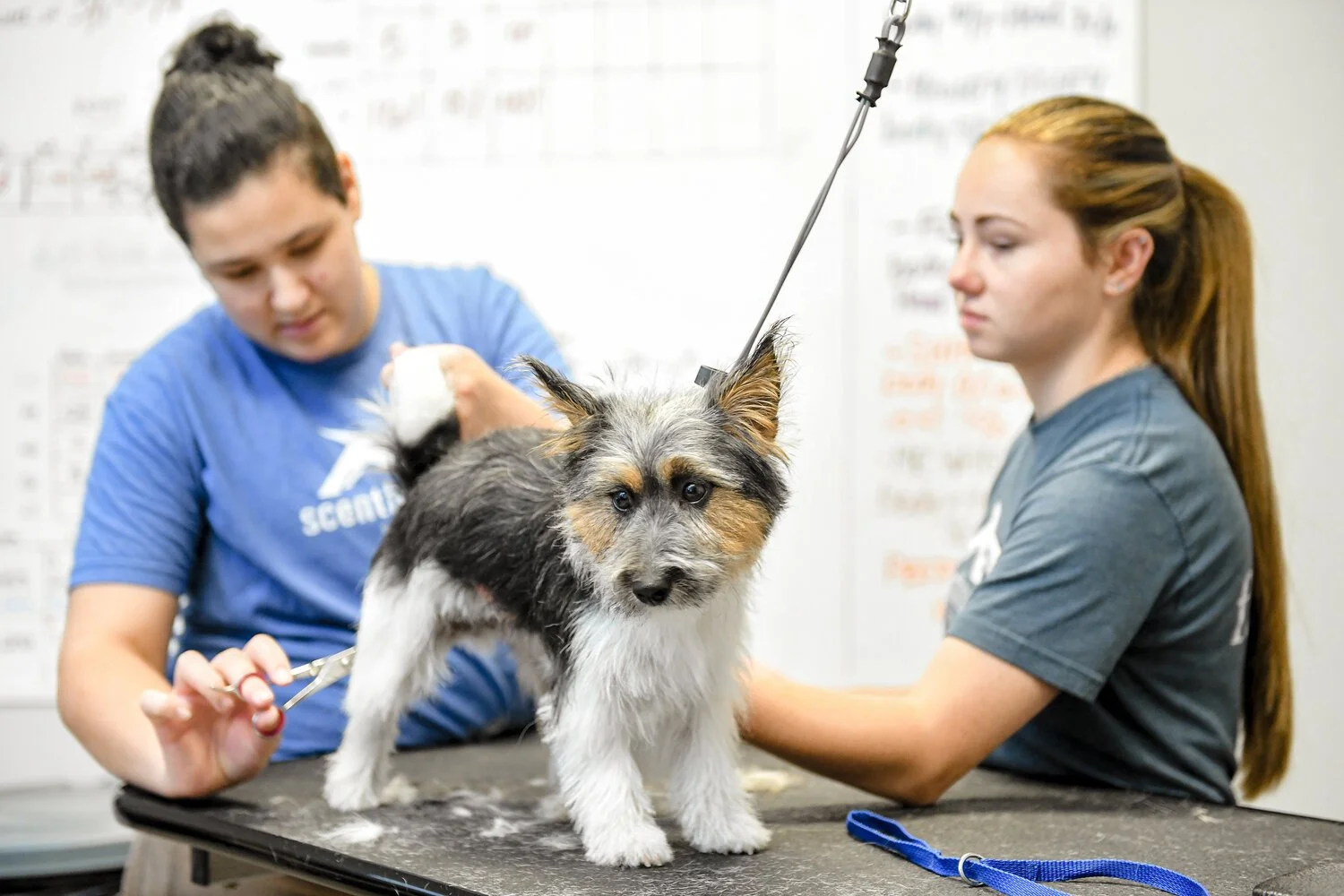
Establishing a structured approach to dog care training is fundamental for fostering a harmonious relationship between canines and their human companions. According to the American Veterinary Medical Association (AVMA), consistent training and socialization are essential components of responsible pet ownership, as they contribute significantly to the overall well-being and safety of the animal. When care routines—such as grooming, feeding, and medical examinations—are combined with positive reinforcement-based training, dogs learn to navigate their environment with confidence. This integration transforms routine maintenance from a stressful event into a cooperative interaction, reducing anxiety for both the pet and the owner.
💡 Pet Care Key Takeaways:
- Core Focus: Practical health, nutrition, and wellness guidelines for Dog Care Training.
- Target Scope: Pet owners, animal caregivers, and veterinary support staff.
- Best Recommendation: Maintain consistent daily routines and consult an accredited veterinarian before introducing major diet or medical changes.
Defining the Scope of Dog Care Training
Dog care training encompasses the teaching of behaviors that allow a canine to remain calm and cooperative during essential health and maintenance tasks. It is not merely about teaching tricks or obedience commands; it is about desensitization and counter-conditioning. Desensitization involves gradually exposing a dog to a stimulus—such as a nail clipper or a stethoscope—at a low intensity until the dog remains relaxed. Counter-conditioning involves changing the emotional response to that stimulus, often by pairing the presence of the object with highly desirable rewards, such as small, healthy treats or praise. By focusing on these techniques, owners can prepare their pets for lifelong dog care requirements.
The Behavioral and Health Impacts of Proactive Training
Proactive training significantly influences a dog’s physiological and psychological health by lowering stress markers during necessary interventions. When a dog is trained to accept handling, such as having paws touched or ears inspected, the risk of injury during veterinary visits decreases substantially. Animals that are conditioned to remain still for examinations allow for more accurate assessments by veterinary professionals. Furthermore, training provides essential mental stimulation, which is a critical aspect of dog behavior management. A mentally engaged dog is less likely to develop destructive behaviors stemming from boredom or frustration, leading to a more stable and content household environment.
Positive reinforcement training, which involves rewarding desired behaviors, is widely recognized as the most effective and humane method for teaching dogs new skills and managing behavioral concerns. — American Society for the Prevention of Cruelty to Animals (ASPCA)
Implementing Effective Care-Focused Training
Addressing the need for care-focused training requires a systematic, step-by-step approach that respects the individual dog’s comfort level. Start by introducing grooming tools or medical equipment while the dog is calm and stationary. Allow the dog to sniff the item, then provide a reward. Gradually progress to touching the dog with the object for a few seconds, always ensuring the dog remains relaxed before moving to the next stage. If the dog shows signs of stress—such as panting, lip licking, or moving away—it is important to revert to a previous, less intense step. Patience is paramount; rushing the process can inadvertently create negative associations that are difficult to reverse.
Best Practices and Common Mistakes
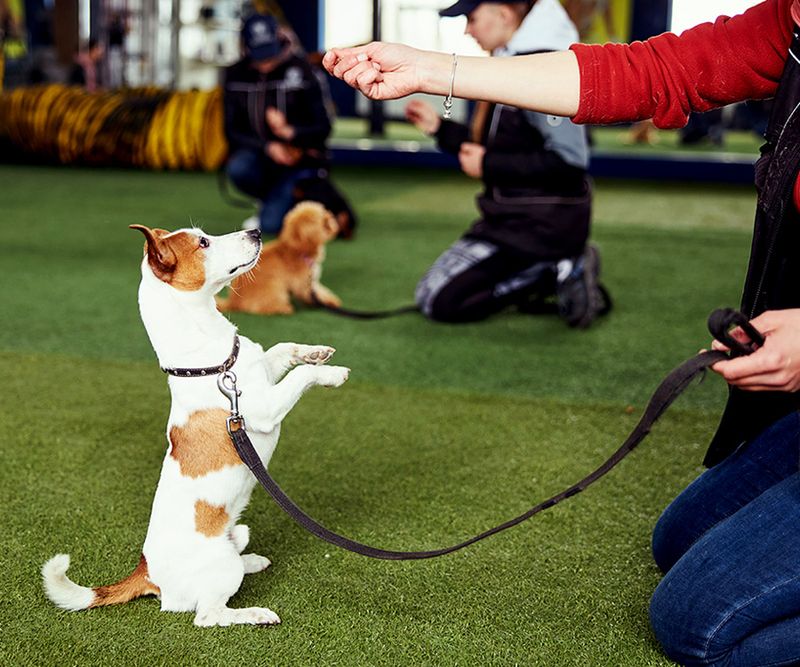
The most successful approach to training involves keeping sessions short, frequent, and positive. One common mistake is attempting to train a dog during a moment of high excitement or when the animal is already fearful of a specific grooming tool. Instead, training should occur during quiet periods when the dog is naturally settled. Avoid using force or physical intimidation to ensure compliance, as these methods often exacerbate fear and can lead to defensive aggression. Consistency across all family members is also vital, as mixed signals can confuse the animal and impede progress. Always focus on rewarding the dog for choosing to participate in the process rather than forcing the interaction.
Proper socialization and training during the critical developmental stages of a puppy’s life are vital for preventing the development of fear-based behaviors and aggression. — American Kennel Club (AKC)
Pet Care & Wellness Overview Table
| Life Stage | Daily Activity Level | Key Nutrition / Care Focus |
|---|---|---|
| Puppy / Kitten | High (frequent short bursts) | High-protein growth diet & early socialization |
| Adult Companion | Moderate (30–60 mins daily) | Balanced maintenance nutrition & dental hygiene |
| Senior Pets | Low to Gentle (mindful walks) | Joint support (Glucosamine) & routine vet checks |
Images References






Considering Breed, Age, and Individual Temperament
Individual characteristics play a significant role in how a dog responds to training, necessitating a tailored approach for every animal. Younger dogs, such as puppies, are often more adaptable but may have shorter attention spans, requiring very brief, frequent training bursts. Conversely, older dogs or those with a history of negative experiences may require a much slower pace to overcome established anxieties. Breed-specific traits also influence learning; for example, high-energy working breeds may require significant physical exercise before they can focus on stationary grooming tasks. Understanding these nuances allows owners to adjust their dog training methods to better suit the unique personality of their canine companion.
When to Consult a Professional
Professional intervention becomes necessary when a dog displays persistent fear, extreme anxiety, or signs of aggression during routine care. If a dog growls, snaps, or attempts to bite when being touched or handled, the situation poses a safety risk that requires the expertise of a certified professional. A veterinary behaviorist or a trainer certified in positive reinforcement methods can assess the dog’s behavior and develop a safe, structured plan to manage these concerns. Never attempt to “train out” aggression through punishment, as this is ineffective and dangerous. Seeking early professional help can prevent the escalation of behavioral issues and ensure the safety of both the dog and the owner.
Conclusion and Further Resources
Mastering the art of care-focused training is a rewarding journey that enhances the bond between humans and their dogs. By prioritizing patience, safety, and positive reinforcement, owners can ensure their pets remain healthy and comfortable throughout their lives. For more comprehensive guidance on maintaining a healthy and well-adjusted pet, explore the diverse resources available at PetsAnimalsWorld.com. Whether seeking information on dog nutrition or exploring specific dog breeds, consistent education remains the best tool for providing high-quality care.