Introduction
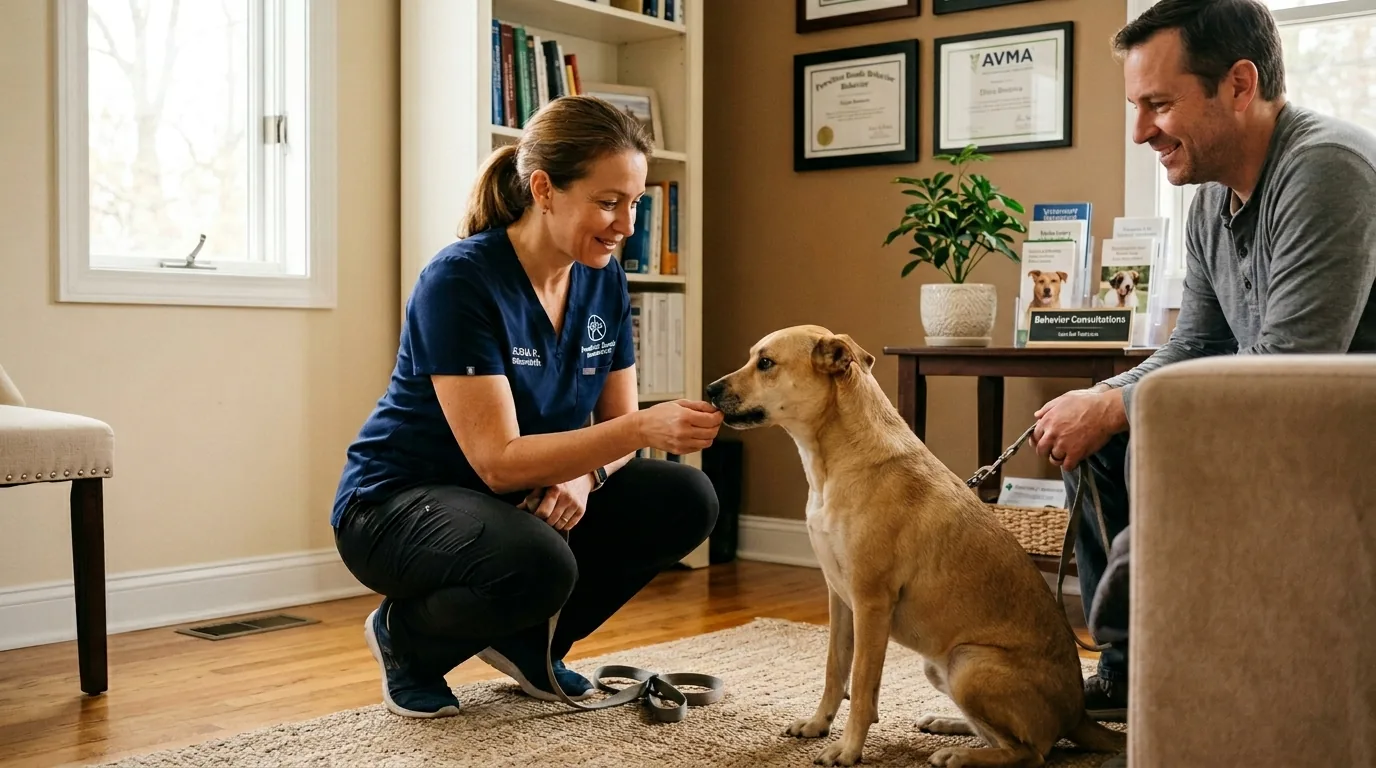
Professional canine behavior modification in the Pacific Northwest requires specialized consulting to address complex reactivity, environmental stressors, and obedience challenges unique to urban and suburban companion animals. According to the International Association of Animal Behavior Consultants (IAABC), effective behavior modification must integrate humane, evidence-based methodologies that prioritize emotional well-being alongside physical safety. Regional families seeking a qualified dog behaviorist portland frequently encounter diverse climatic conditions, high-density trail systems, and unique urban distractions that directly impact domestic canine stress thresholds and daily management protocols. Maintaining optimal canine mental health demands structured routine implementation, appropriate socialization, and rigorous assessment of underlying physiological triggers before initiating any behavioral remediation strategy.
Pet Wellness & Behavior Snapshot:
- Core Focus: Professional assessment and modification of canine psychological conditions.
- Target Scope: Companion animals exhibiting severe reactivity, anxiety, or compulsive disorders in municipal environments.
- Key Recommendation: Combine veterinary physical clearance with a certified behavioral intervention plan.
Core Principles and Detailed Overview
Canine behavioral rehabilitation relies on identifying neurochemical and environmental root causes for unwanted actions rather than suppressing surface-level clinical manifestations. Engaging a specialized dog behaviorist portland ensures that therapeutic protocols address specific stressors like leash reactivity, separation anxiety, and noise phobias common to the rainy Pacific Northwest climate. Certified professionals coordinate closely with primary care veterinarians to rule out underlying medical pain, endocrinopathies, or neurological deficits that mimic psychological reactivity. Comprehensive care plans also evaluate Dog Nutrition to ensure balanced dietary intake, because nutritional deficiencies can exacerbate hyperarousal and impulsive tendencies in working and companion breeds alike.
Key Specifications and Breakdown
| Observed Indicator / Factor | Veterinary & Behavioral Explanation | Actionable Management Protocol |
|---|---|---|
| Sudden Leash Reactivity | Heightened sympathetic nervous system activation triggered by territorial barriers or pain. | Increase physical distance from triggers and consult Dog Training specialists for structured desensitization. |
| Destructive Separation Distress | Panic-induced behavior stemming from isolation phobia and elevated cortisol profiles. | Implement gradual departure protocols and utilize veterinary-approved anxiolytic support under clinical supervision. |
| Obsessive Paw Licking | Compulsive displacement behavior frequently linked to environmental allergies or neuropathic pain. | Schedule diagnostic dermatology evaluations through Dog Health providers to isolate physical allergens. |
Early veterinary screening for underlying medical contributors remains an essential prerequisite before initiating any intensive behavior modification program. — American Veterinary Medical Association (AVMA)
Step-by-Step Practical Application and Guidelines
Implementing a successful behavioral modification program requires a methodical, step-by-step approach tailored to the individual canine’s stress threshold and learning pace. The initial phase involves a comprehensive home environmental audit to eliminate inadvertent triggers that reinforce undesirable habits. Establishing predictable daily routines for exercise, feeding, and mental enrichment stabilizes neurotransmitter production and reduces baseline anxiety. Caregivers should subsequently document behavioral triggers in a detailed logbook, capturing time, location, and physiological responses to share during professional evaluations. Regular engagement with broader resources covering Dog Care ensures that physical maintenance needs do not conflict with active behavioral rehabilitation schedules.
Common Challenges and How to Avoid Them
Unrealistic expectations and inconsistent reinforcement schedules represent the primary obstacles hindering successful rehabilitation in domestic companion animals. Caregivers frequently commit the error of utilizing punishment-based methods that elevate fear and increase the risk of defensive aggression. Avoiding setbacks requires strict adherence to positive reinforcement paradigms and ensuring that every household member maintains identical handling protocols. Consulting established educational hubs focused on Pets and specific breed traits helps owners understand innate genetic drives that influence response patterns during training sessions.
💬 Frequently Asked Questions
Explore More Pet Care and Animal Health Guides on PetsAnimalsWorld
Expanding knowledge regarding specialized companion animal behavior and holistic wellness empowers pet parents to secure the highest standard of living for their four-legged family members. Readers seeking additional insights into canine behavior modification, breed-specific traits, and preventative healthcare are encouraged to explore the comprehensive resource library available directly through Pets Animals World.
Visual Reference Gallery