Introduction
A dog behaviorist phoenix provides specialized, clinically informed intervention for complex canine psychological conditions within desert metropolitan environments. According to the International Association of Animal Behavior Consultants (IAABC), professional behavior consulting requires identifying underlying emotional triggers, environmental stressors, and physiological health states to formulate safe modification plans. Implementing structured Dog Behavior protocols mitigates the impact of chronic stress caused by extreme arid temperatures, localized stimuli, and confined urban living spaces.
Pet Wellness & Behavior Snapshot:
- Core Focus: Direct modification of severe canine reactivity, anxiety, and aggression utilizing applied behavior analysis in Phoenix, Arizona.
- Target Scope: Residential companion animals experiencing environmental stress, temperature-induced agitation, and inter-household conflict.
- Key Recommendation: Schedule simultaneous veterinary health evaluations to rule out hidden medical pain before initiating behavioral conditioning.
Core Principles and Detailed Overview
Addressing canine behavioral pathology requires a comprehensive evaluation of environmental factors, physiological health, and proper Dog Nutrition to stabilize brain chemistry. Certified specialists utilize positive reinforcement techniques, systematic desensitization, and counter-conditioning to alter neural responses to perceived threats. Urban environments present unique thermal and spatial pressures that accelerate reactivity, demanding precise management strategies from experienced animal health caregivers. Clinical behaviorists coordinate closely with primary veterinarians to ensure that any hormonal imbalances, nutritional deficiencies, or systemic illnesses are fully addressed alongside psychological rehabilitation.
Key Specifications and Breakdown
| Observed Indicator / Factor | Veterinary & Behavioral Explanation | Actionable Management Protocol |
|---|---|---|
| Pavement-Induced Phobia | Extreme summer asphalt temperatures create acute paw pad burns and conditioned panic responses during outdoor transit. | Restrict walks to pre-dawn hours, utilize protective footwear, and redirect focus toward indoor puzzle toys. |
| Thermal Isolation Agitation | Extended indoor confinement due to excessive heat reduces physical expenditure, elevating cortisol and destructive chewing. | Implement heavy mental enrichment programs, indoor scent games, and climate-controlled treadmill conditioning. |
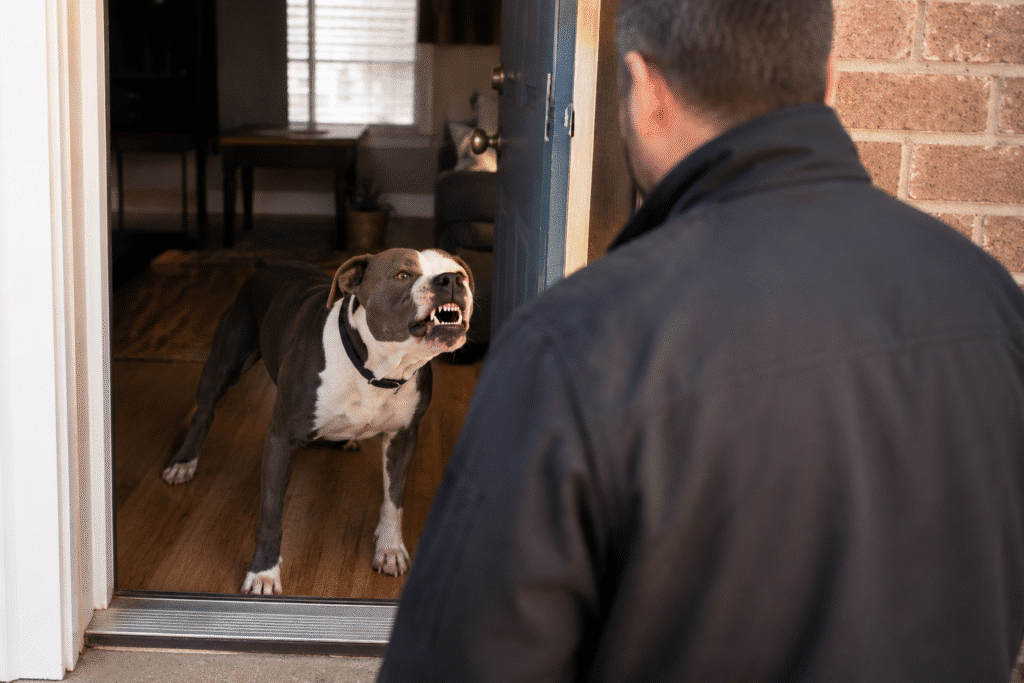
| Fence-Fighting Reactivity | Territorial arousal triggered by transient wildlife or neighboring pets along shared property borders causes chronic hypervigilance. | Install visual barriers along perimeter fencing, manage yard access times, and interrupt staring chains early. |
Behavioral counseling and training must integrate routine physical examinations to identify hidden pathologies that manifest as behavioral changes. — American Veterinary Medical Association (AVMA)
Step-by-Step Practical Application and Guidelines
Executing a successful modification plan demands methodical pacing, strict environmental control, and consistent reinforcement schedules across all household members. Caregivers must first establish a baseline trigger diary, noting exact times, environmental catalysts, and physiological responses such as panting or trembling. Following data collection, controlled exposures are initiated at a distance where the subject remains calm, allowing threshold management without triggering a reactive flight-or-fight surge. Integrating tailored advice found within dedicated Dog Care resources helps maintain predictable daily routines that lower baseline anxiety levels.
Common Challenges and How to Avoid Them
Inconsistent enforcement of rules and relying heavily on aversive correction techniques represent the most frequent pitfalls hindering behavioral rehabilitation. Punishment-based methods frequently escalate fear, resulting in suppressed warning signals and unpredictable bite incidents directed toward humans. Caregivers must instead prioritize clear communication, immediate reinforcement of desirable alternative actions, and patience during setbacks. Consulting structured insights available via Dog Health guides ensures that caregivers recognize subtle signs of physical discomfort masking as stubbornness or disobedience.
💬 Frequently Asked Questions
Explore More Pet Care and Animal Health Guides on PetsAnimalsWorld
Optimizing companion animal wellbeing requires continuous education regarding specialized training methods, preventative healthcare measures, and species-specific dietary requirements. Readers are encouraged to explore the extensive collection of expert-backed resources available across the platform at Pets Animals World to support long-term behavioral health.
Visual Reference Gallery