Introduction
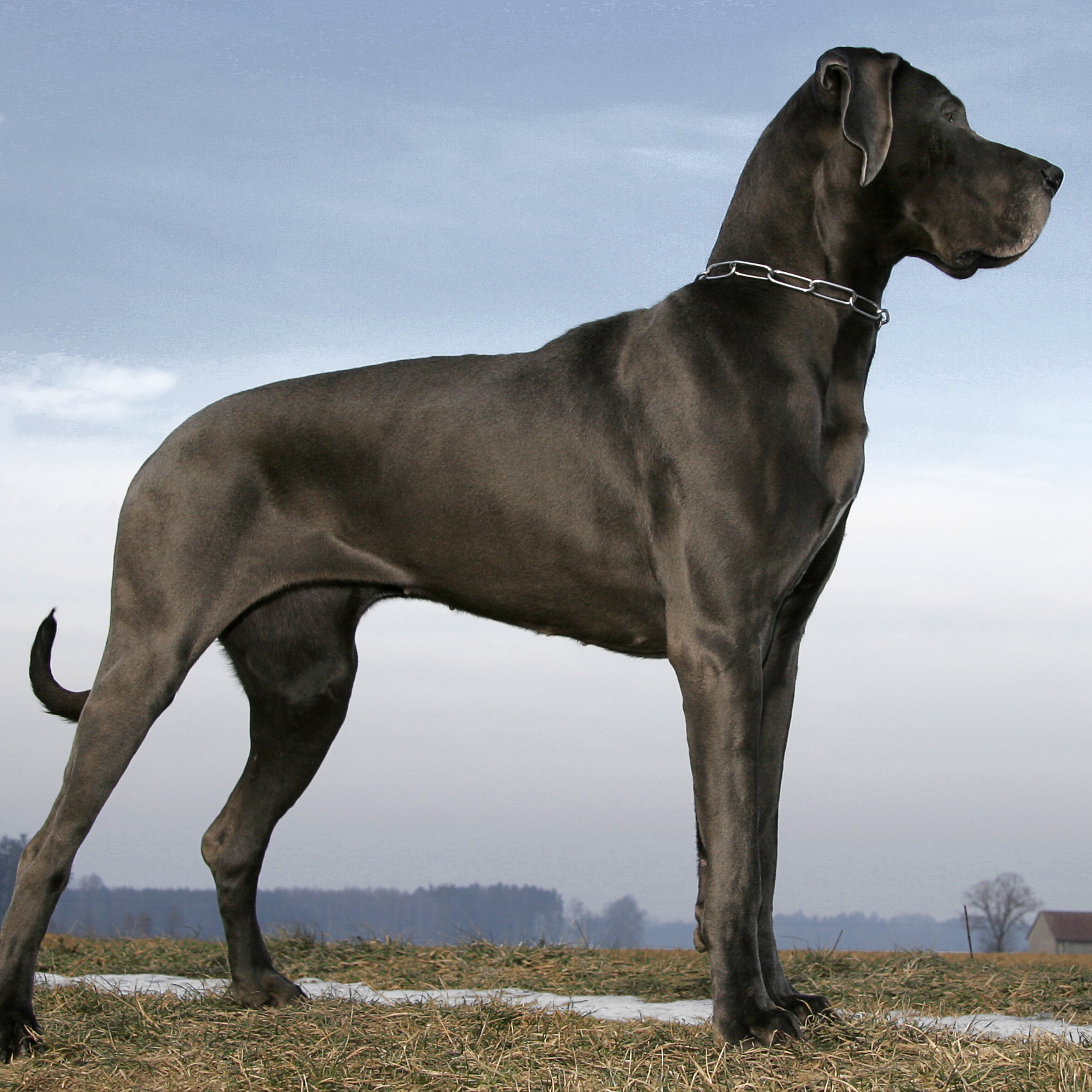
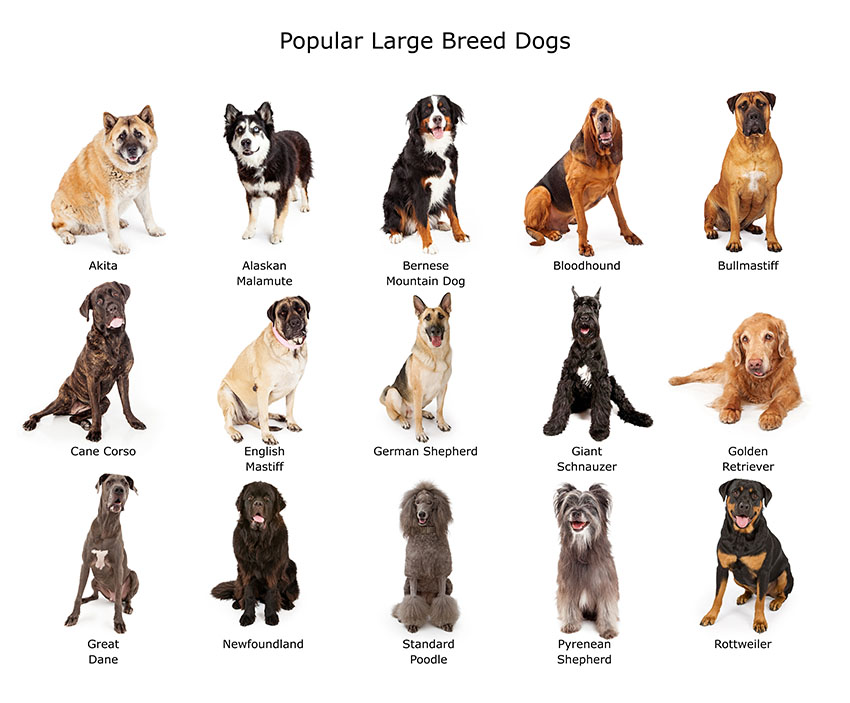
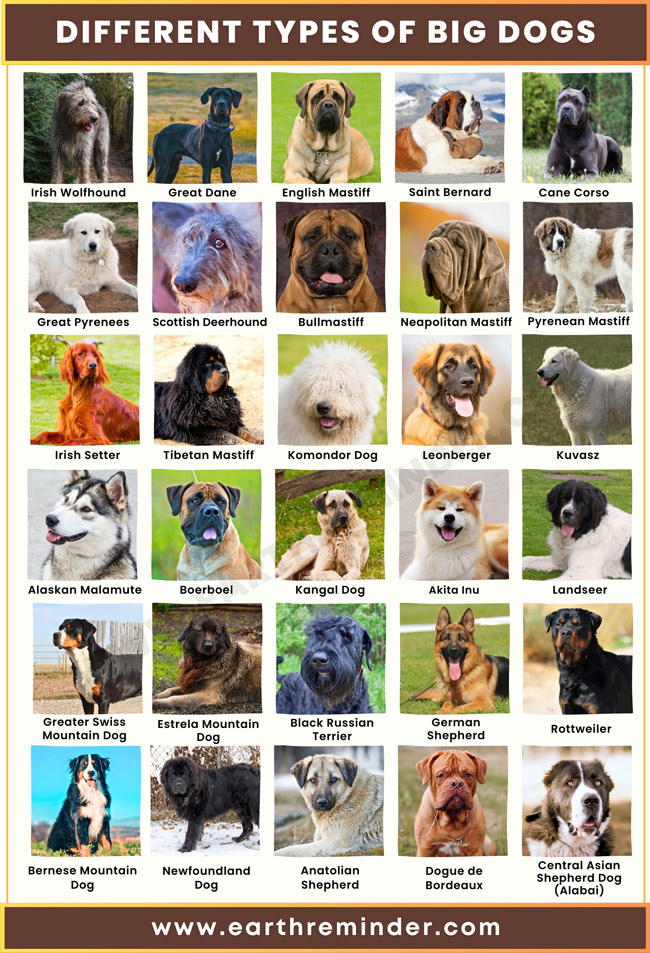
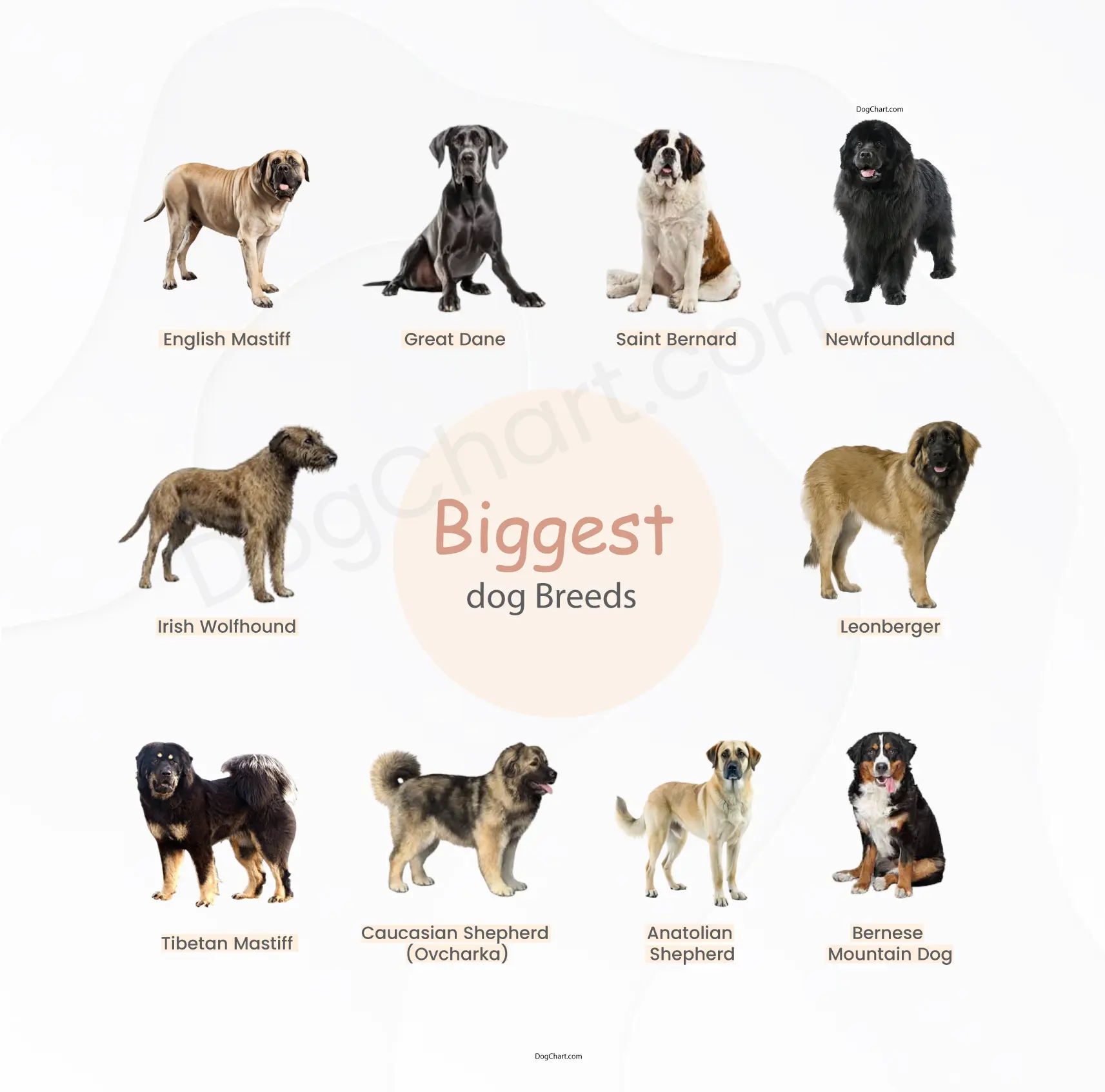
Giant dog breeds represent specific canine phenotypes characterized by an adult weight exceeding 45 kilograms and distinct physiological, orthopedic, and metabolic requirements. According to the American Animal Hospital Association (AAHA), large and giant-breed dogs require specialized veterinary wellness protocols to address accelerated skeletal development and unique life-stage milestones. Understanding the nuances of handling these substantial animals ensures long-term vitality, structural soundness, and optimal behavioral health within domestic environments. Proper stewardship bridges the gap between basic survival and thriving longevity, making informed management a strict necessity for dedicated handlers. Further exploration into these specialized requirements can be found through curated educational resources focused on Dog Breeds and general Pets.
Pet Wellness & Behavior Snapshot:
- Core Focus: Comprehensive healthcare, structural preservation, and behavioral training for massive canine companions.
- Target Scope: Clinical management, nutritional modulation, and environmental safety protocols for giant breeds.
- Key Recommendation: Implement controlled exercise regimens and specialized growth diets during the crucial juvenile maturation window.
Core Principles and Detailed Overview
Massive canine morphologies present unique physiological challenges that dictate every facet of daily care, veterinary medicine, and behavioral intervention. Accelerated growth rates in youth create extreme vulnerability to developmental orthopedic diseases, necessitating strict control over calcium-to-phosphorus ratios and caloric density. Behavioral expression in oversized dogs requires proactive socialization and early foundational Dog Training to ensure reliable impulse control and safe public interactions. Furthermore, deep-chested anatomy inherently elevates the risk of life-threatening gastrointestinal emergencies, requiring strict adherence to feeding protocols and activity restrictions. Comprehensive oversight demands a dual focus on internal organ systems and external musculoskeletal support structures to maintain a high quality of life.
Key Specifications and Breakdown
| Observed Indicator / Factor | Veterinary & Behavioral Explanation | Actionable Management Protocol |
|---|---|---|
| Rapid Juvenile Skeletal Spurt | Unbalanced mineral absorption leads to structural deformities and canine hip dysplasia. | Administer formulated large-breed puppy diets with controlled energy density and balanced calcium levels. |
| Deep Thoracic Cavity Anatomy | Physiological predisposition to gastric dilation-volvulus (bloat) driven by gas accumulation and torsion. | Utilize slow-feeder bowls, divide daily meals into multiple portions, and restrict exercise post-feeding. |
| Massive Leverage and Body Weight | Unmanaged pulling behavior creates severe safety risks for handlers and joint wear for the animal. | Prioritize positive reinforcement handling techniques and consult professional Dog Behavior specialists. |
Large-breed puppies require precise nutritional management featuring controlled calcium intake and restricted energy density to minimize the incidence of developmental orthopedic diseases. — American Veterinary Medical Association (AVMA)
Step-by-Step Practical Application and Guidelines
Establishing a reliable daily management routine mitigates the inherent health and handling risks associated with massive canine companions. The primary step involves selecting specialized Dog Nutrition plans that sustain slow, steady skeletal maturation rather than rapid weight gain. Caregivers must subsequently implement low-impact exercise regimens, such as controlled leash walks and swimming, while avoiding high-impact activities like repetitive jumping on hard surfaces during the first eighteen months of life. Veterinary wellness evaluations should occur at least biannually to monitor joint integrity, screen for cardiac abnormalities, and adjust parasite prevention dosages accurately. Finally, maintaining a hazard-free home environment with non-slip flooring protects aging joints from catastrophic slips and subsequent trauma.
Common Challenges and How to Avoid Them
Overlooking early warning signs of joint discomfort or dismissing progressive lethargy as typical laziness constitutes a critical mistake in giant-breed management. Caregivers frequently miscalculate caloric needs, leading to obesity that drastically exacerbates orthopedic degradation and shortens overall life expectancy. Diligent observation of subtle postural changes, reluctance to rise, or altered gait patterns allows for early intervention through targeted Dog Health protocols and therapeutic modalities. Avoiding unverified supplements and adhering strictly to veterinary pharmaceutical guidelines prevents multi-organ toxicity and unexpected adverse drug interactions. Proactive planning ensures that minor behavioral quirks or stiffness episodes never escalate into debilitating medical emergencies.
💬 Frequently Asked Questions
Explore More Pet Care and Animal Health Guides on PetsAnimalsWorld
Mastering the care requirements of massive canine companions requires ongoing education, rigorous adherence to veterinary standards, and compassionate behavioral stewardship. Caregivers seeking further insight into advanced canine husbandry, preventative medicine, and specialized training methodologies will find an extensive library of veterinary-reviewed resources ready to explore at Pets Animals World.
Visual Reference Gallery